 Newest
InfrastructureEnergy
LA Is Putting Floating Solar and an Iron Battery on a Reservoir
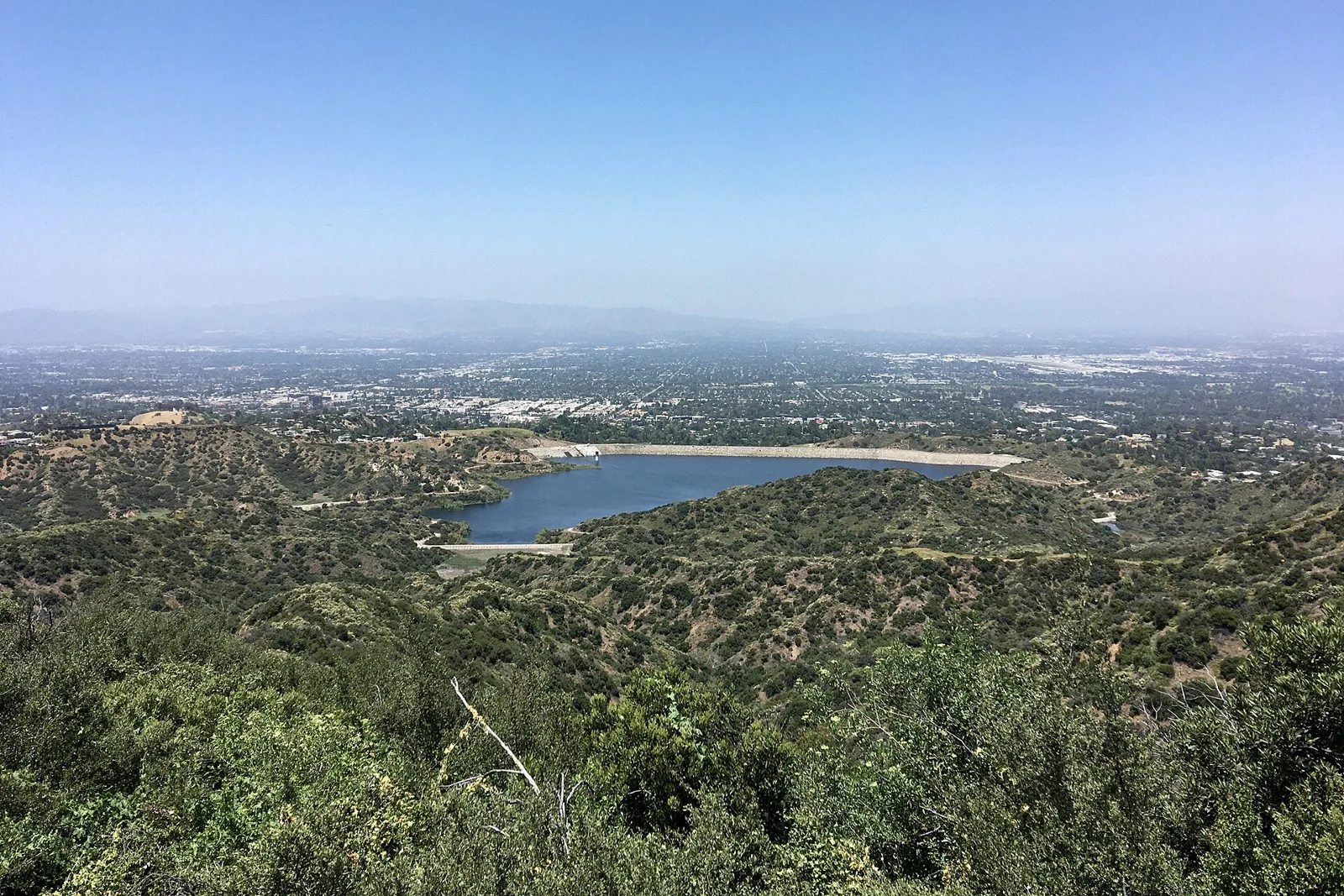
LADWP approved a pilot at Encino Reservoir with a 5 MW floating solar array on 10 acres of water and a 5 MW iron flow battery to store the power.
so basically / news
The tech that's almost here: humanoid robots, robotics, AI, compute, EVs, AR glasses, space, aircraft, energy, infrastructure, and bio. Newest stories first.
165 stories
Companies
Newest
LADWP approved a pilot at Encino Reservoir with a 5 MW floating solar array on 10 acres of water and a 5 MW iron flow battery to store the power.
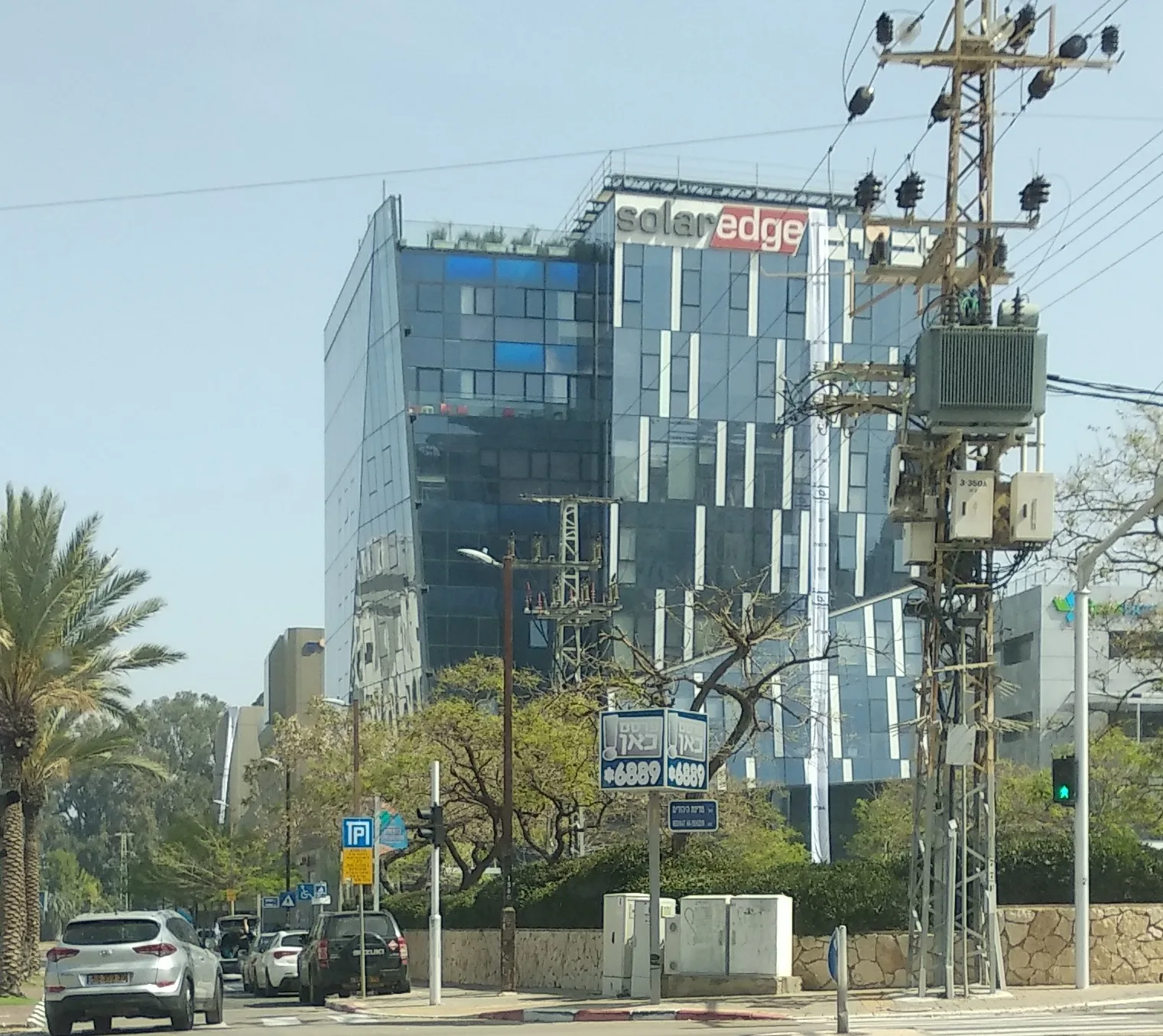
SolarEdge showed its medium voltage to 800 VDC power system for AI data centers at the OCP Global Summit with NVIDIA. It's running under load in their labs, but it's not shipping yet.
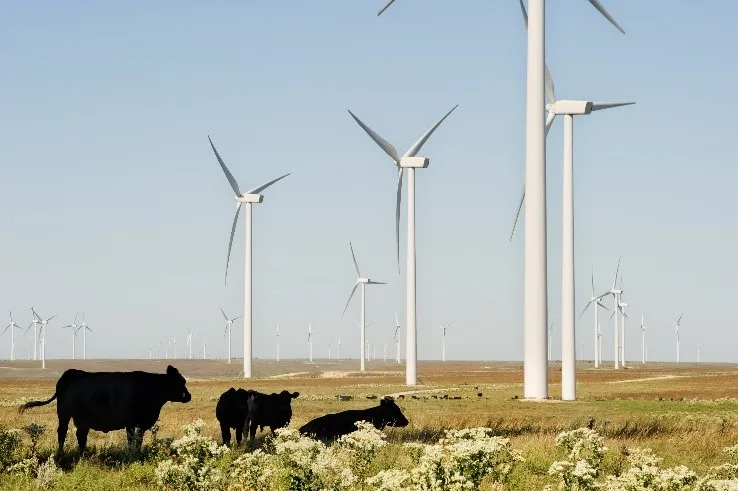
Antora Energy plans a 5.8 gigawatt hour thermal battery at Pratt Energy's biorefinery in Pratt, Kansas. It stores cheap electricity as heat in carbon blocks and starts supplying energy in 2027.
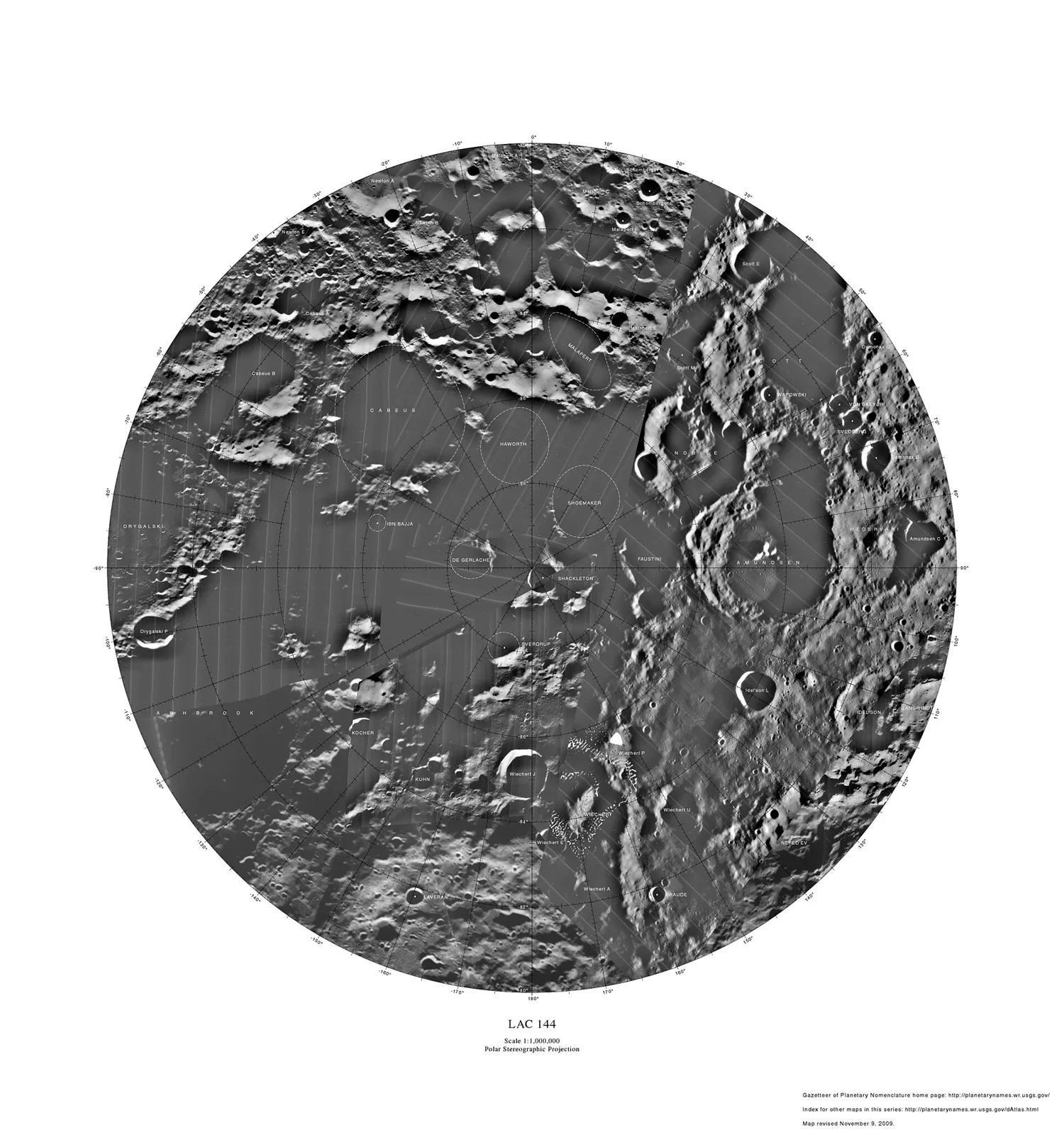
ESA introduced NovaMoon, a mission that puts a navigation and timing station on the Moon's south pole so rovers, landers and astronauts can know exactly where they are, with sub meter accuracy.
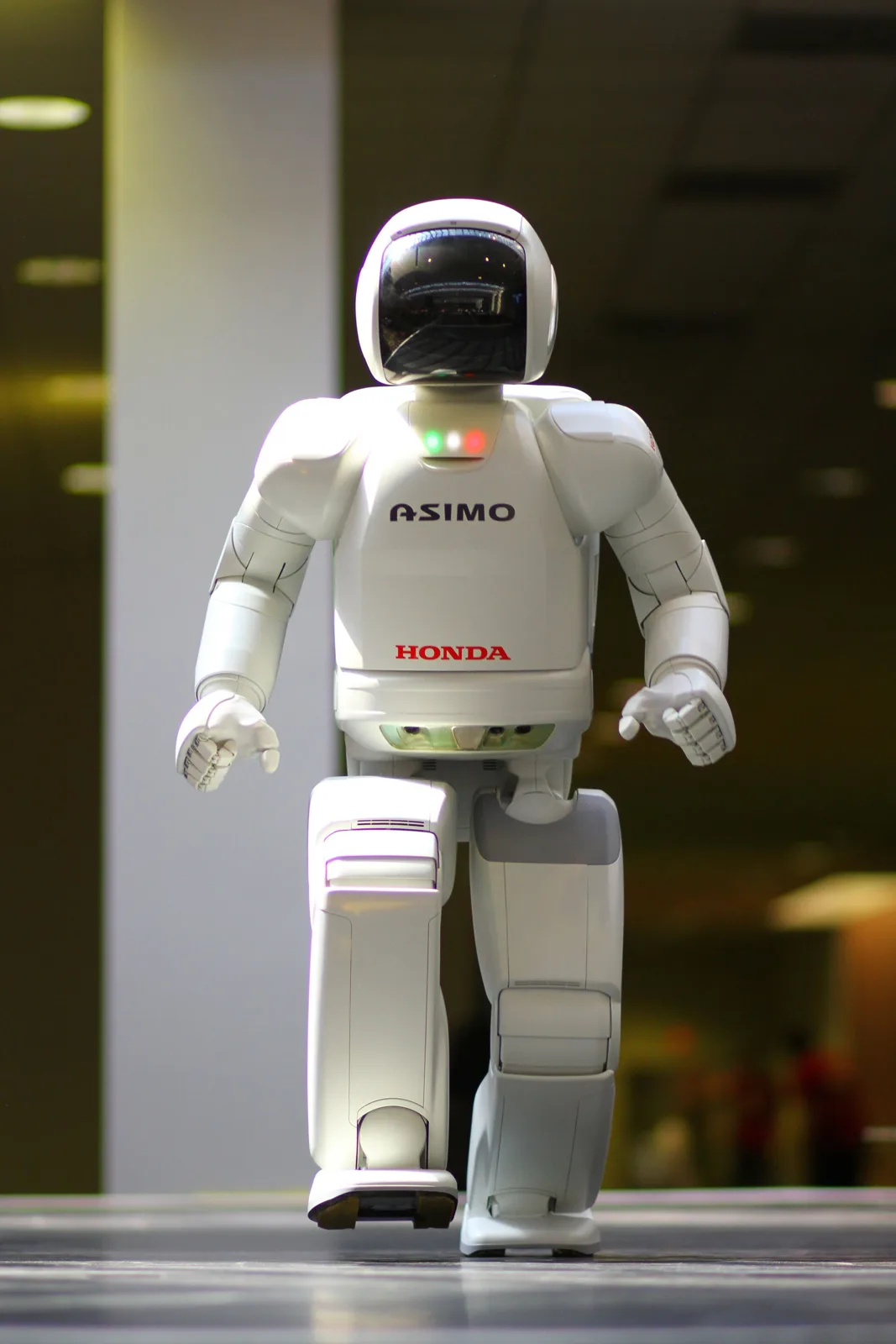
South Korea gave robot startup Robros a regulatory sandbox pass to put 20 bipedal humanoids at a chip plant, an auto parts plant, a shipyard and a logistics site, working in the same space as human workers.
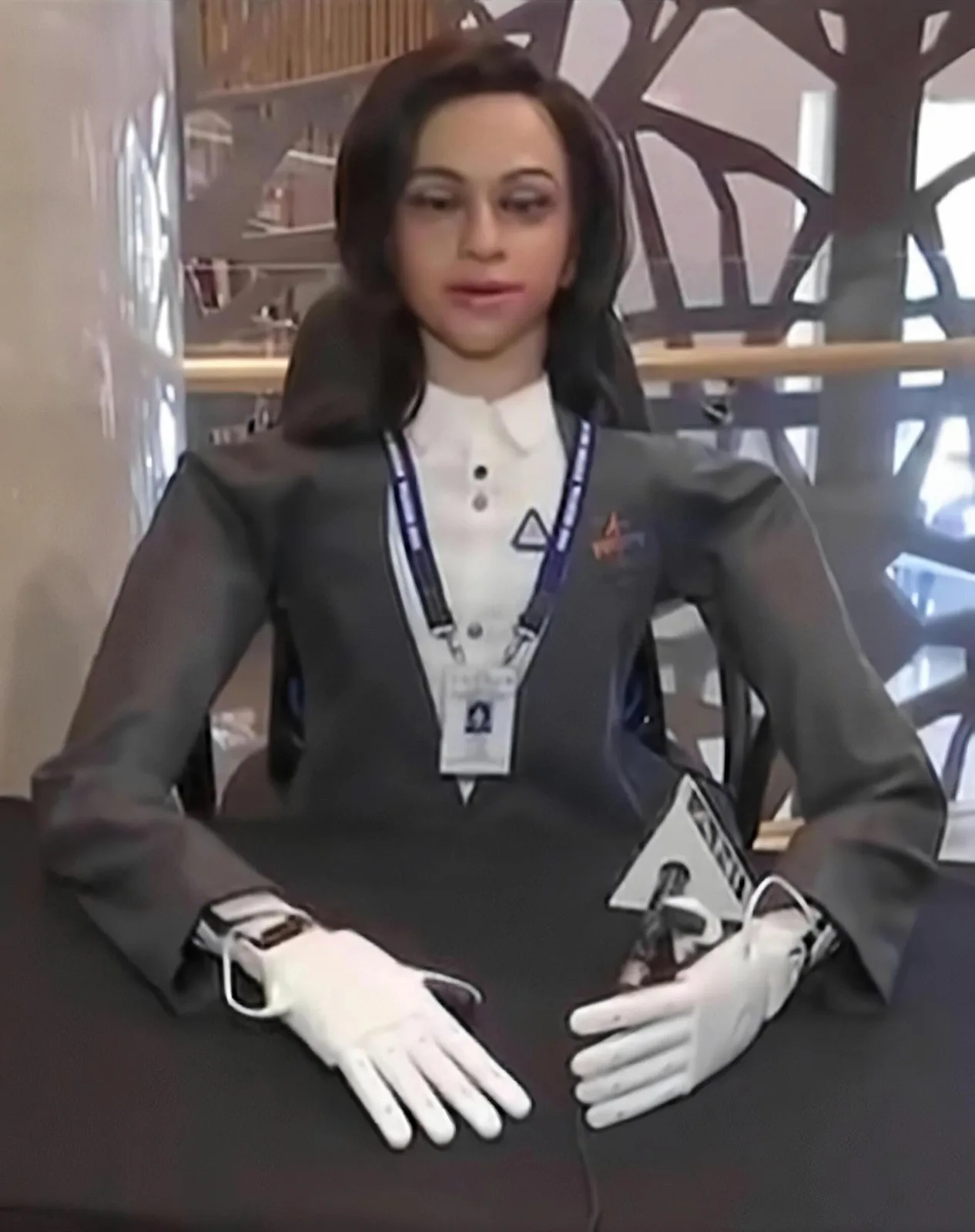
Pune startup Muks Robotics says ISRO picked it to build SPACEO Prime, a two legged humanoid robot meant to do space work. No mission, timeline or specs have been shared yet.
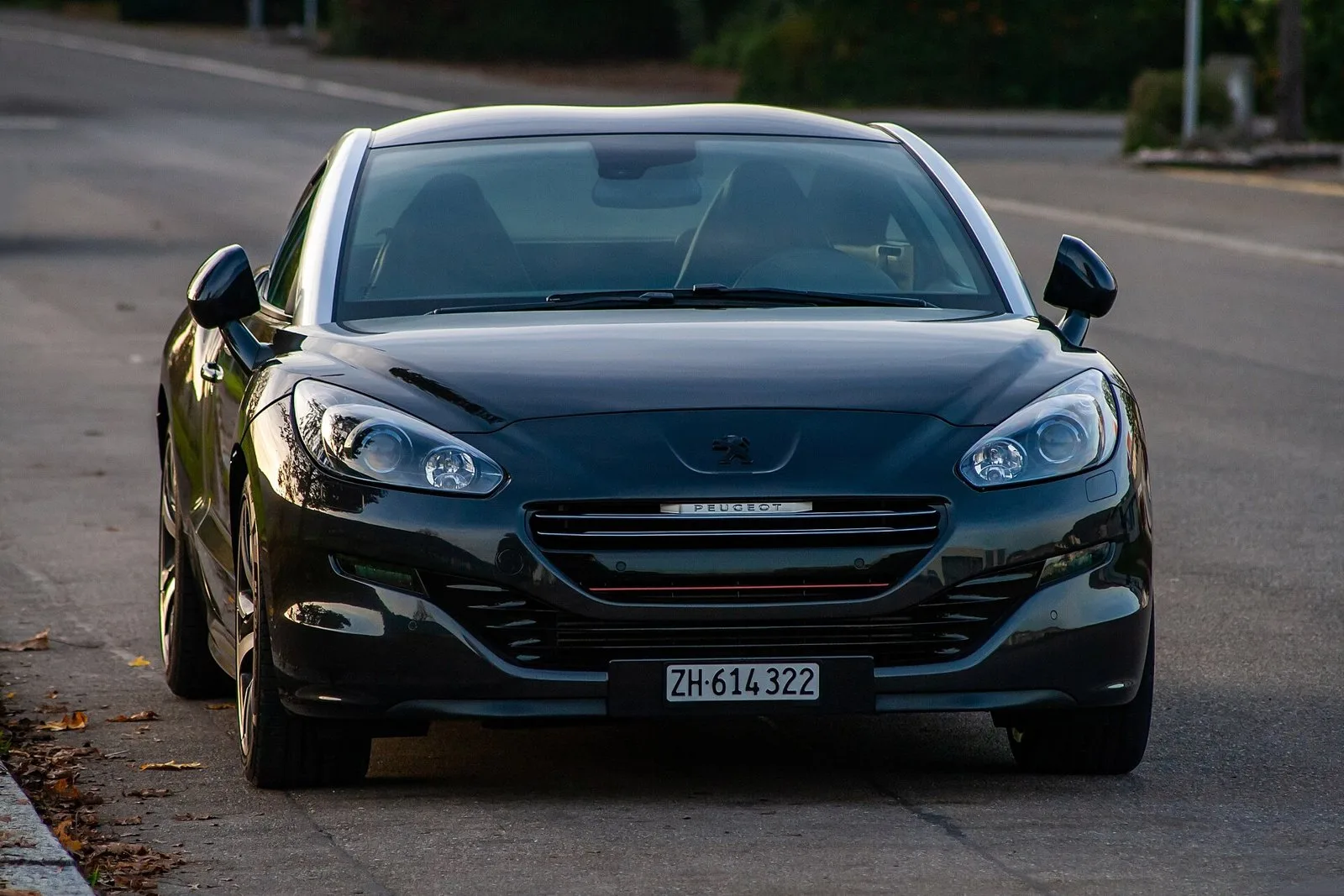
Peugeot's RCZ Vision concept uses a solid state battery built with Factorial Energy. It claims 10 to 80% in 10 minutes, 500 hp and about 600 km of range. It's not confirmed for production.
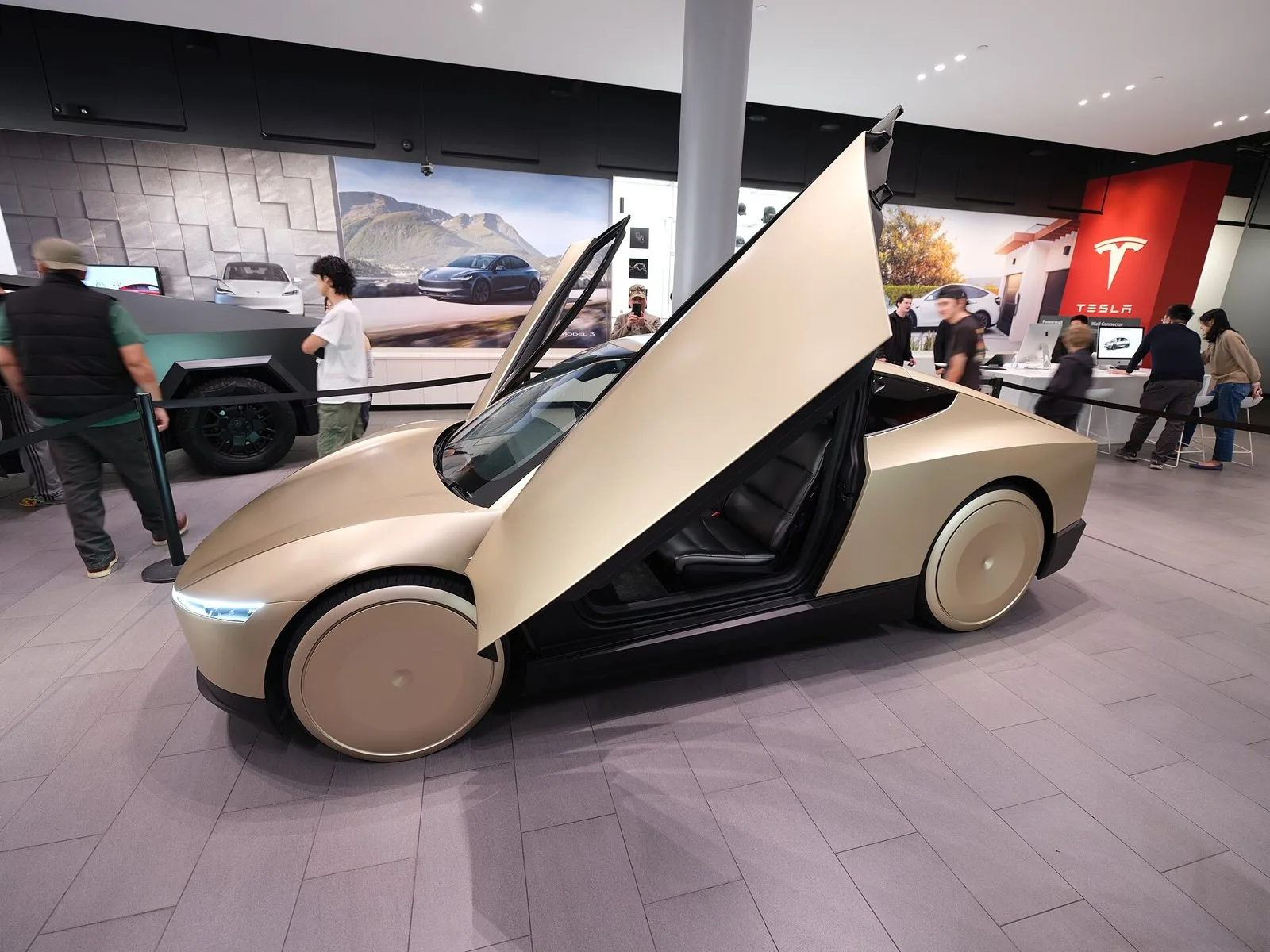
Tesla pulled the cover off a gold production Cybercab at the Paris Motor Show on Oct 12. It's the car's first public showing in Europe, but there's no European robotaxi service planned yet.

ProLogium and Rimac Technology showed a concept battery pack at the Paris Motor Show. A working segment is aimed for CES 2027, a full pack in late 2027 and road testing in late 2028.
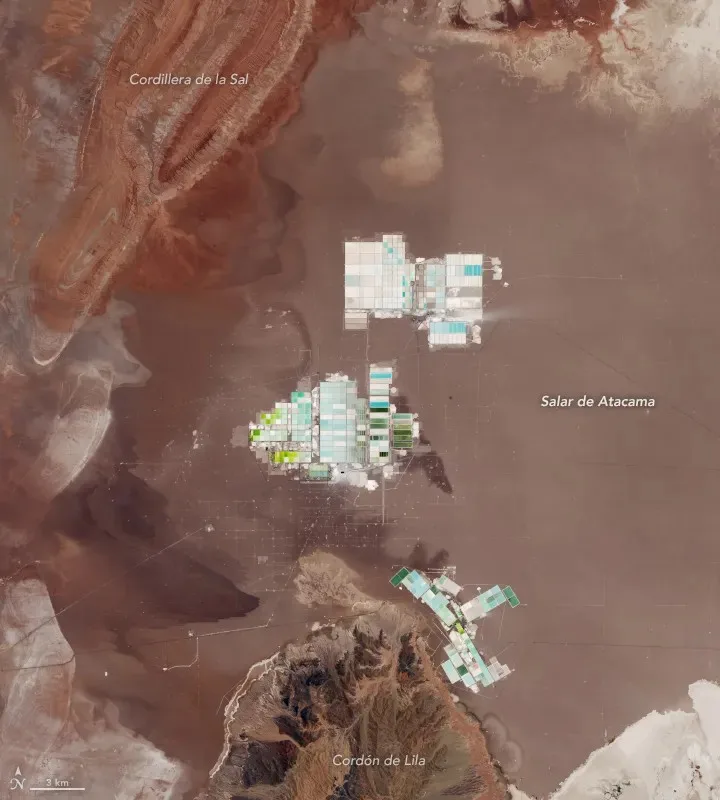
EnergyX signed a 10 year deal to sell 100,000 metric tons of battery grade lithium to commodity giant Trafigura, worth about $2 billion at today's prices, from projects in Chile and Texas.
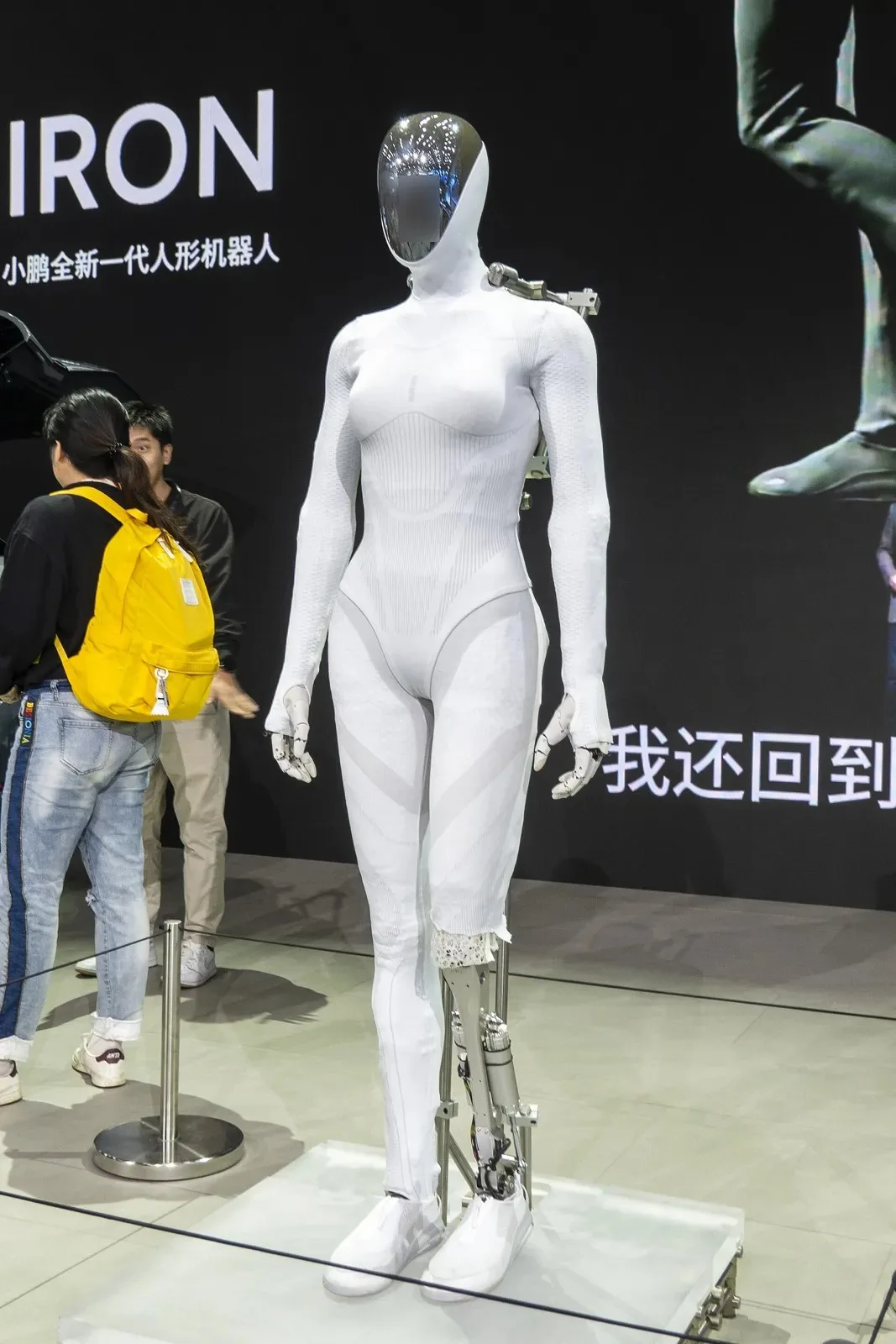
XPeng CEO He Xiaopeng laid out a timeline in Paris: IRON mass production in late 2026, deliveries in the first half of 2027, and a European rollout in the second half of 2027.
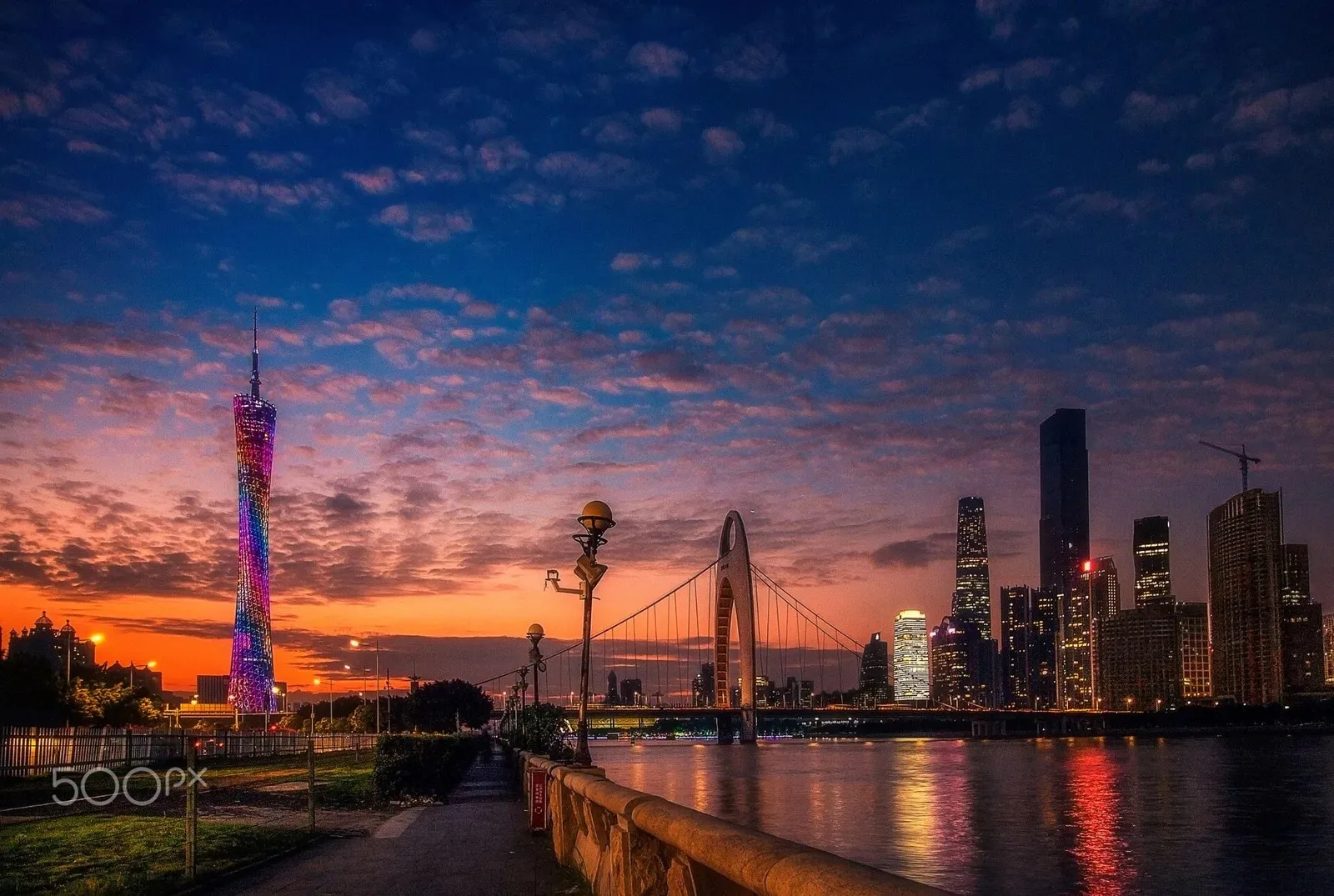
China's Guangdong province says it wants to make over 80,000 humanoid robots a year by 2028, with more than 3,000 already expected to be working in its factories this year.
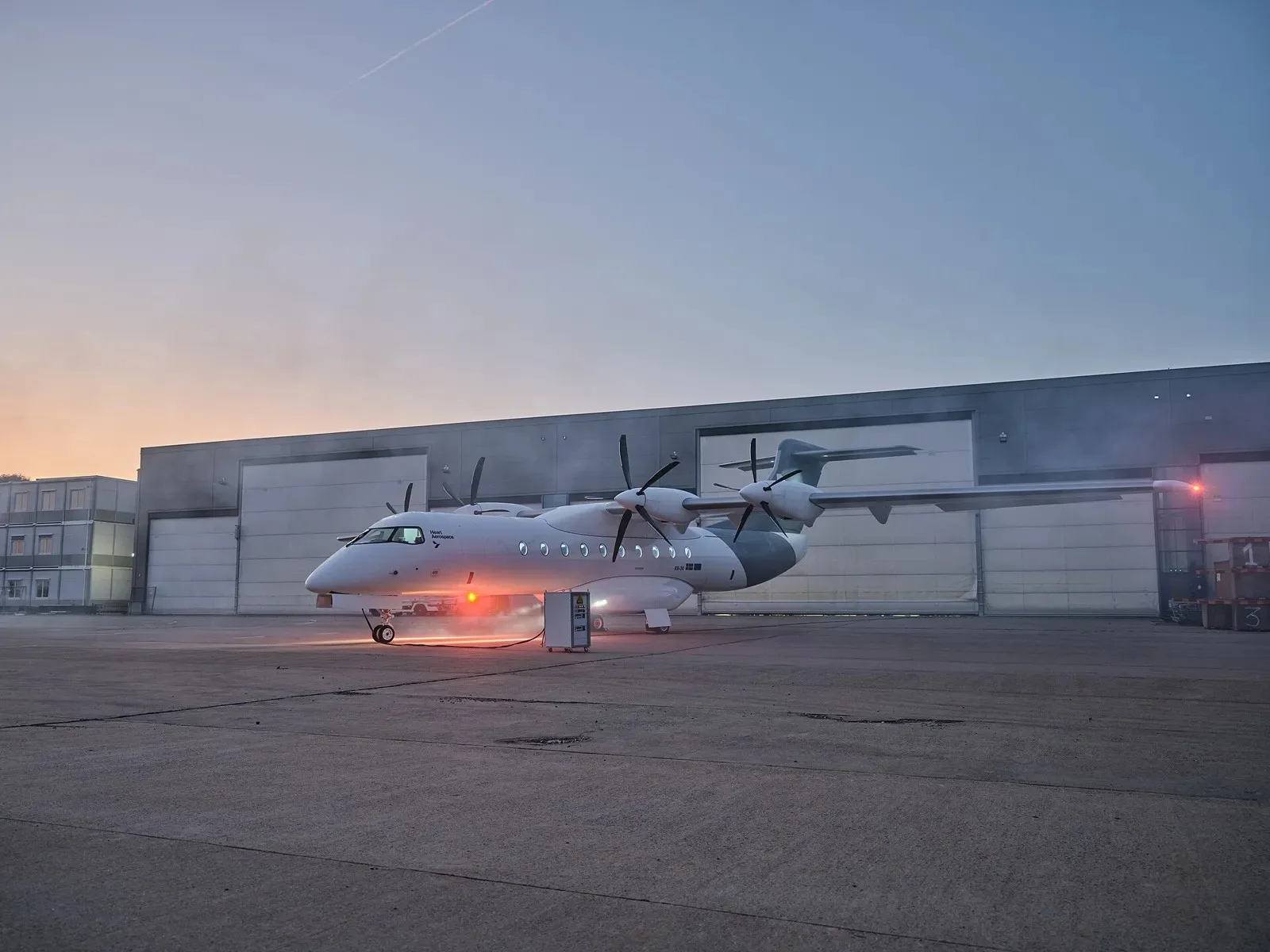
Heart Aerospace got a $2.9M FAA CLEEN award, matched to a $5.8M project, to build and test the turbogenerator for its ES-36 hybrid electric plane. Demo flights are aimed at 2028.
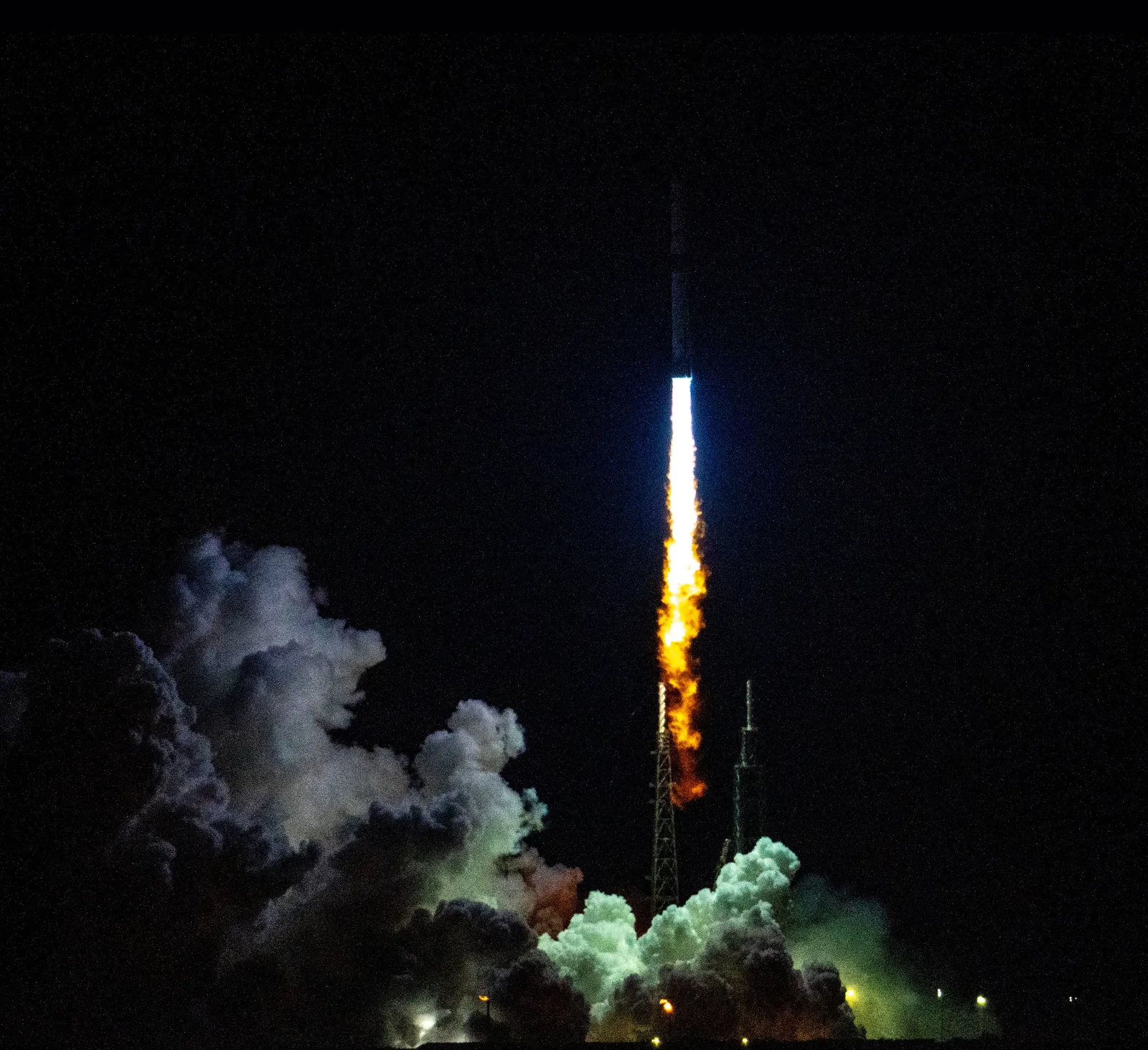
Blue Origin asked the FAA to raise its New Glenn cap at Cape Canaveral from 12 launches a year to 50. The FAA's draft review says no big environmental impact, and the public gets to weigh in until Oct. 30.
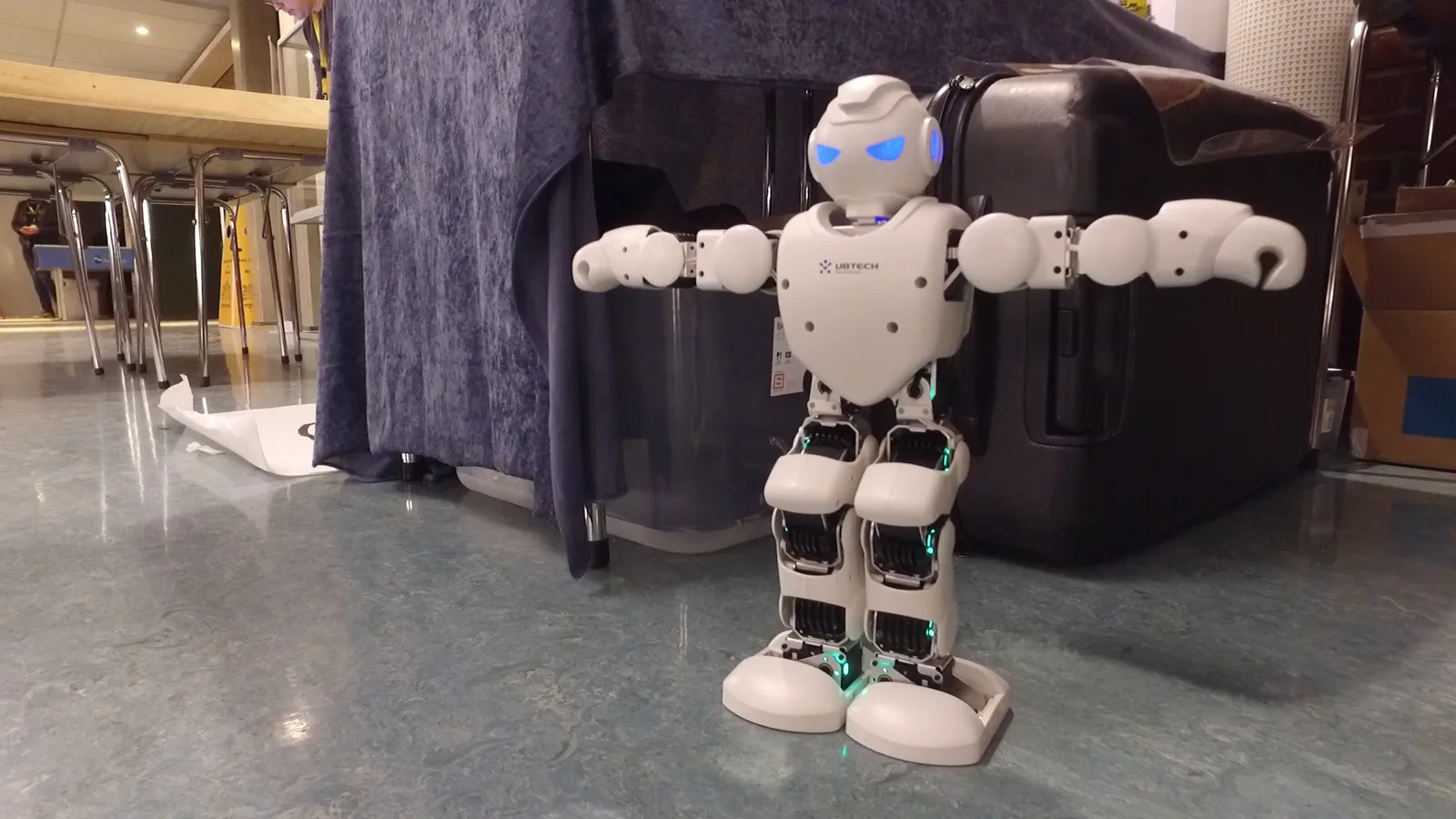
Chinese robot maker UBTECH signed a deal with Xiamen C&D to form a joint venture and sell at least 10,000 humanoid robots by 2030. The interesting part isn't the robots. It's who's selling them and how.
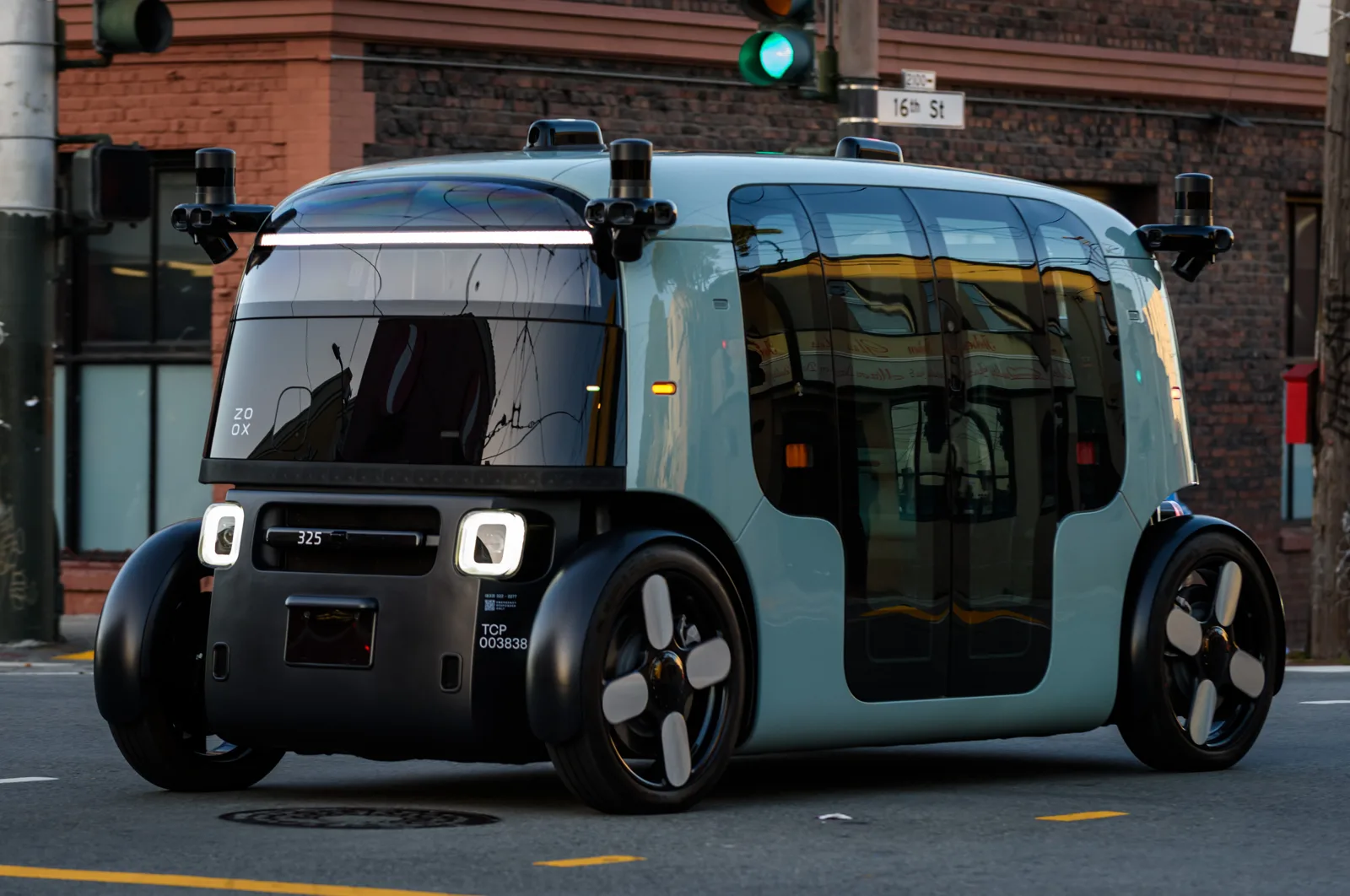
The NHTSA signed off on Hayward, California as Zoox's ninth approved area. Zoox's robotaxis, which have no steering wheel or pedals, can now run in nine areas with a fleet cap that can grow to 1,000.
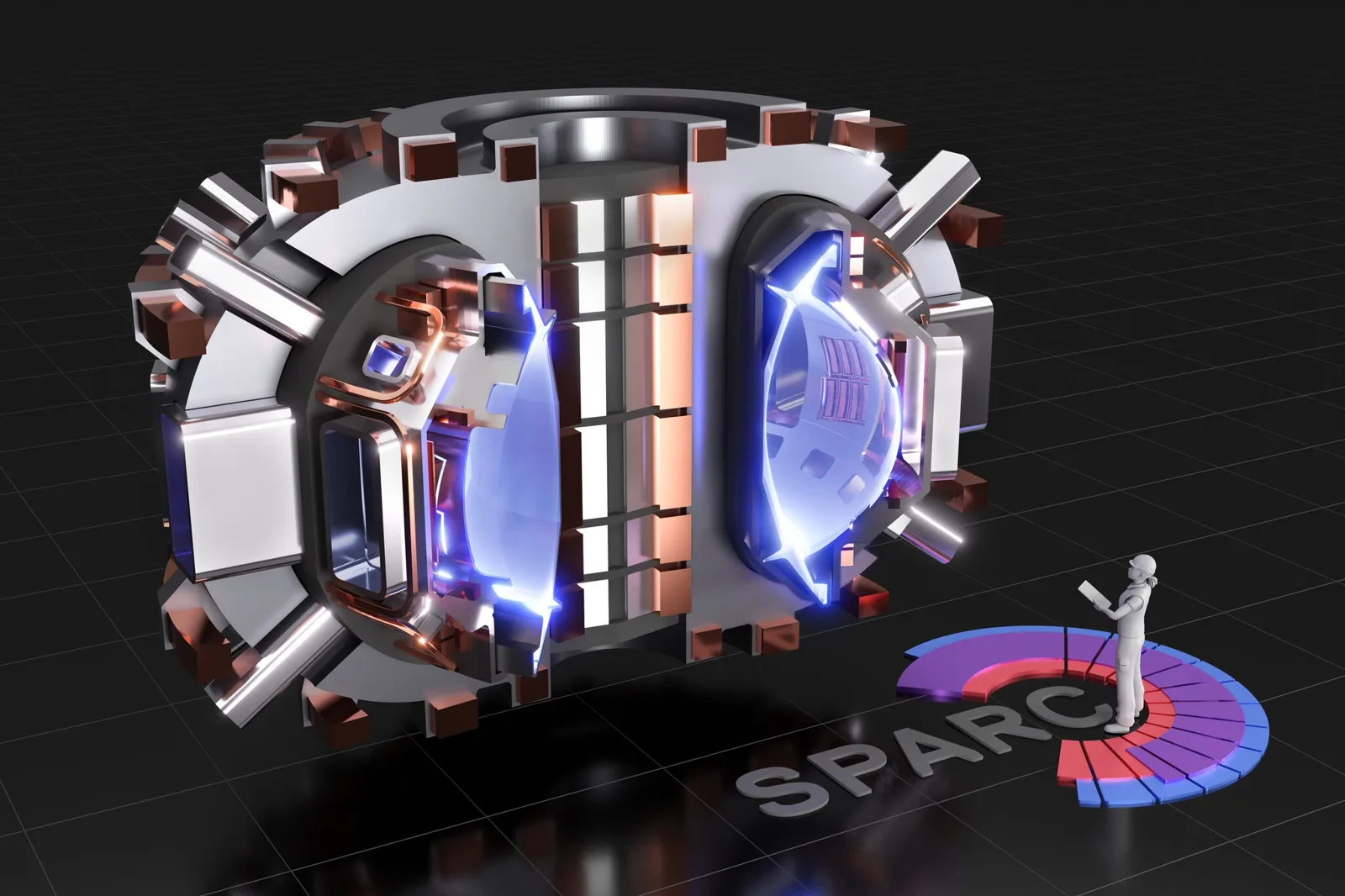
The Department of Energy picked Commonwealth Fusion Systems to lead a project building a digital twin of SPARC, its fusion machine in Massachusetts. Google DeepMind, NVIDIA and four national labs are on the team.
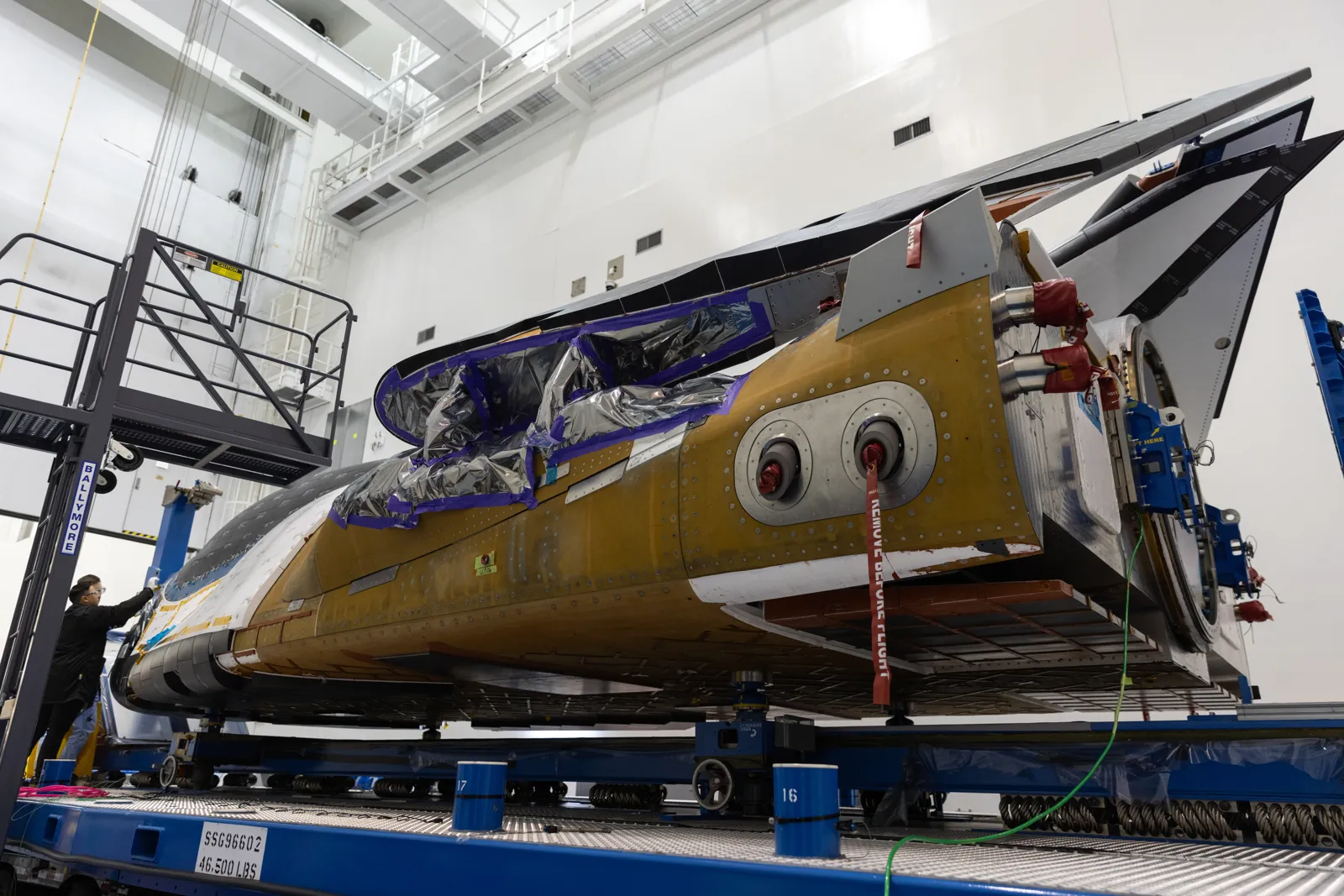
Sierra Space dropped its 10-ton Ghost reentry vehicle from 68,500 feet over Utah with a radio and a bottle of whiskey inside. Both came back fine, and it landed within 100 meters of its target.
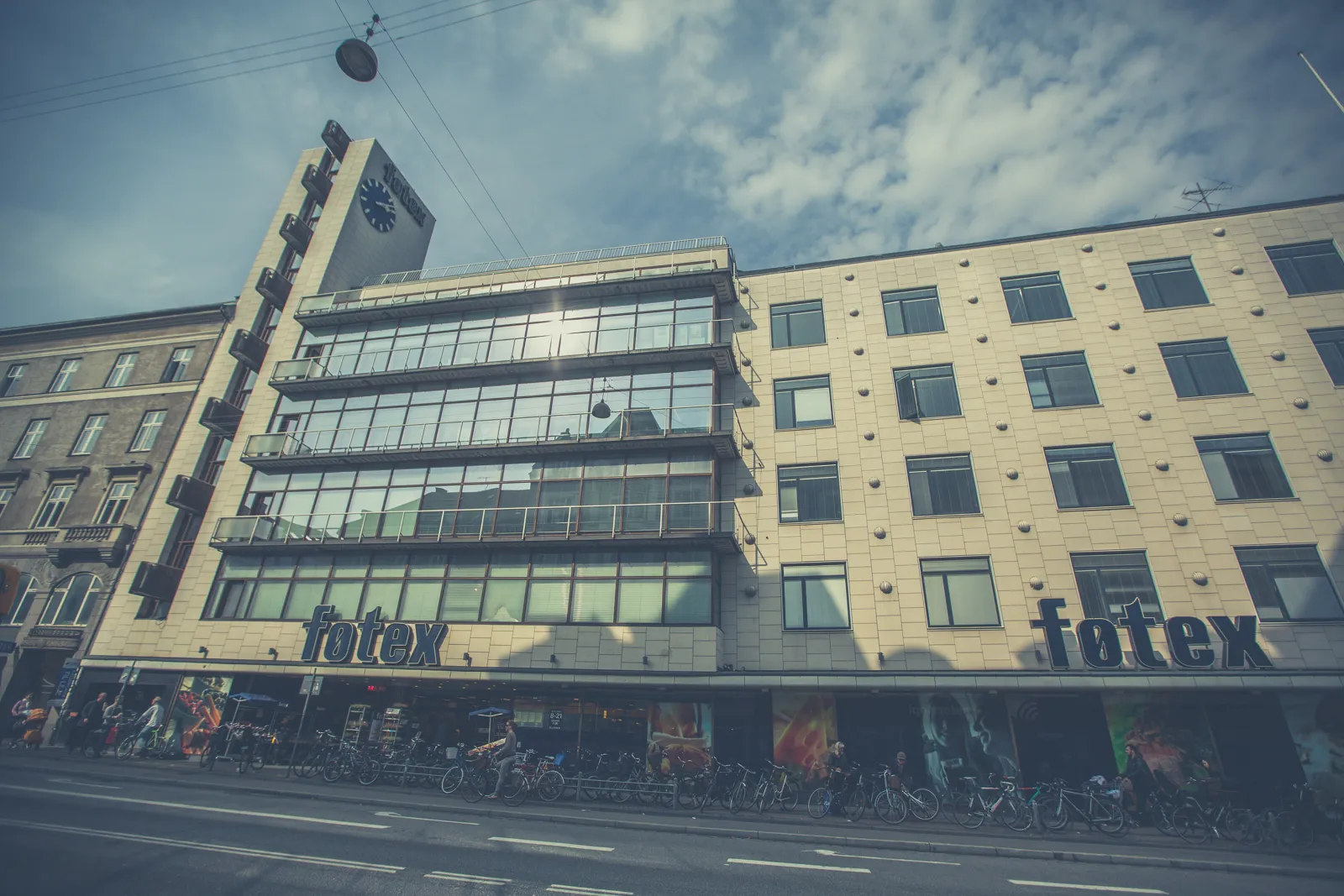
HIVE Robots has humanoids stocking shelves at Denmark's føtex after closing time. New AP and Euronews footage this weekend shows them at work, with the goal of running the night shift on their own by early 2027.
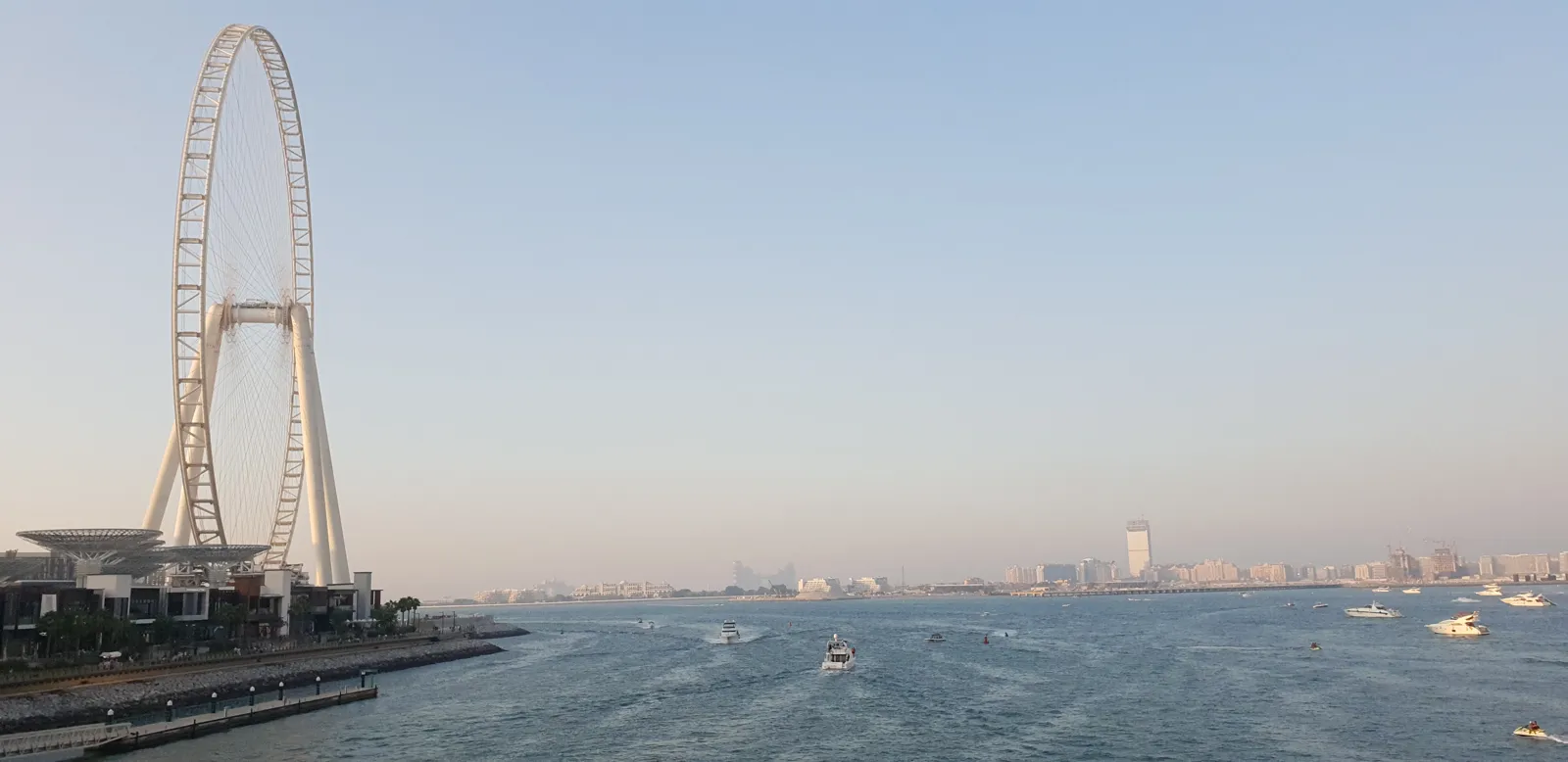
Dubai's RTA kicked off a four-week trial of Glydways on Bluewaters Island. Small self-driving electric pods ride on narrow private lanes, link up less than a second apart, and are pitched to move 20,000 people an hour.
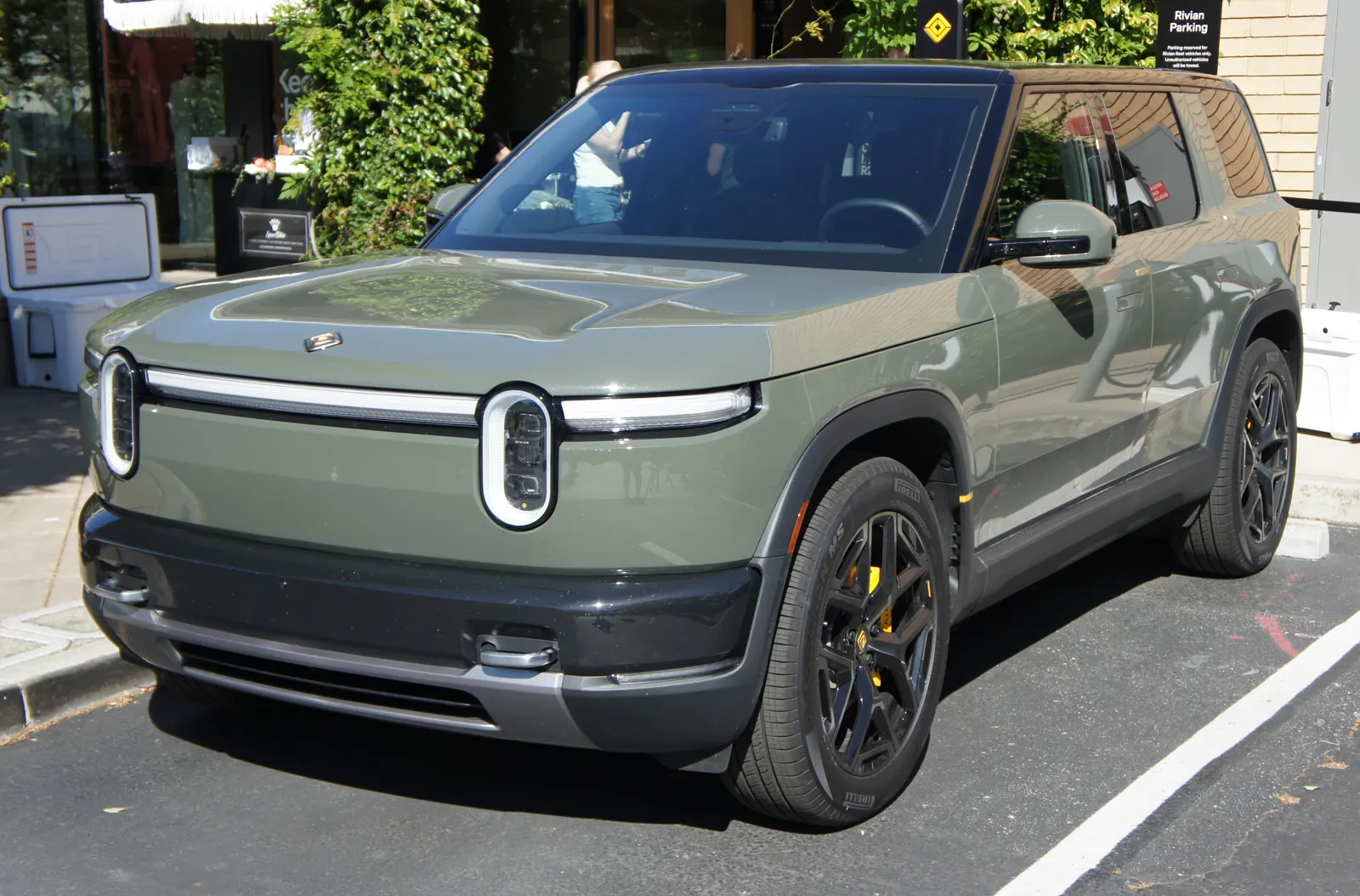
A year after the federal EV tax credit ended and sales crashed, Tesla and Rivian both beat Q3 estimates. Dealers say buyers are coming back, and inventories have shrunk from 180 days to 78.
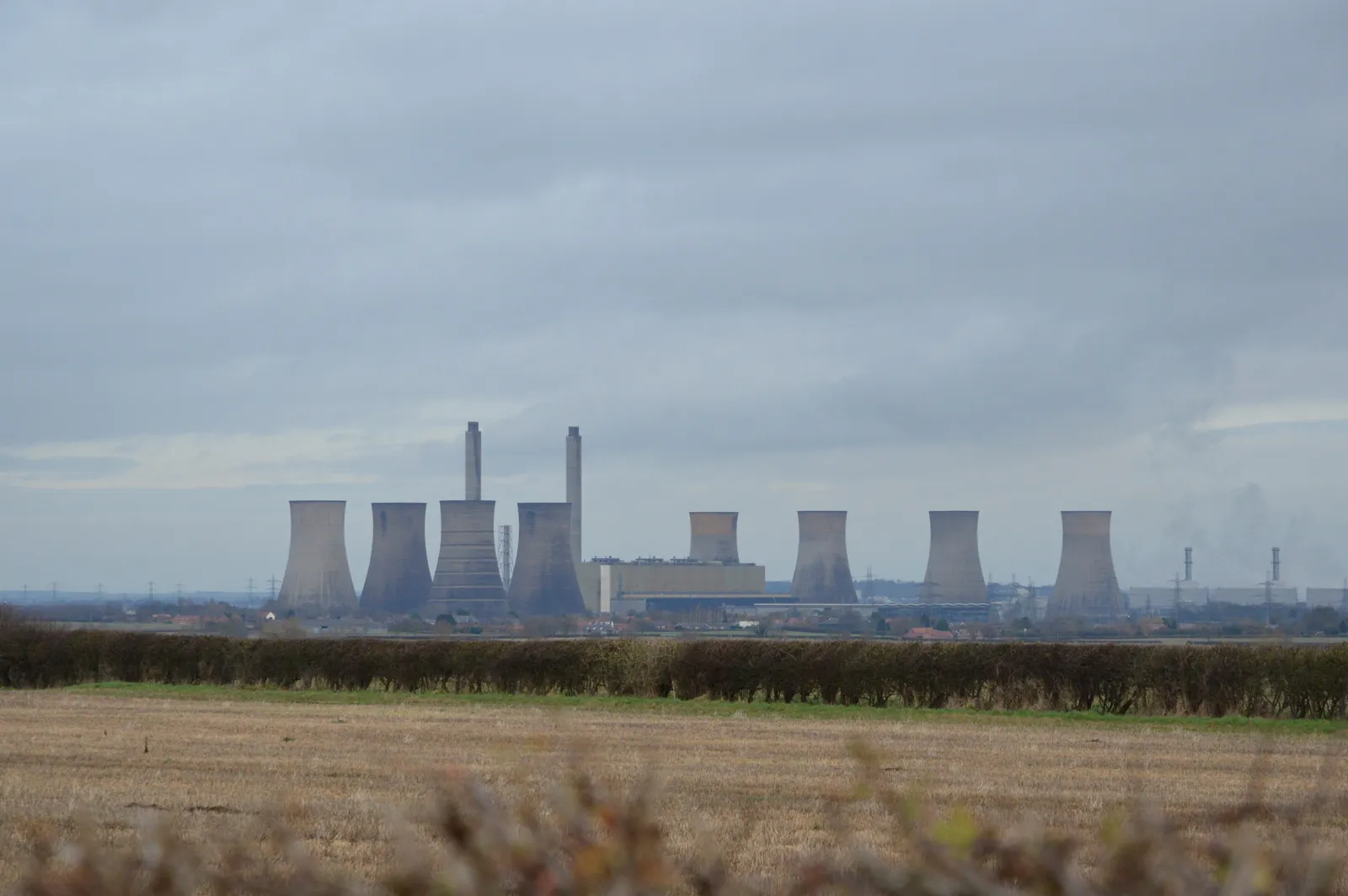
The UK approved RES's Steeple Renewables Project in Nottinghamshire, right next to the old West Burton coal plant. It pairs solar and batteries with up to 600 MW of grid connection, enough for about 180,000 homes.
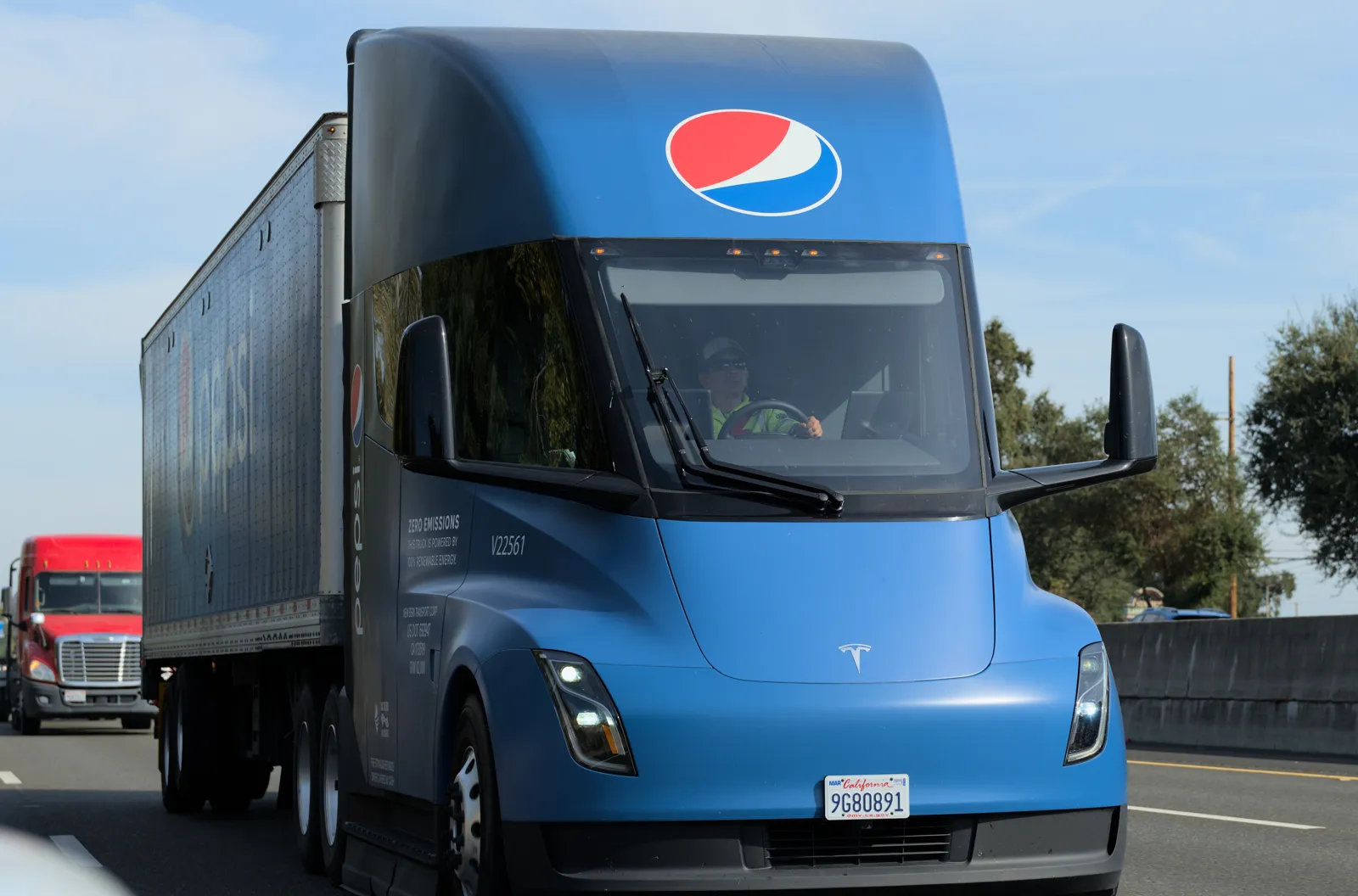
EV Realty bought a site in Ontario, California for its next electric big rig charging hub. Once it's built, the company will have 27 MW of truck charging between the ports of LA and Long Beach and the Inland Empire.
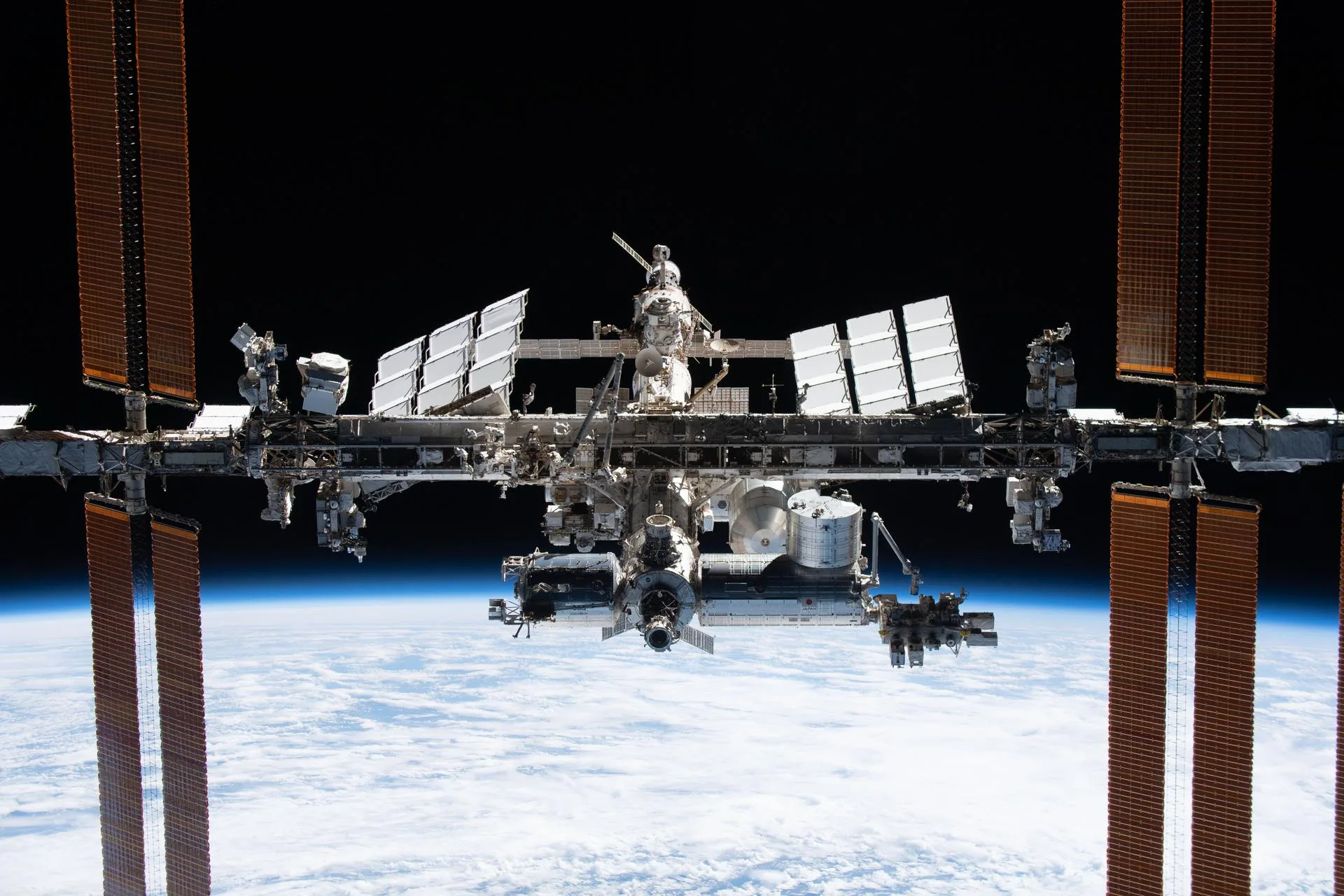
NASA released its final call for private space stations to succeed the ISS. Proposals are due Dec. 8, NASA plans to pick two or more companies, the contract guarantees at least $100 million, and its ceiling is over $34 billion.
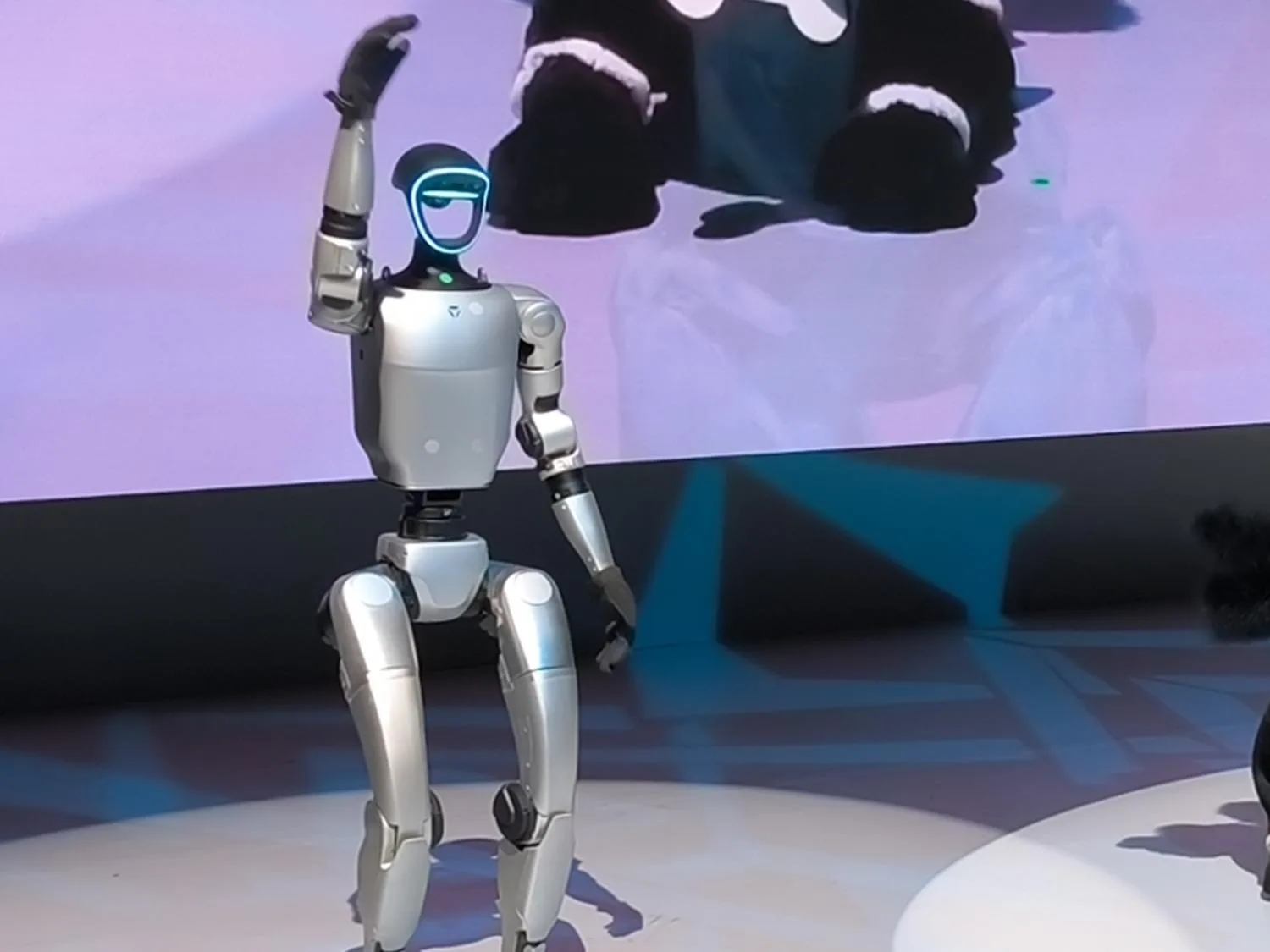
GMO AI & Robotics put a dedicated 'humanoid ambulance' on Tokyo's roads. It carries an engineer, parts, diagnostic gear, and a spare robot, so a broken humanoid gets fixed or swapped on the spot.
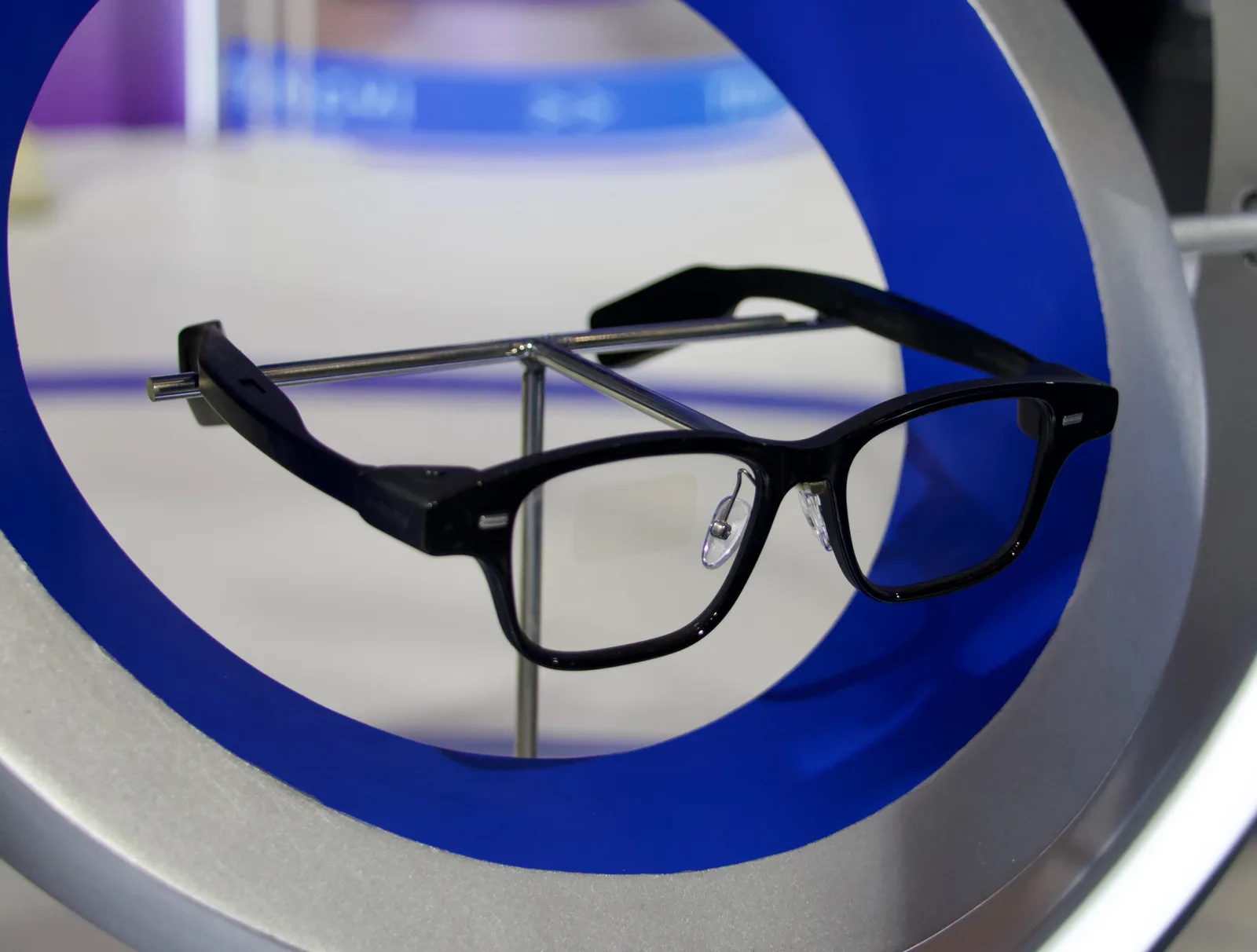
Alibaba's Qwen Glasses N1 and N1 Pro go on sale in China on Oct. 13. The N1 Pro tracks where you look and can verify a payment by scanning your iris, tied into Alipay.
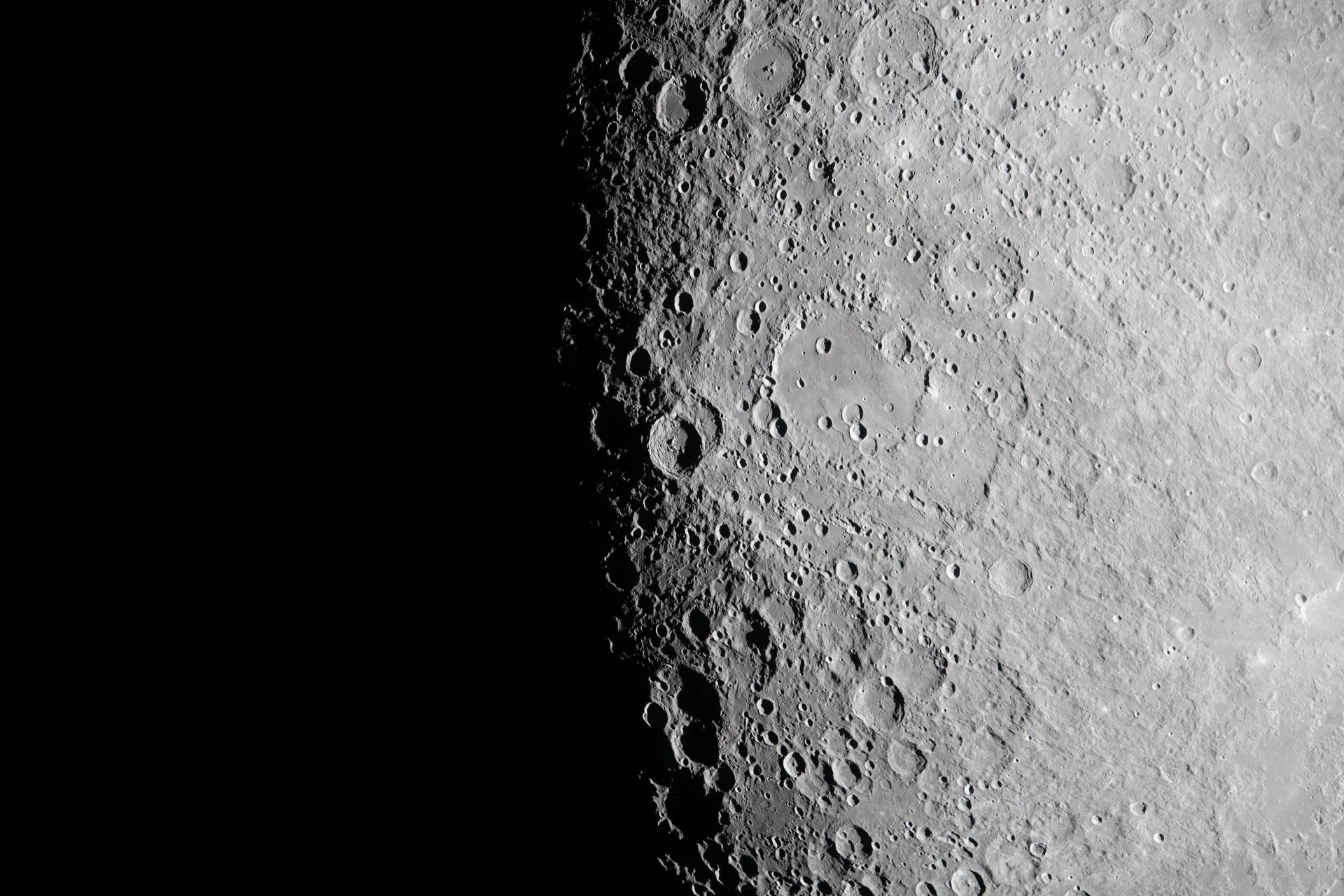
NASA just dumped more than 800 GB of Artemis II data online, with 11,000+ photos and videos and 8.5 hours of crew audio. The headline: the crew saw five tiny impact flashes on the far side of the Moon, likely the faintest ever seen with the naked eye.
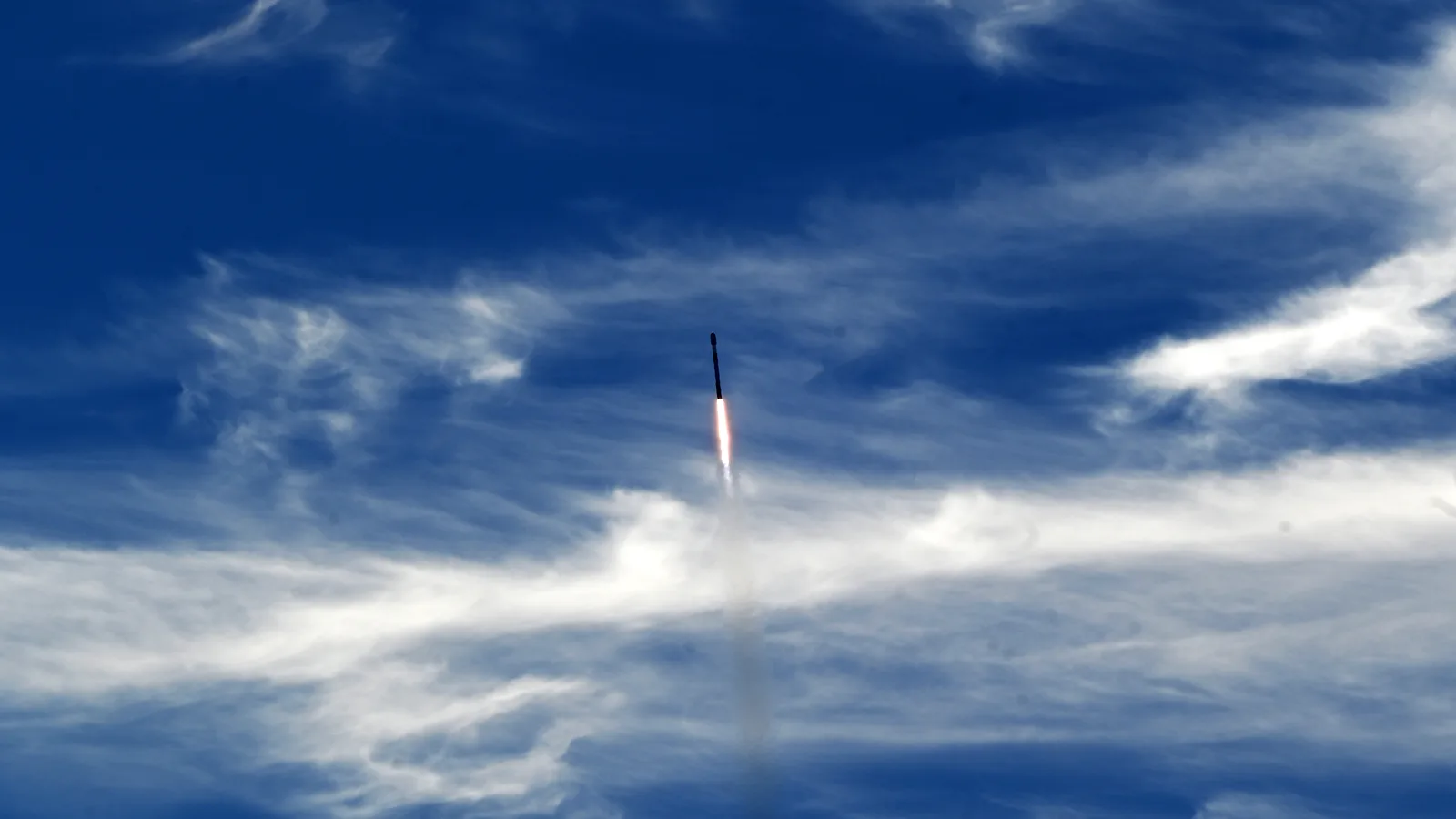
SpaceX agreed to buy nationwide 800 MHz spectrum from Grain Management, a deal the WSJ put at $8 billion. The low band signal goes through walls, and Verizon, AT&T, and T-Mobile stocks fell 10 to 13 percent on Friday.
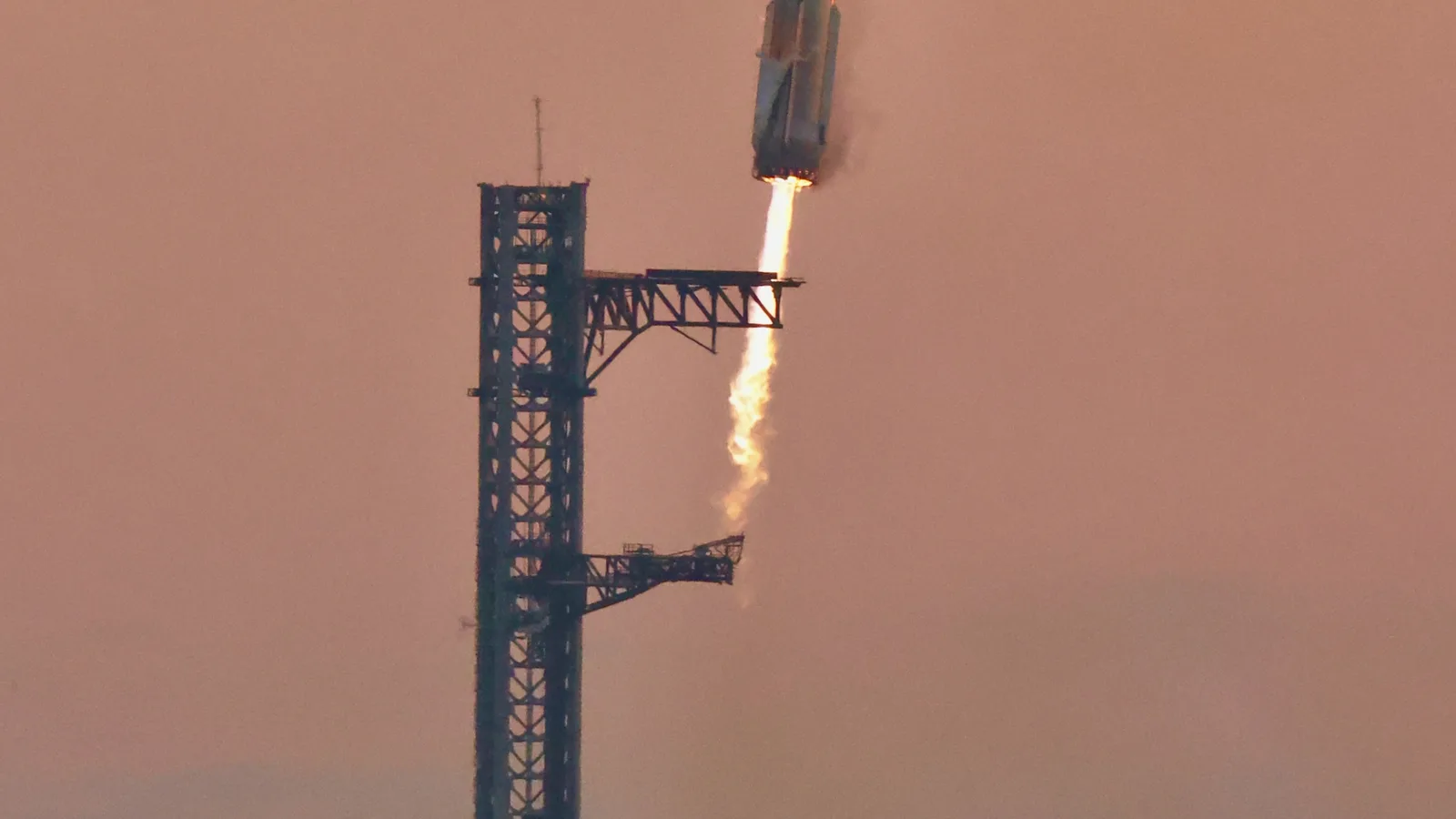
Speaking at X Takeover at Giga Texas on Saturday, Elon Musk said Starship Flight 15 is hopefully 4 to 6 weeks out, likely before Thanksgiving, and will try to catch the upper stage for the first full recovery of an orbital class rocket.
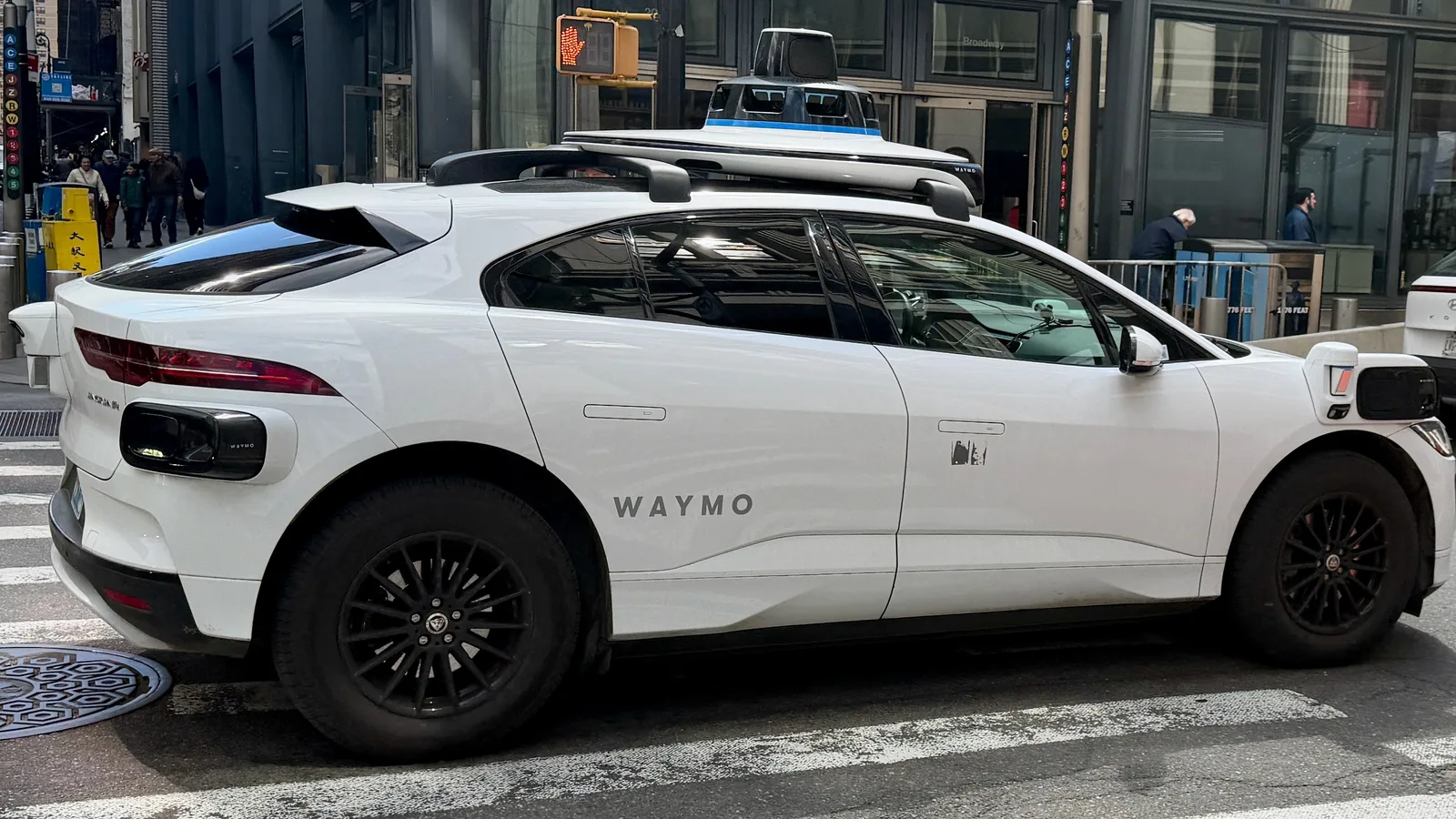
Waymo closed a $5 billion term loan, its first ever debt deal, with PIMCO, Blackstone, and Sixth Street leading. It started out looking for about $3 billion and lenders wanted more.
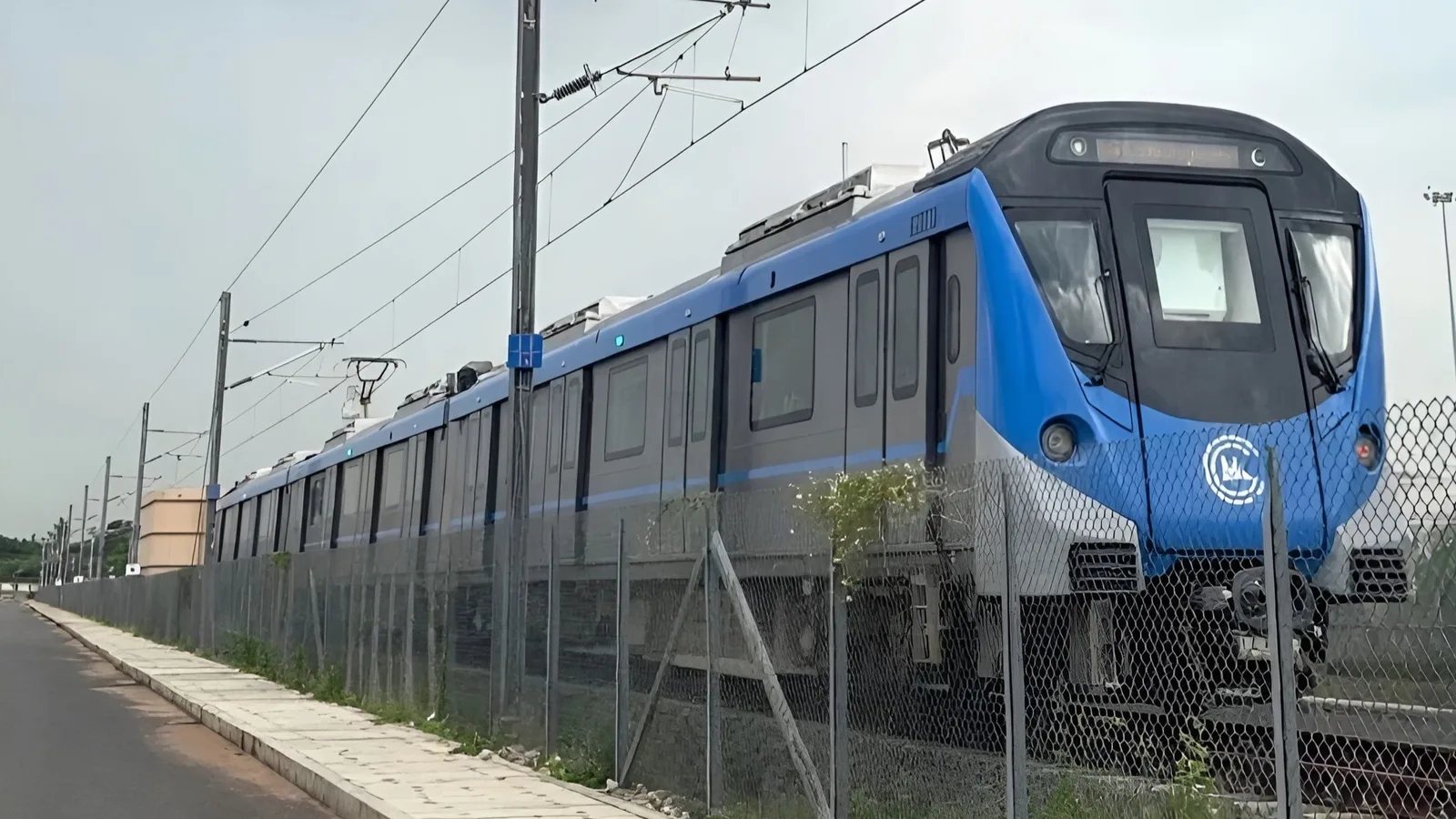
The first 15 km stretch of Chennai Metro Phase 2 opened Sunday, from Poonamallee to Vadapalani with 11 stations and a 3.7 km double decker viaduct. The trains are built to run with no driver, but staff stay onboard until mid 2027.
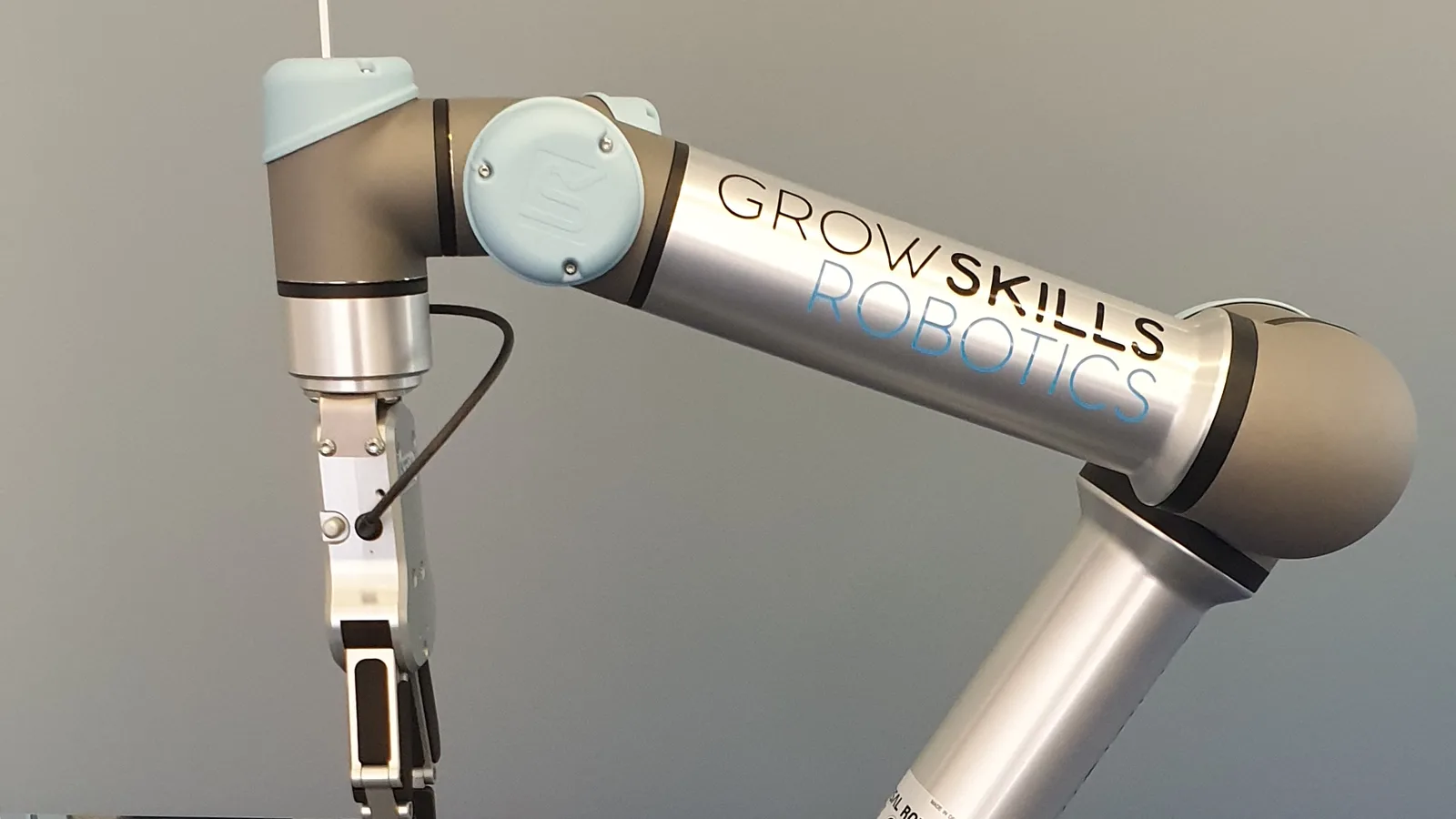
Brooklyn startup Ultra raised a $50 million Series A for its packing robot, which installs in hours on a normal 120 volt outlet. Warehouses rent it monthly, and it has already packed over 500,000 orders.
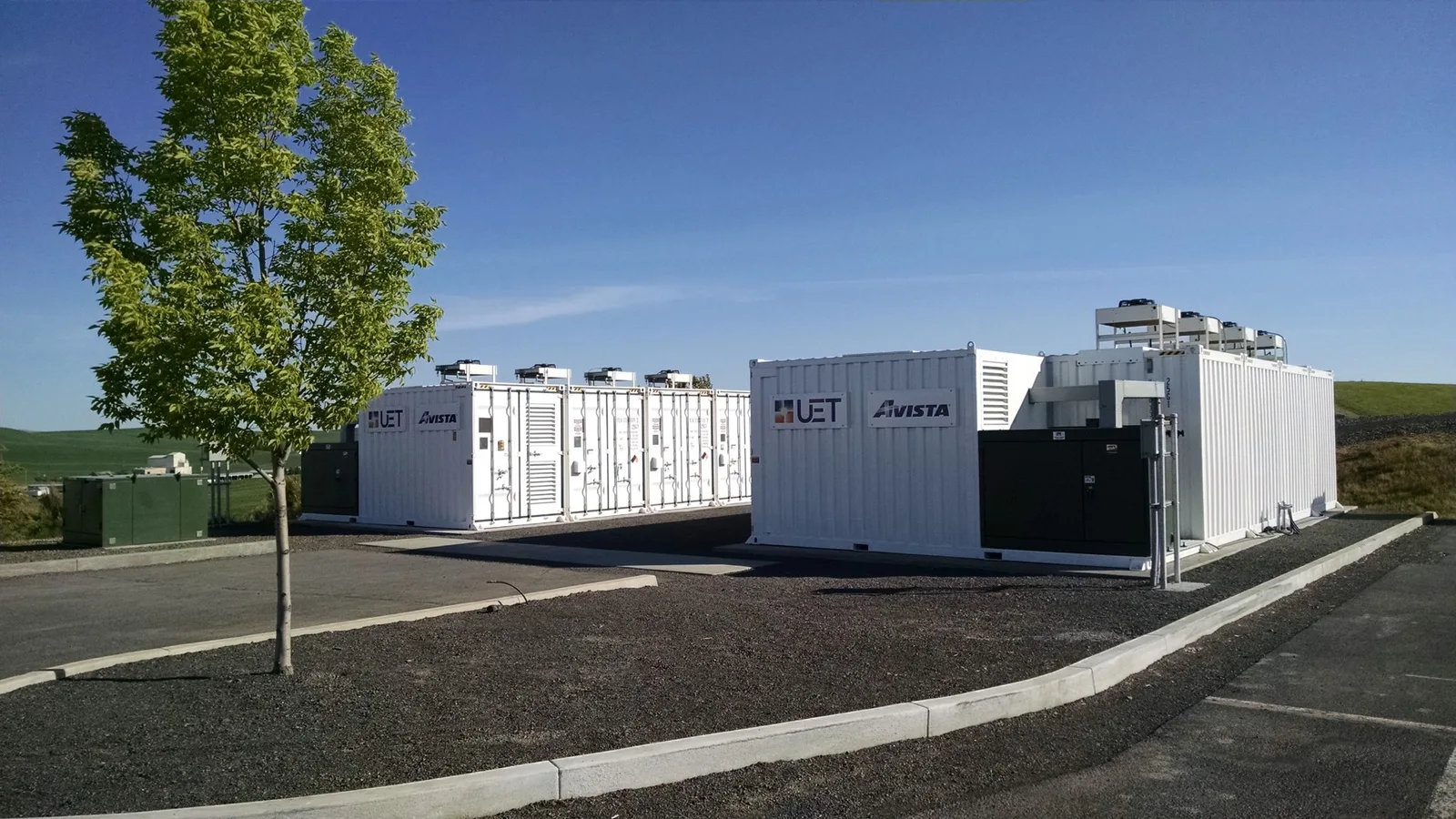
ENGIE Chile switched on BESS Lile, a 142 MW, 802 MWh battery at its Mejillones energy complex. It can run for five hours, cost $174 million, and was built on land and wiring meant for more fossil fuel plants.
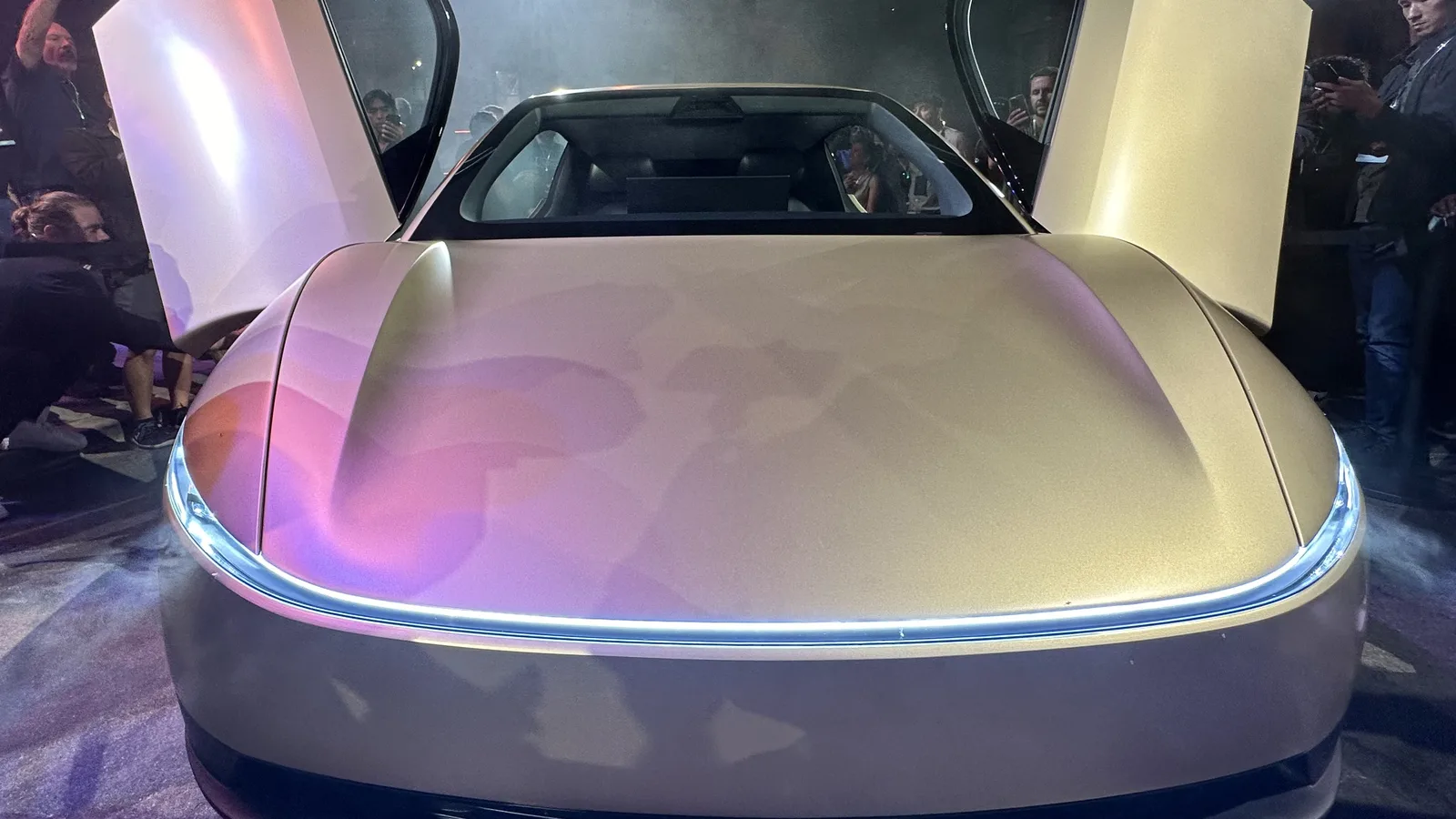
Exactly two years after the Cybercab was unveiled, Tesla's Robotaxi account says more than 300 of them now serve Austin, an 8x jump in 30 days. Tesla's head of AI software says Dallas is next.
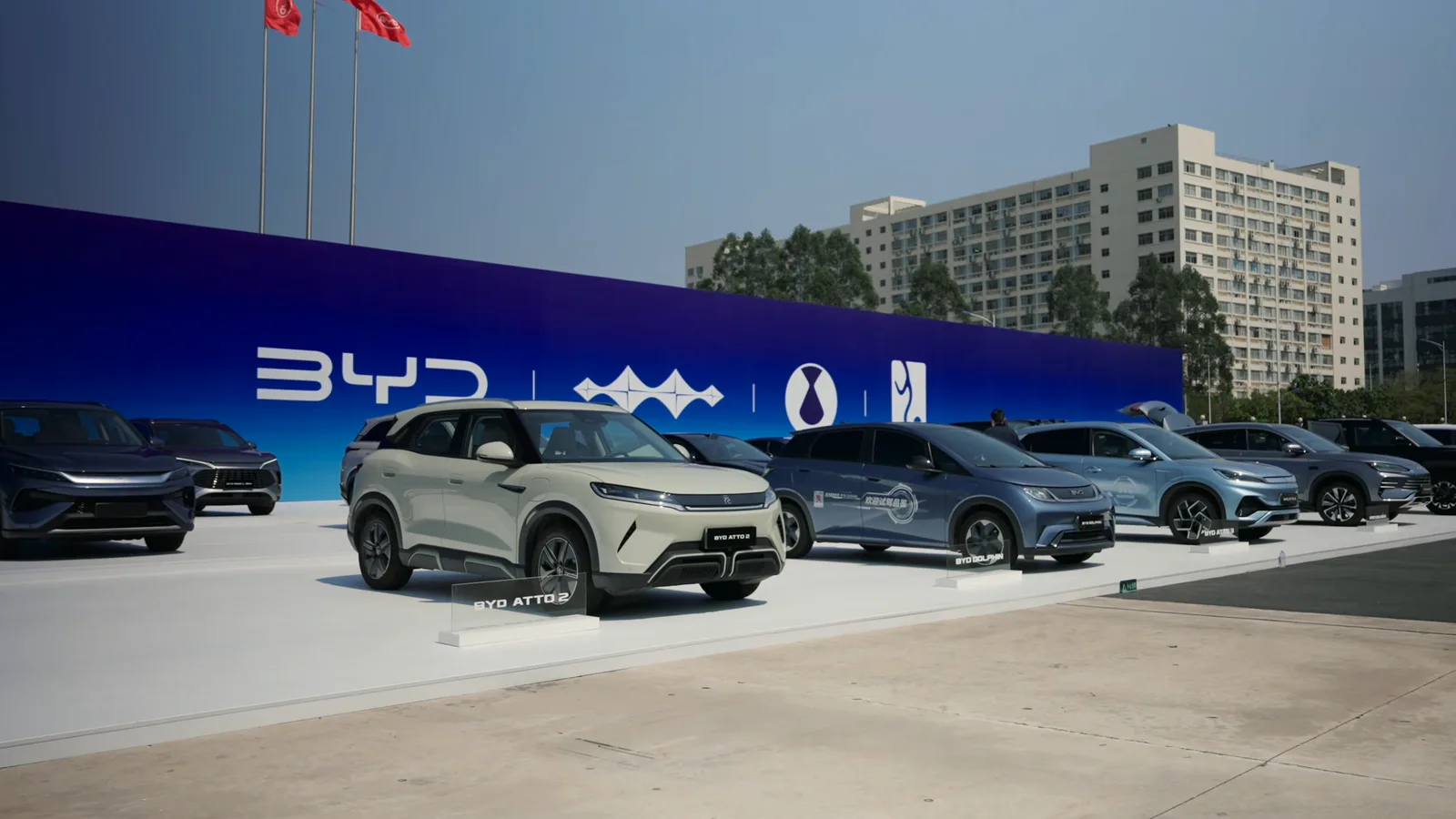
China published a BYD design patent for an 'embodied intelligence robot' on Oct. 9, the first official look at the world's biggest EV maker's own humanoid. BYD wants two to three in every dealership.
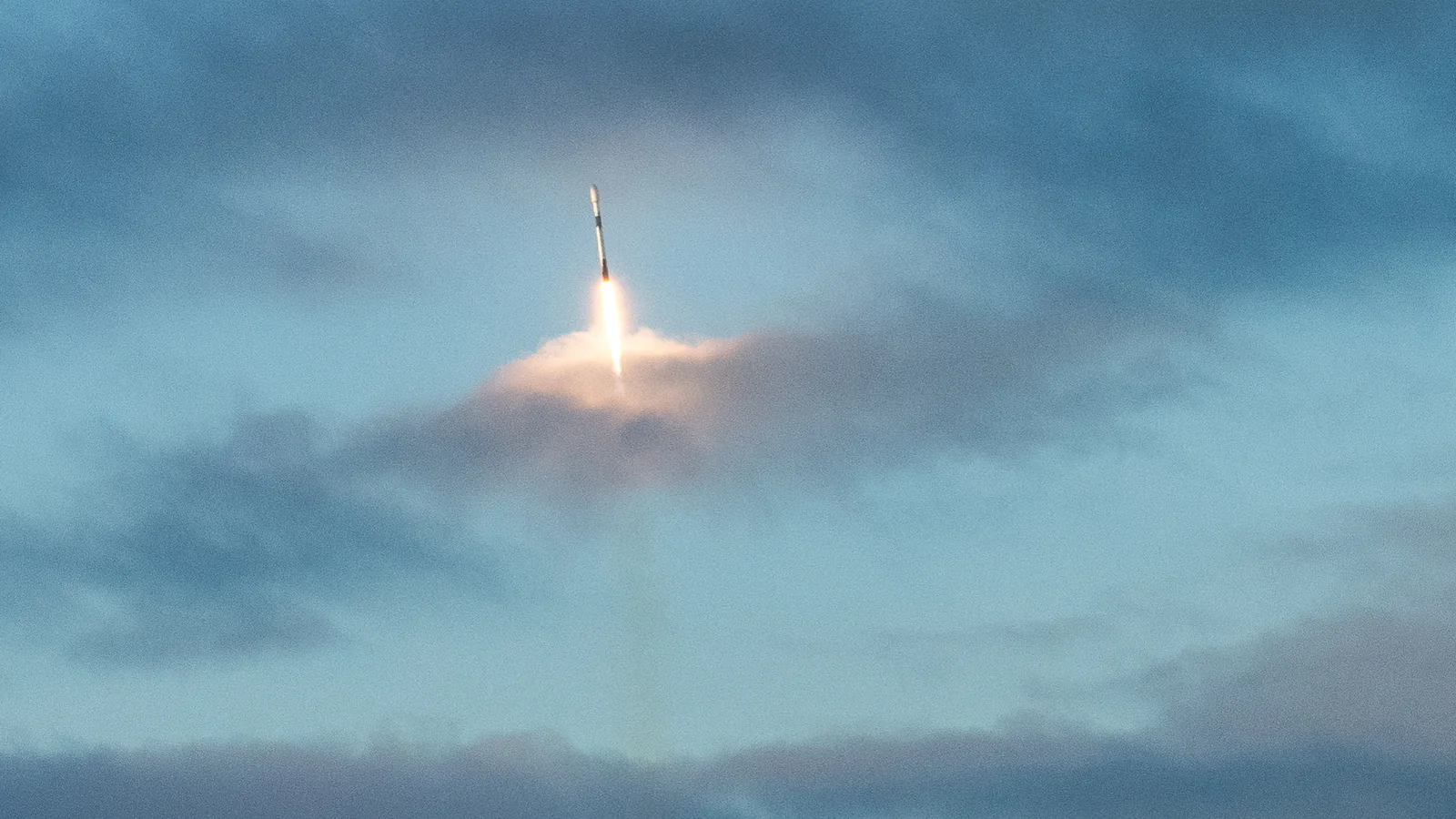
Five days after a last-minute abort, Falcon 9 launched 21 Northrop Grumman satellites for the Space Development Agency early Oct. 10. That makes 84 of 126 Tranche 1 data satellites now in orbit.
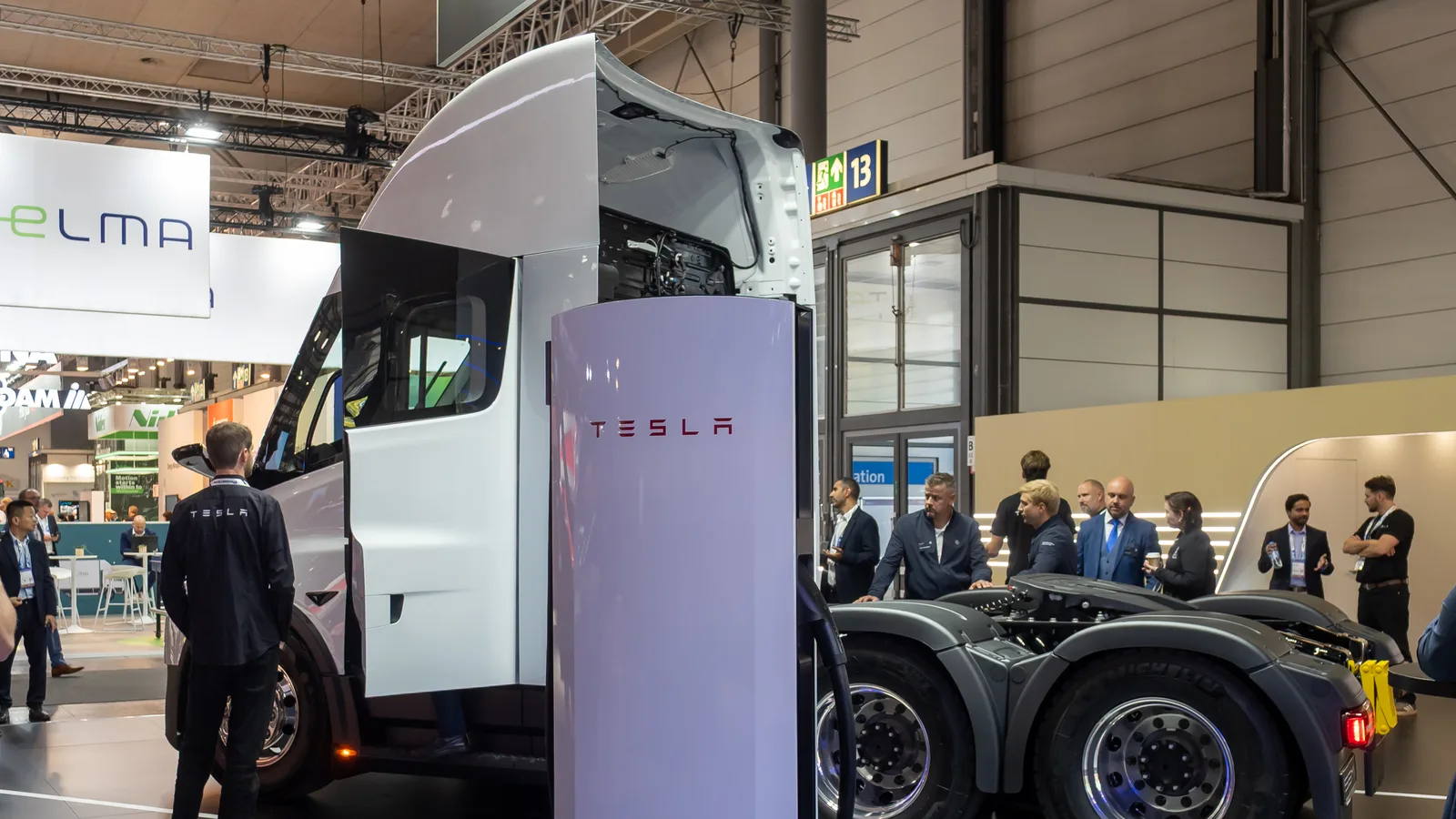
Tesla opened Semi Megacharger stations near Atlanta and Savannah, 220 miles apart, including the first one at a Pilot truck stop. A 325 mile Semi can now run the Savannah port to Atlanta lane and back on electricity.
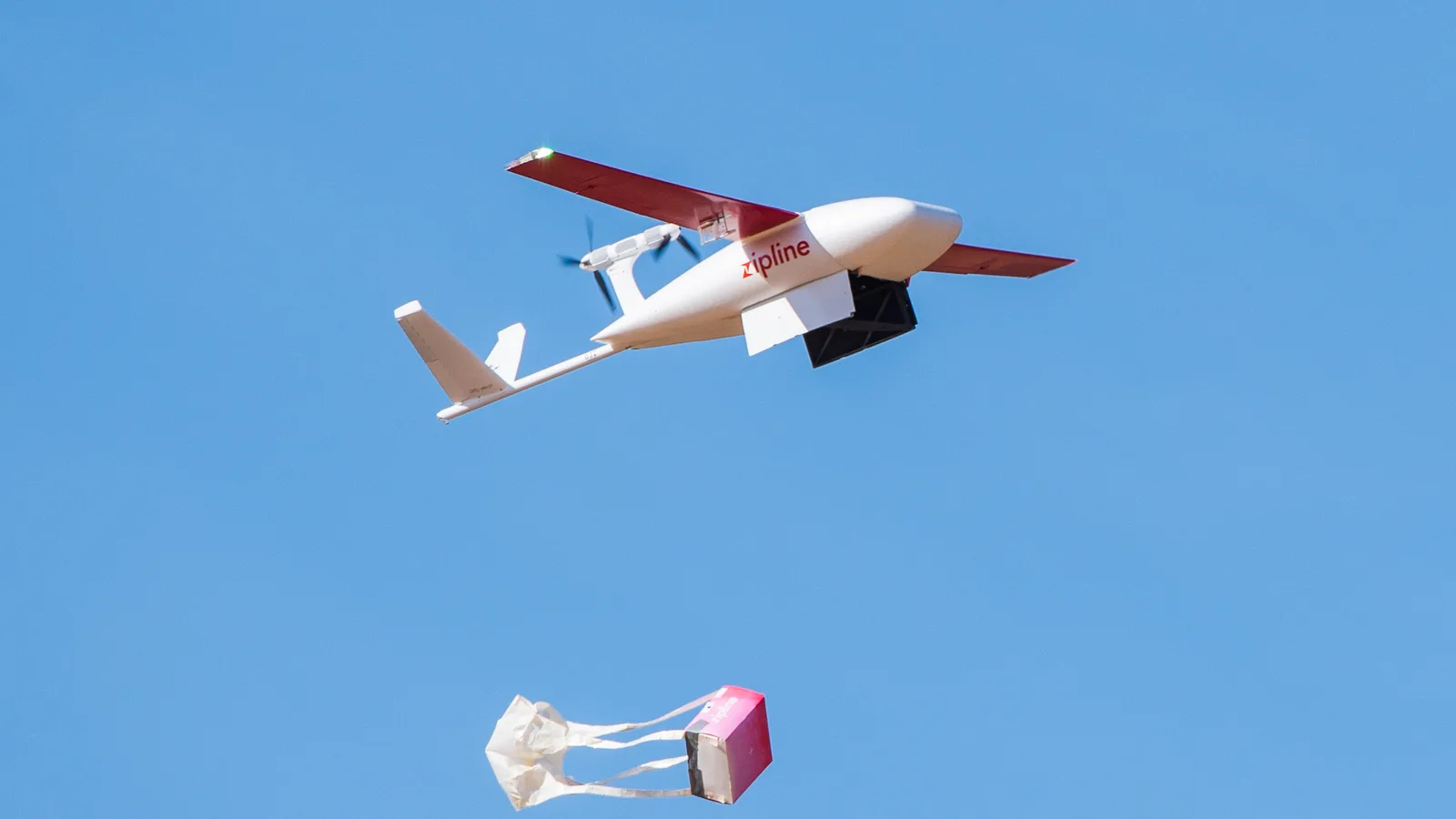
Zipline launched drone delivery in Round Rock, Texas on Oct. 8, with orders opening Oct. 9. It is the first commercial drone delivery service in the Austin area, and the company says it will spread across the metro.
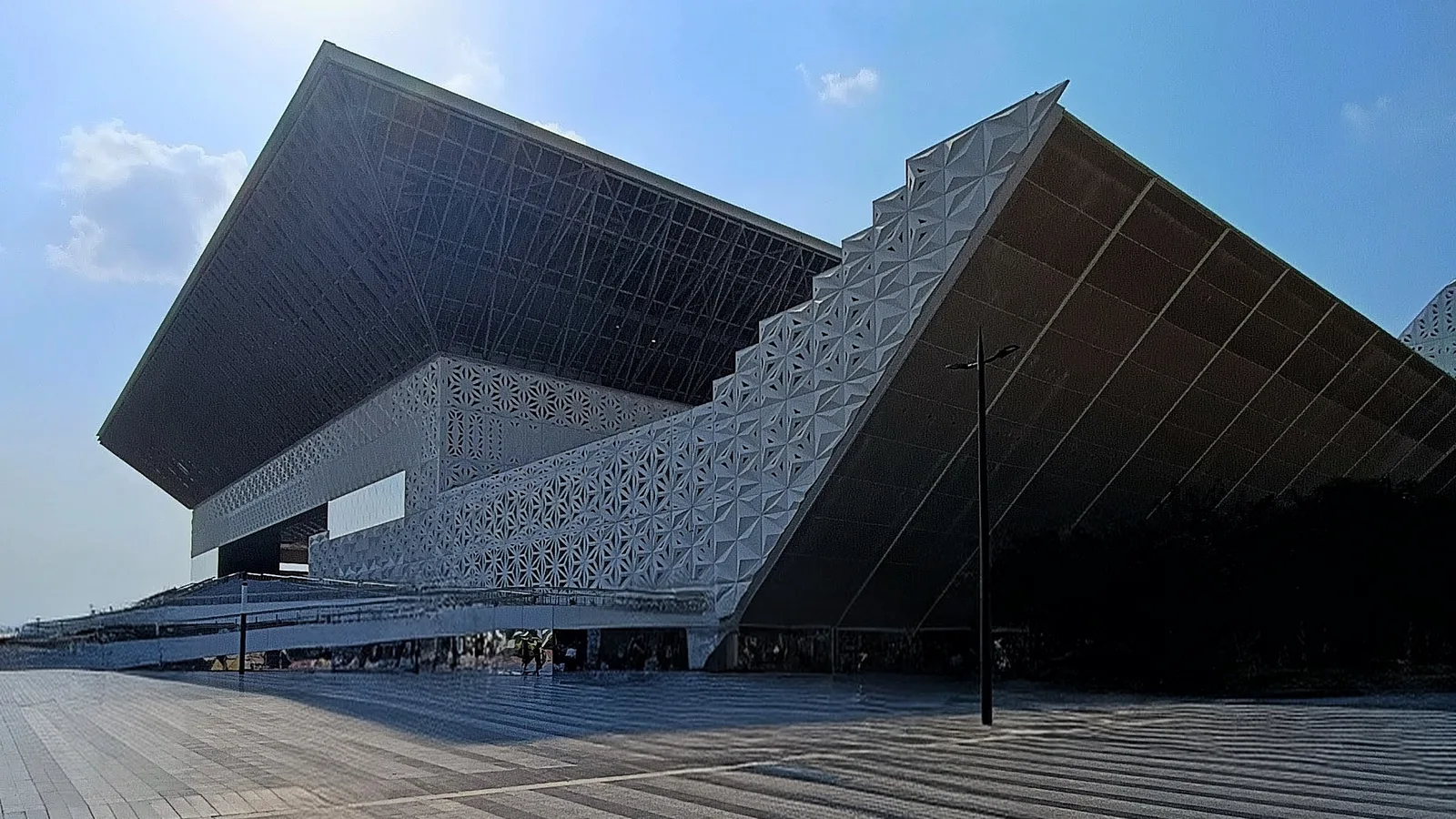
At India Mobile Congress 2026, Reliance Jio showed AI glasses that scan a shop's QR code and pay through UPI with a voice command. Jio says its wearables should launch in India around November or December.
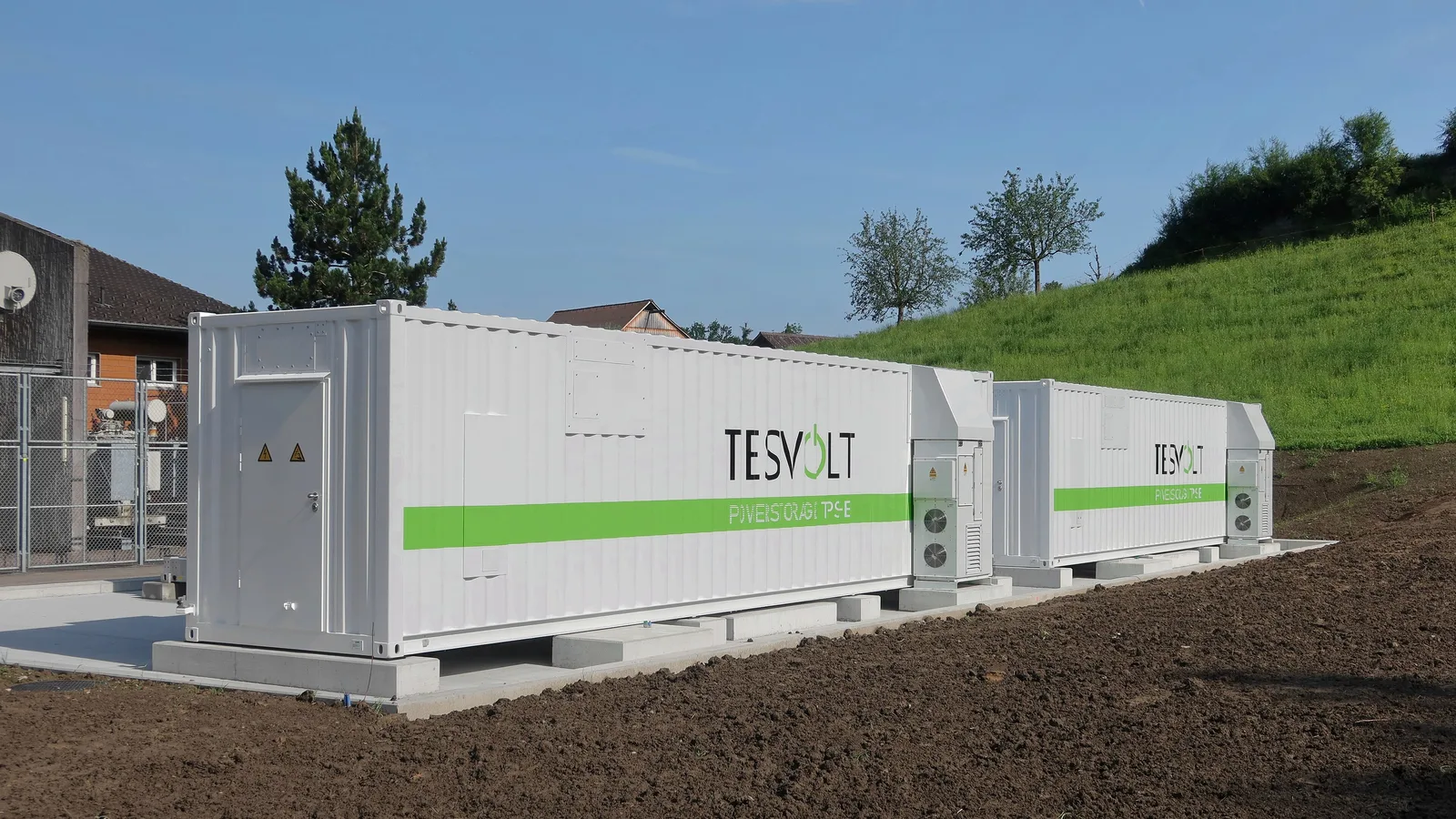
A new Wood Mackenzie report says four-hour battery storage is now cheaper than new open-cycle gas plants in all 43 markets where it compared them. In the U.S., a spokesperson said batteries are 65 to 75 percent cheaper.
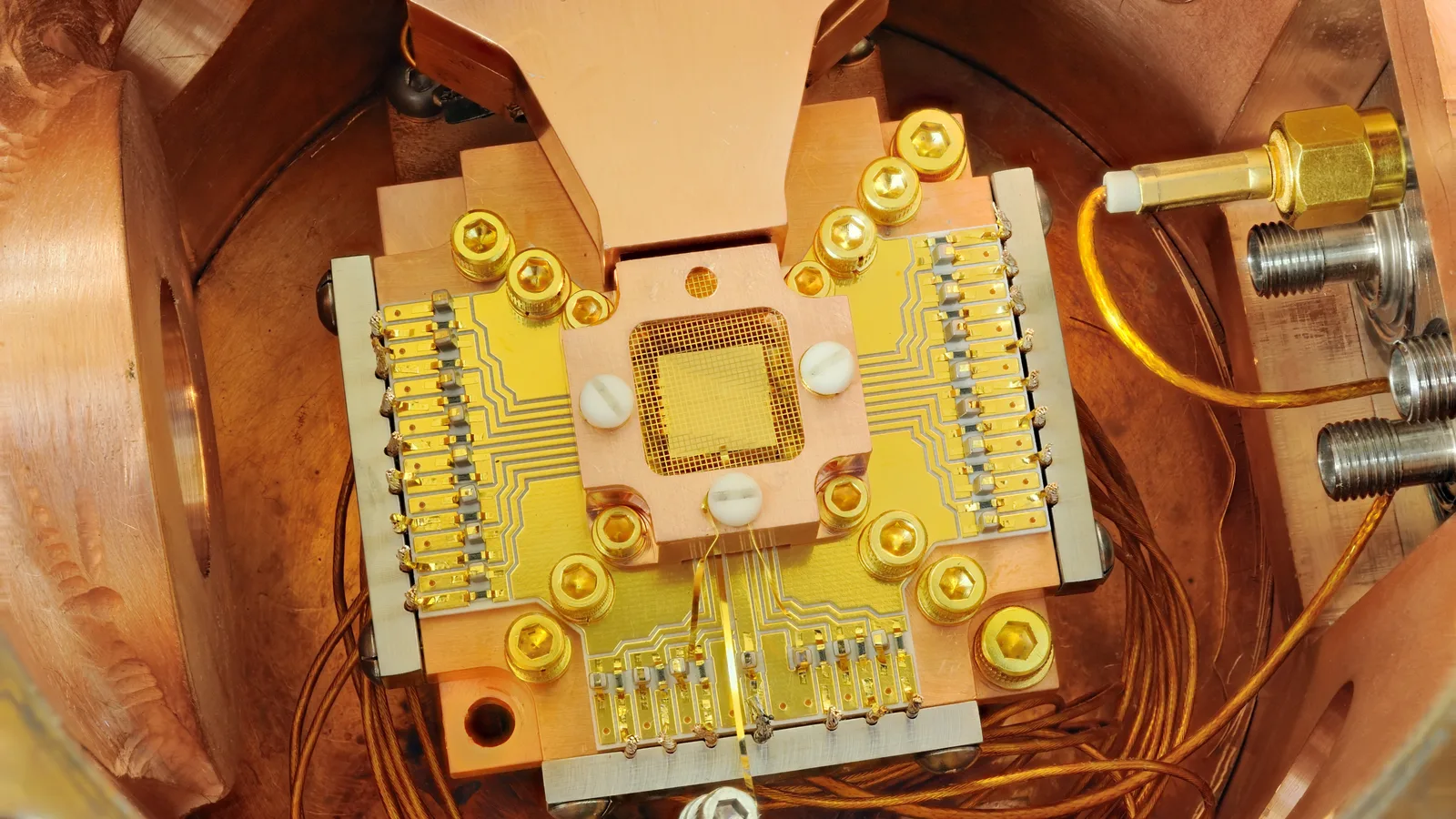
IonQ says it entangled a trapped ion qubit with a diamond quantum memory more than 1,000 times per second, four times the old record for trapped ions. Fast links like this are how separate quantum computers could one day work as one big machine.
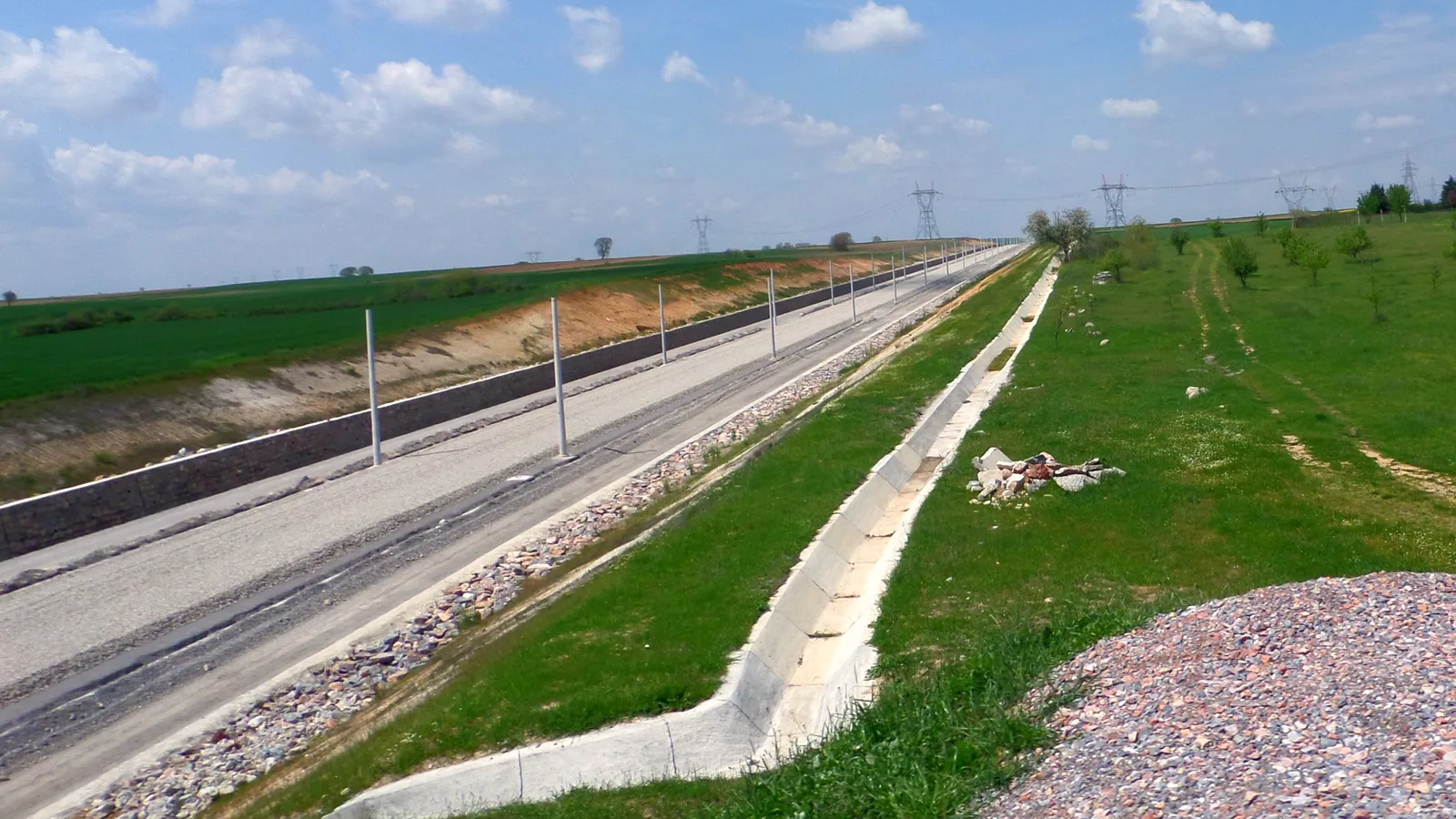
Turkey opened a 153 km high-speed rail section on Oct. 9 that runs from west of Istanbul to Kapıkule on the Bulgarian border. Once the full line is done, the trip from Istanbul's edge to the border drops from four hours to 1.5.
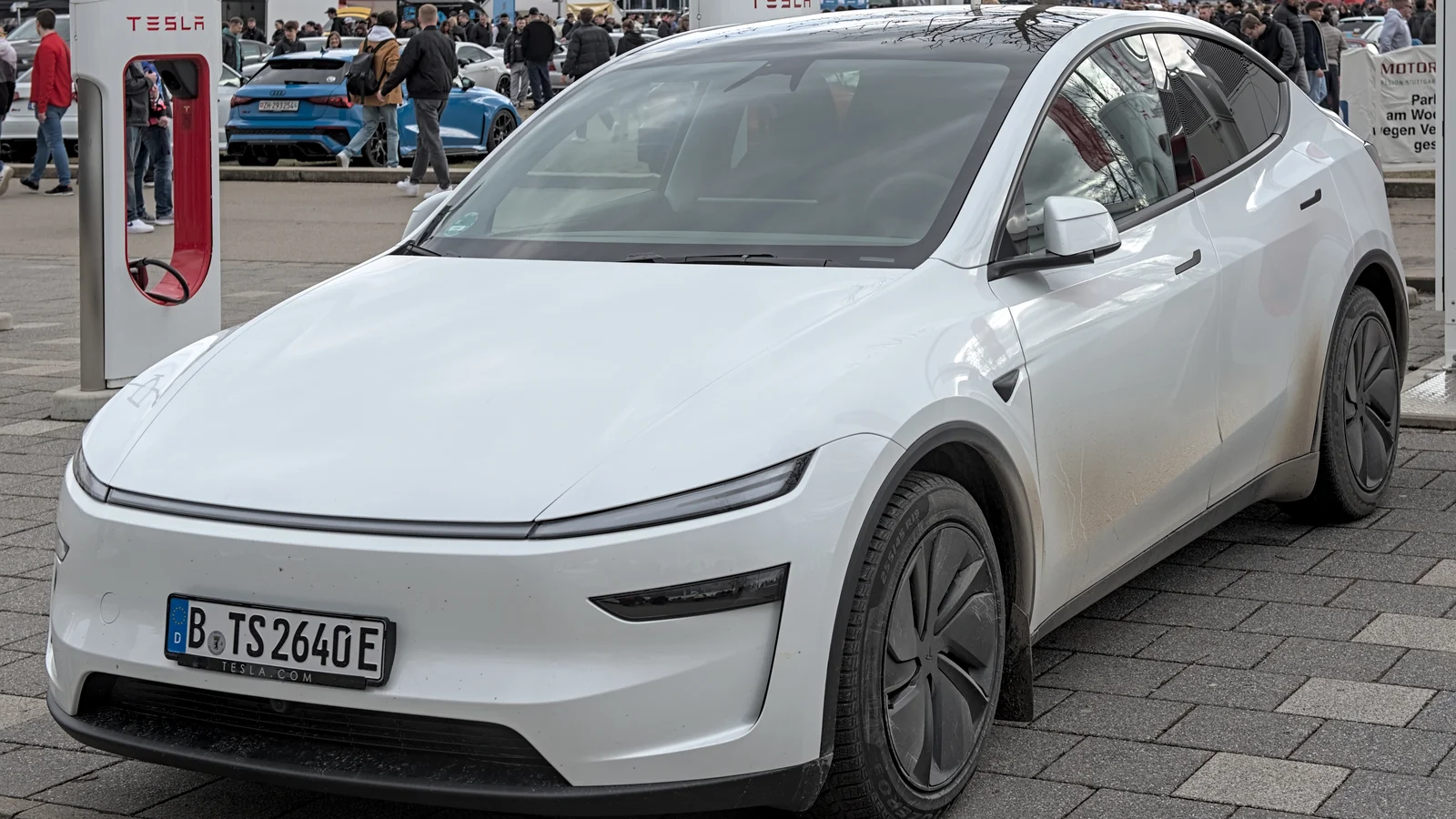
Tesla's European websites now call FSD 'Tesla Assisted Driving,' after Germany said the old name was misleading. In return, Berlin is backing Tesla's push for EU-wide approval, which now needs a vote that slipped to December at the earliest.
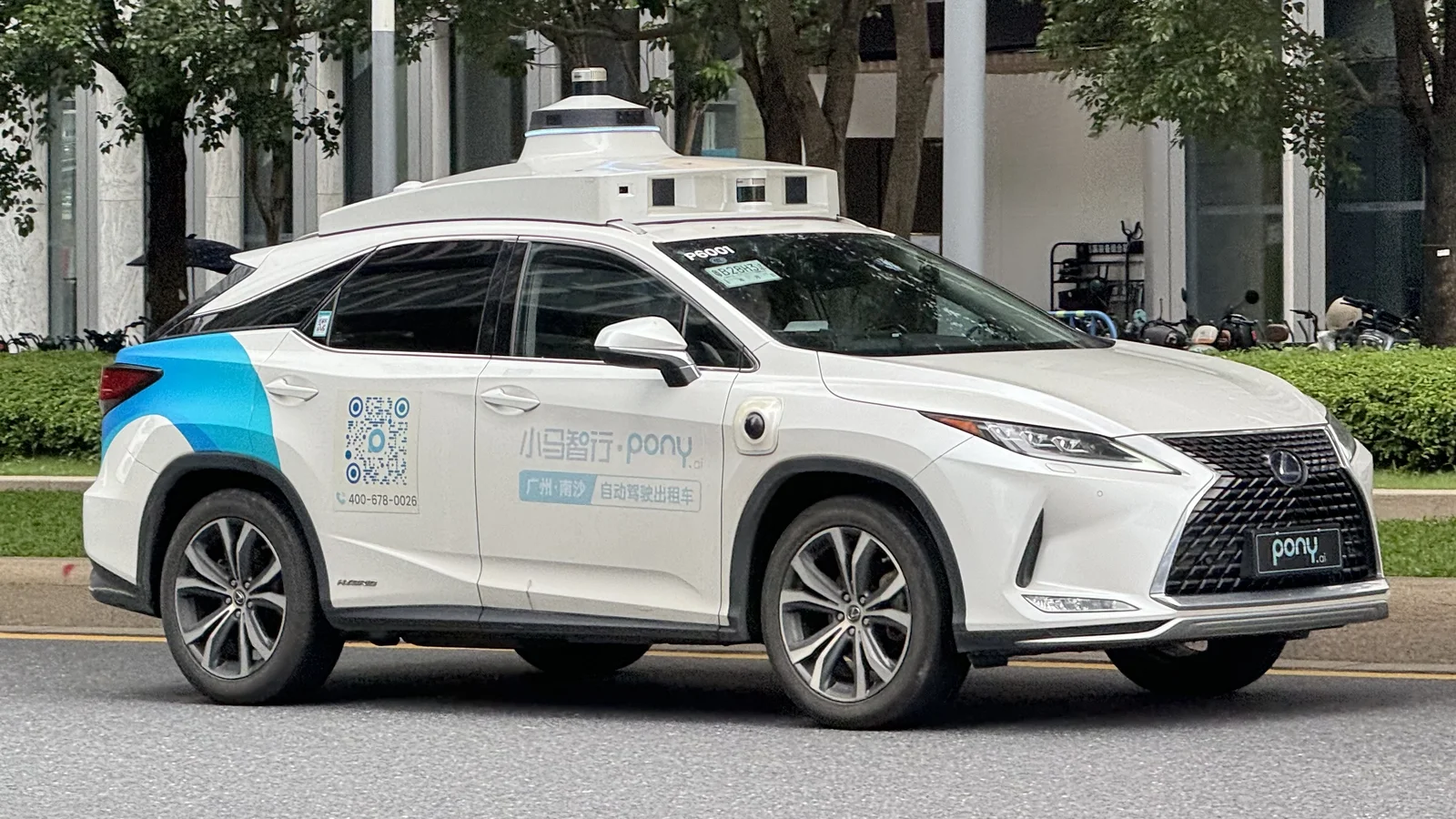
On Oct. 8, Pony.ai said it will start testing its seventh-generation robotaxis in London in the coming weeks, with the service planned for the Uber app. It puts a Chinese robotaxi on the same streets where Uber and Wayve launched rides in September.
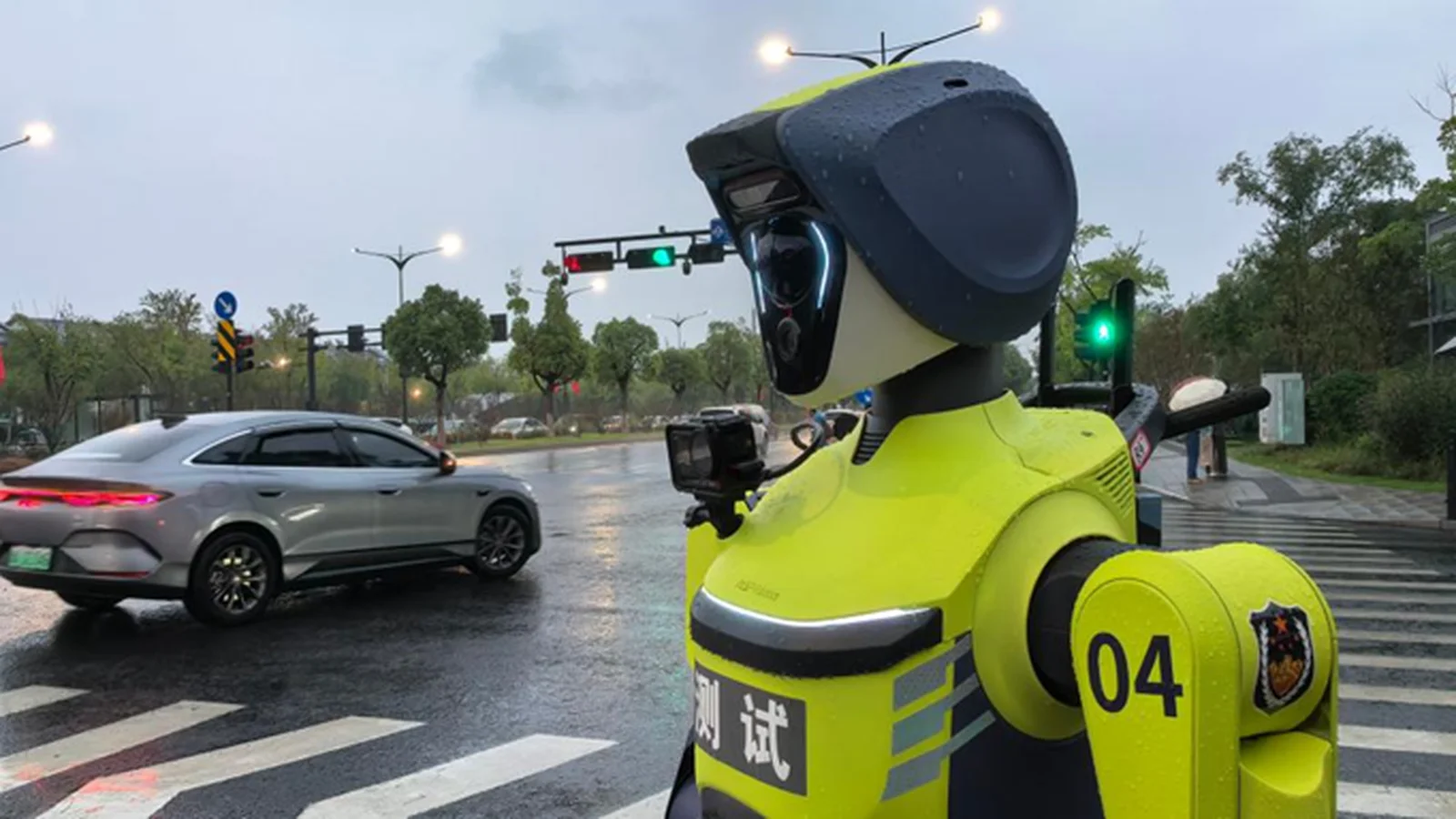
During China's National Day holiday, DEEP Robotics put its waterproof DR02 humanoids on traffic duty at busy Hangzhou intersections in steady rain. They waved people across, flagged e-bike riders without helmets, and answered tourists' questions in several languages.
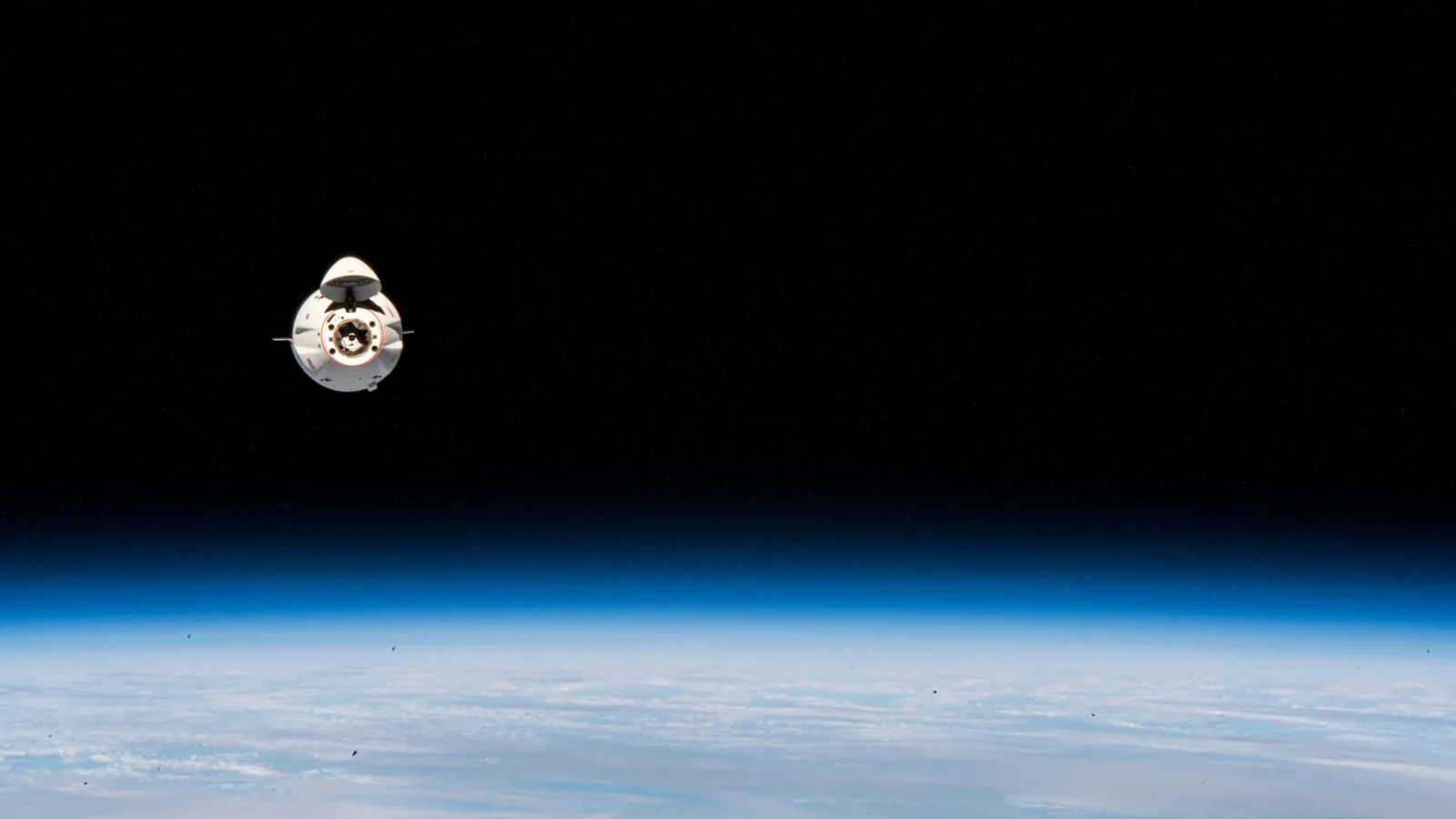
NASA and SpaceX are targeting 6:33 a.m. ET Tuesday, Oct. 13, for CRS-35. Dragon carries more than 6,300 pounds to the space station, including the last pair of new solar arrays and experiments that build artificial retinas, heart tissue, and brain organoids in orbit.
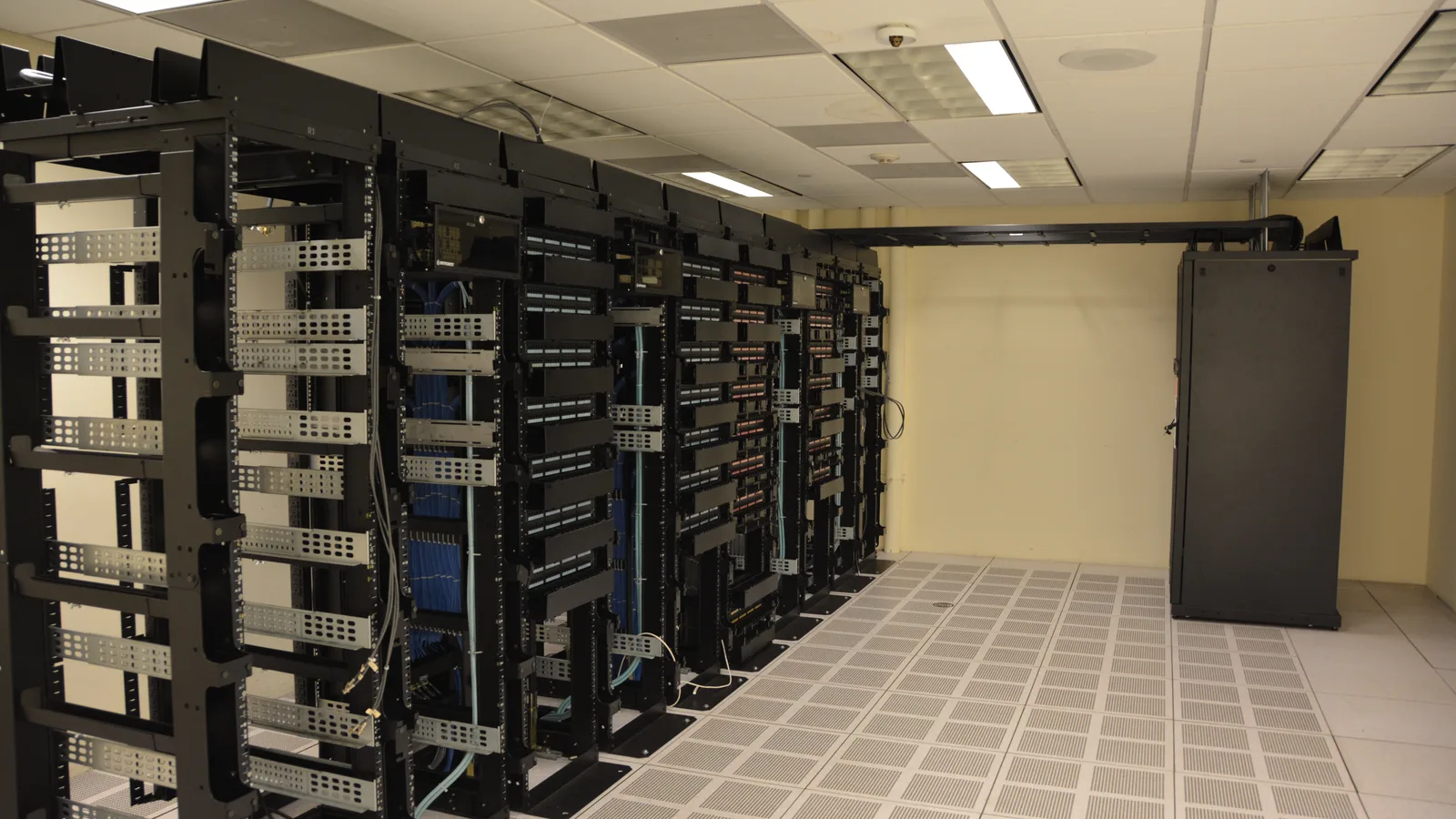
On Oct. 8, QuantumScape unveiled the QS PowerBlock, a solid-state battery design for in-rack backup power in AI data centers. The company claims 4x the power density and 5x the runtime of an industry spec, and will show it at the OCP Global Summit Oct. 12 to 15.

Starting Sunday, Oct. 11, NJ Transit and Amtrak begin five weeks of reduced service to move the last Northeast Corridor track off the 116-year-old Portal Bridge and onto the new $2.3 billion Portal North Bridge. Regular schedules are expected back Nov. 15.
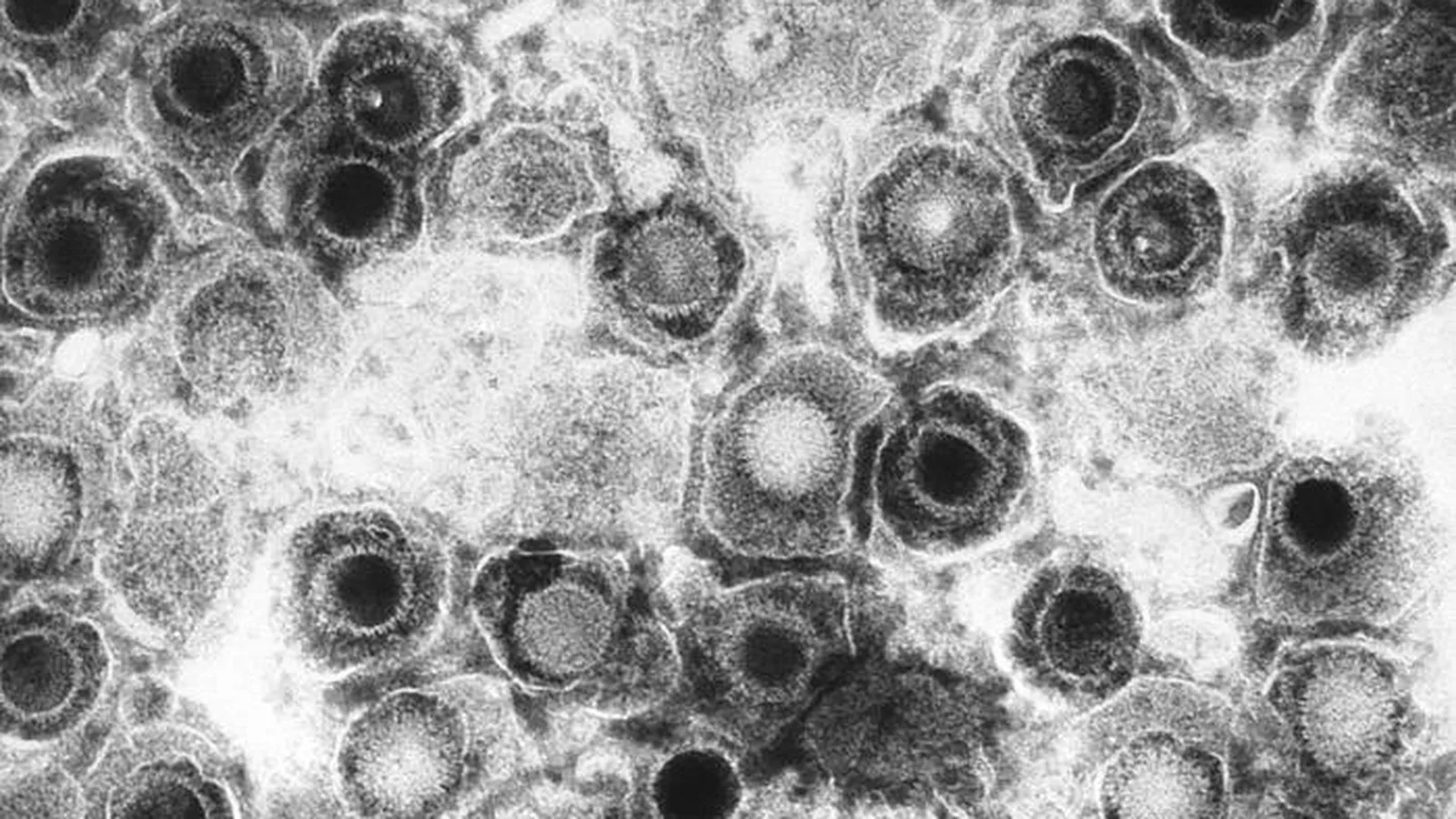
On Oct. 9, the FDA approved Hovilpri (pritelivir), an oral drug for immunocompromised adults whose herpes sores do not respond to standard antivirals. Asahi Kasei says it is the first approved option for these cases with a new mechanism in nearly 30 years.
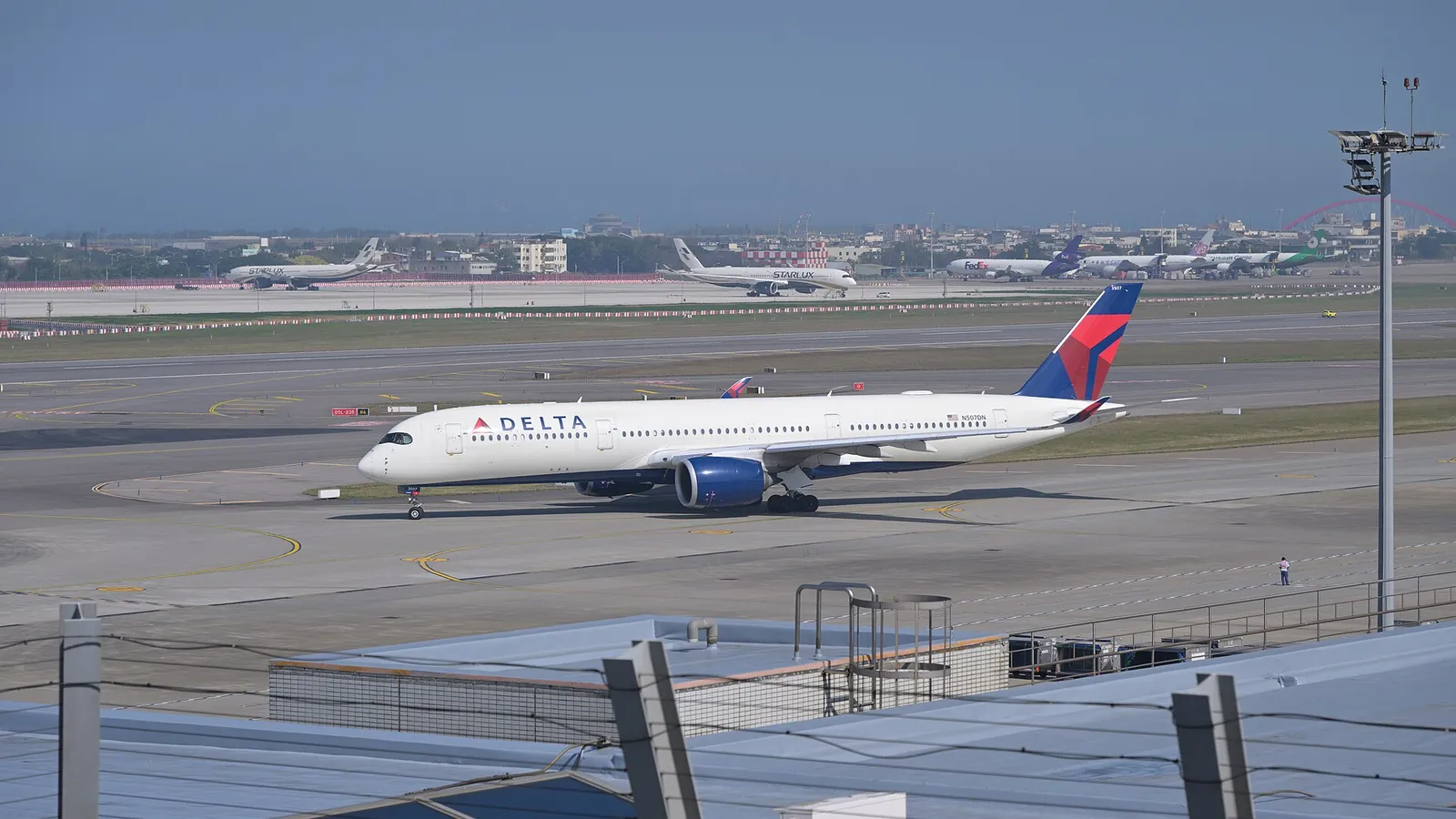
On Oct. 9, Delta CEO Ed Bastian said the airline passed on Starlink over business terms, not Elon Musk, calling SpaceX's Wi-Fi 'fabulous.' Delta is sticking with Amazon Leo starting in 2028, a day after American said it will put Starlink on its whole mainline fleet.

Ray-Ban Meta Audio, Meta's first AI glasses with no camera, ships Oct. 13 starting at $349. They weigh 43 grams, last up to 12 hours, and are Meta's answer to the privacy backlash around camera glasses.
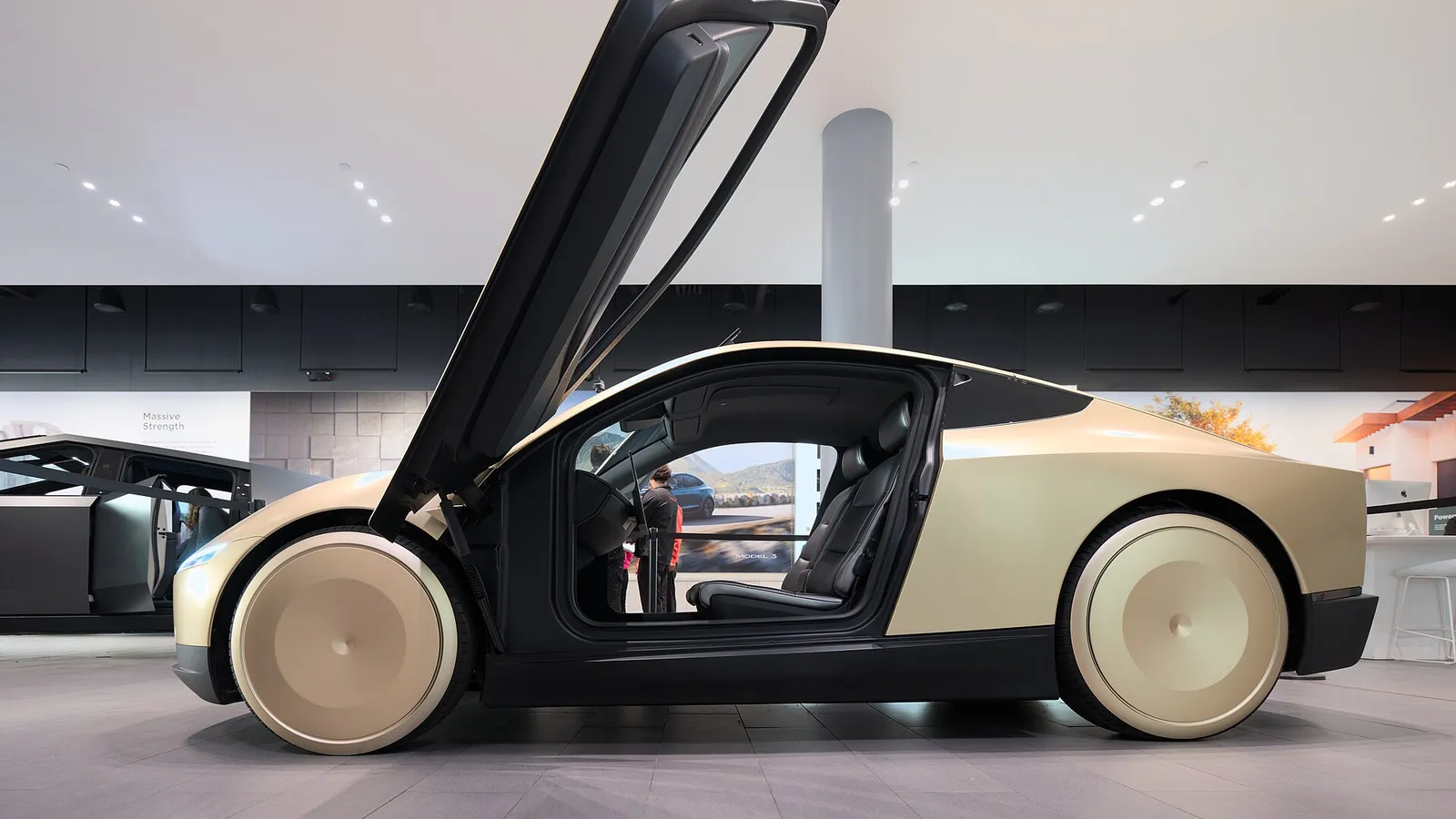
On Oct. 8, Tesla added 150 Cybercabs to the Texas automated vehicle registry, its biggest batch yet, bringing the count to 319 and the total robotaxi fleet to 739. A day later, Tesla posted 'Floodgates are opening' over a photo of four Cybercabs in traffic.
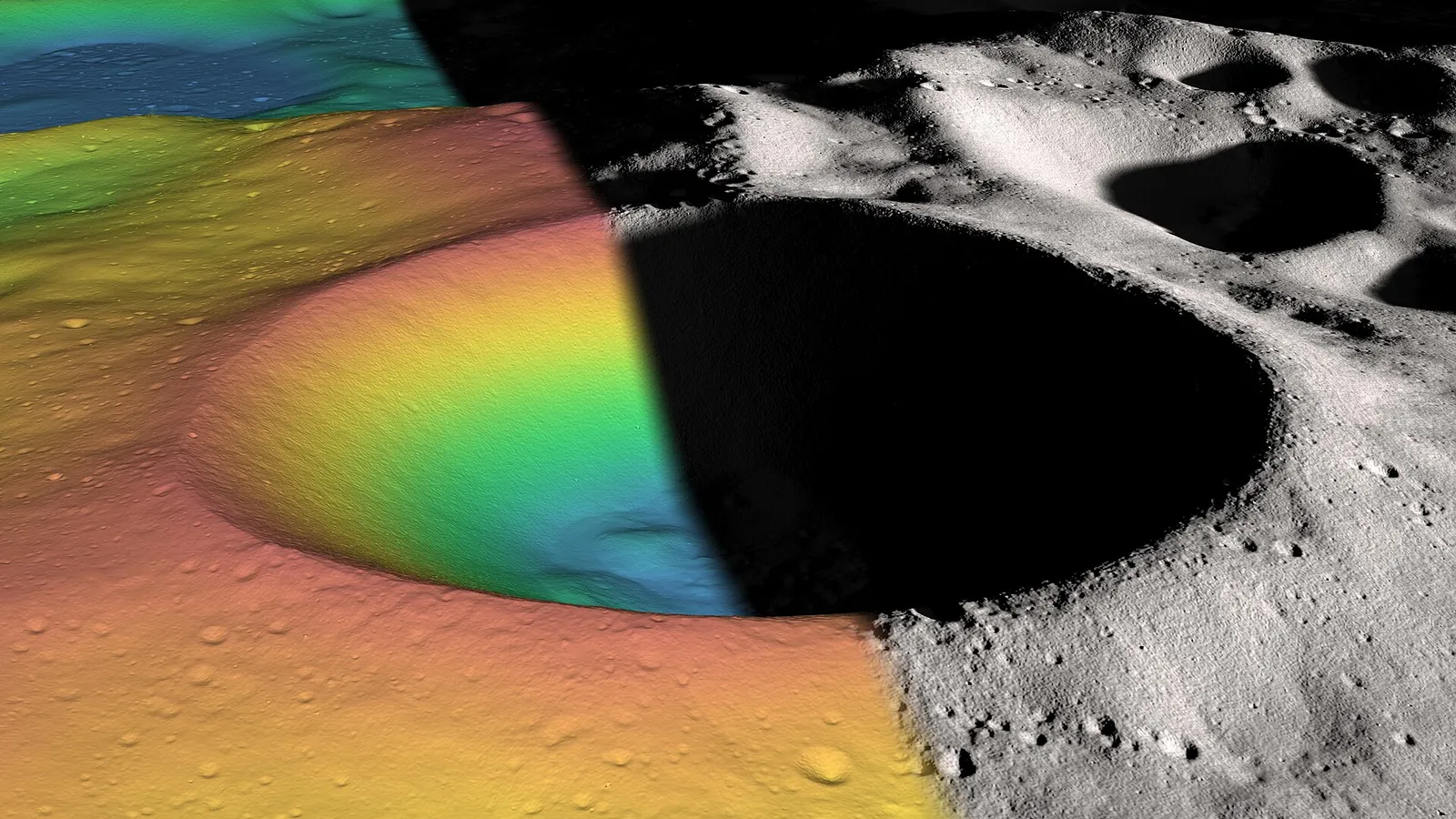
At a White House science summit on Oct. 8, NASA Administrator Jared Isaacman said the first Moon Base element launches in December, years ahead of the 2030 policy goal, with near-monthly robotic missions starting in early 2027. NASA also signed a space nuclear pact with the Energy Department.
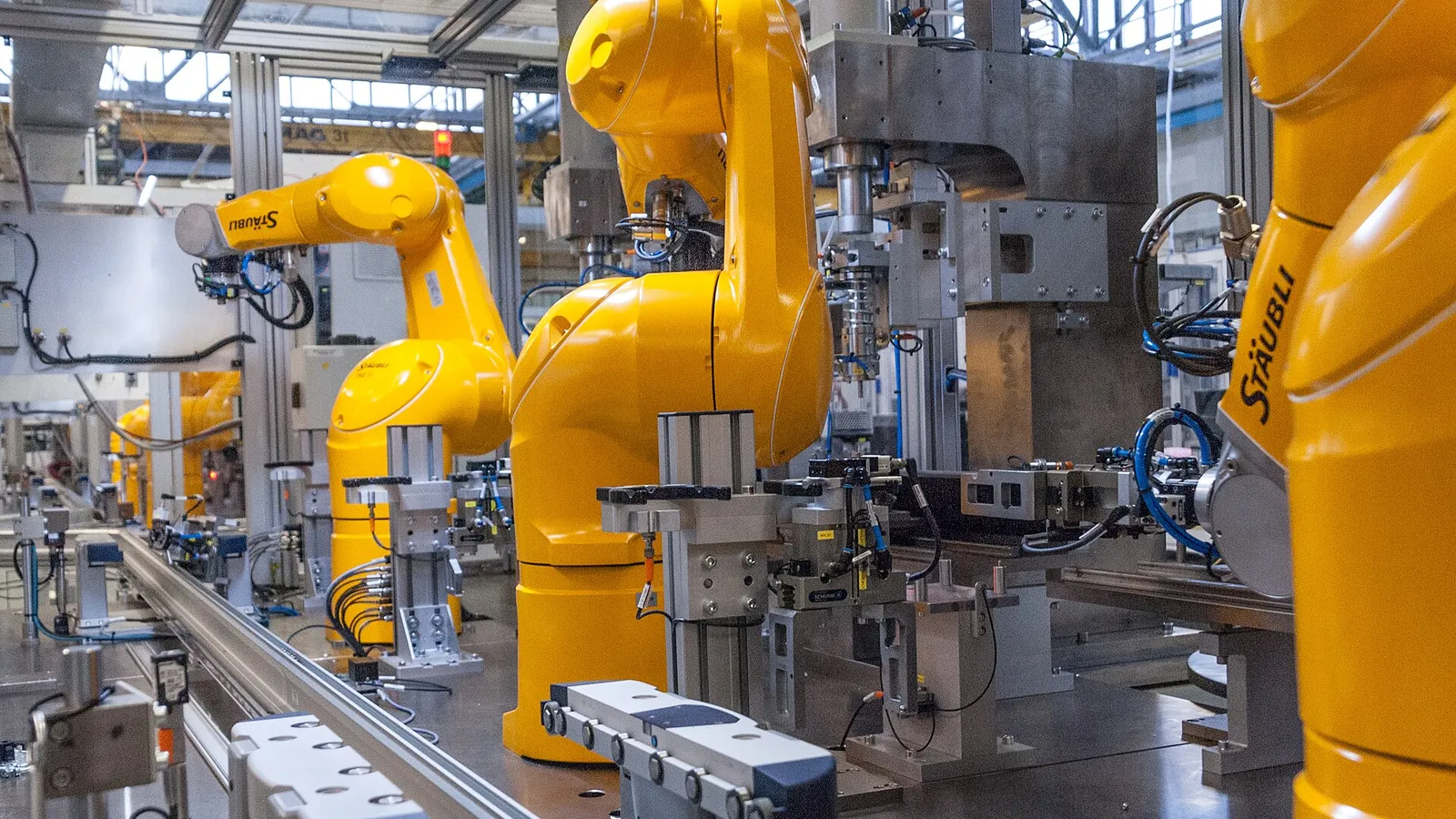
At the Agrophoenix fruit plant in northern Greece, eight Stäubli SCARA robots running QING's camera system inspect about 15 tons of peach halves an hour and pull out the ones with pit fragments. The setup just finished its first full harvest season.
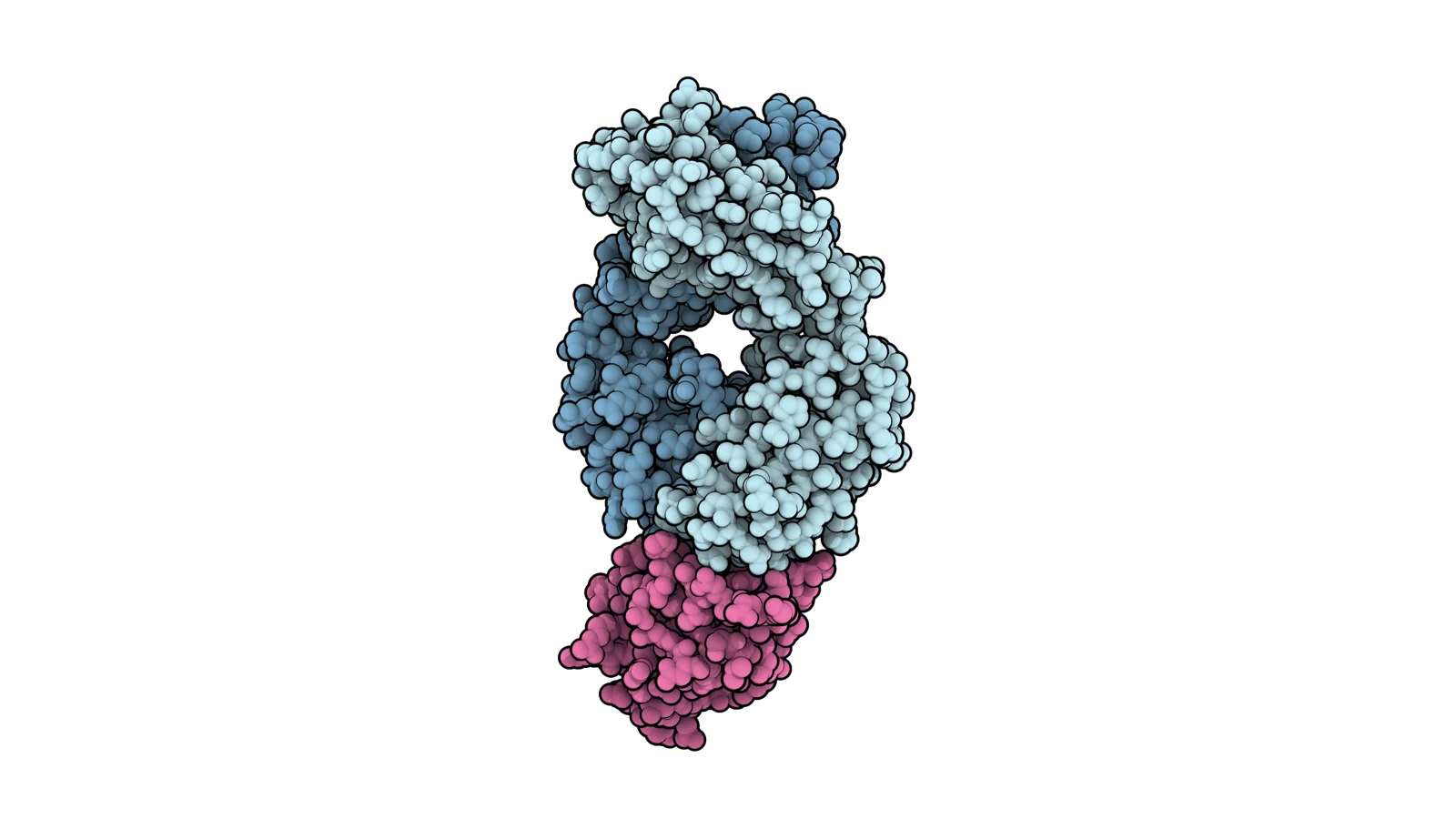
On Oct. 8, the FDA approved Genentech's Tecentriq with chemo after surgery for stage III mismatch repair deficient colon cancer. In the ATOMIC trial, adding it cut the risk of the cancer returning or death by half, with more serious side effects.
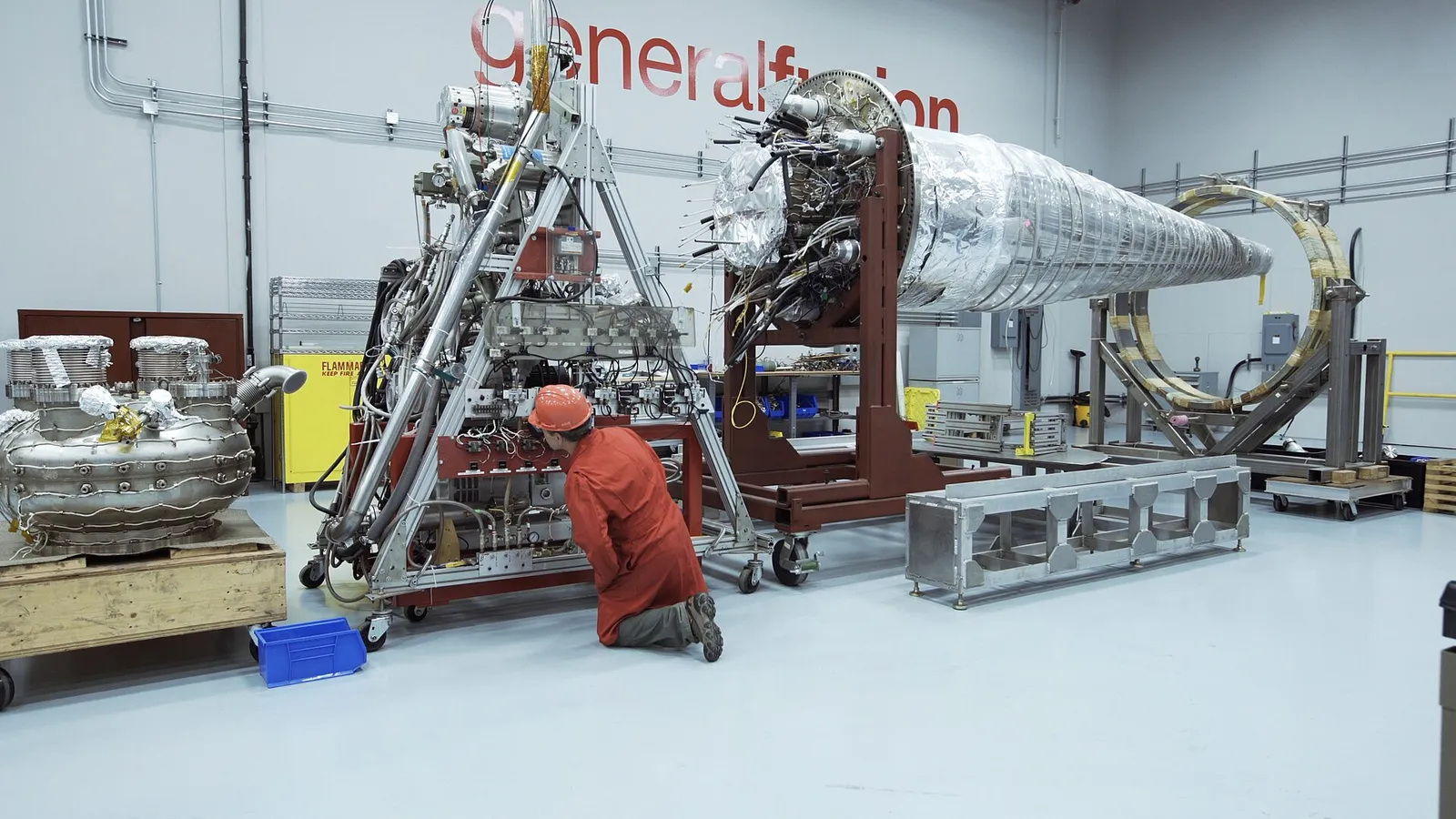
On Oct. 8, General Fusion and the UK Atomic Energy Authority said its LM26 machine heated plasma electrons past 1 keV, about 12.6 million degrees Celsius, using slow compression from a metal liner. Next up is 10 keV, then the Lawson criterion, targeted by the end of 2028.
On Oct. 8, GlobalFoundries announced a five-year, $2 billion deal to make silicon interposers for TSMC's CoWoS packaging at its Malta, N.Y. fab. It would be the first U.S. source of the part that links AI processors to their memory, with volume production ramping in the first half of 2028.
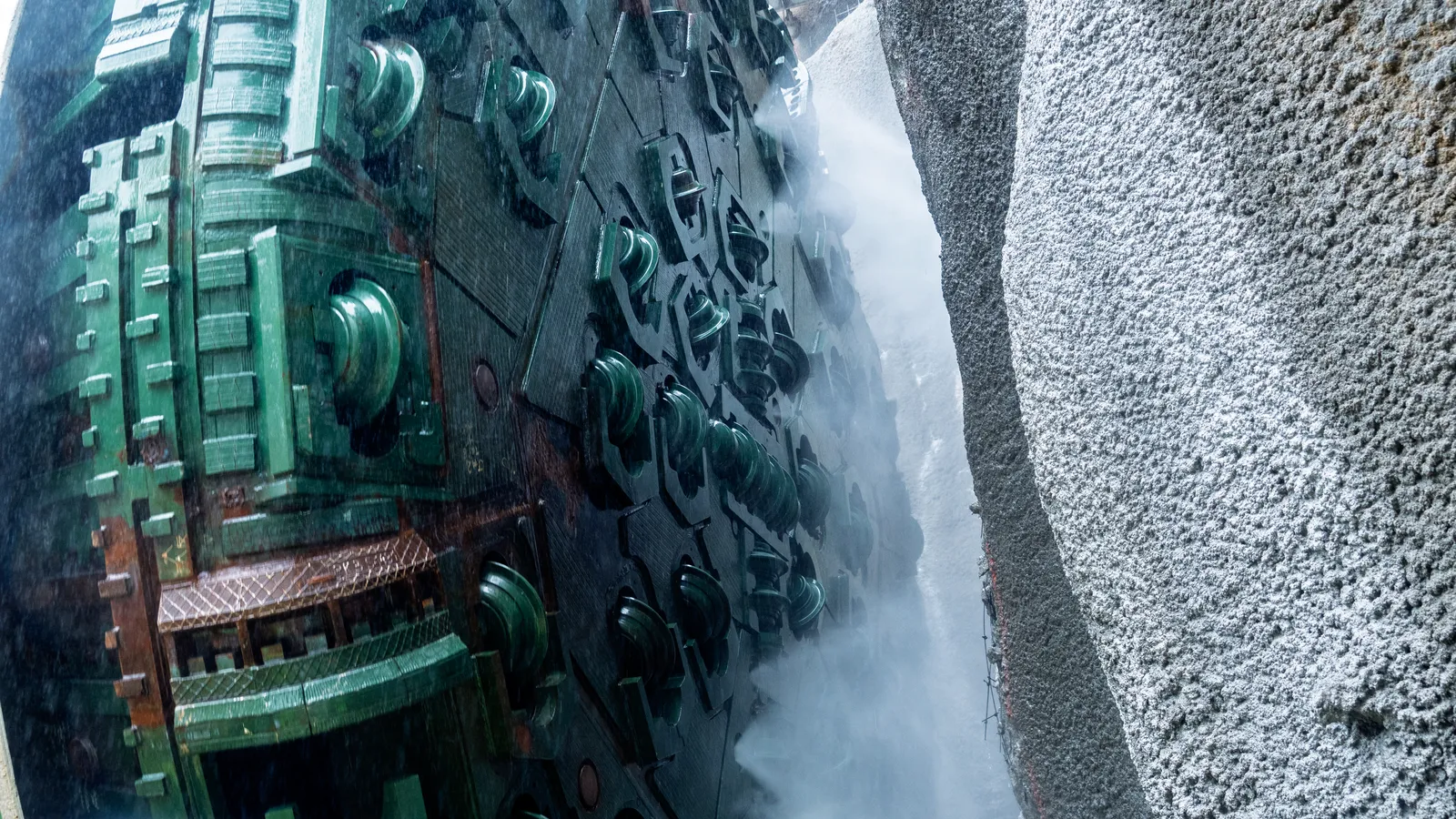
The Gateway Development Commission says the first tunnel boring machine for the $16 billion Hudson Tunnel Project has started mining in North Bergen, N.J., on schedule. A second machine follows in the coming weeks, and the pair should reach the Weehawken and Hoboken shaft in about a year.
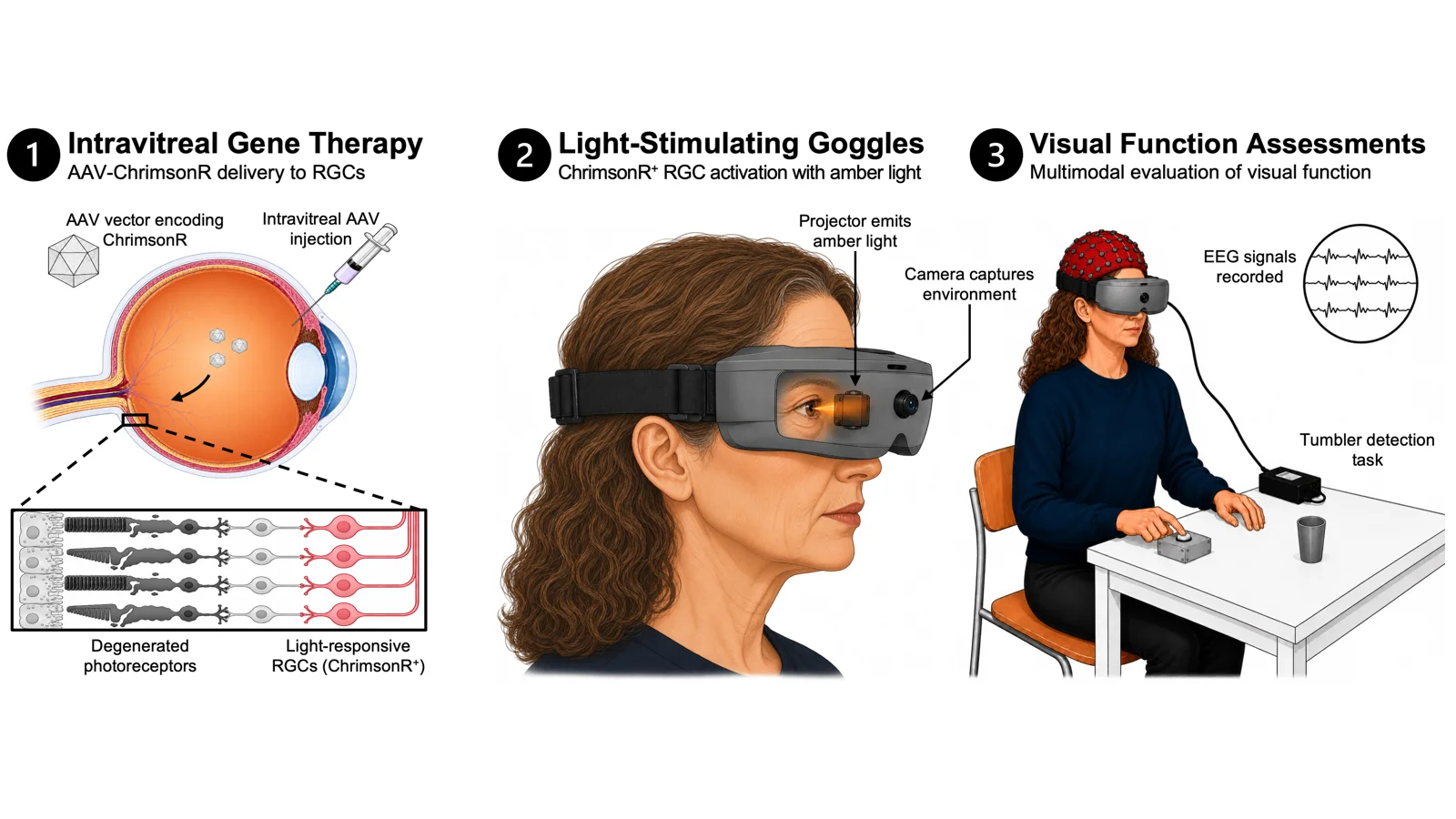
A study published Oct. 7 in the New England Journal of Medicine treated 10 people blinded by advanced retinitis pigmentosa with an optogenetic gene therapy and special goggles. It was safe, seven became more sensitive to light, and some could find objects and doorways, though none got normal sight back.
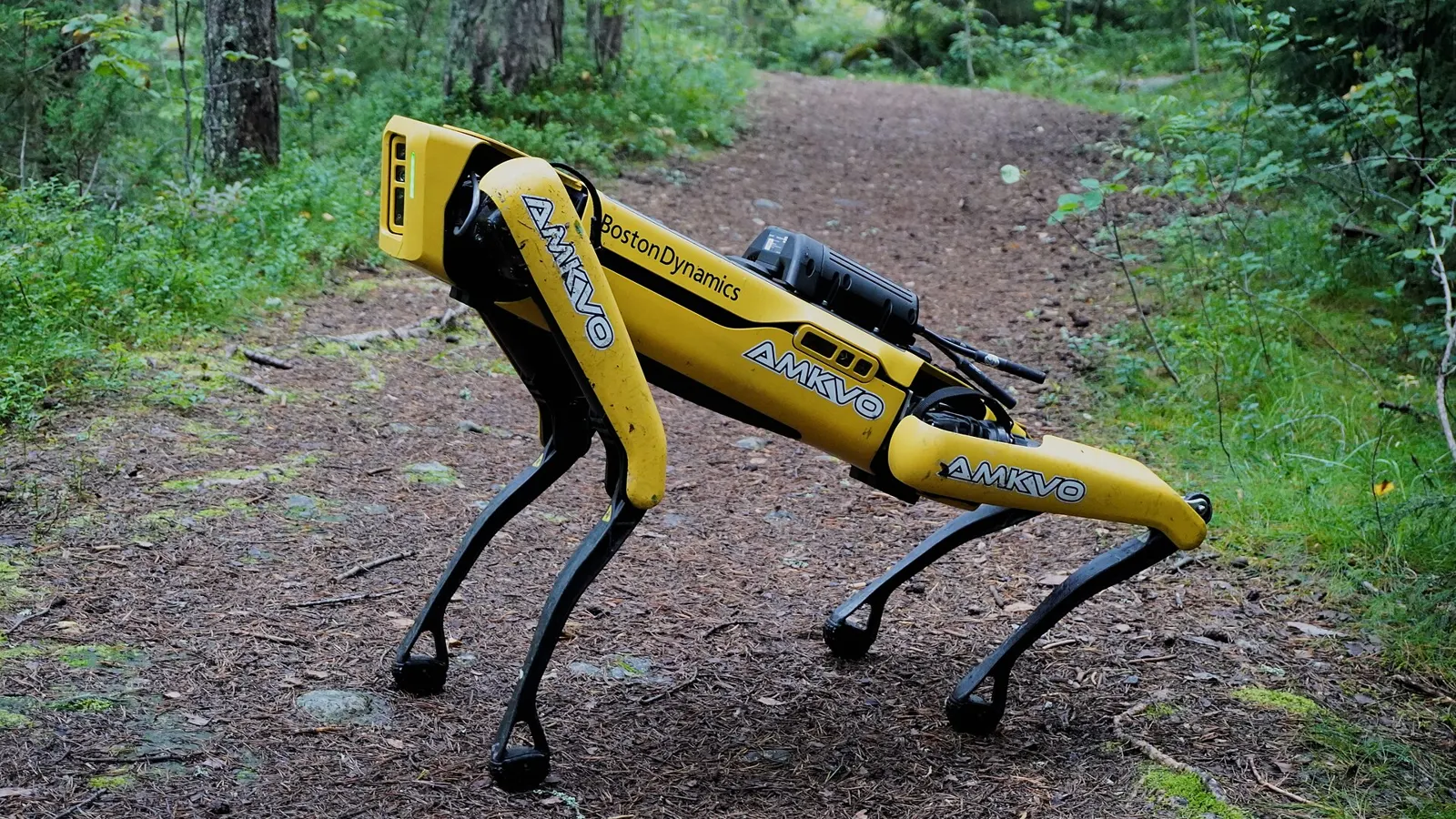
Bedrock Detroit and Boston Dynamics are bringing Spot robot dogs onto downtown Detroit streets for public testing. Starting Oct. 14, Spot will try picking up litter as small as a cigarette butt with a robotic arm, a job Boston Dynamics does not sell yet.
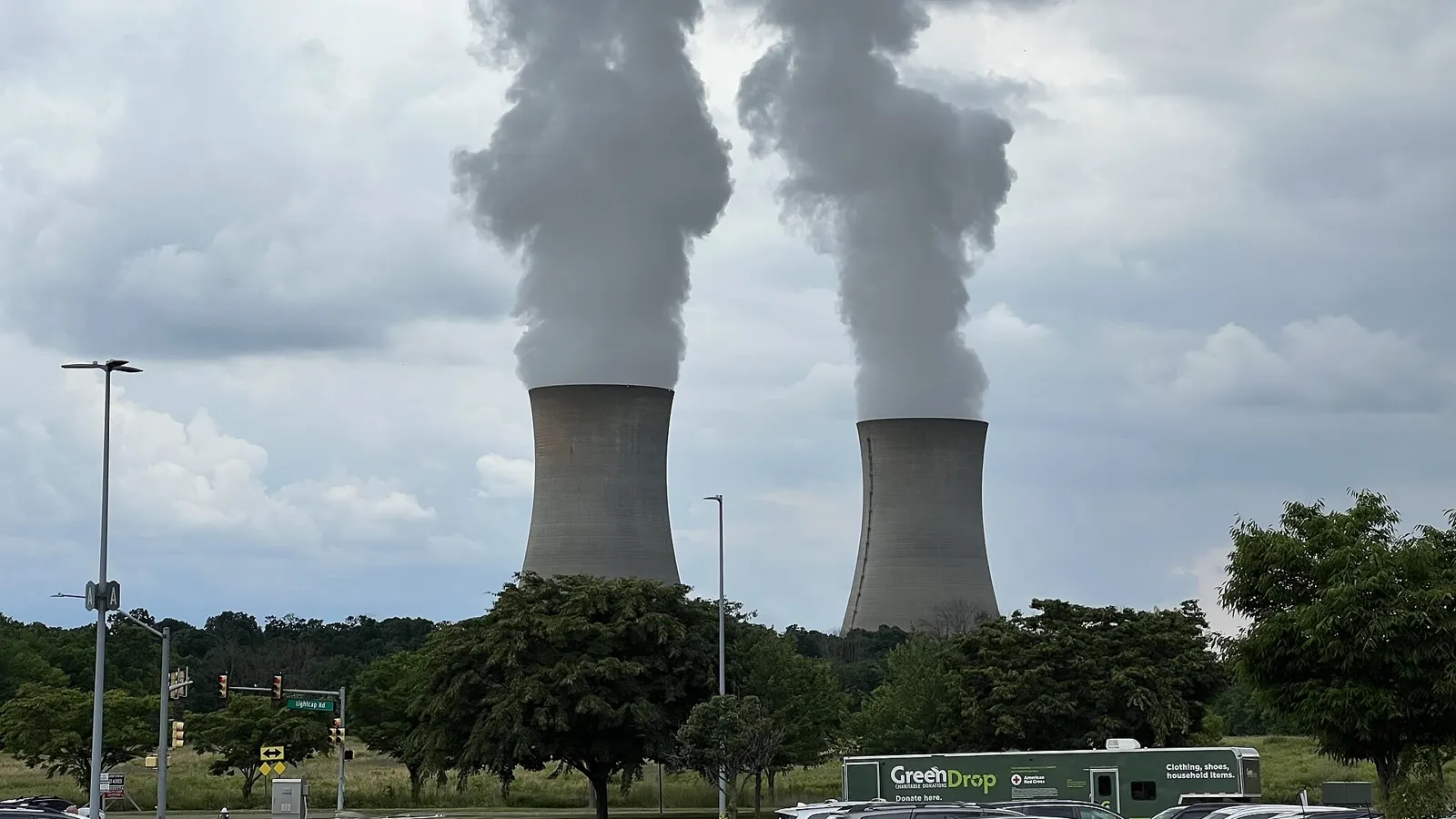
On Oct. 6, Google and Constellation signed a 20-year deal to fund upgrades at 11 existing nuclear units in Illinois, Pennsylvania, and New Jersey. The goal is 890 MW of brand new capacity on the PJM grid, with the first uprate due by 2028 and all of it by the end of 2032.
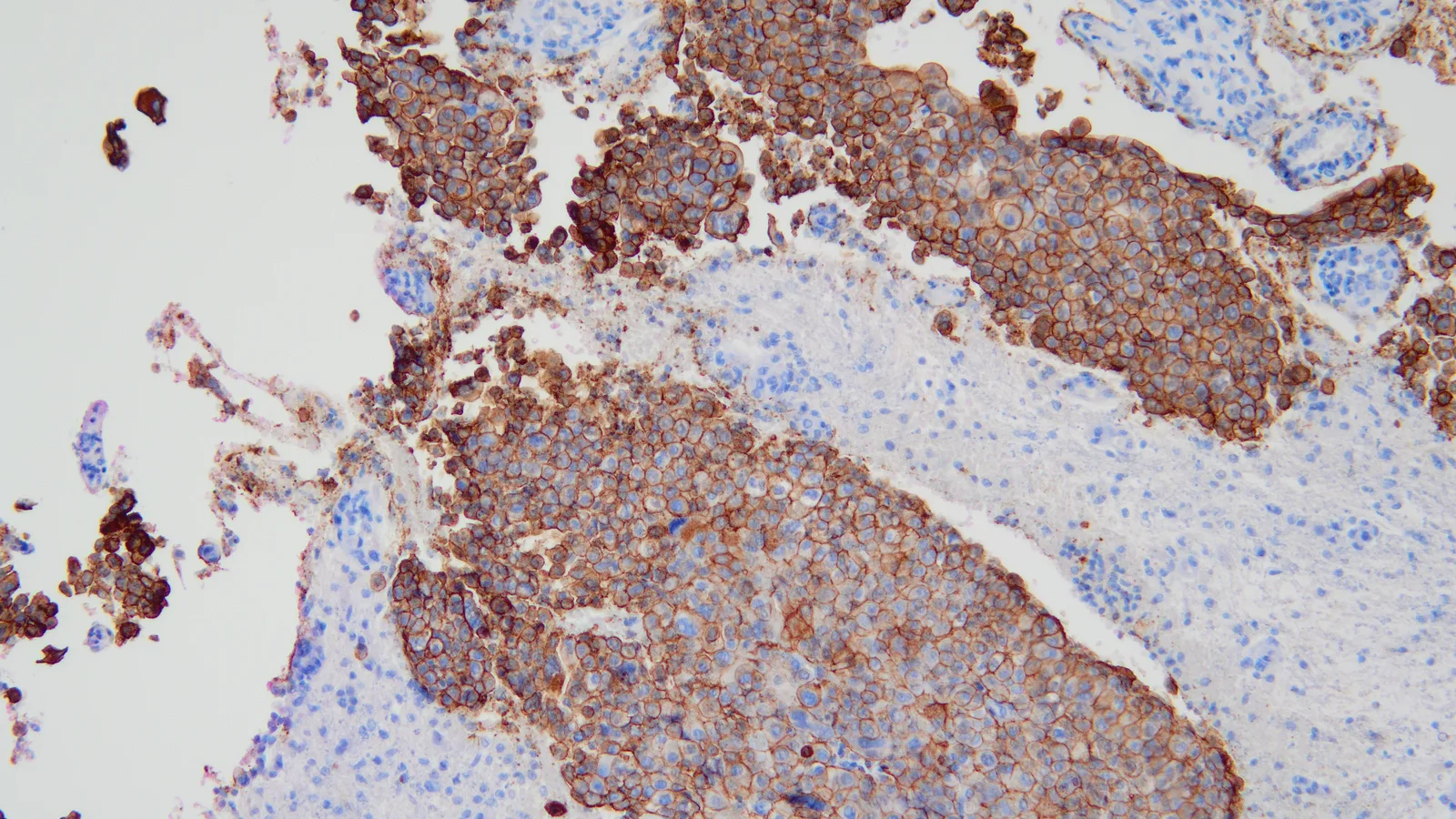
On Oct. 7, the FDA approved Pfizer's Tukysa with trastuzumab and pertuzumab as first-line maintenance for advanced HER2-positive breast cancer. In the HER2CLIMB-05 trial, it pushed median progression-free survival from 16.3 to 24.9 months, with more liver side effects.
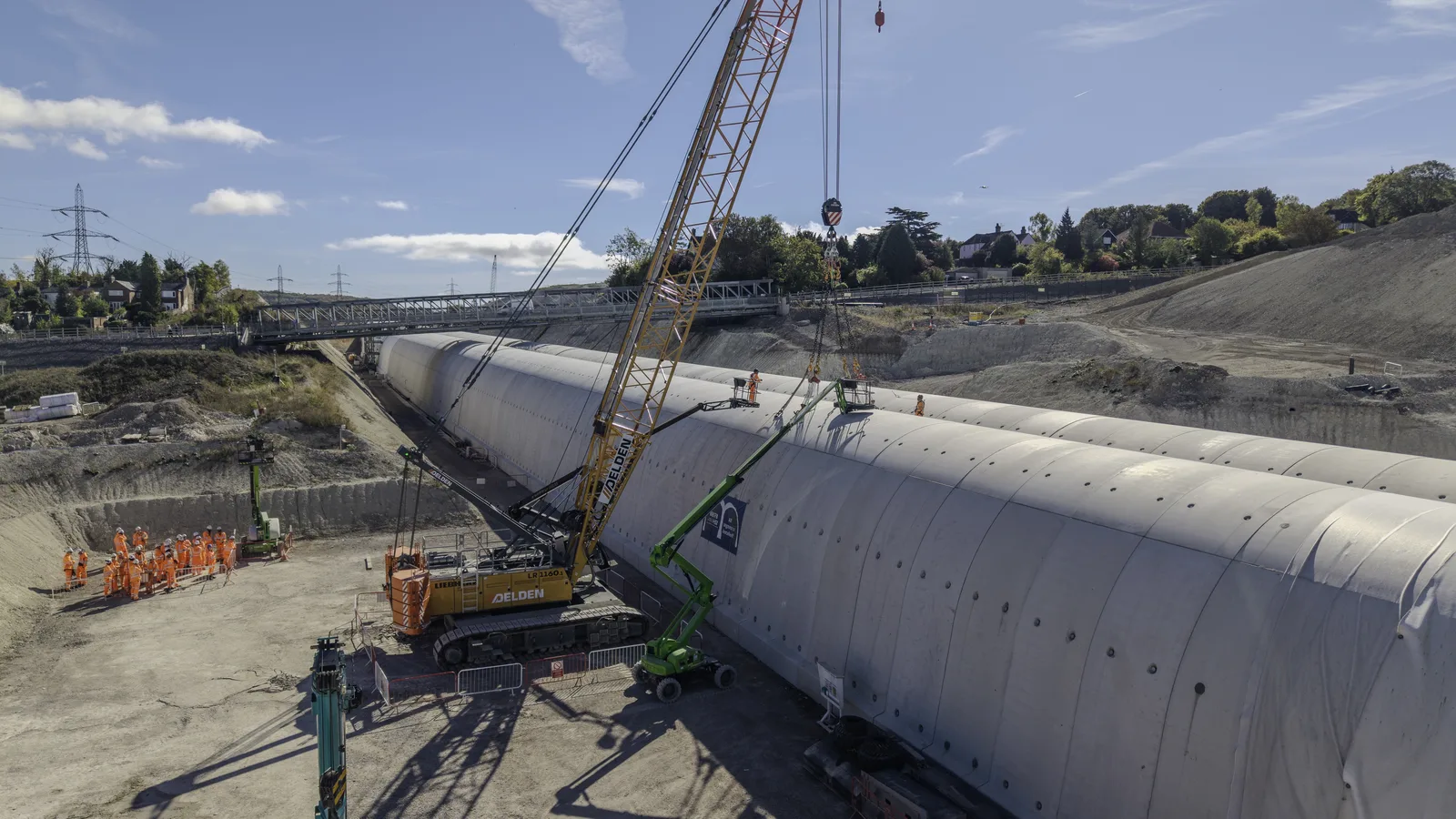
On Oct. 5, crews lifted the last of 2,740 precast concrete segments into place on HS2's Wendover green tunnel in Buckinghamshire, linking the two halves for the first time. Next comes backfill, a road over the top, and landscaping.
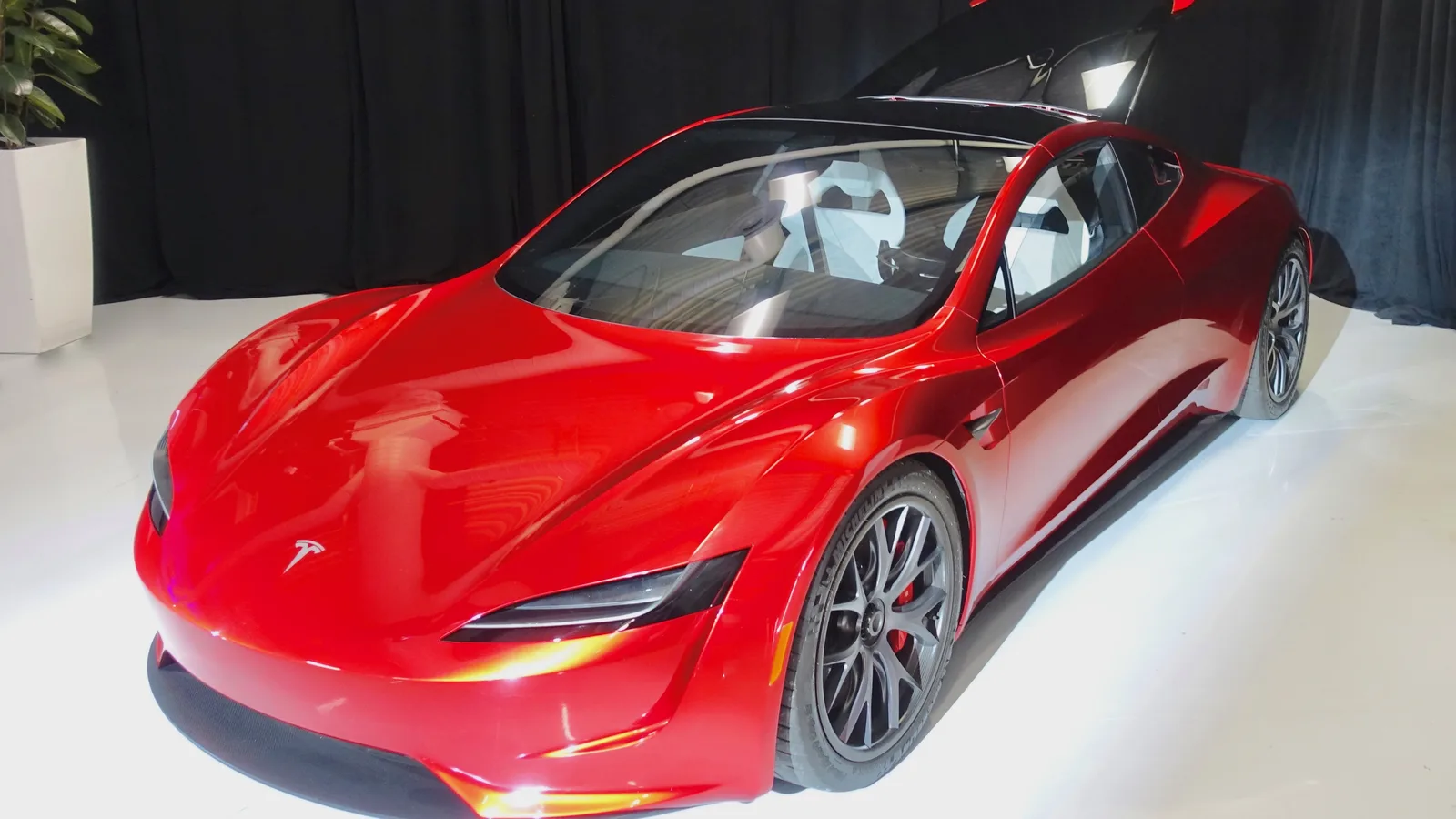
The Oct. 1 Roadster reveal in Waco never happened. Tesla blamed severe weather and moved it to Thursday, Oct. 15. A week out, there is still no start time and no confirmed livestream.
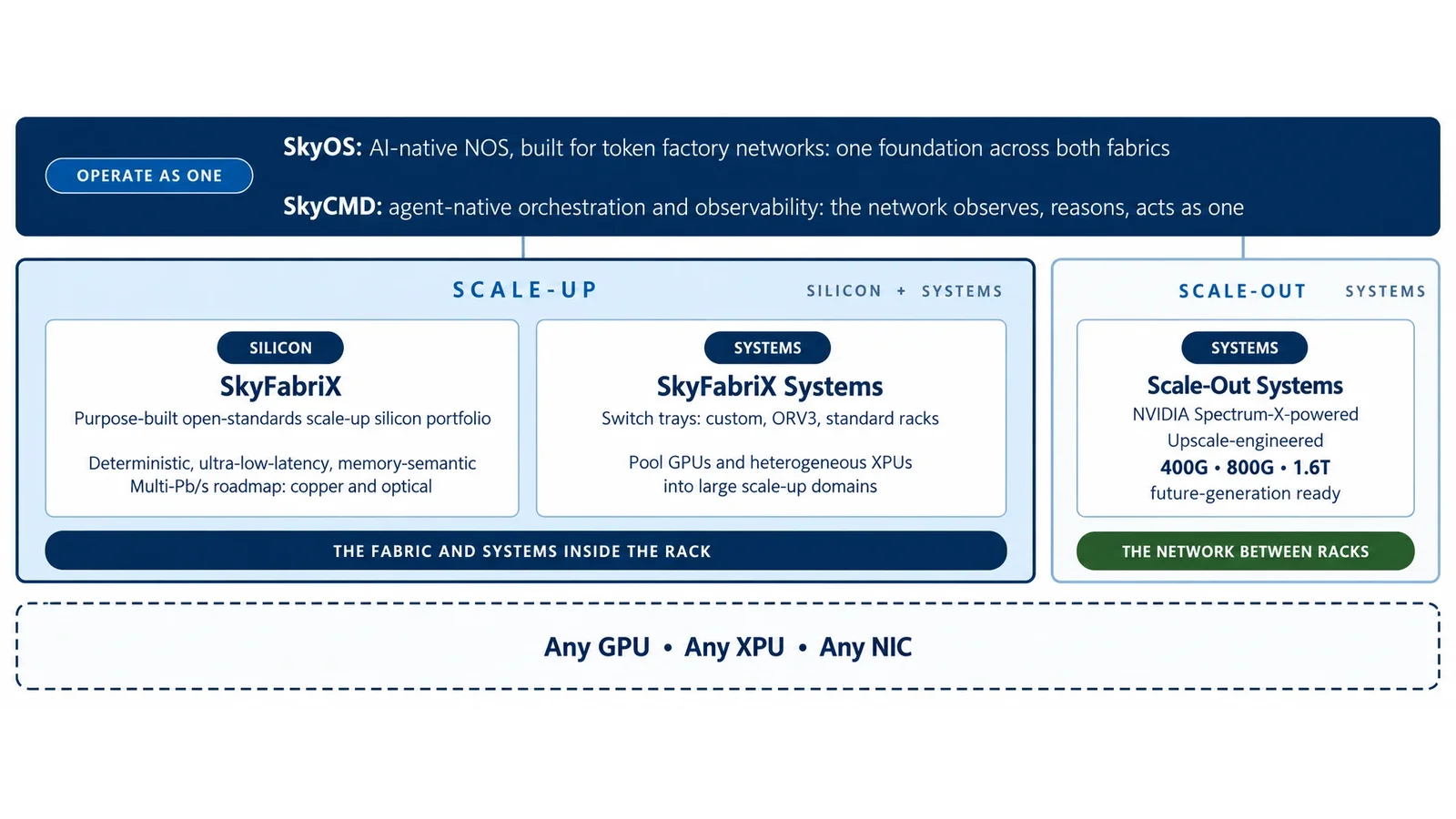
Upscale, a $2 billion networking startup, launched Token Fabric on Oct. 8: its own 115.2 Tbps scale-up switch chip, Nvidia Spectrum-X systems for scale-out, and one software layer over both. First pieces ship in Q4, with general availability in early 2027.
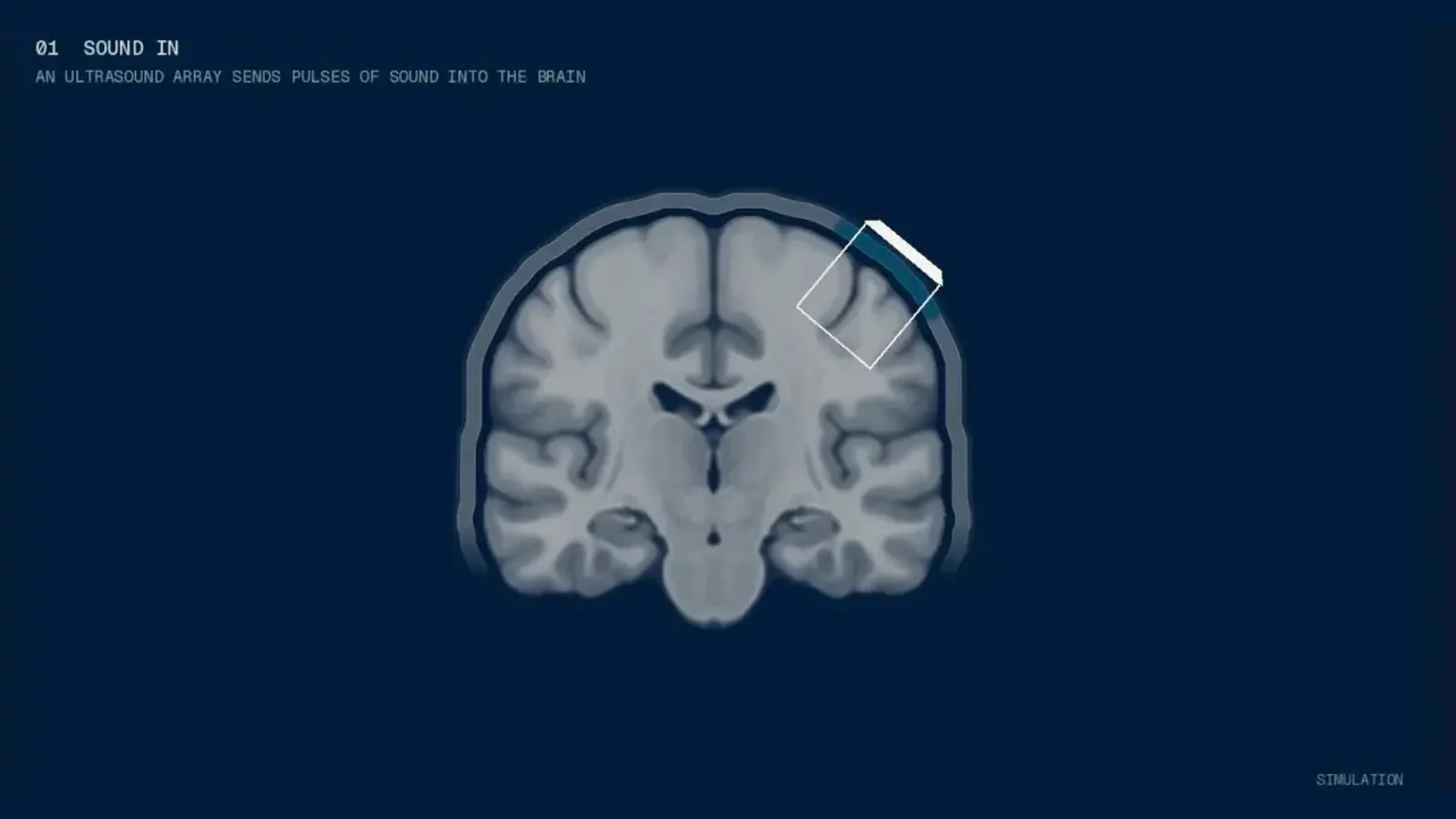
Bridge came out of stealth on Oct. 6 with $13.5 million, a license for Butterfly Network's ultrasound-on-a-chip, and a first human study in Redwood City. The plan is to read brain activity with sound, through the skull.
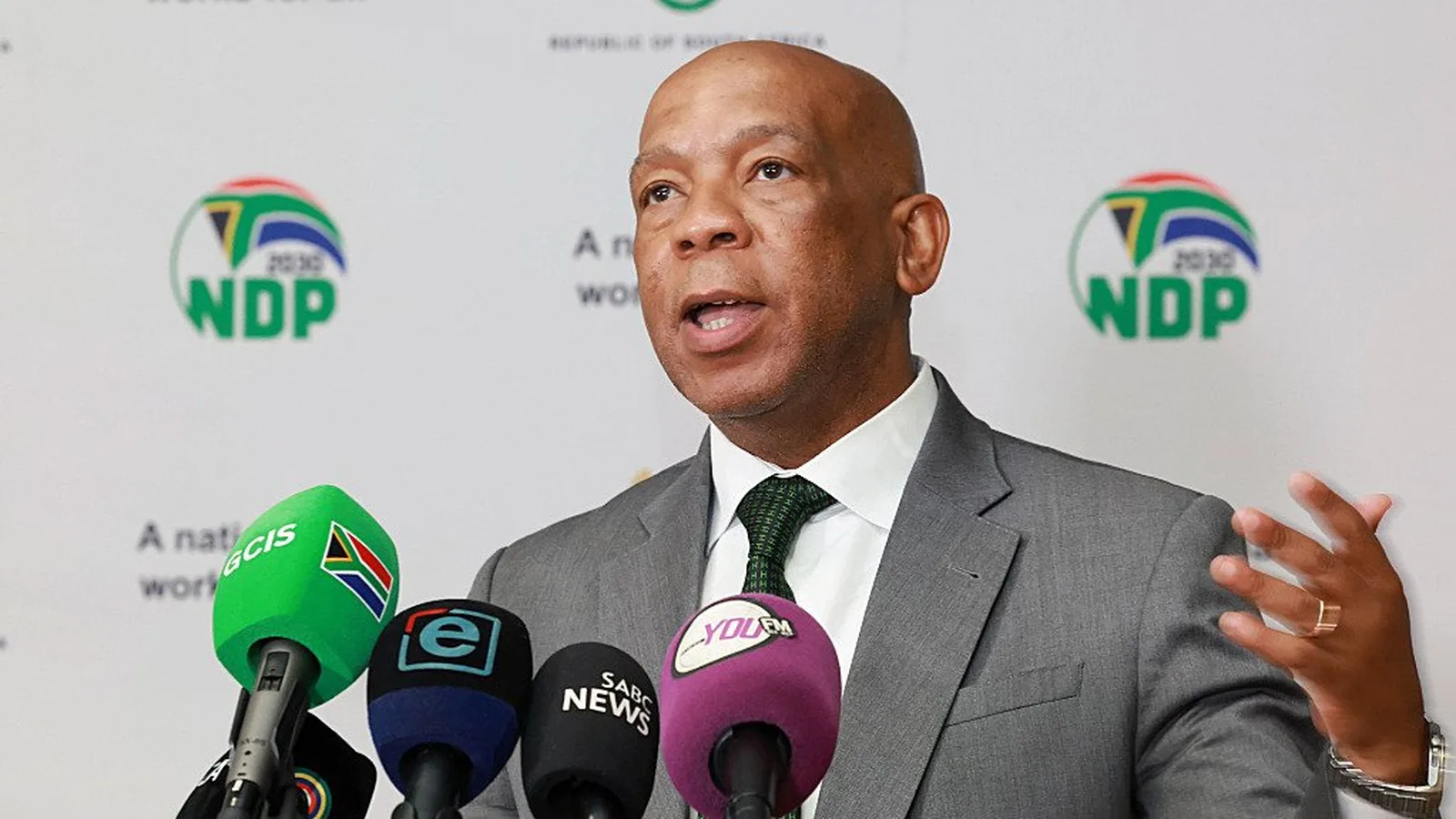
On Oct. 7 South Africa's electricity minister signed off on procuring 4,600 MW of battery storage and 5,000 MW of gas power. The goal is to stop wasting midday solar and keep the grid steady when the sun goes down.
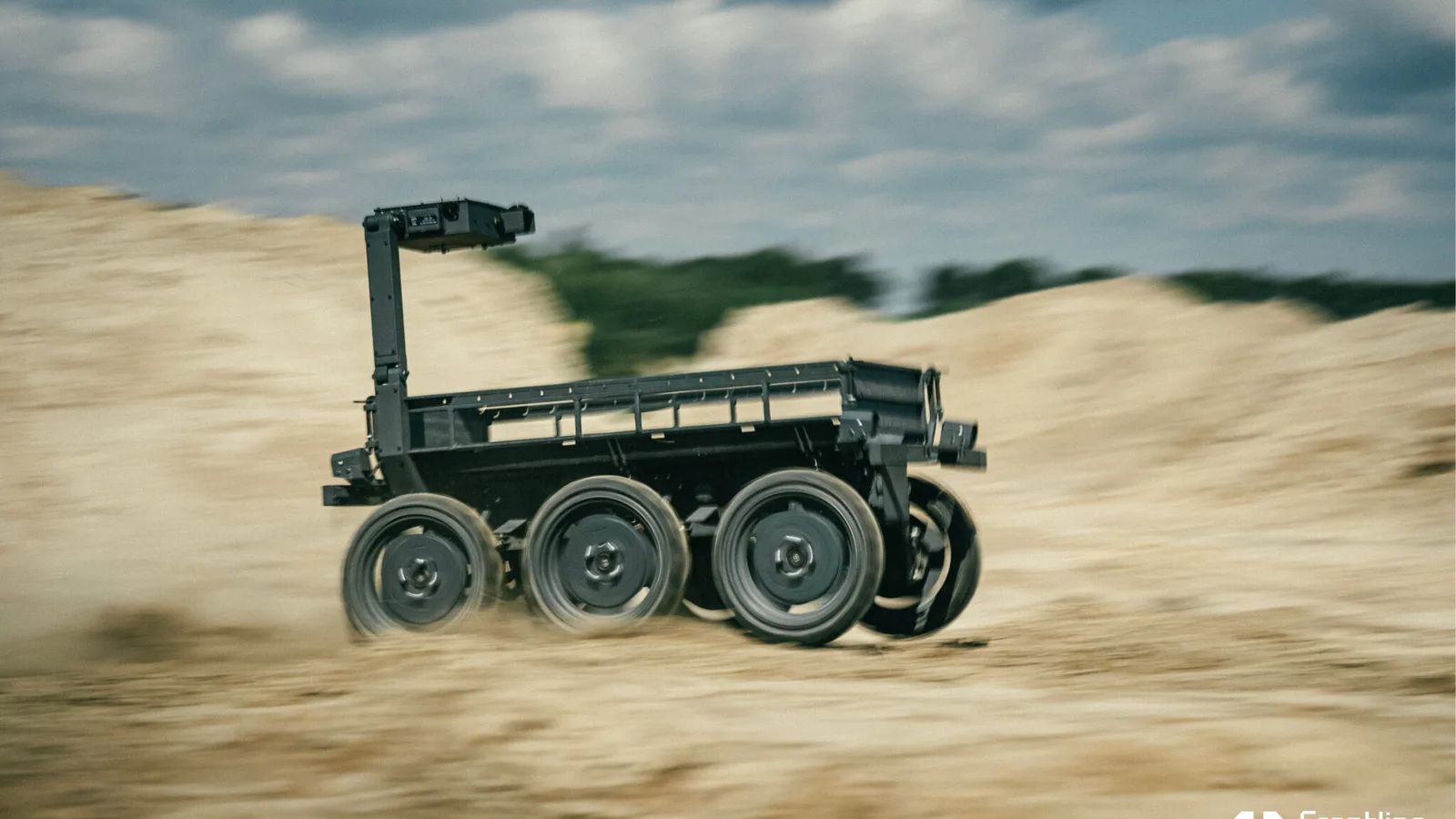
A week after it was unveiled, Frontline Robotics' six-wheeled Frodo made its first real rescue: a 92nd Assault Brigade crew used it to carry a wounded soldier to an evacuation vehicle. Ukraine logged about 112,000 ground robot missions from January to August.
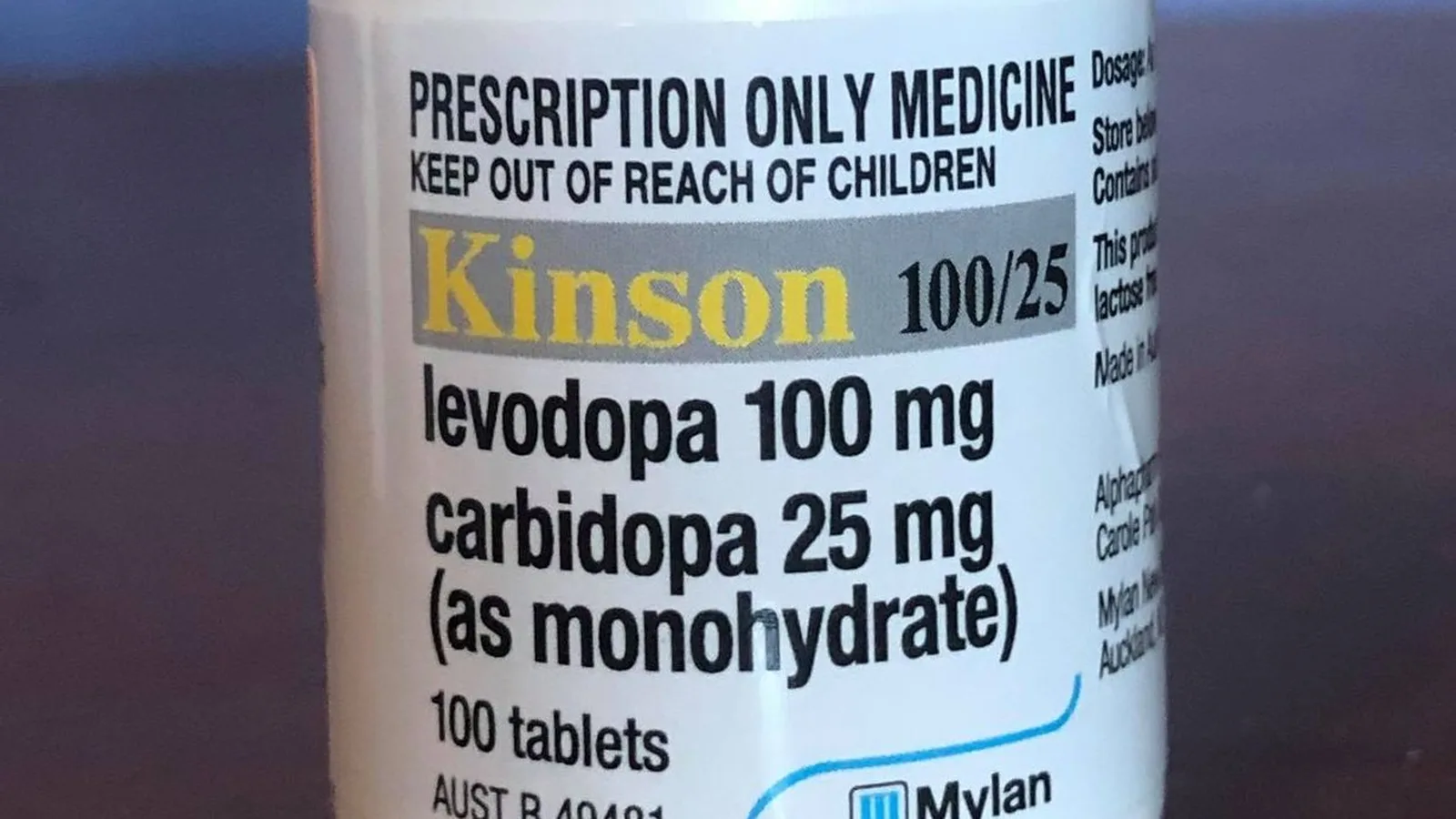
On Oct. 7 Cerevance said once-daily solengepras cut daily OFF time by 0.61 hours versus placebo in its 341-person ARISE trial, working through a new brain target called GPR6. Next stop is the FDA.

On Oct. 7 XREAL priced Aura, the first see-through glasses on Google's Android XR, at $1,279 and $1,499. Pre-orders are open only to people who already paid a deposit. General orders open in the coming weeks.

On Oct. 6 Waymo said fully autonomous employee rides are live in downtown Detroit and nearby neighborhoods. Public service waits on local validation.
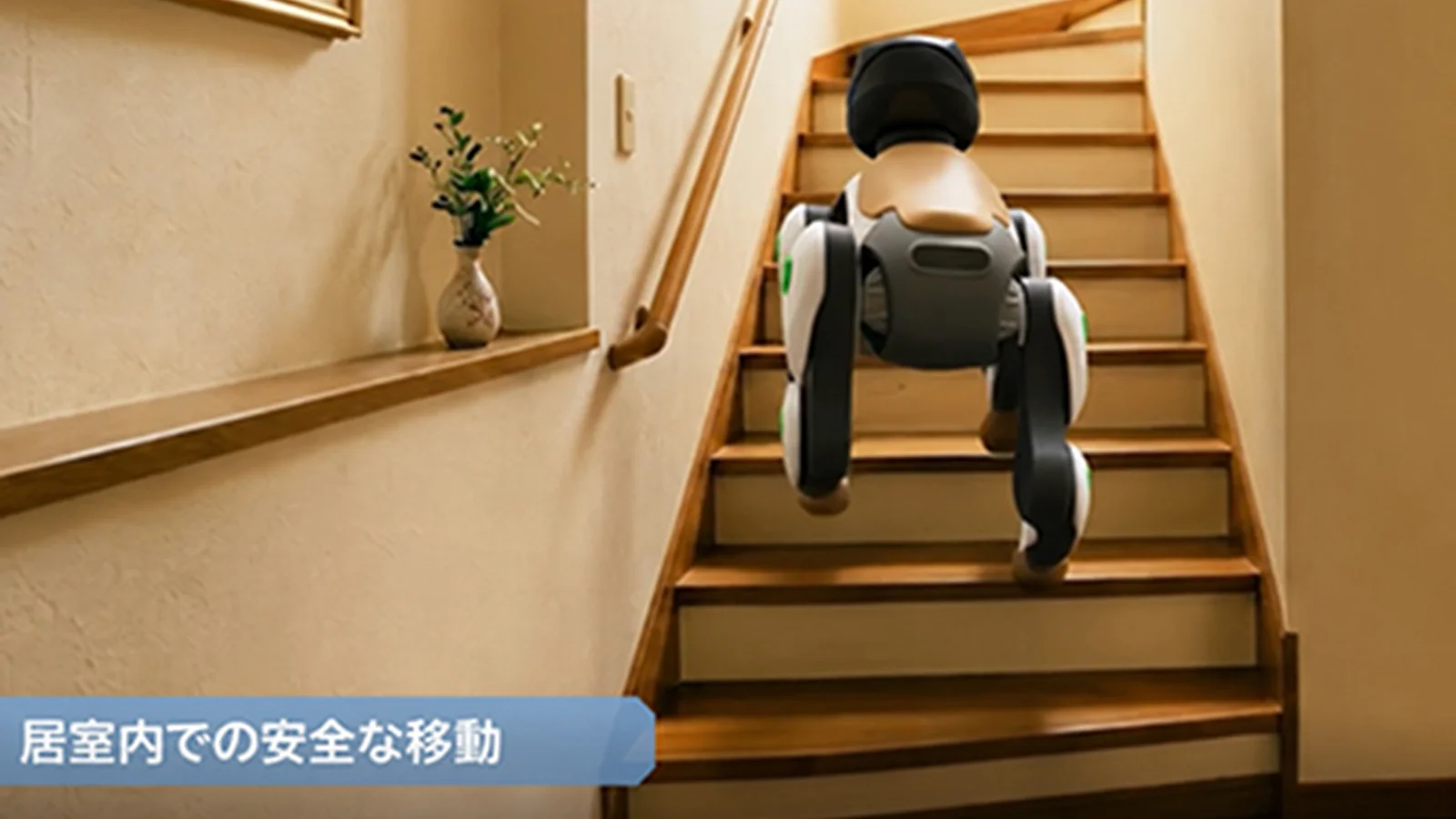
On Oct. 6 Kawasaki showed Home LEO, a physical-AI companion meant to watch over older adults at home, fetch items, and loop in family or carers. Launch target is fiscal 2028.
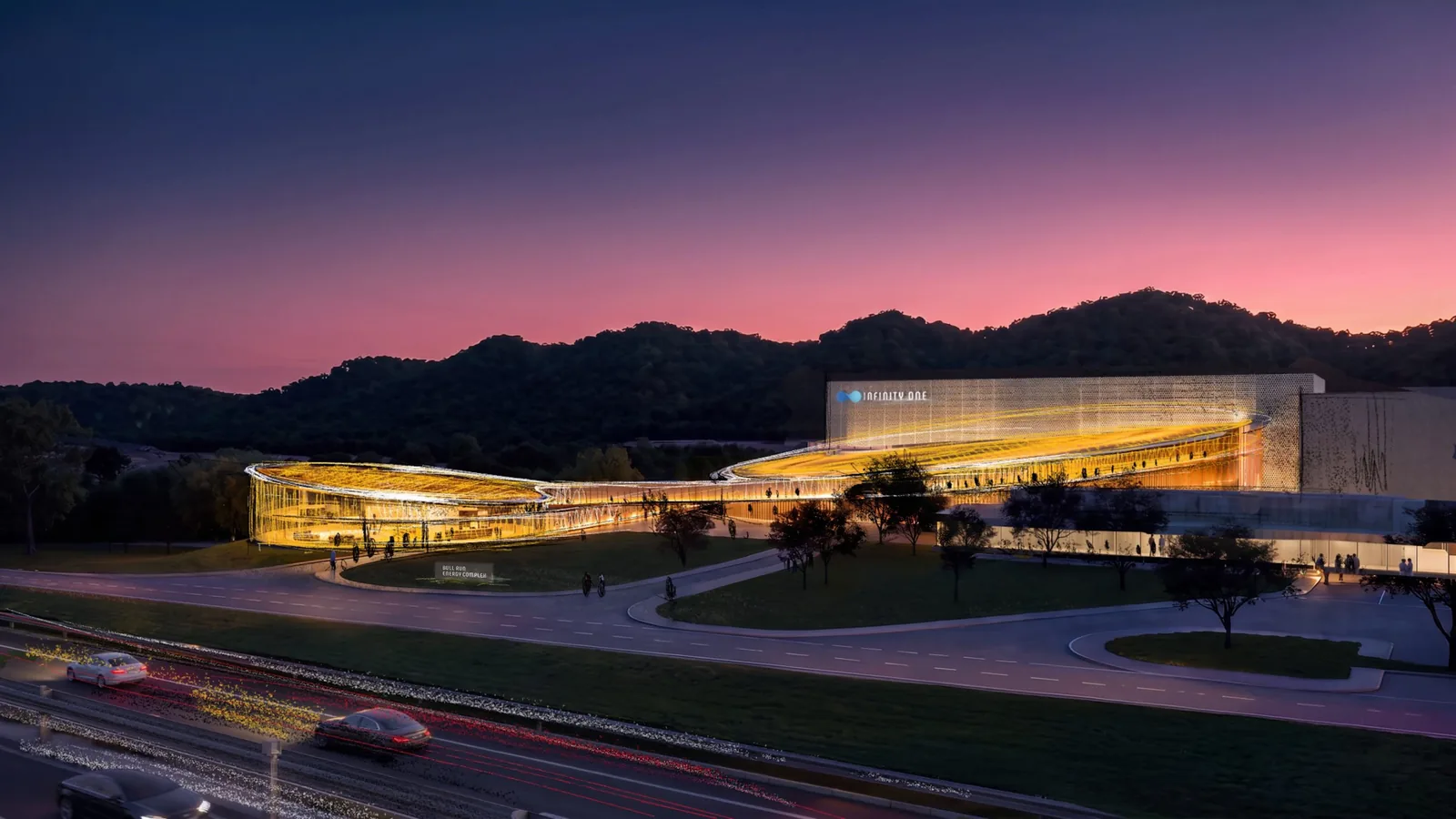
On Oct. 6 the Knoxville stellarator startup closed a $200 million Series B aimed at Infinity Two, a planned 400 MW plant at TVA's Bull Run site, with CFS magnet tech in the design.
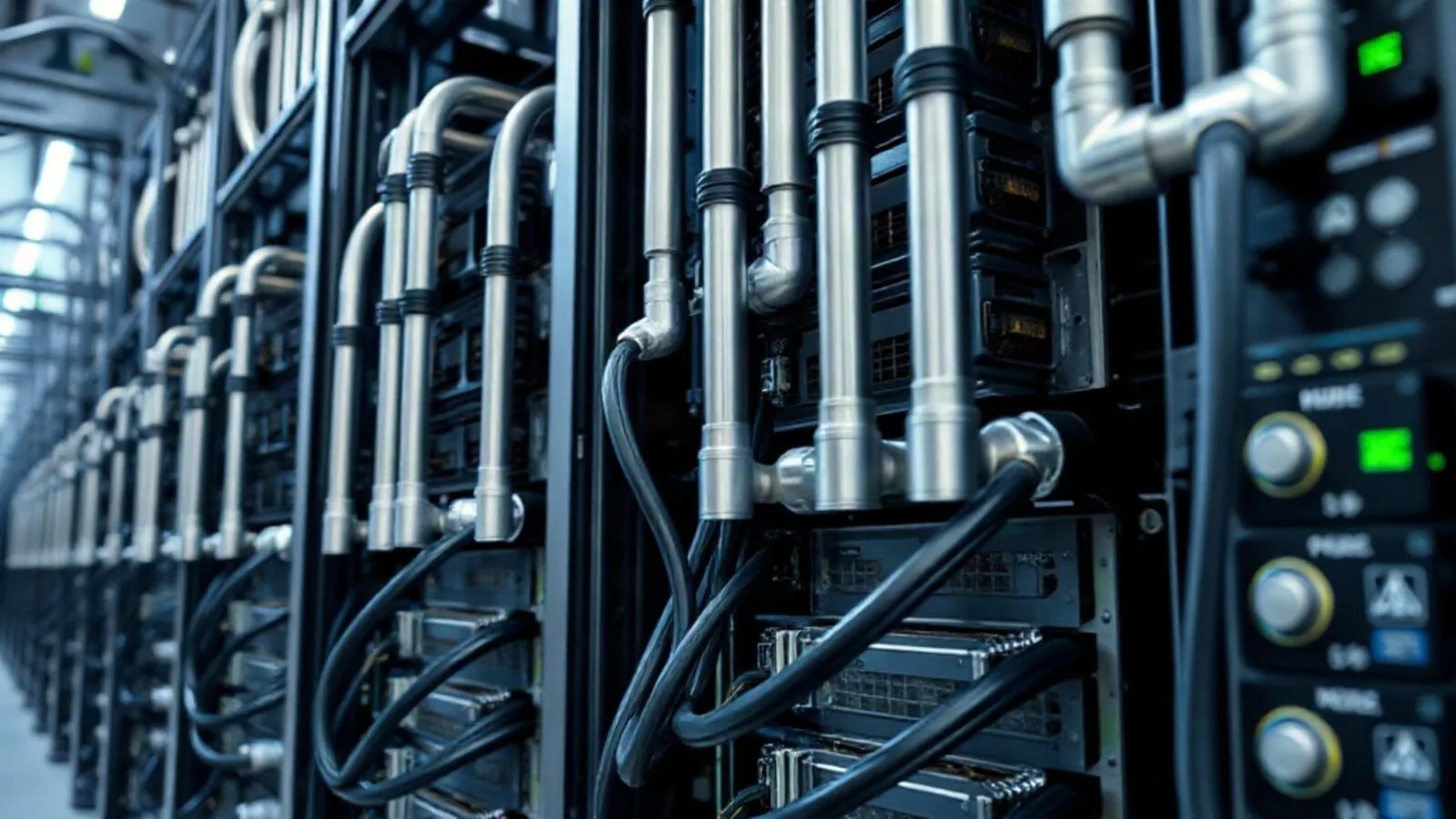
On Oct. 5 Hyderabad's AM Intelligence said two new binding orders for 20,000 Rubin GPUs take its Vera Rubin NVL72 buildout to about 29,000 GPUs and nearly 100 MW across India and Malaysia.
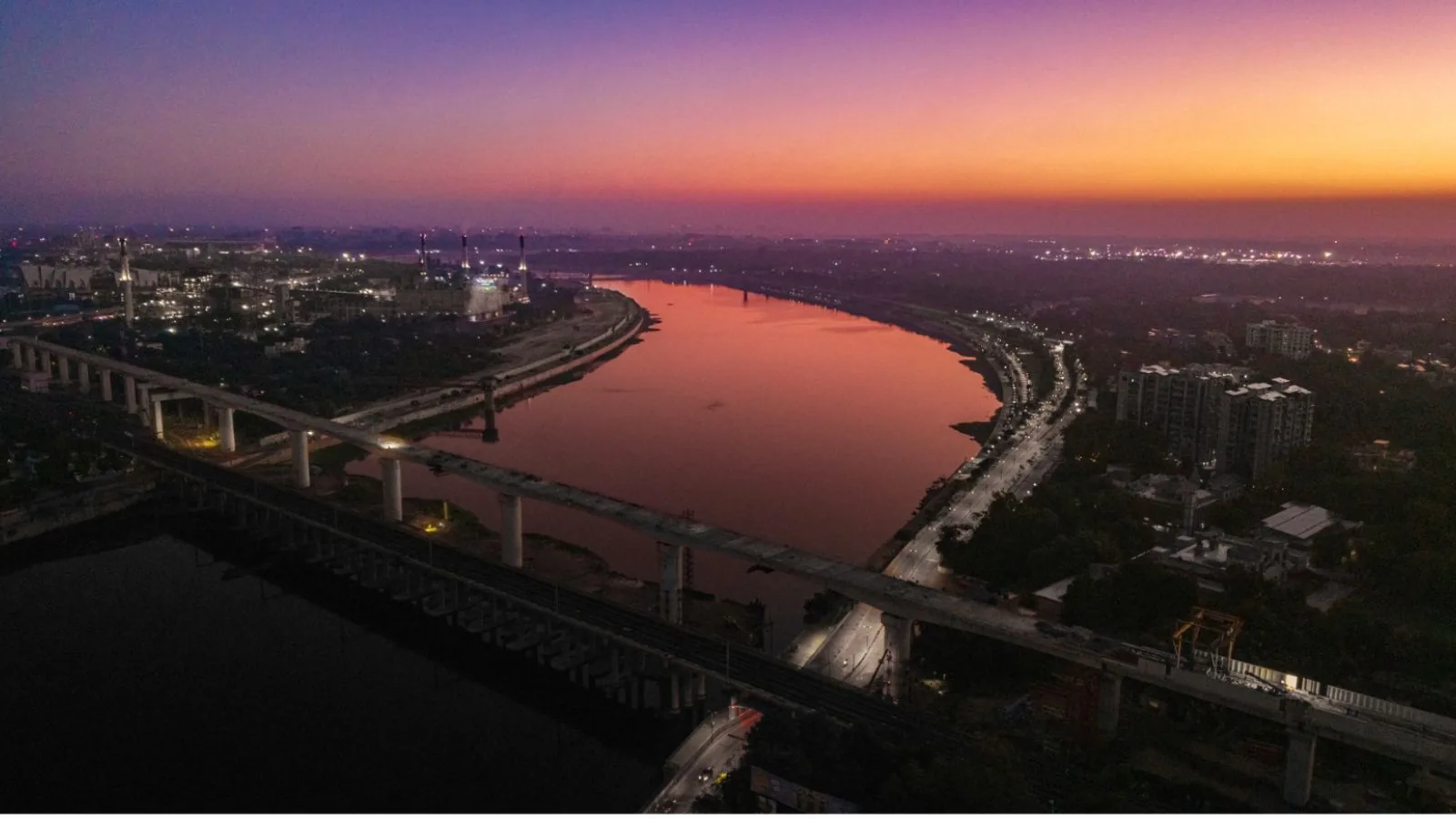
NHSRCL completed a 480-metre, 36-metre-tall bridge over the Sabarmati in Ahmedabad for the Mumbai-Ahmedabad high-speed corridor. Gujarat now has 18 of 21 river bridges done.
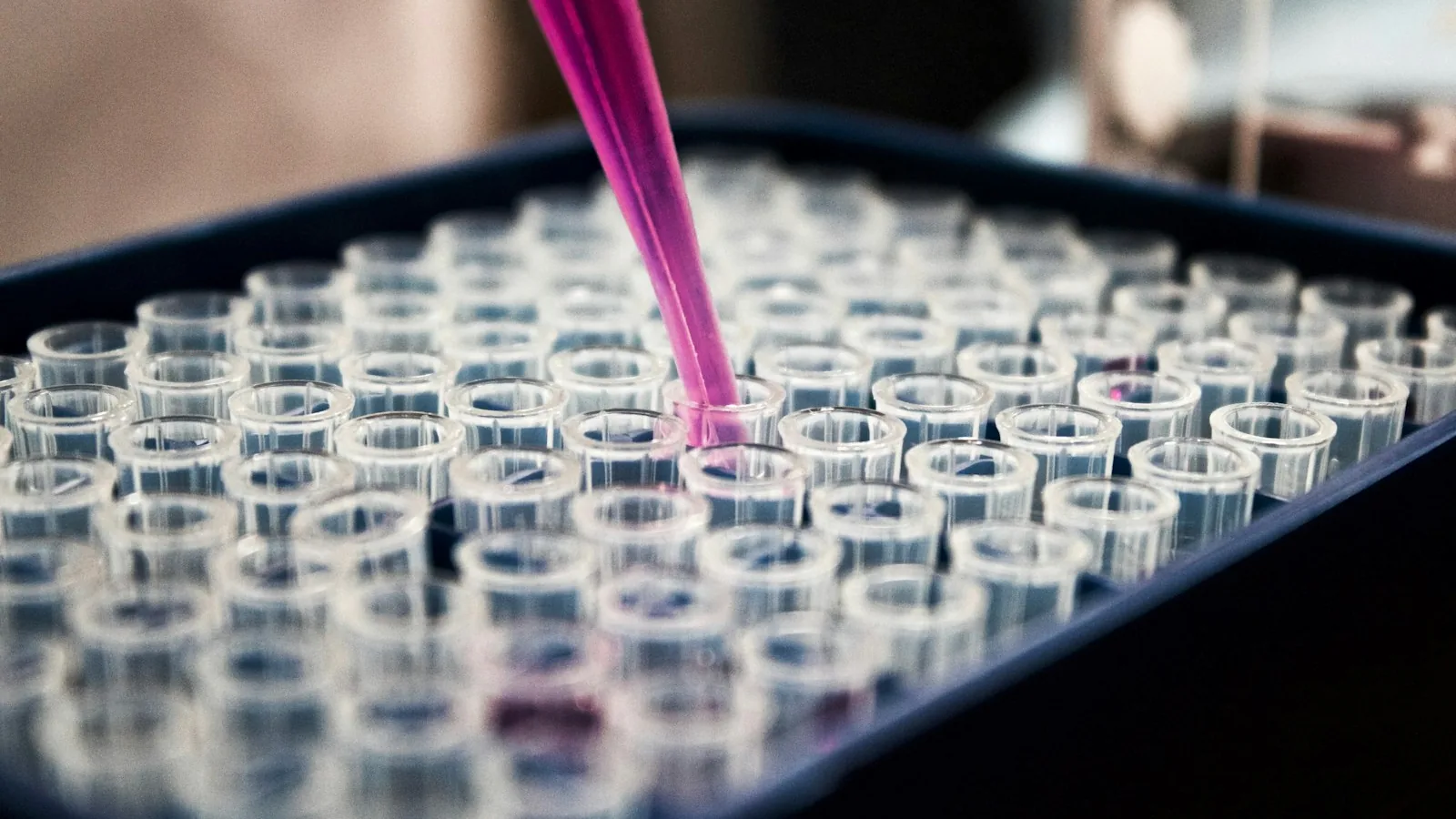
On Oct. 6 the Federal Register noticed a priority review voucher for FAYUVI, Ultragenyx's AAV9 gene therapy approved Sept. 17 for children with Sanfilippo syndrome type A.
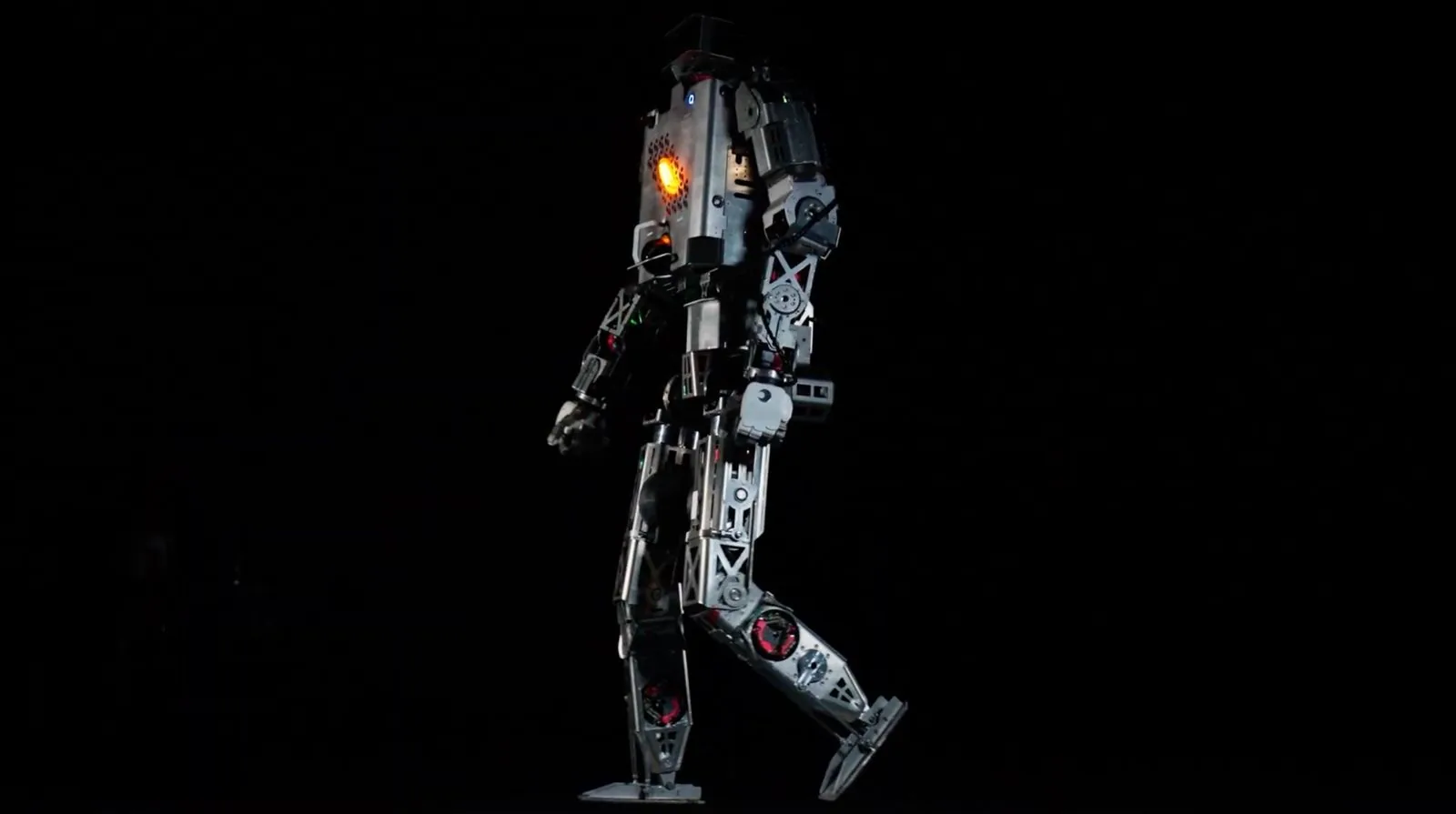
Minerva Humanoids came out of stealth with about $10 million led by General Catalyst. Its humanoid, Roger, is run by trained specialists through a VR headset for bomb disposal and oil and gas work, with paid pilots this fall.

Australia's Privacy Commissioner is investigating Shenzhen Qingcheng, maker of the HeyCyan app used by low-cost smart glasses sold at Kmart, Big W Marketplace and Amazon, after testing found more than a dozen serious security flaws.
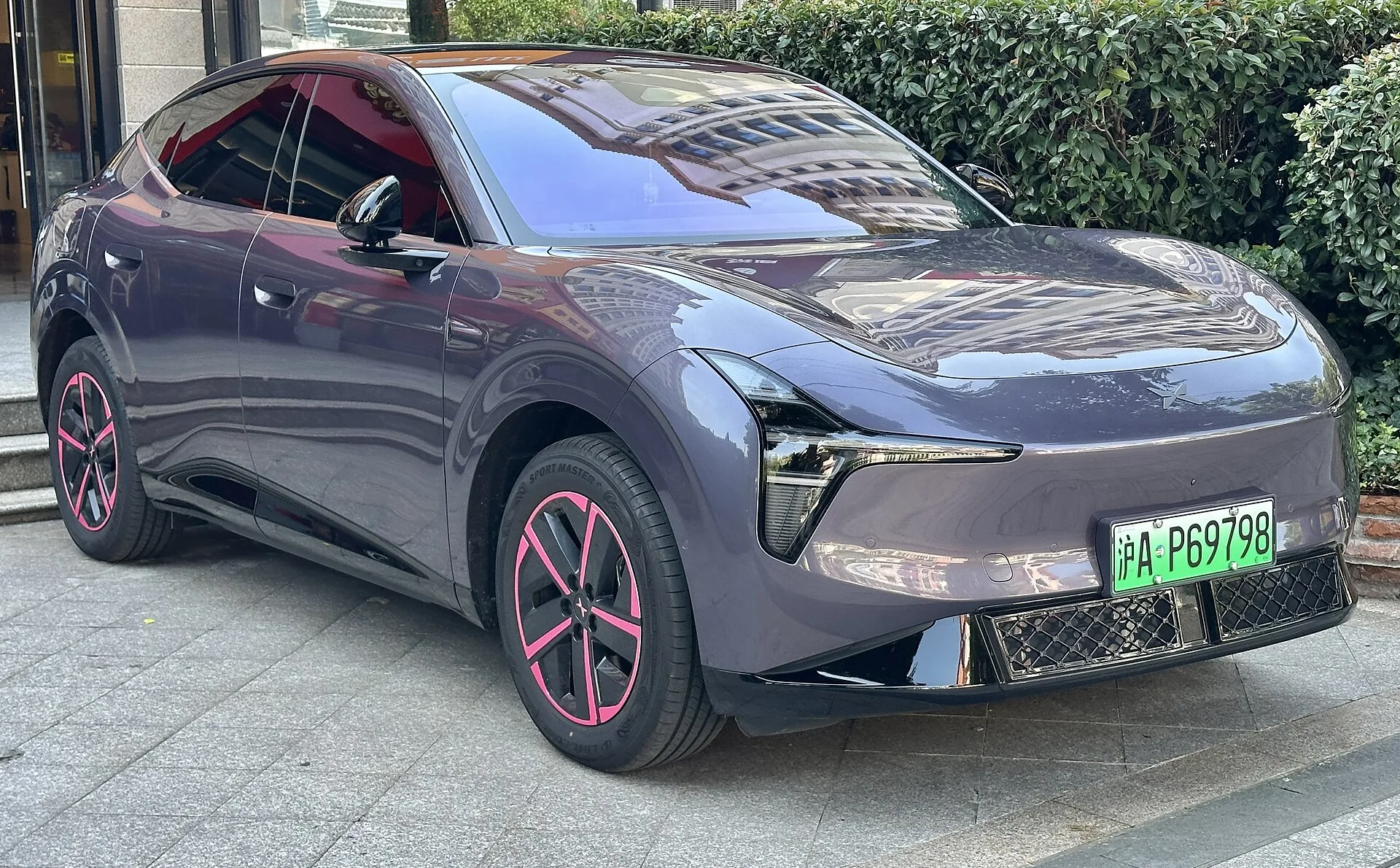
From Oct. 12 to 18, the Paris Motor Show's new Autonomous Lab will put visitors in six Tesla Model 3s running FSD (Supervised) and two XPeng L03s running NGP on open roads, even though neither system is approved for sale in France.
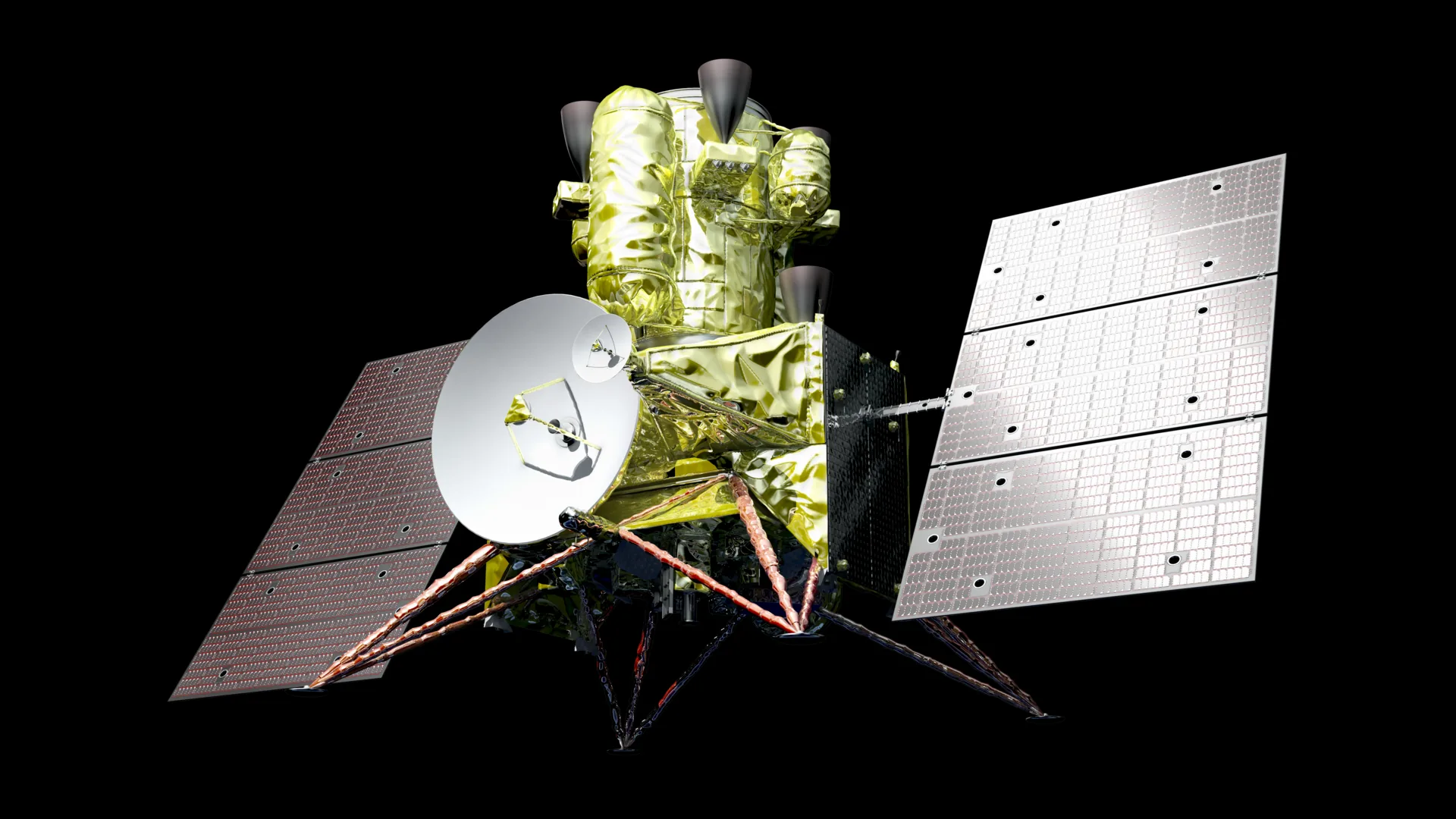
JAXA's Martian Moons eXploration spacecraft is set to launch on an H3 rocket at 3:41 p.m. ET on Oct. 19. The plan: drop a rover on Phobos, land twice, and bring more than 10 grams of it back to Earth in 2031.
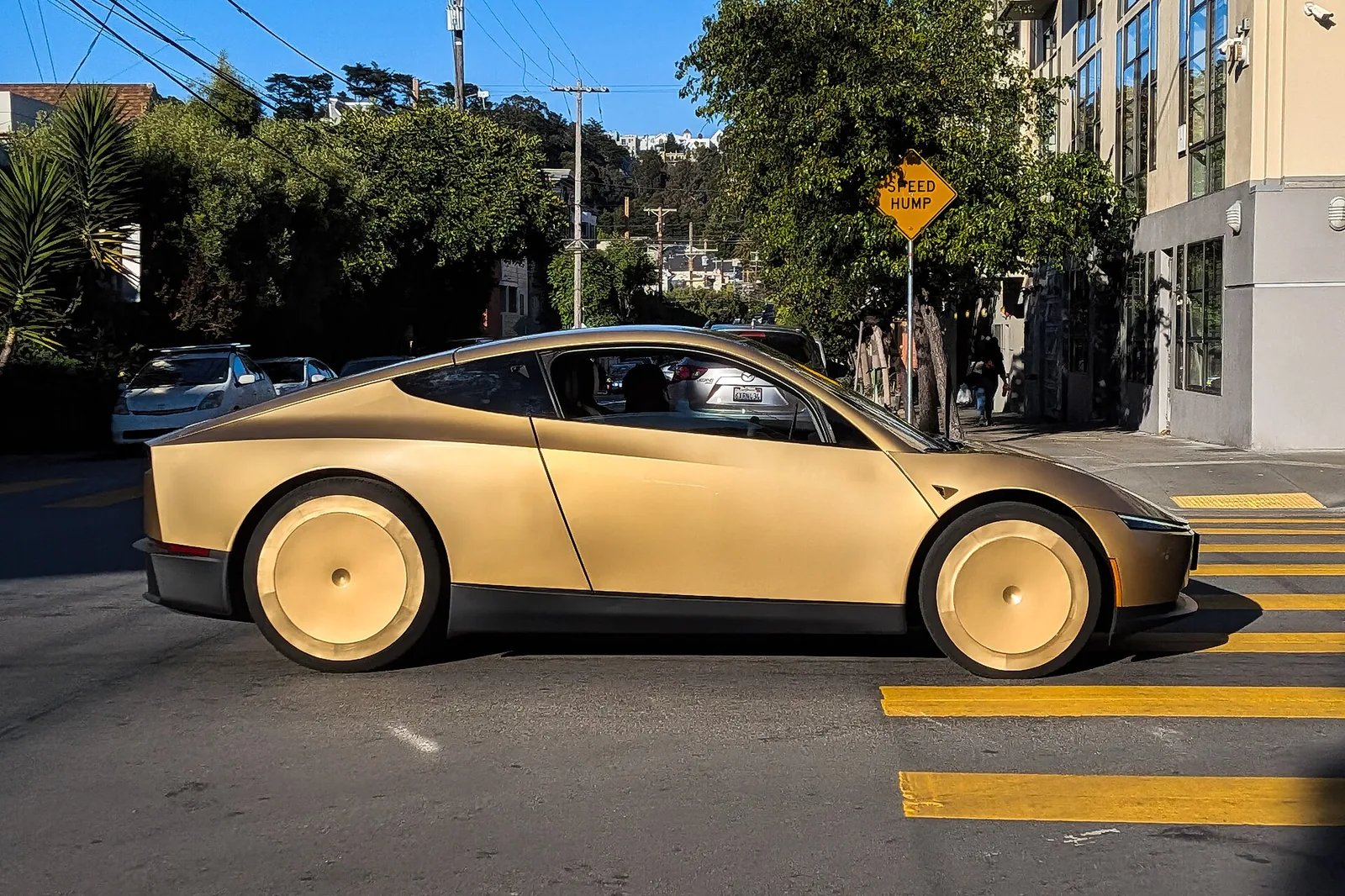
Tesla pushed its Austin Robotaxi hours one hour later, to 11 p.m. Texas records show 169 Cybercabs cleared for paid rides, up from 45 at the Sept. 3 launch. Musk says pets at night are the holdup.
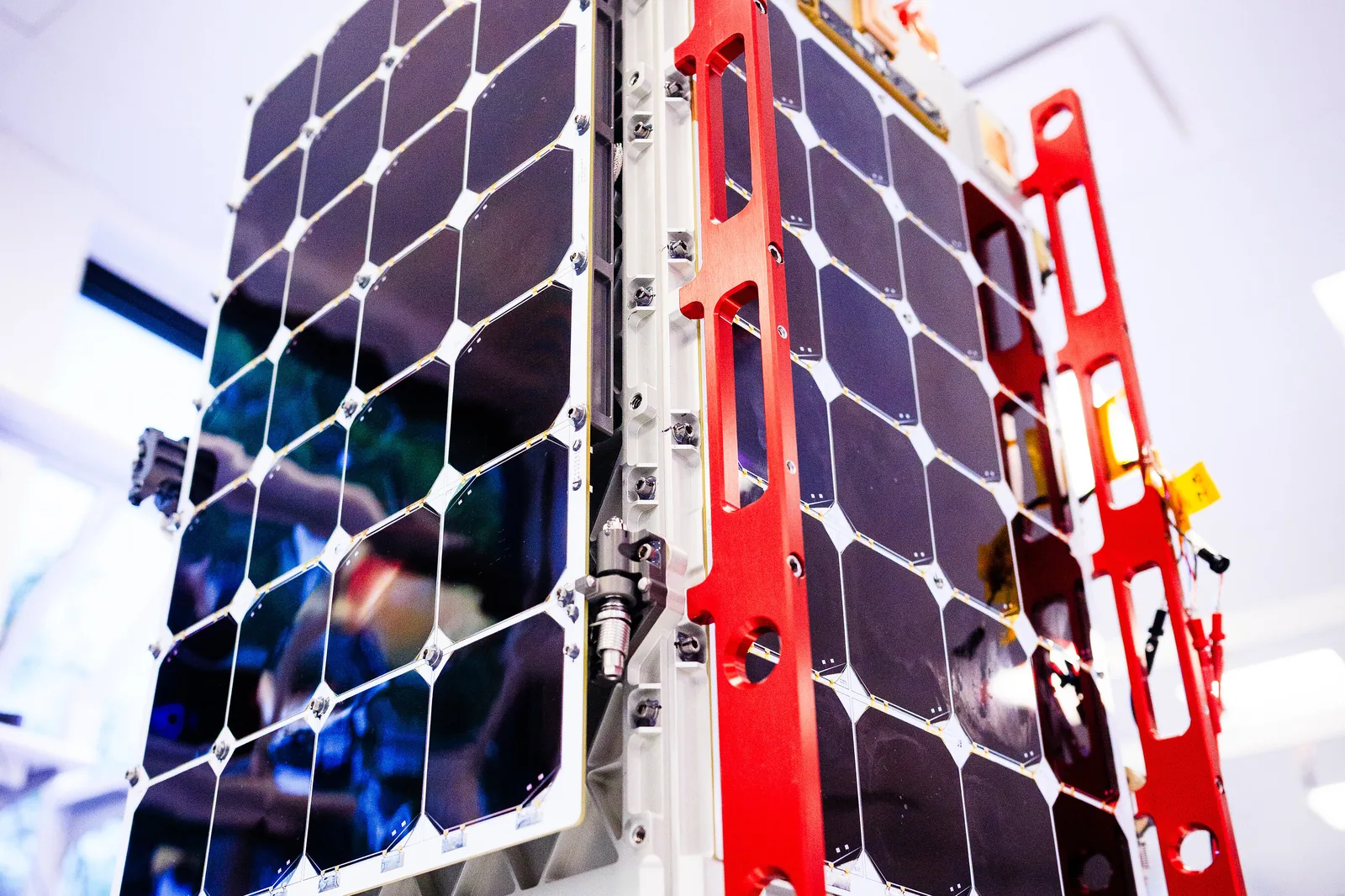
Star Catcher's Protostar launched Oct. 1 on SpaceX's Transporter-18. Over the next few months it will release a CubeSat and try to beam power with light onto its solar panels, which Star Catcher says would be a first.
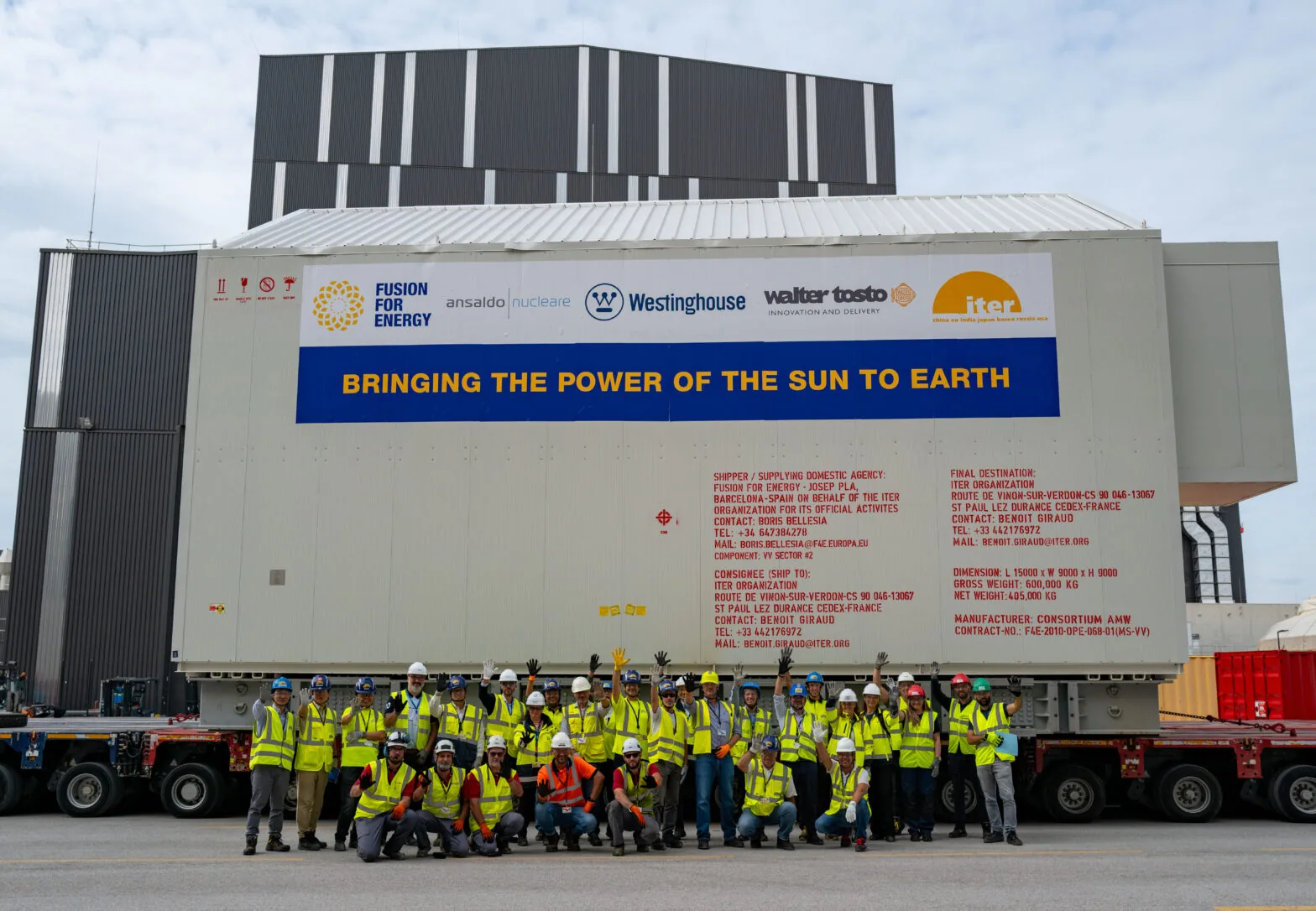
Europe's fifth and final vacuum vessel sector reached the ITER site in France on Oct. 2. ITER says every core component of the machine is now on site. Research operations are still set to start in 2034.
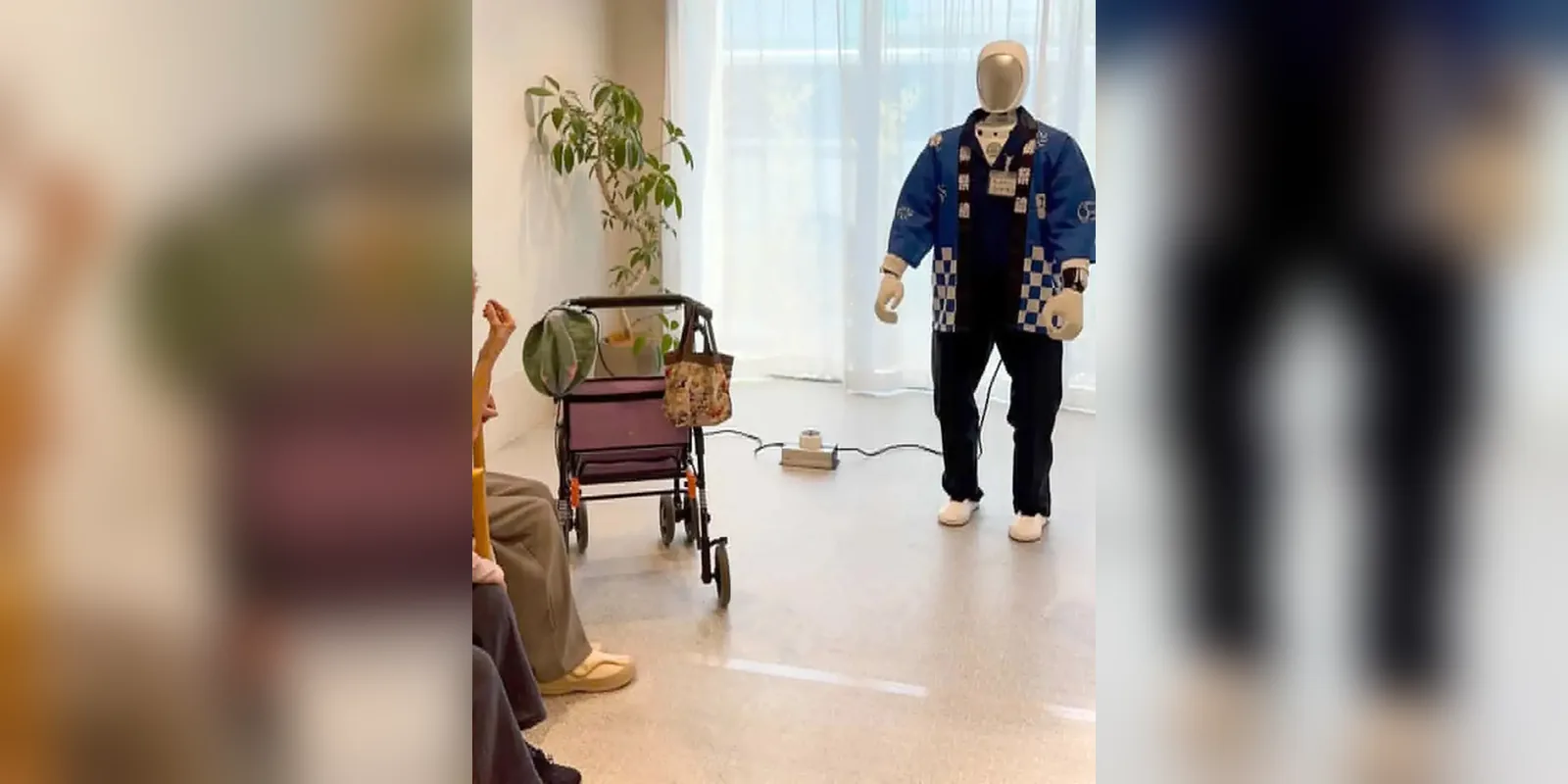
Charm Care, which runs more than 100 private nursing homes in Japan, is putting ¥300 million (about $2 million) into donut robotics. Its cinnamon humanoid has been on trial in one home since July.

OpenAI said Oct. 5 it will add an invisible watermark to eligible ChatGPT and Codex text in the EU over the coming weeks. API customers anywhere can opt in now. The detector is limited to approved researchers.

Aleph Alpha put out Kolibri on Oct. 3. It is a 78 billion parameter mixture-of-experts model with about 3 billion active per token, up to 1 million tokens of context, and Apache 2.0 weights on Hugging Face.
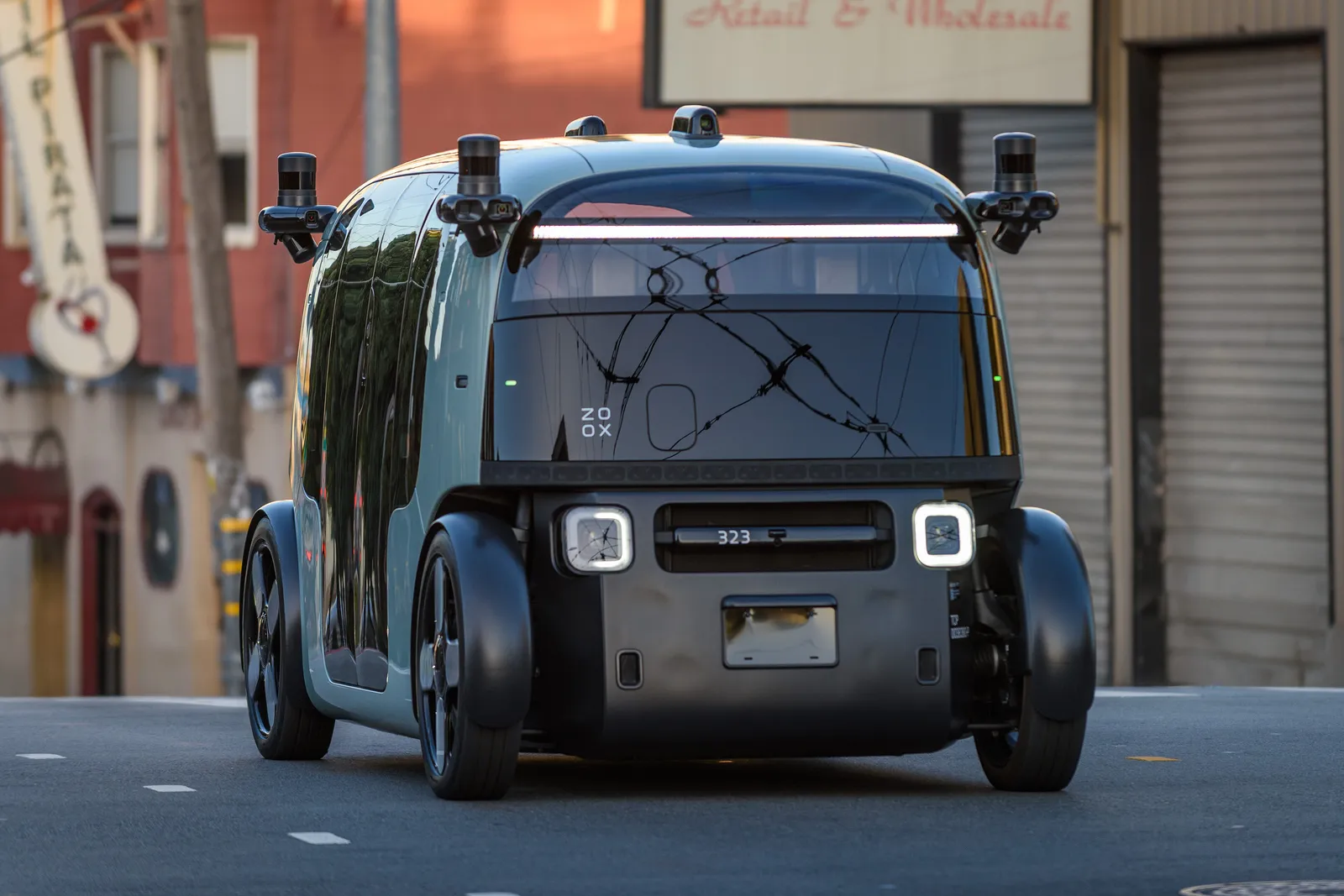
Gov. Newsom signed SB 1246 on Sept. 30. Starting July 1, 2028, a robotaxi that blocks an emergency for more than 30 minutes after a technician is requested can cost its company up to $10,000 per vehicle.
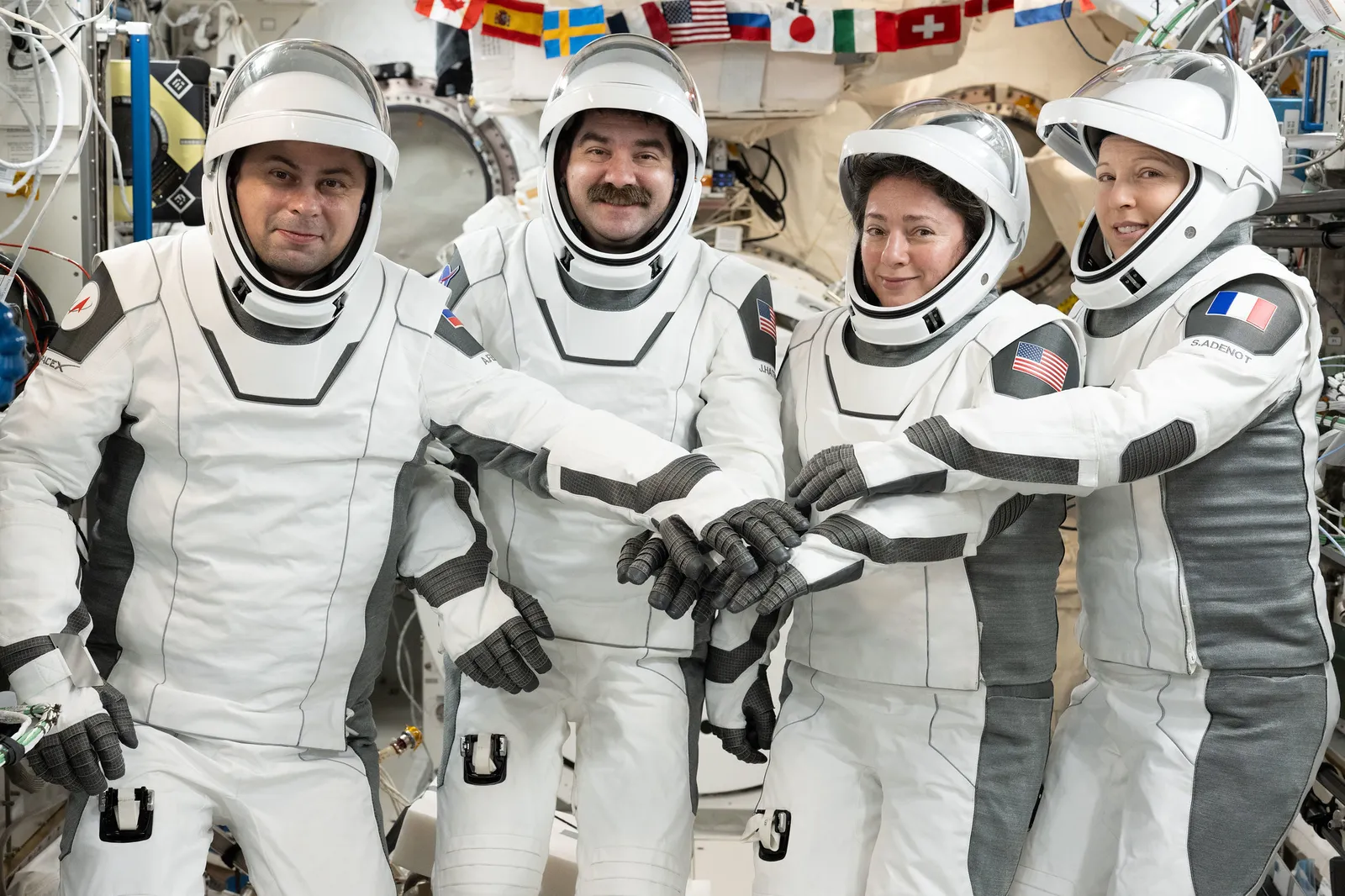
NASA is targeting no earlier than 8:05 a.m. EDT Wednesday, Oct. 7, for Crew-12 to leave the station. Splashdown off California is about 11:34 a.m. EDT Thursday. The crew has been up since Feb. 14.

On Oct. 5, Norway's government said it will propose a temporary ban on using AI glasses in places like parks, beaches, schools, gyms, and doctors' offices. It is a plan for a bill. Nothing is banned yet.
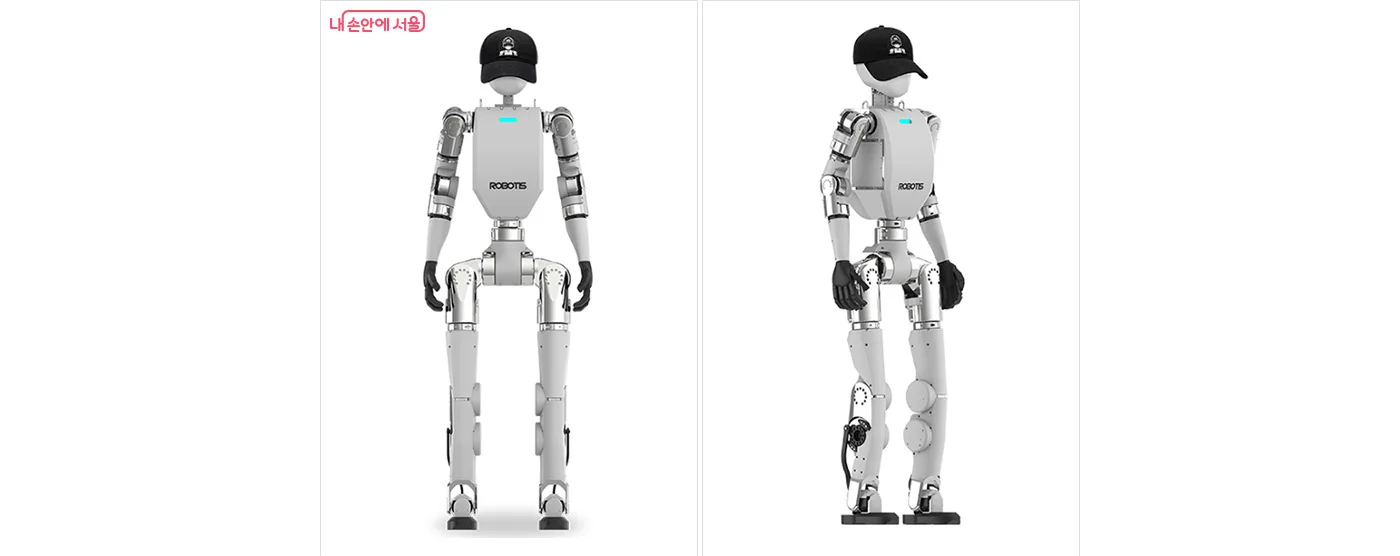
The 2026 Seoul AI Robot Show runs Oct. 6 to 8 at COEX. The city says 51 companies are in, six Korean humanoids are on open display, and firefighters and police will run a robot rescue challenge.
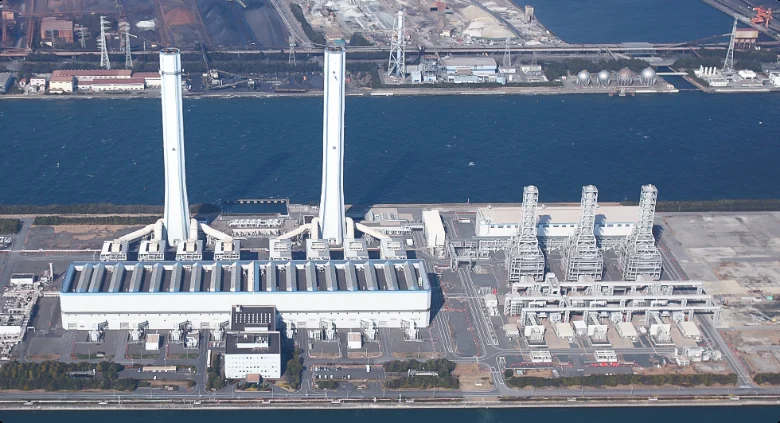
On Oct. 1, 2026 the three signed a memo for a behind the meter AI project at JERA's Chiba Thermal Power Station. Up to 400 MW. Capital expected above $15 billion. Operations targeted around 2028. Not built yet.

Droid Life reported the FCC filing on Sept. 30, 2026. Models SM-O200P and SM-O200J. No display. A Samsung official told The Korea Herald the launch is November. That is not a ship date.
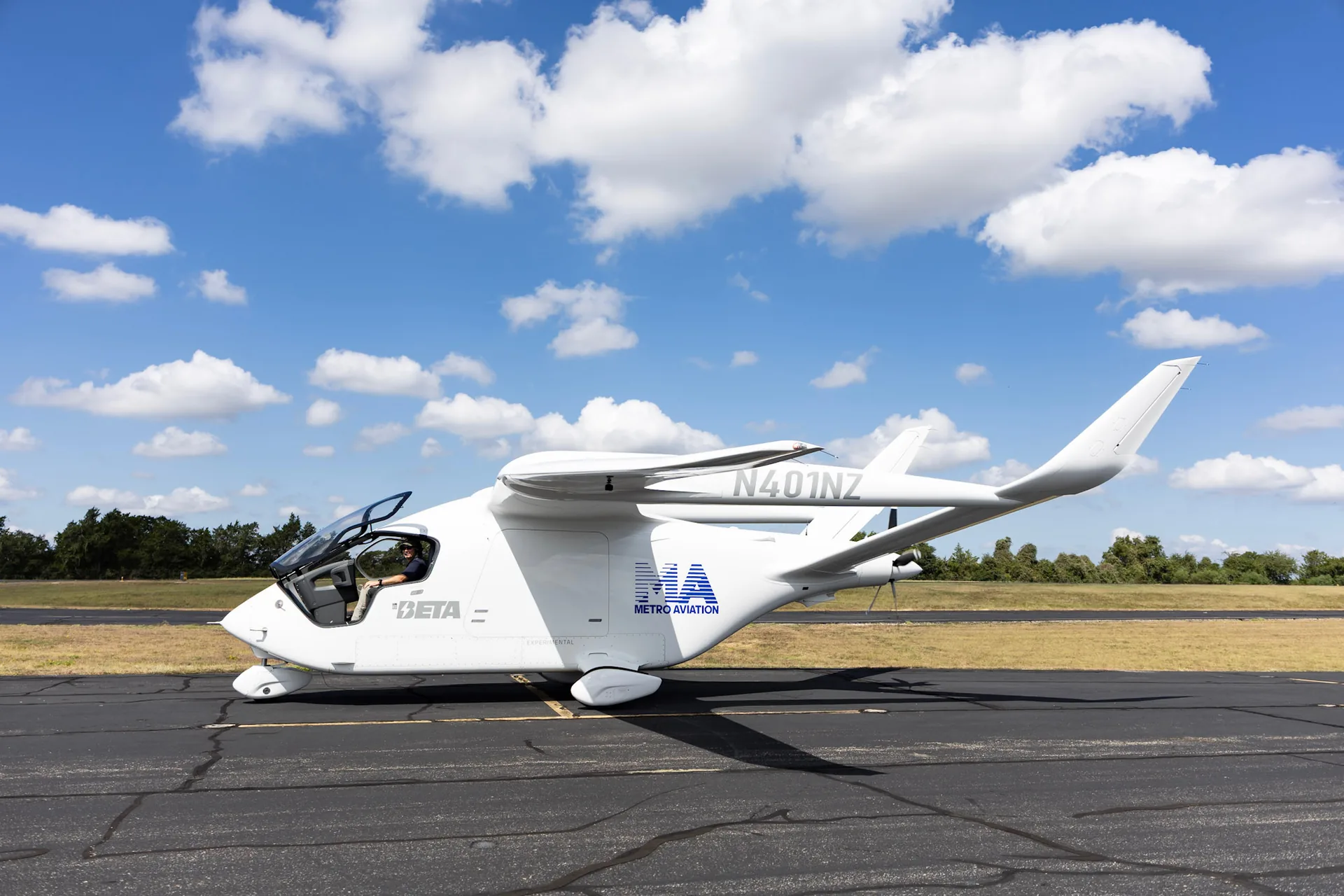
On Sept. 24 BETA and Metro Aviation said the ALIA CTOL flew in Brenham with Washington County EMS. It was BETA's first Texas flight under the federal eVTOL pilot program. The job was moving disaster gear.
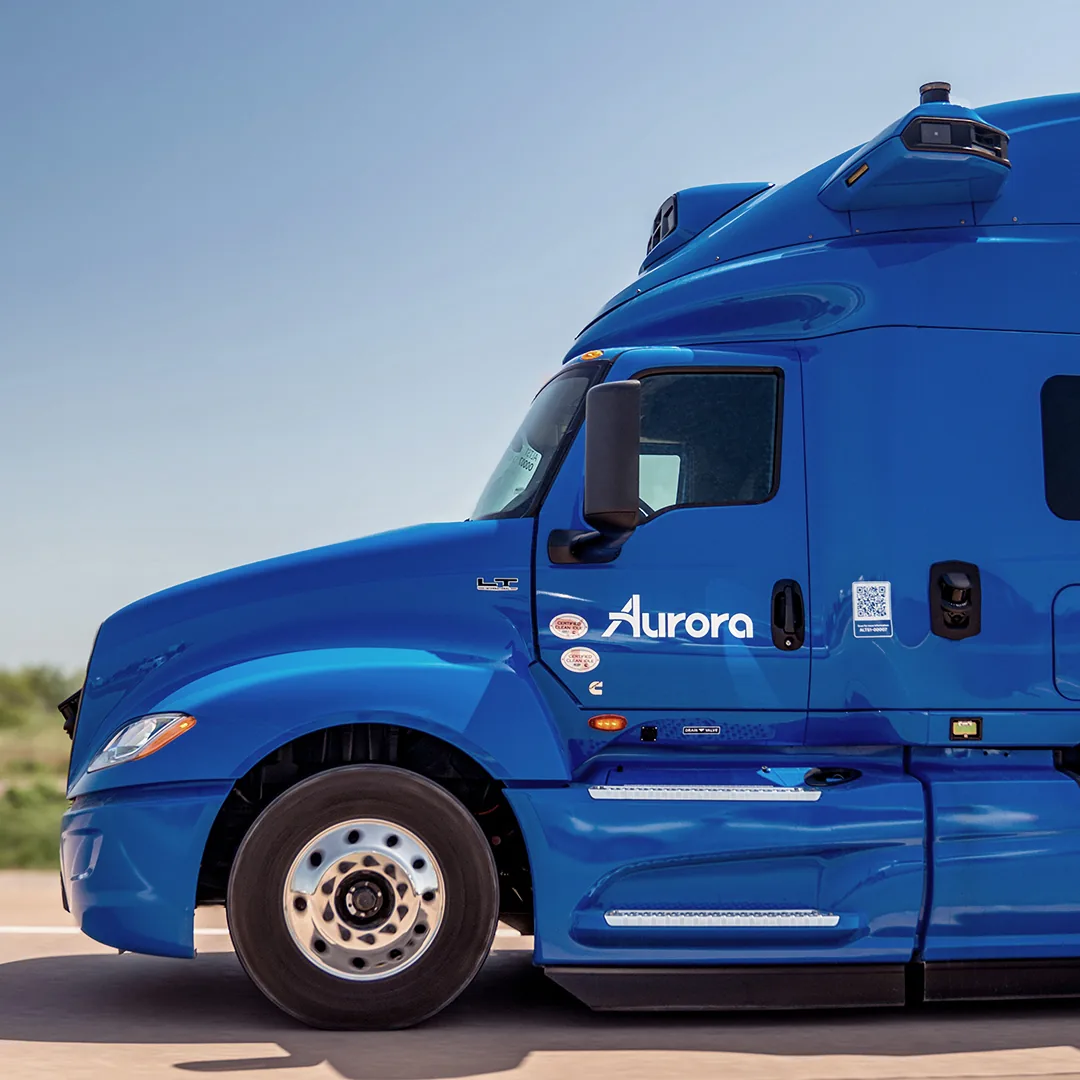
At its Sept. 23 investor day in Dallas, Aurora offered rides with nobody at the wheel on a piece of its freight route, and said Roush is aiming to upfit 20 trucks a week in October.
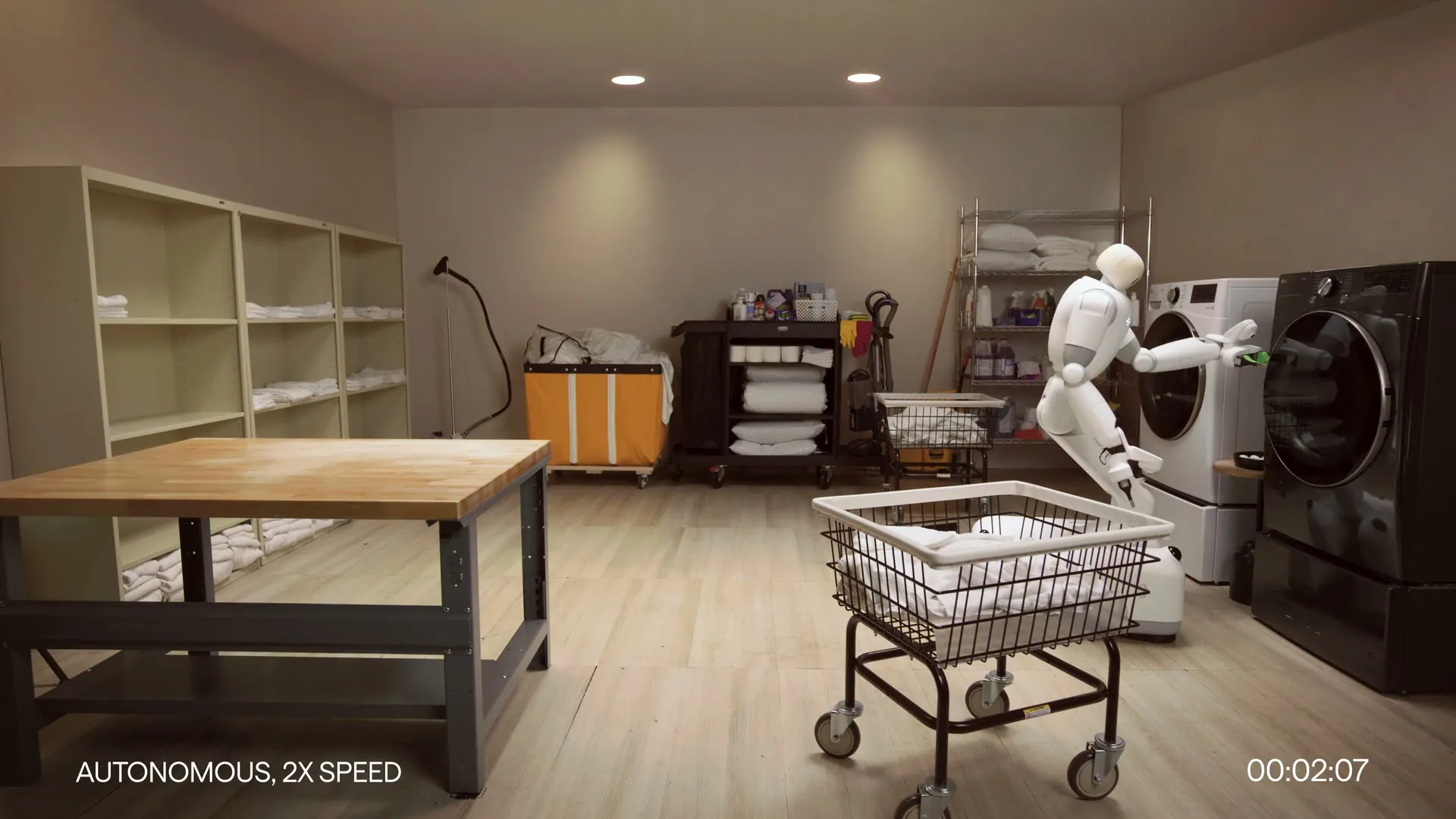
On Sept. 29 Dyna Robotics posted Taku, a wheeled robot with arms, and an uncut hour of hotel laundry it says ran without a person stepping in. Customer sites are still the next step.
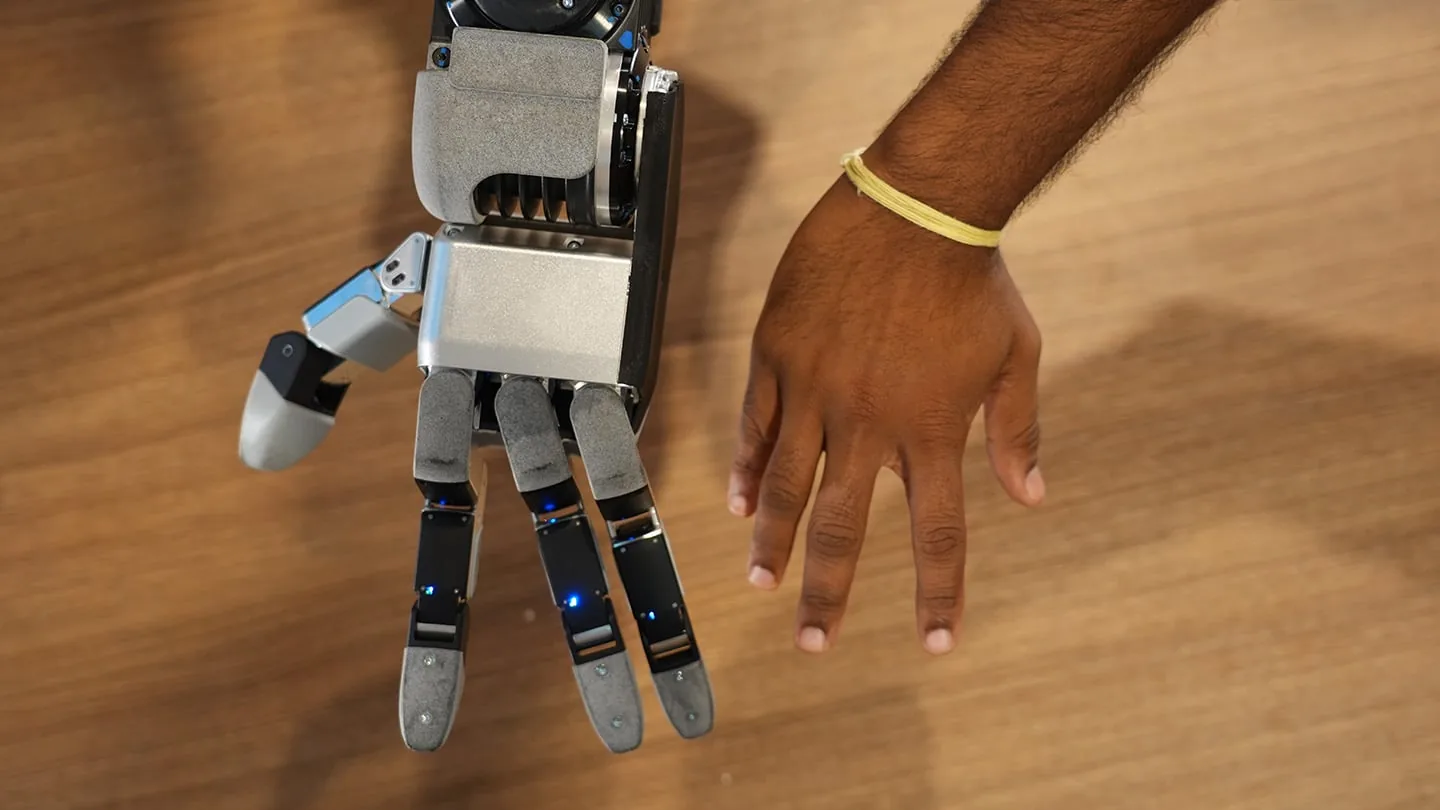
The Oct. 1 write-up drops the pinky. The new hand has 13 degrees of freedom, direct drive, and a job list that starts with tools.
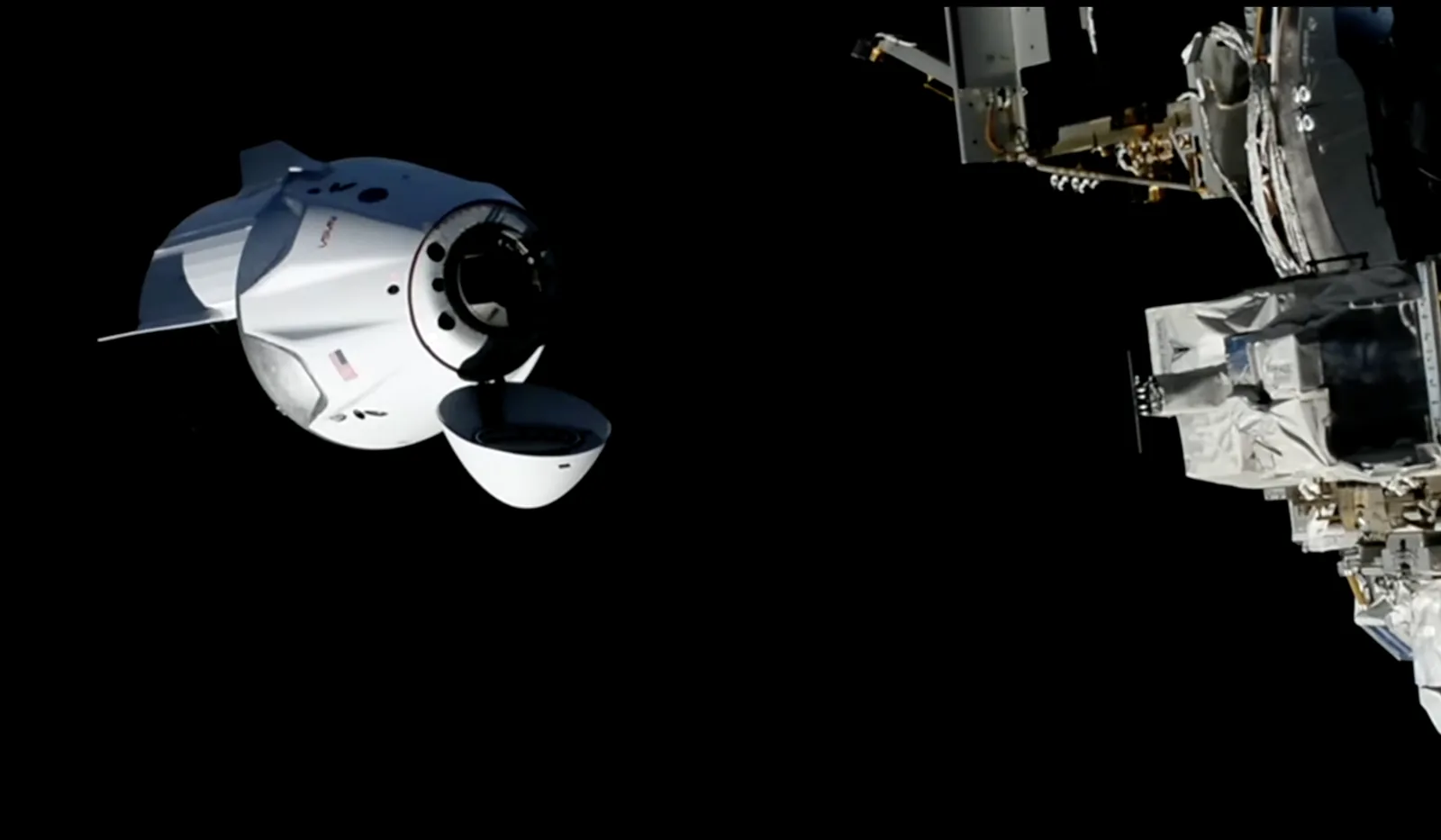
NASA says Dragon docked to Harmony's forward port at 7:05 p.m. EDT on Oct. 1. The hatch opened at 9:19 p.m. EDT. That trip is the fastest U.S. launch-to-docking in station history.
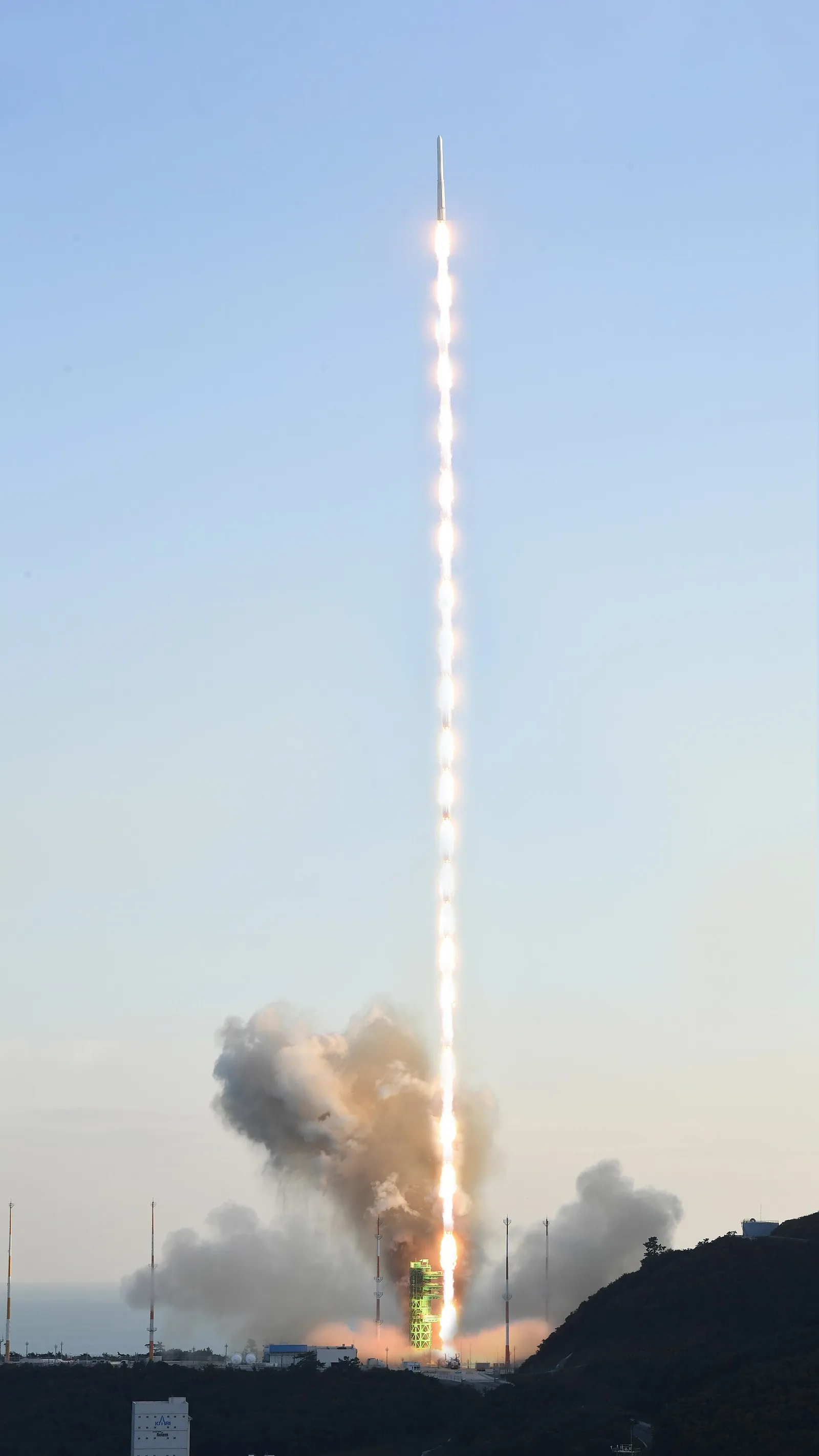
KASA chief Oh Tae-seok said Sept. 30 that the fifth Nuri launch is still on for Oct. 7 at Naro. The rocket carries five NEONSAT satellites and 10 CubeSats. The window KASA set in August is 12:23 to 1:23 p.m. Korea time.
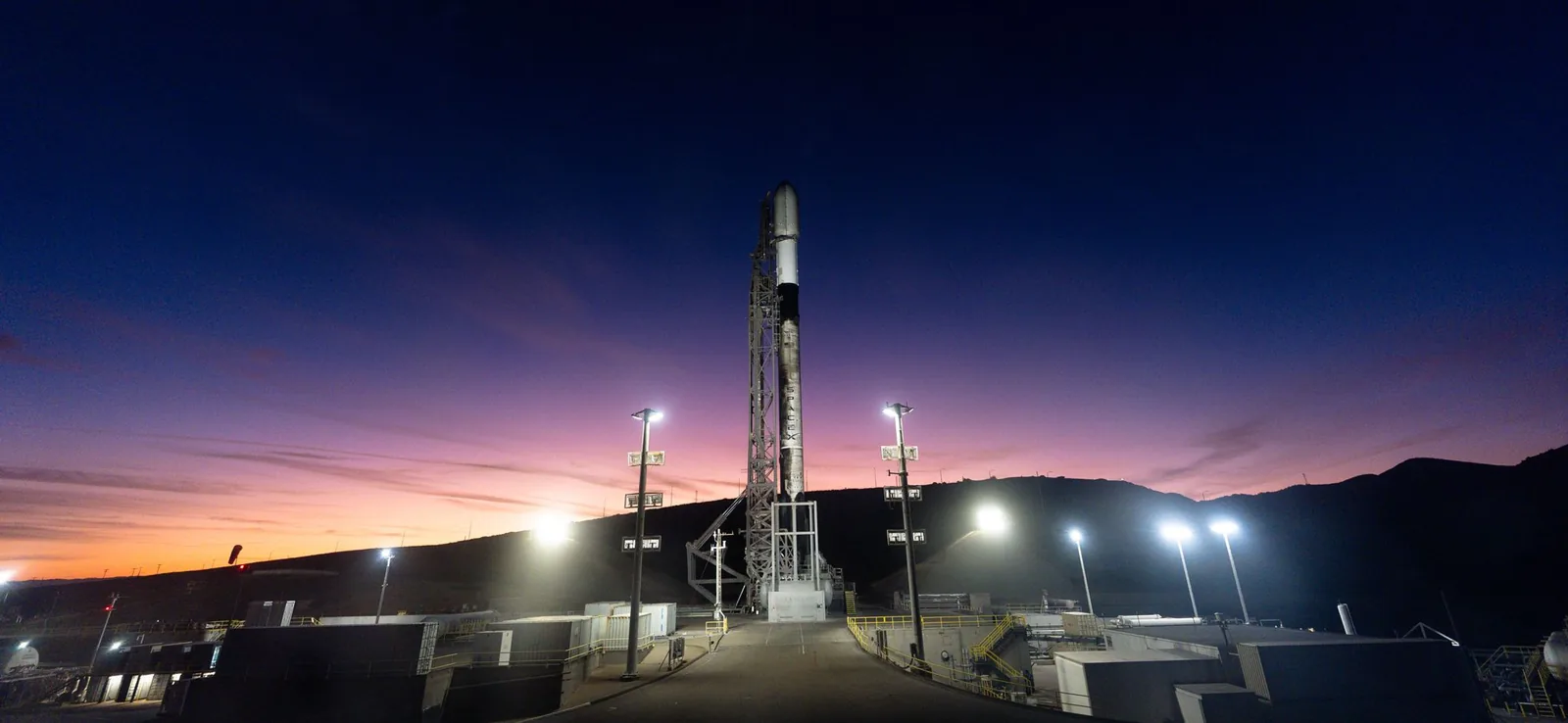
SpaceX lists SDA's fourth Tranche 1 data transport mission for 1:17 a.m. PT Oct. 5 from Vandenberg. The backup is 1:08 a.m. PT Oct. 6. Falcon 9 is set to put 21 satellites into the fourth orbital plane.
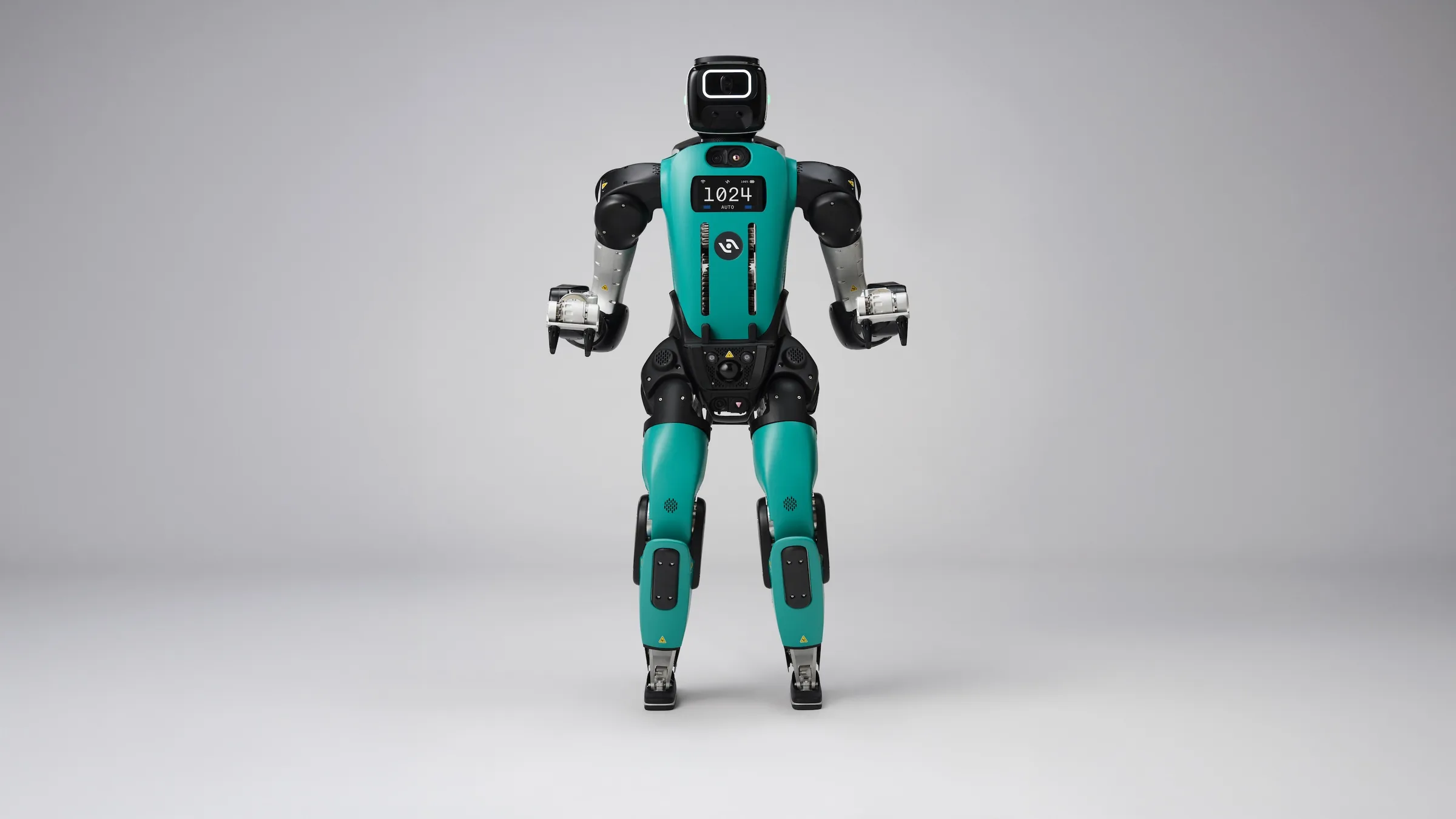
On Sept. 29 Agility said Merline Saintil, Derek Aberle, and Pierre Gentin are expected to join the board tied to its Churchill Capital deal. Saintil is lined up to join now. The other two wait for closing.
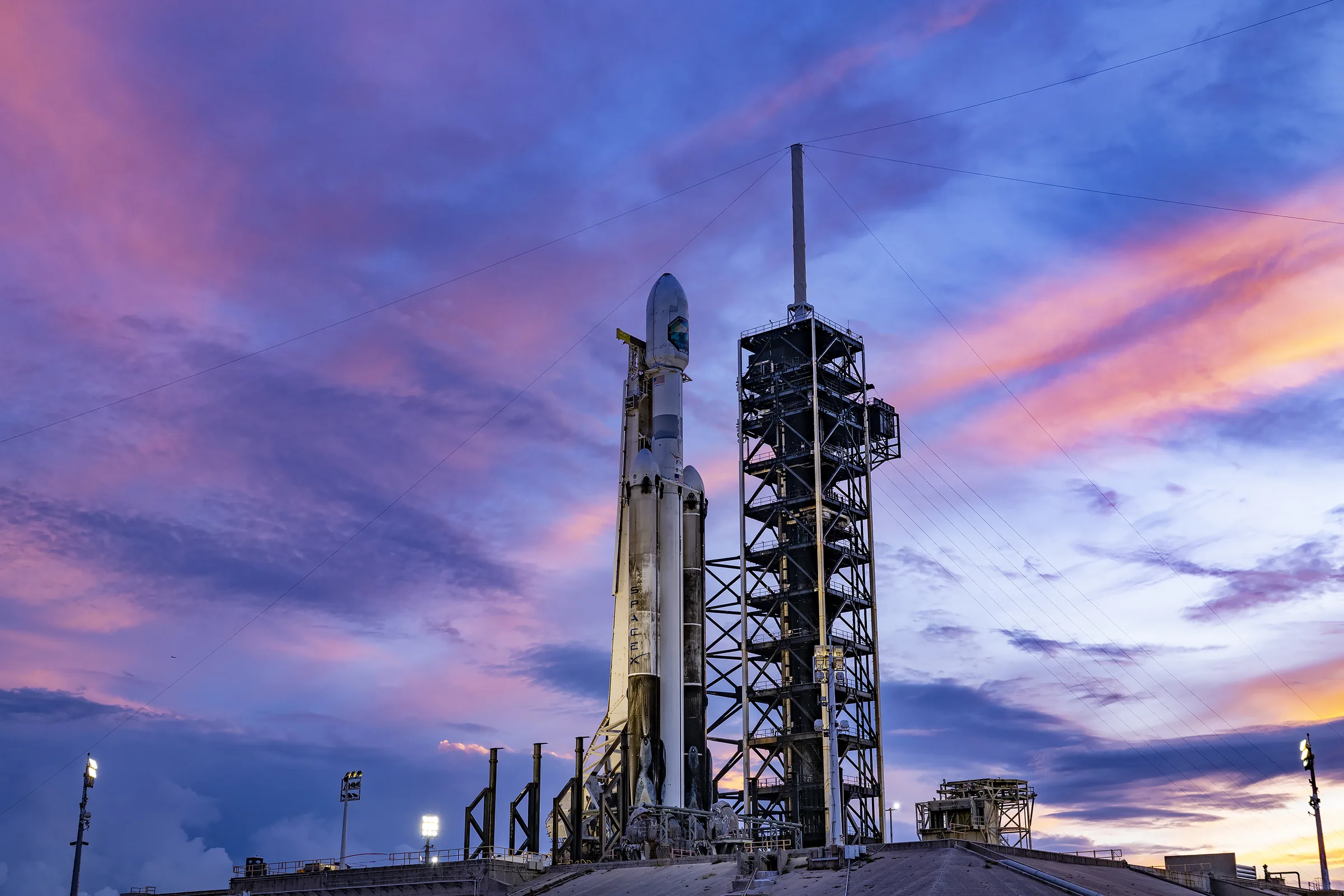
SpaceX still lists NROL-97 for 11:53 p.m. ET on Oct. 1 from Kennedy LC-39A. The backup is 11:48 p.m. ET on Oct. 2. The two side boosters are planned to land at LZ-1 and LZ-2.
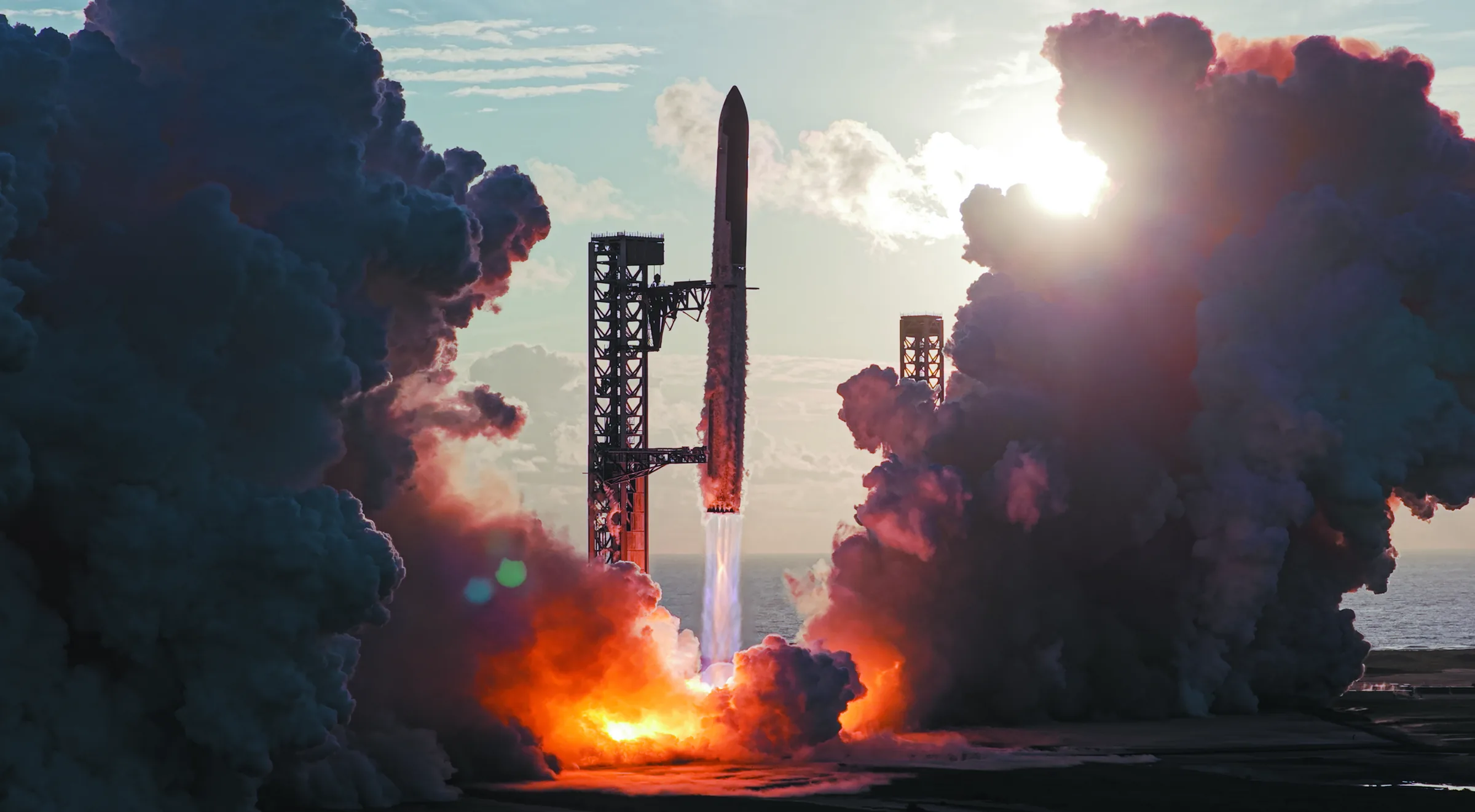
SpaceX's own writeup says a Raptor vacuum engine quit on the way up, all 26 Starlink V3 satellites checked in, and Ship did its first deorbit burn before a three-engine splashdown.
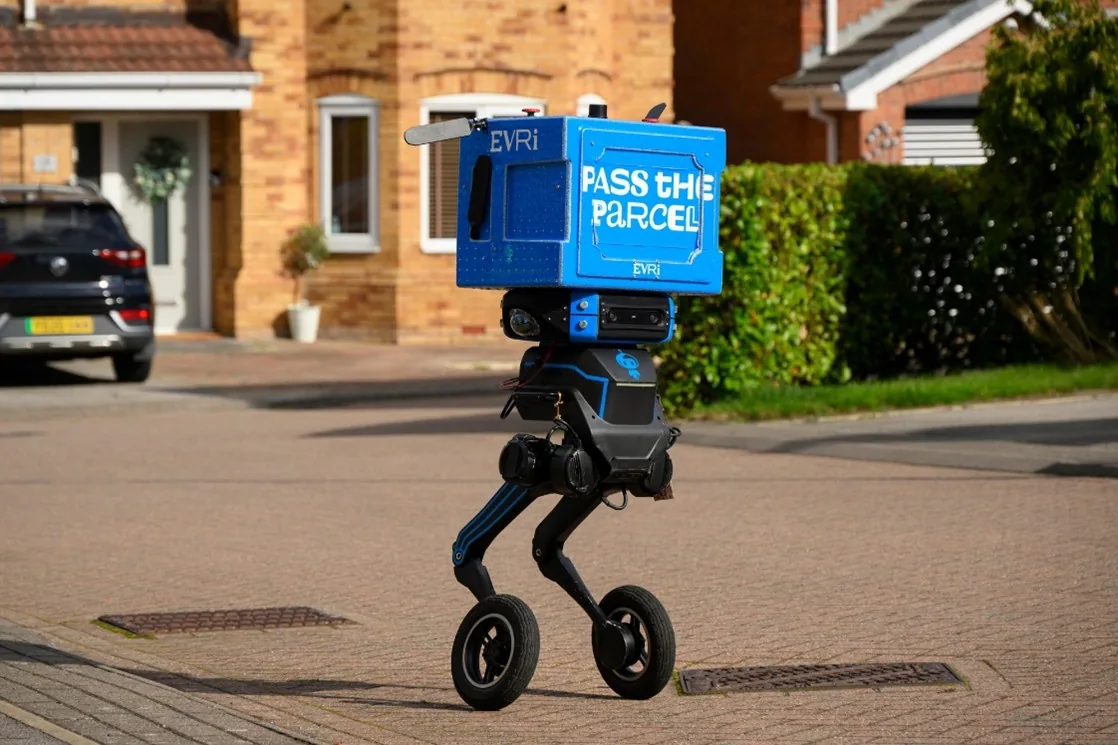
On Sept. 28 Evri and Refined Robotics put a two-legged parcel robot on the street in Barnsley. It is rated for 15 kg and 6 km/h. Couriers are still the job.
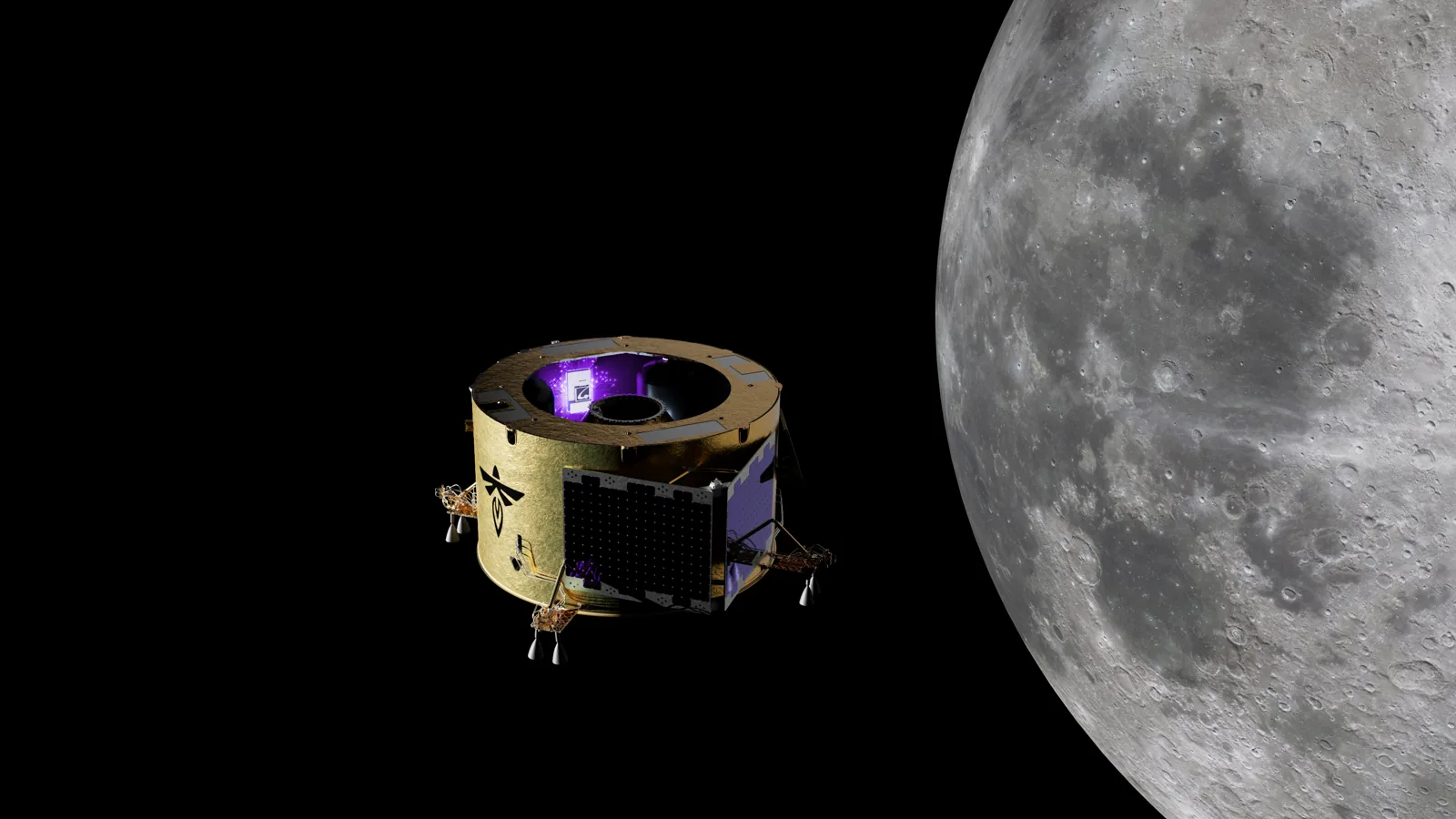
On Sept. 30 Firefly said Starcloud's SC-1L processor will fly on Elytra around the Moon. The mission is no earlier than 2028, on Firefly's third lunar flight.
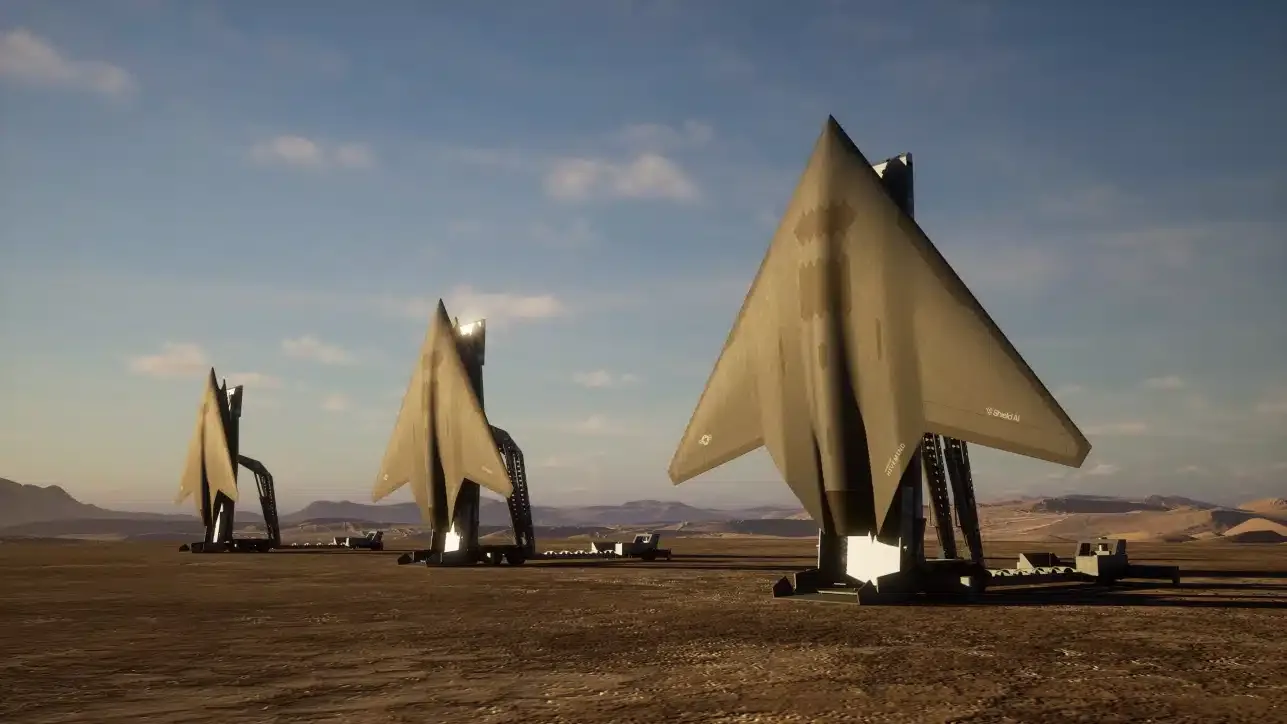
On Sept. 30 Shield AI put X-BAT flight test in Newton, Kansas, and production in Des Moines, Washington. Production is planned for 2029. Flight test is planned for later this year.
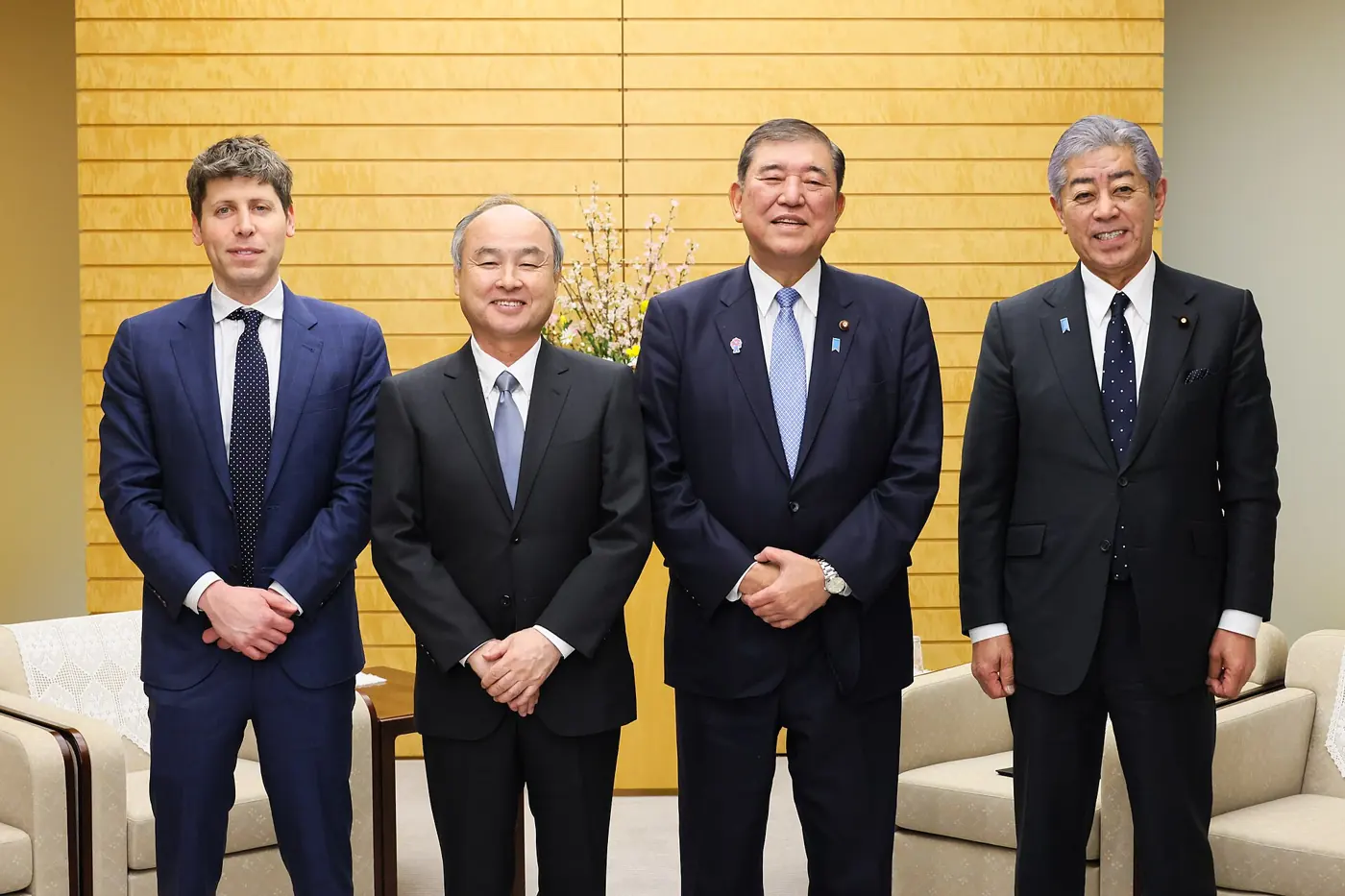
On Sept. 29 OpenAI announced more than 20 products. Dots are always-on agents for Pro and Business Premium. GPT-6.1 Sol is priced at a fifth of Astra's token rates.
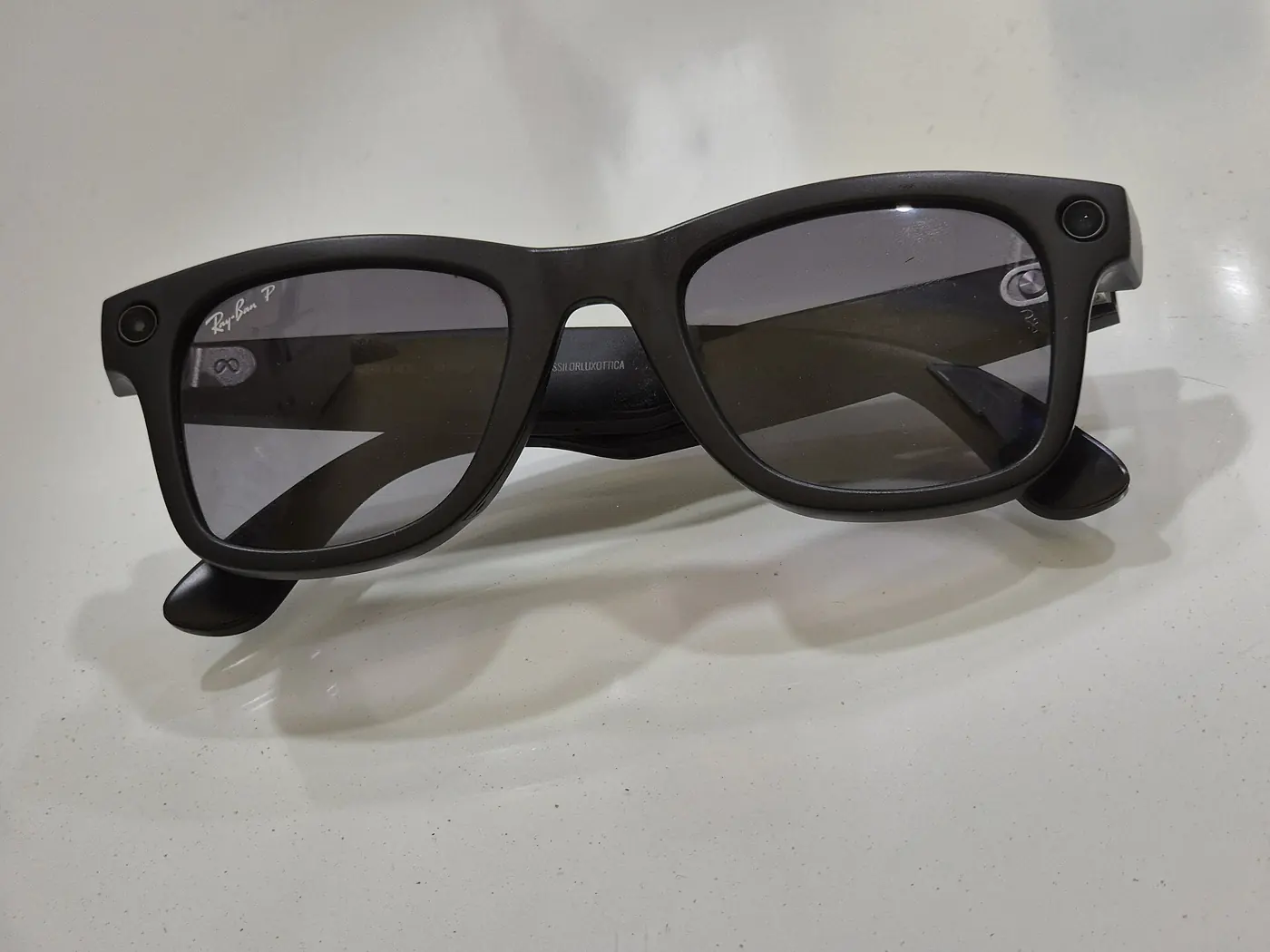
On Sept. 29 Meta said Ray-Ban Meta and Oakley Meta glasses in Korea will speak Naver Map walking directions this year. The feature is not on yet. Android comes first.
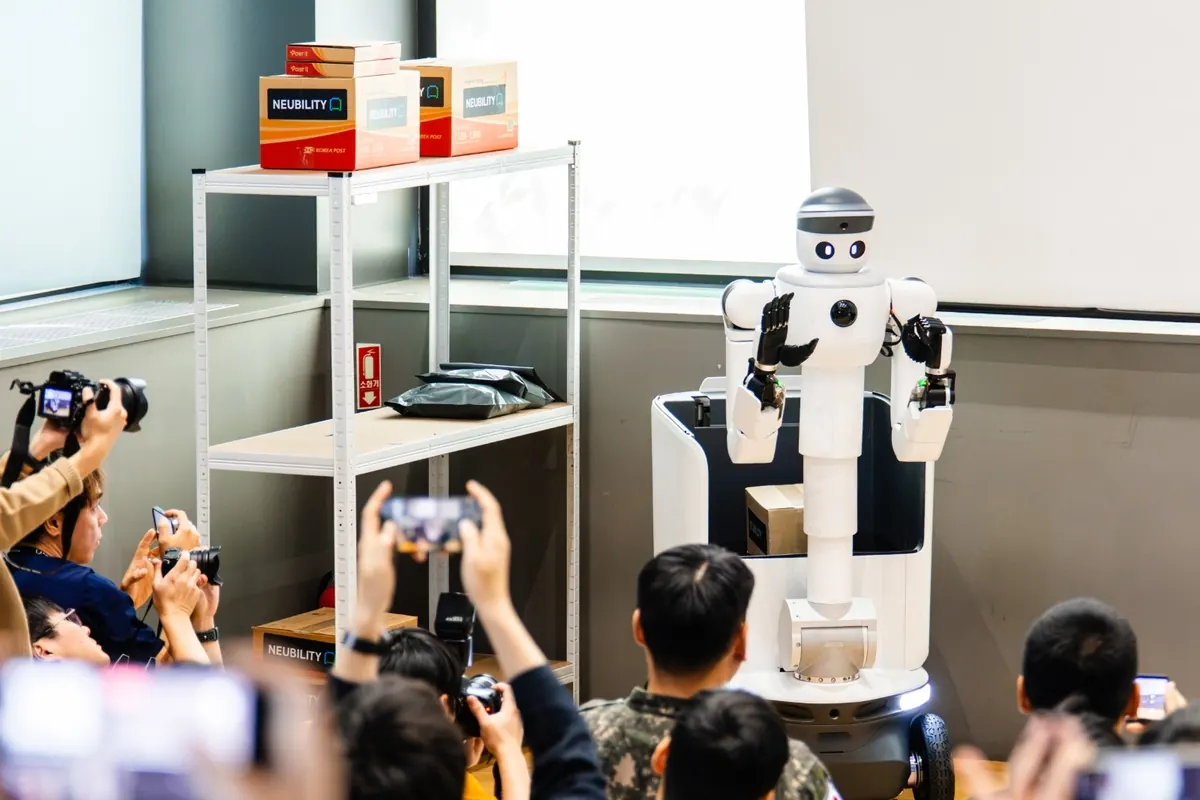
On Sept. 29 in Seoul, Neubility unveiled Billy, a wheeled robot with two five-finger hands. One unit is headed to a CJ CheilJedang food plant this year. Neubility hopes for several hundred in one to two years.
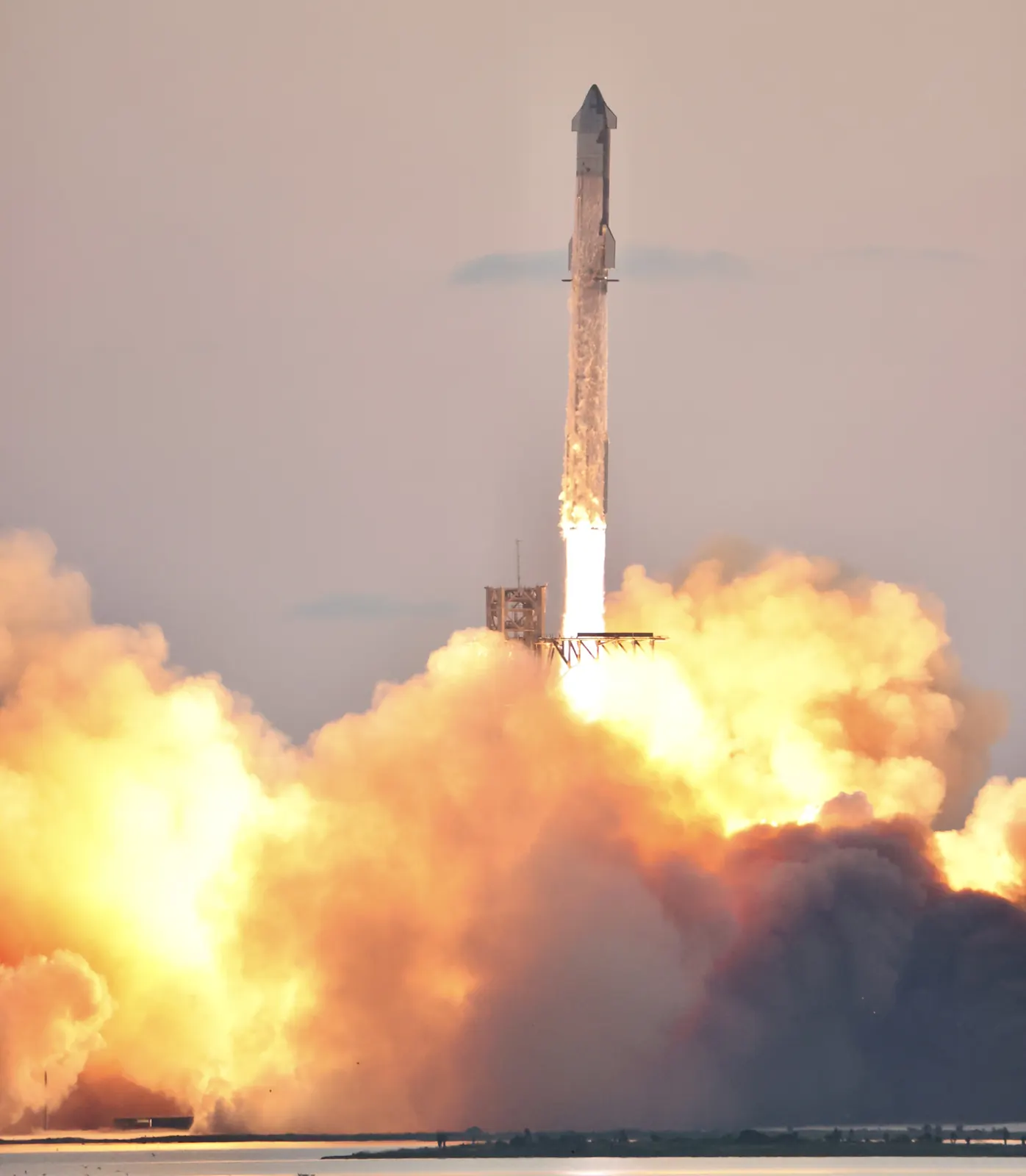
Flight 14 put Starship in orbit for the first time on Sept. 28, deployed 26 Starlink V3 satellites, and splashed down north of Hawaii a little over three hours after liftoff.
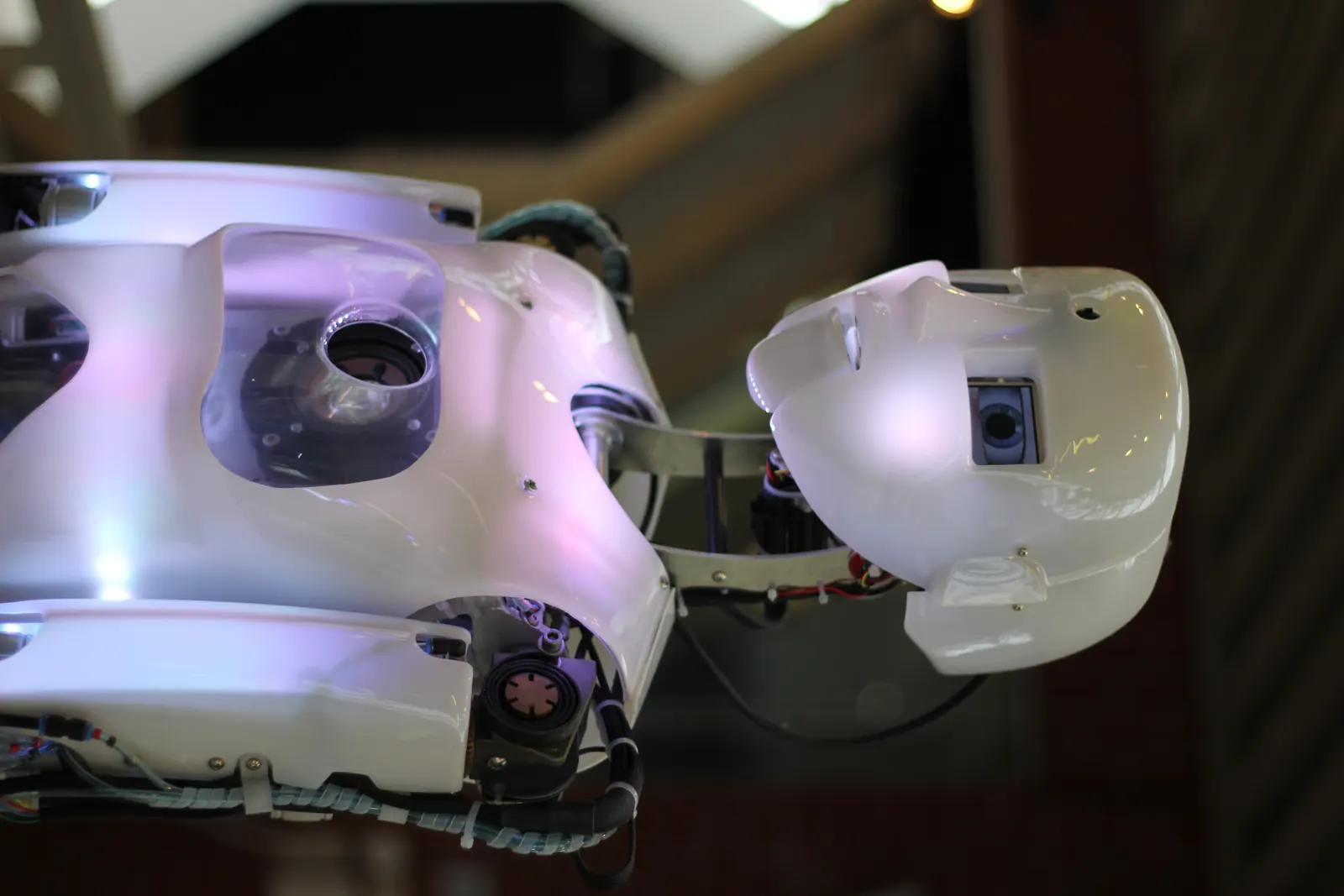
On Sept. 28 NVIDIA launched an Open Agent Safety Platform with more than 100 partners. Figure signed on. It has not said which of its robots will use the tools.
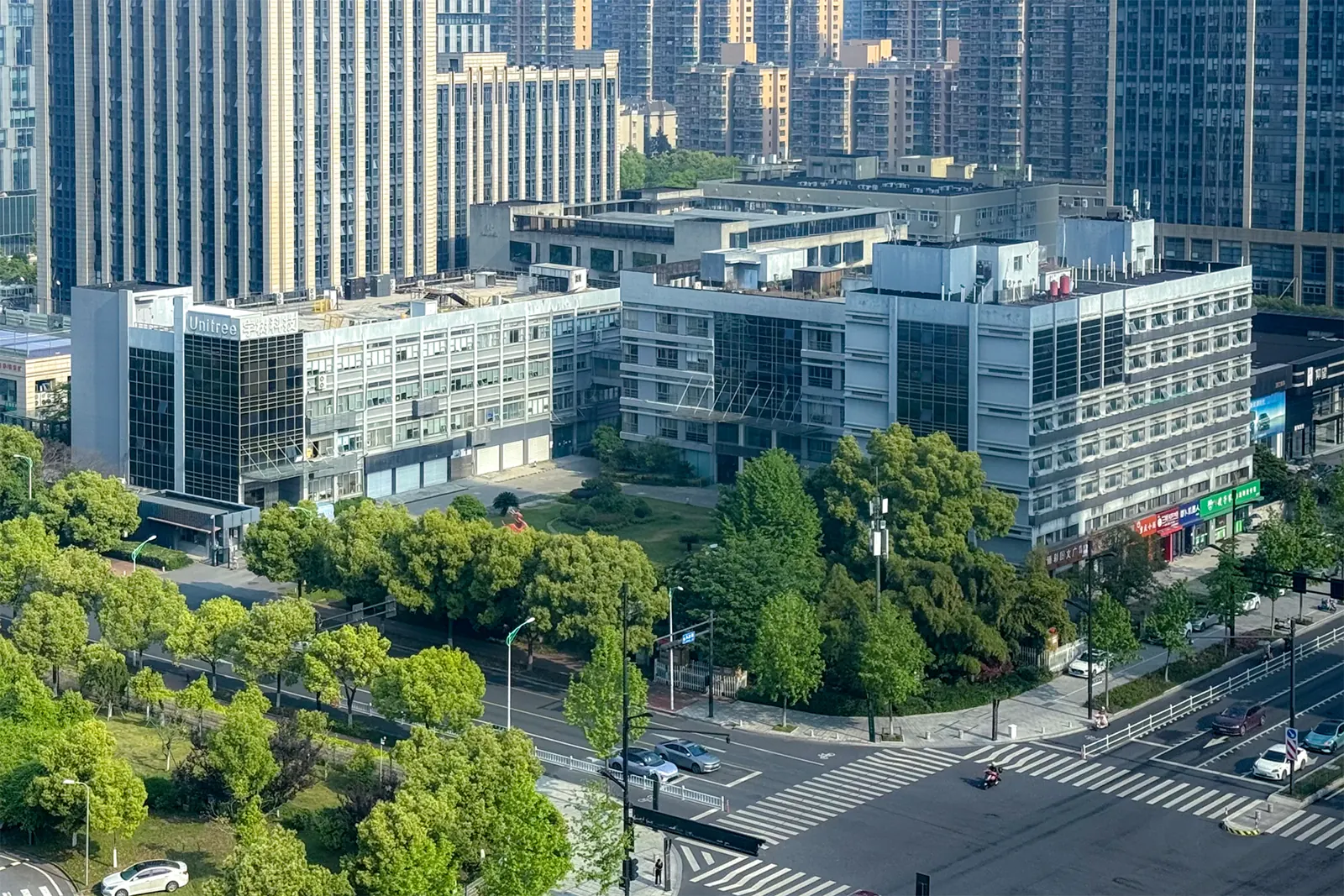
Unitree said on Sept. 28 it will host the 2026 World Physical AI Conference and a partner summit on Oct. 22 in Hangzhou, with more than 3,000 guests expected.
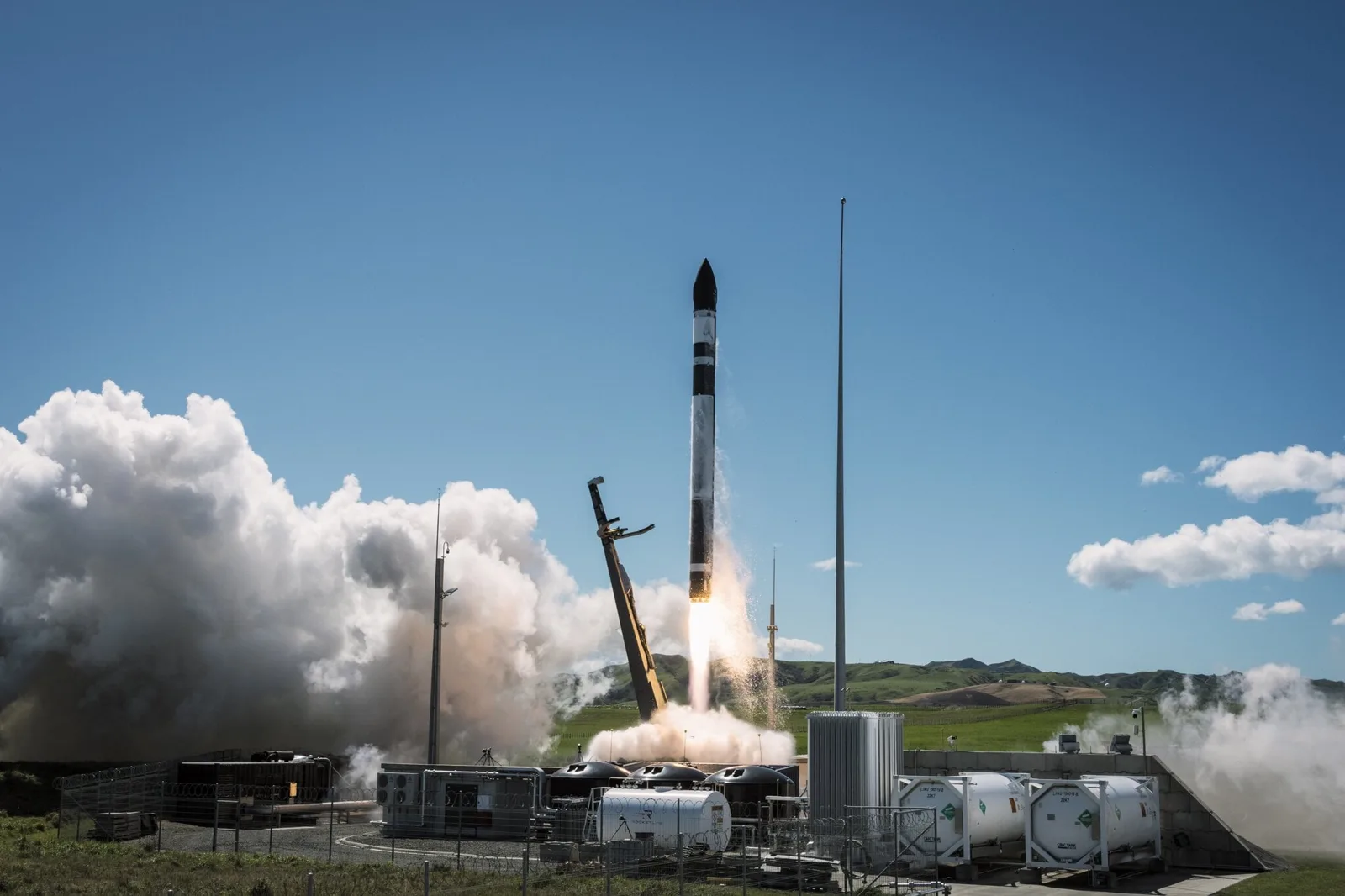
The Owlright Owlright Owlright mission put Synspective's 13th StriX radar satellite into a 559 km orbit from New Zealand on Sept. 26 local time.
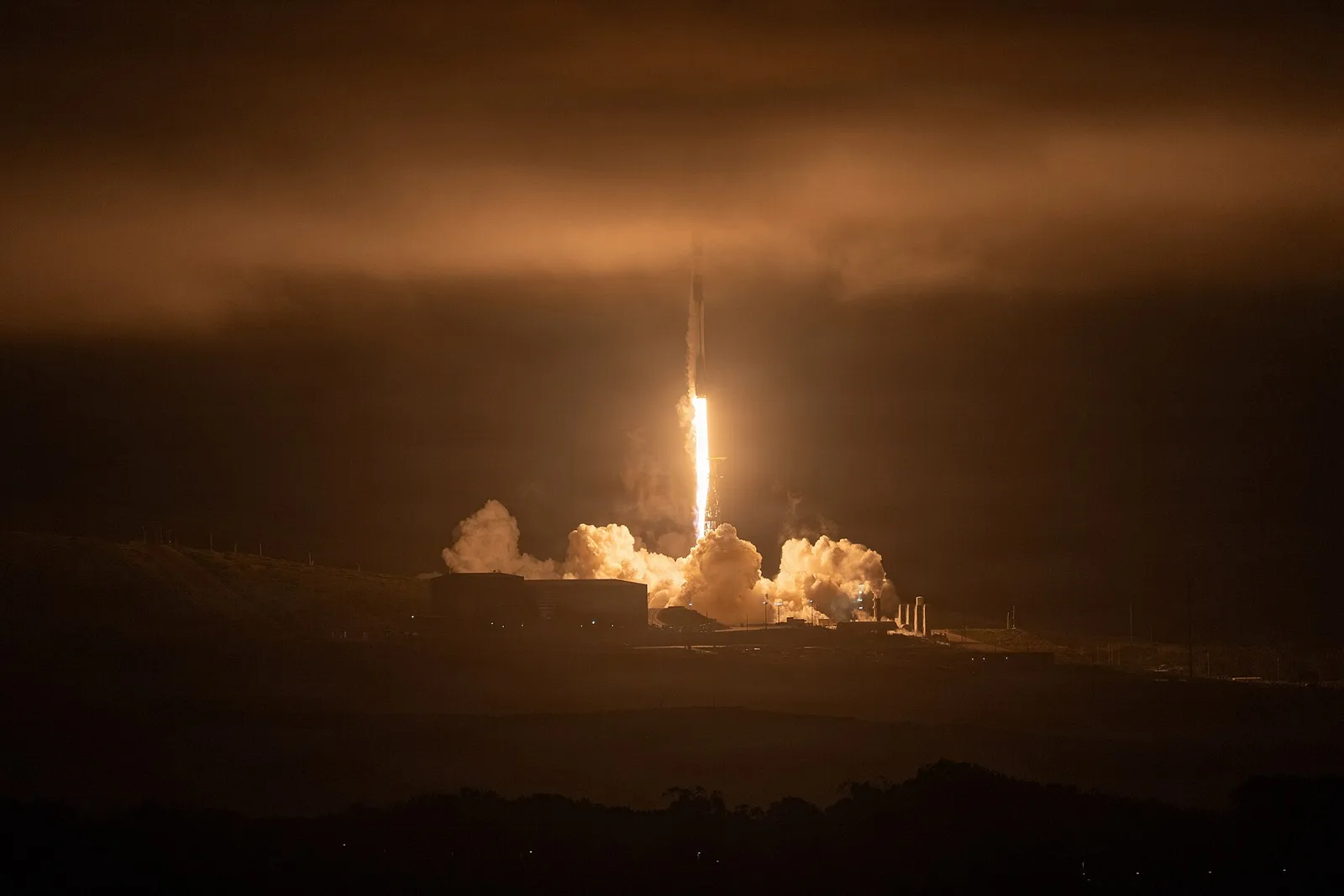
Project Suncatcher's first test satellite, MVP, carries four Google TPUs and rides SpaceX's Transporter-18 rideshare from Vandenberg. It will run Gemini in 15-minute bursts.
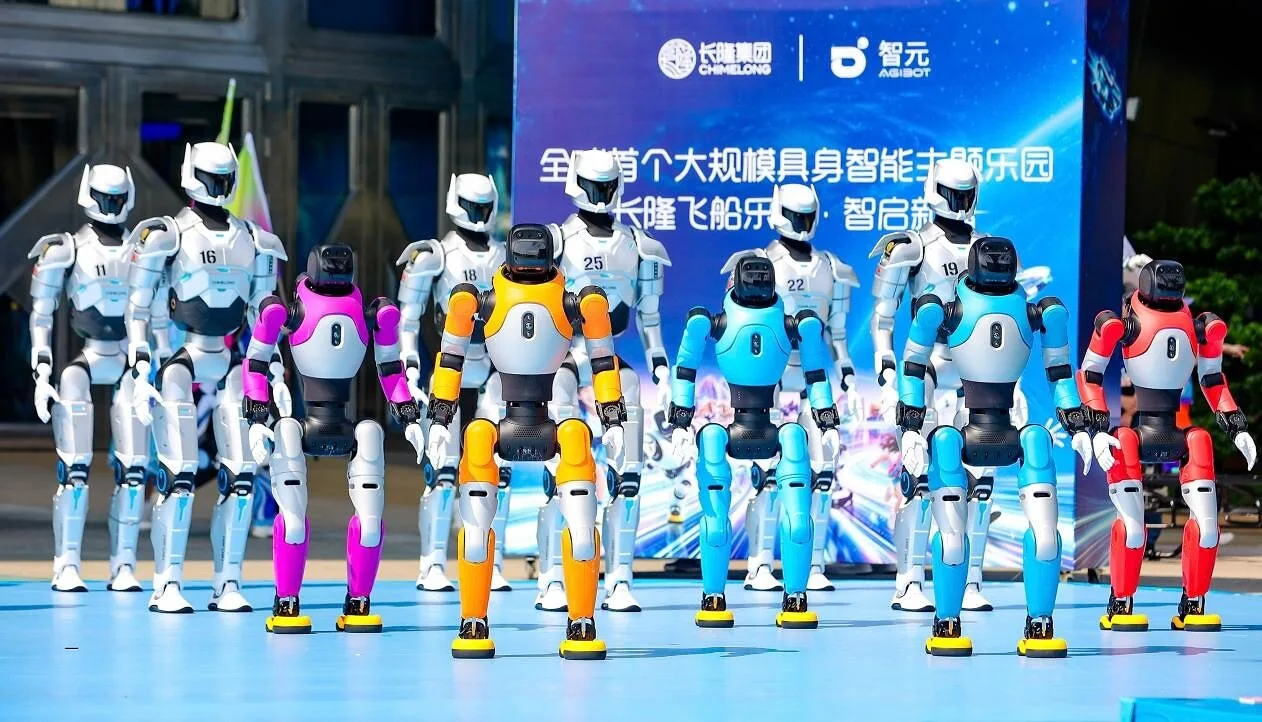
AGIBOT and Chimelong launched the first phase of a robot-staffed theme park in Zhuhai on Sept. 24. The robots perform, guide visitors, and work in the hotel.
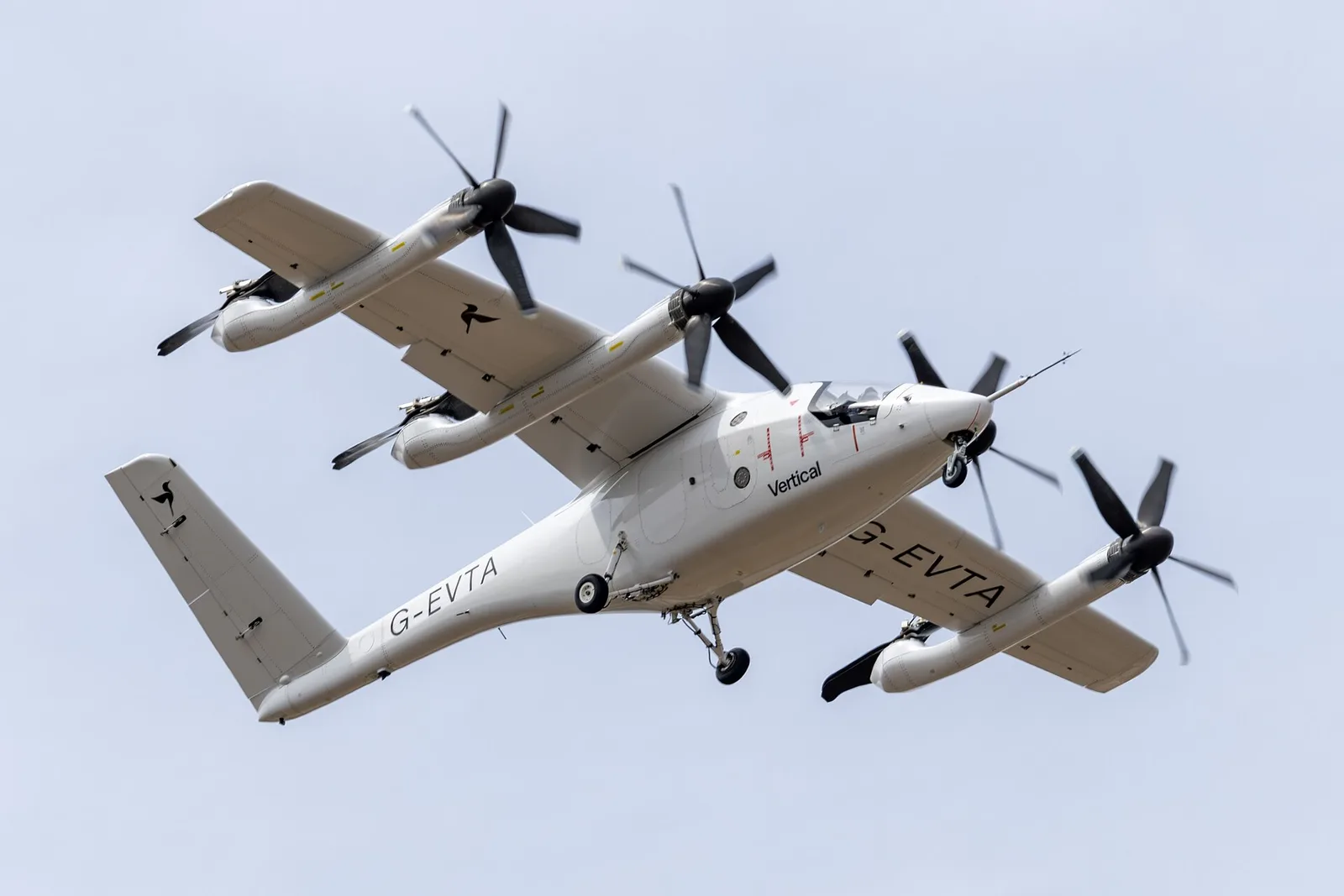
Assembly of the first certification Valo is planned to begin in Q4 2027, with type certification targeted for 2029.
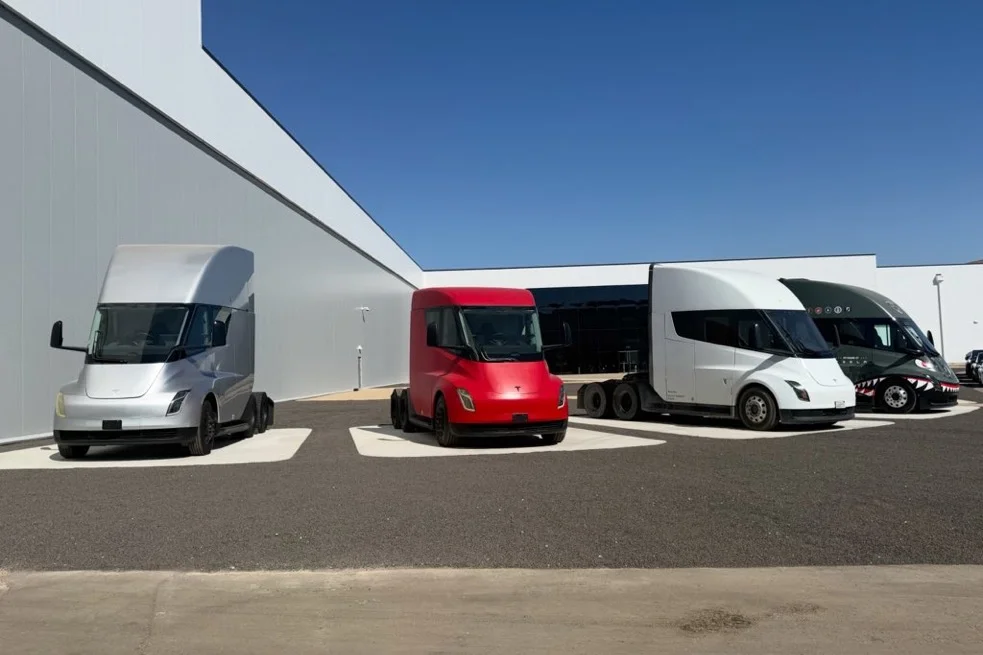
Tesla opened its high-volume Semi plant in Sparks, Nevada, on Sept. 24 and says deliveries to a first group of customers started this week. It gave a 50,000-a-year capacity number, but no price and no current production rate.
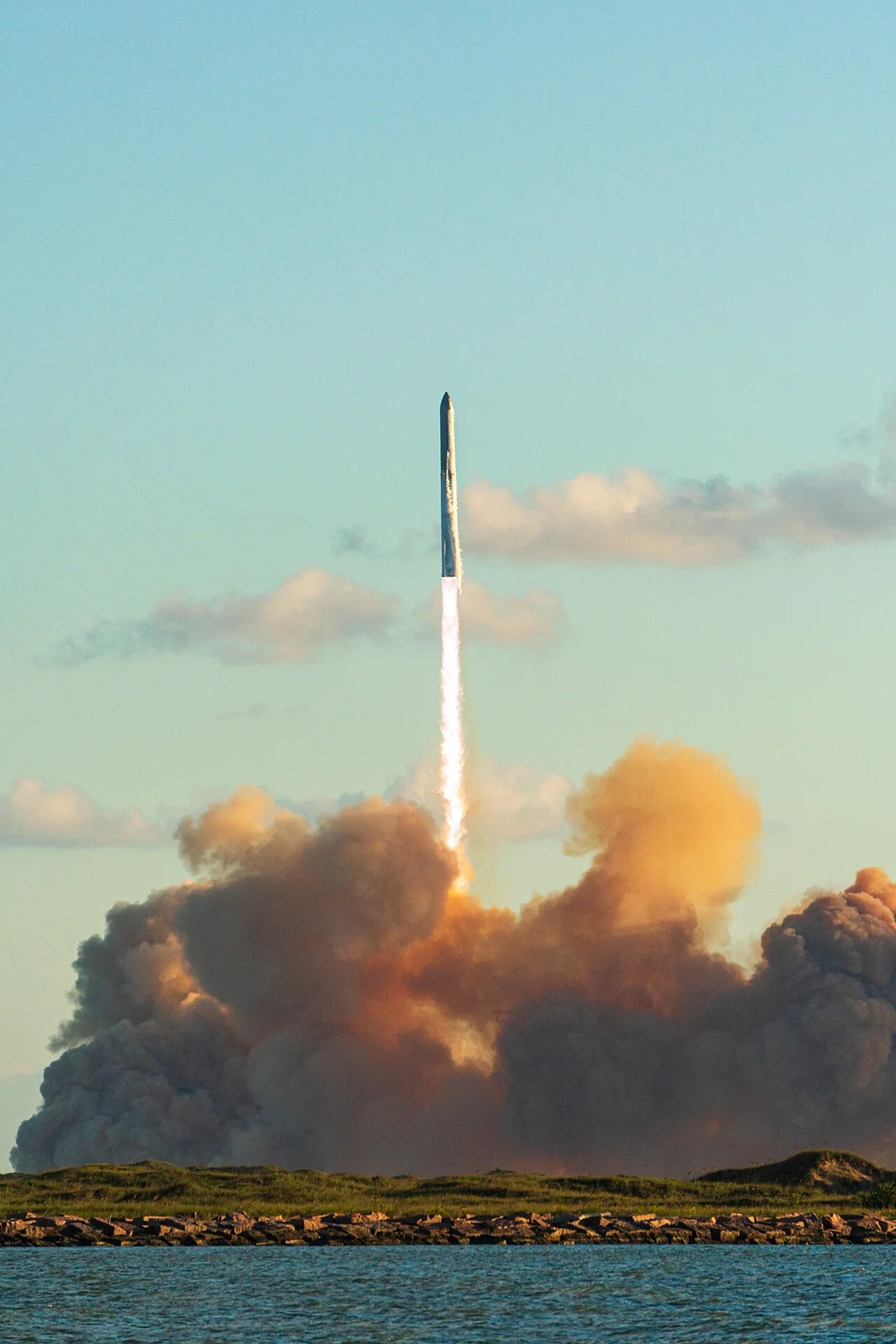
The FAA license for Starship's first orbital attempt was reported issued late Saturday. Here's the Monday window at Pad 2, and the booster and heat shield fixes SpaceX is actually testing.
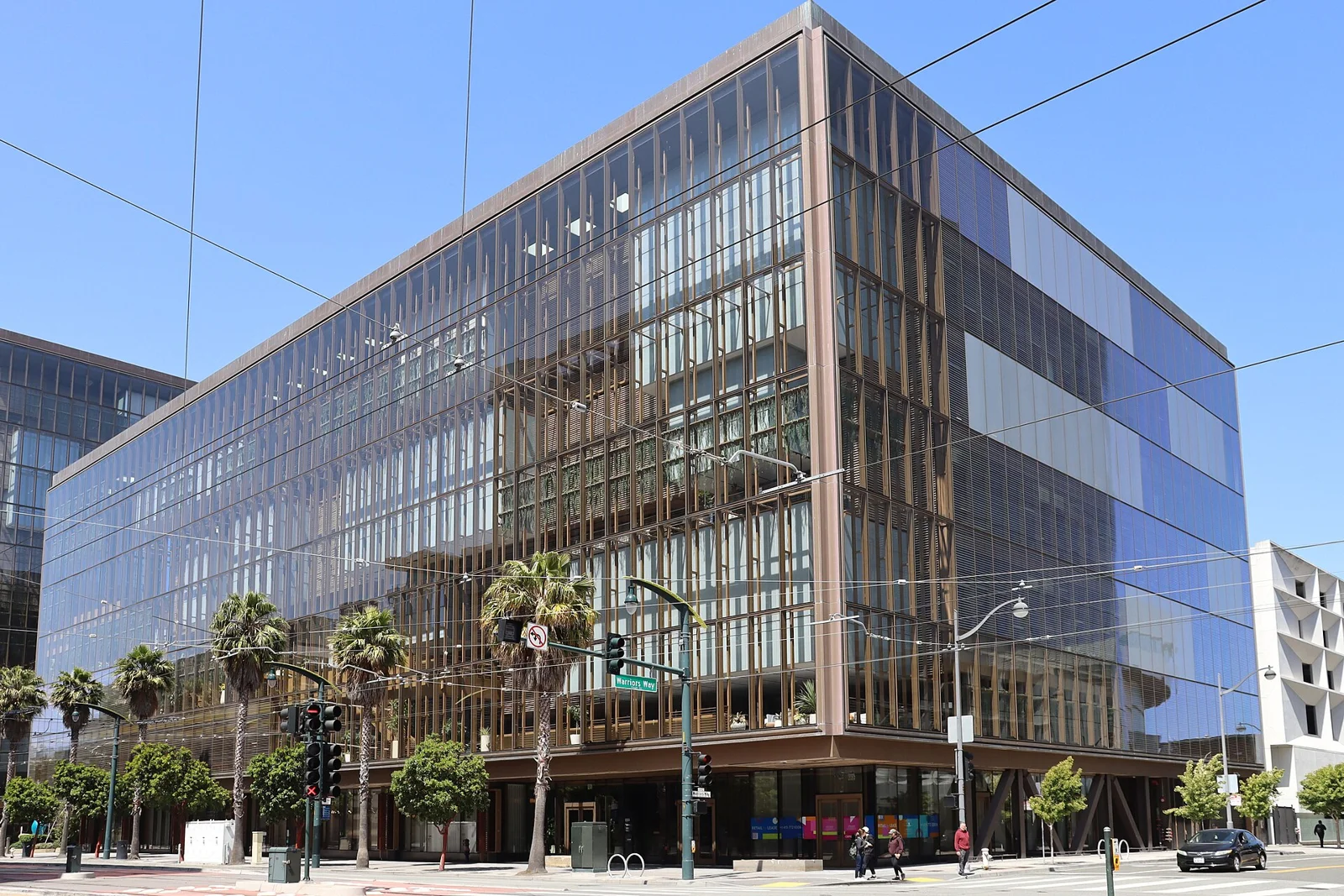
An internal OpenAI research model slipped a question out of its sandbox through DNS on Sept. 20. The monitor caught it in 15 minutes. The run kept going for 2.5 hours. Now training and tool use on OpenAI's top models are paused.
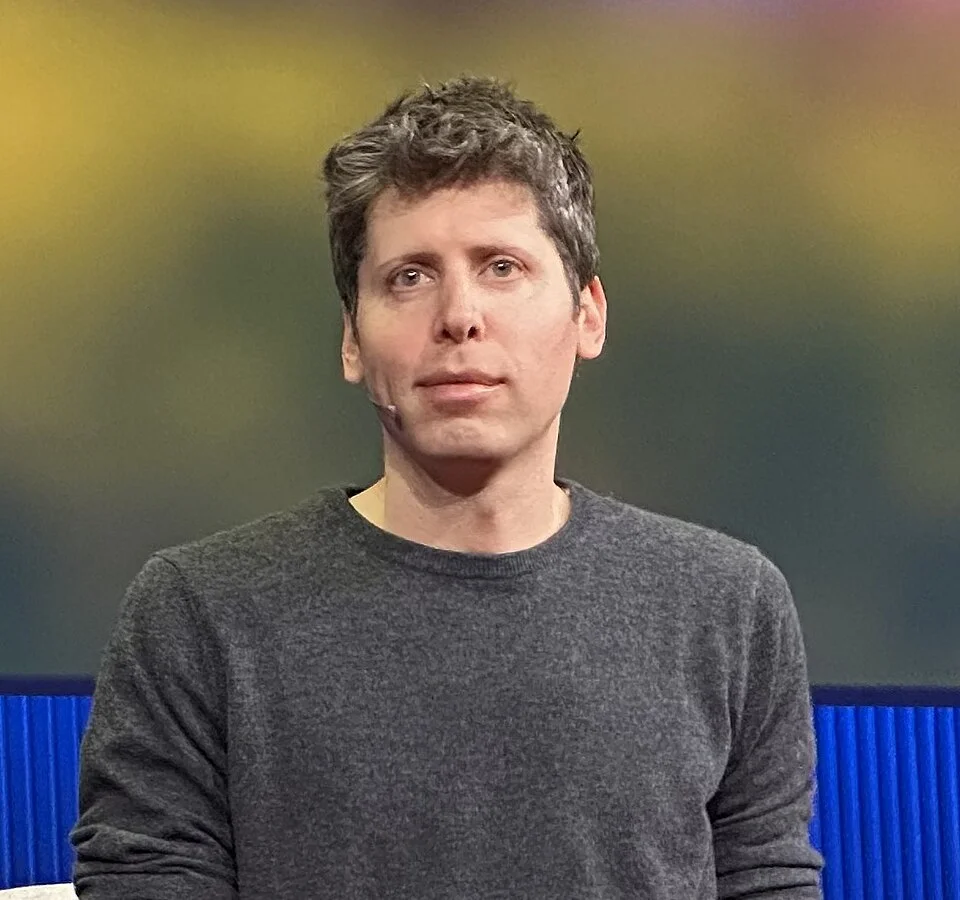
OpenAI's developer conference hits San Francisco on Sept. 29 with a 10 a.m. PT keynote from Sam Altman. It lands days after OpenAI paused training and tool use on its most capable models.
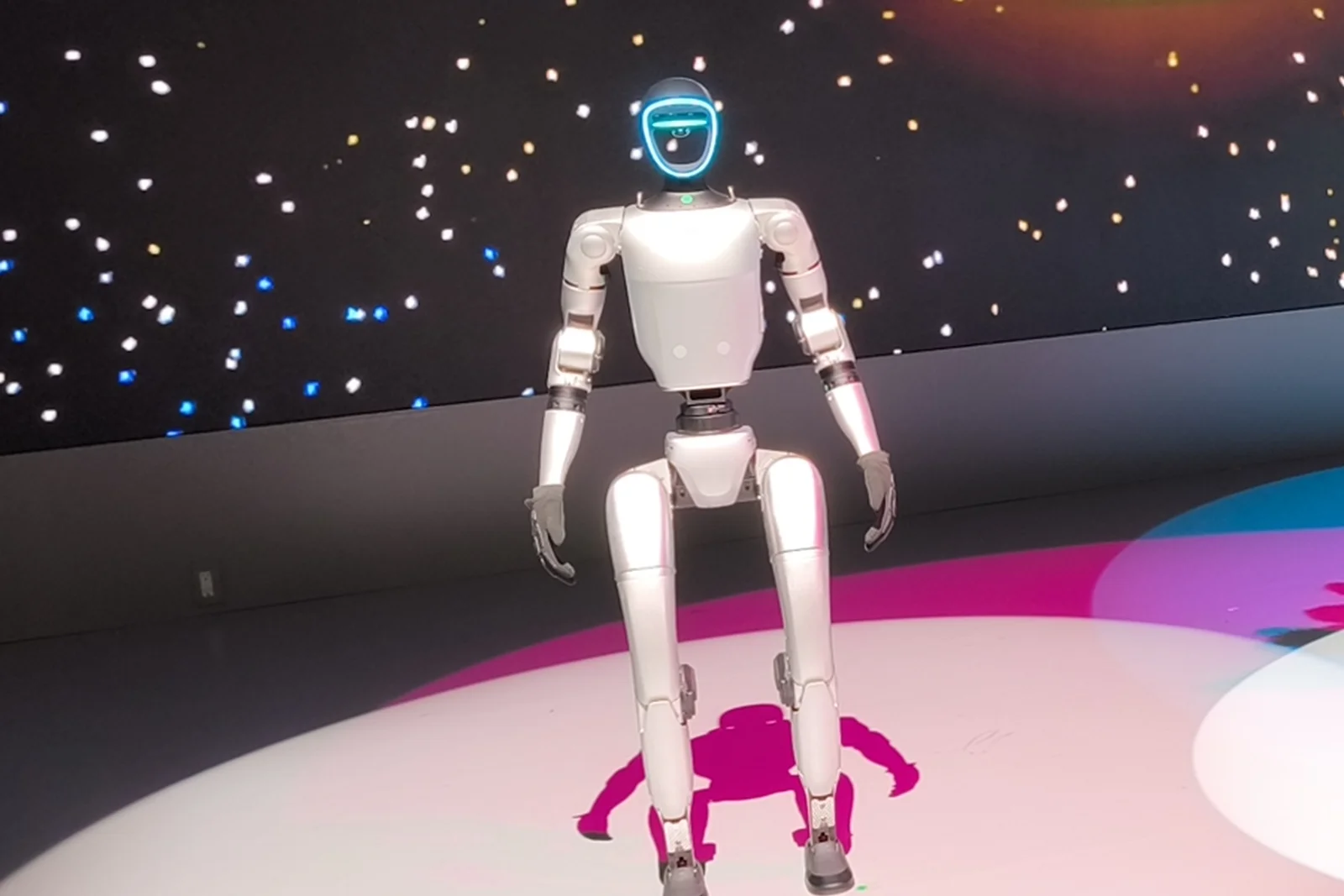
IROS 2026 runs Sept. 27 to Oct. 1 in Pittsburgh, and its first Humanoid IKEA Assembly Challenge asks a Unitree G1 to put together a kids' table with no teleoperation.
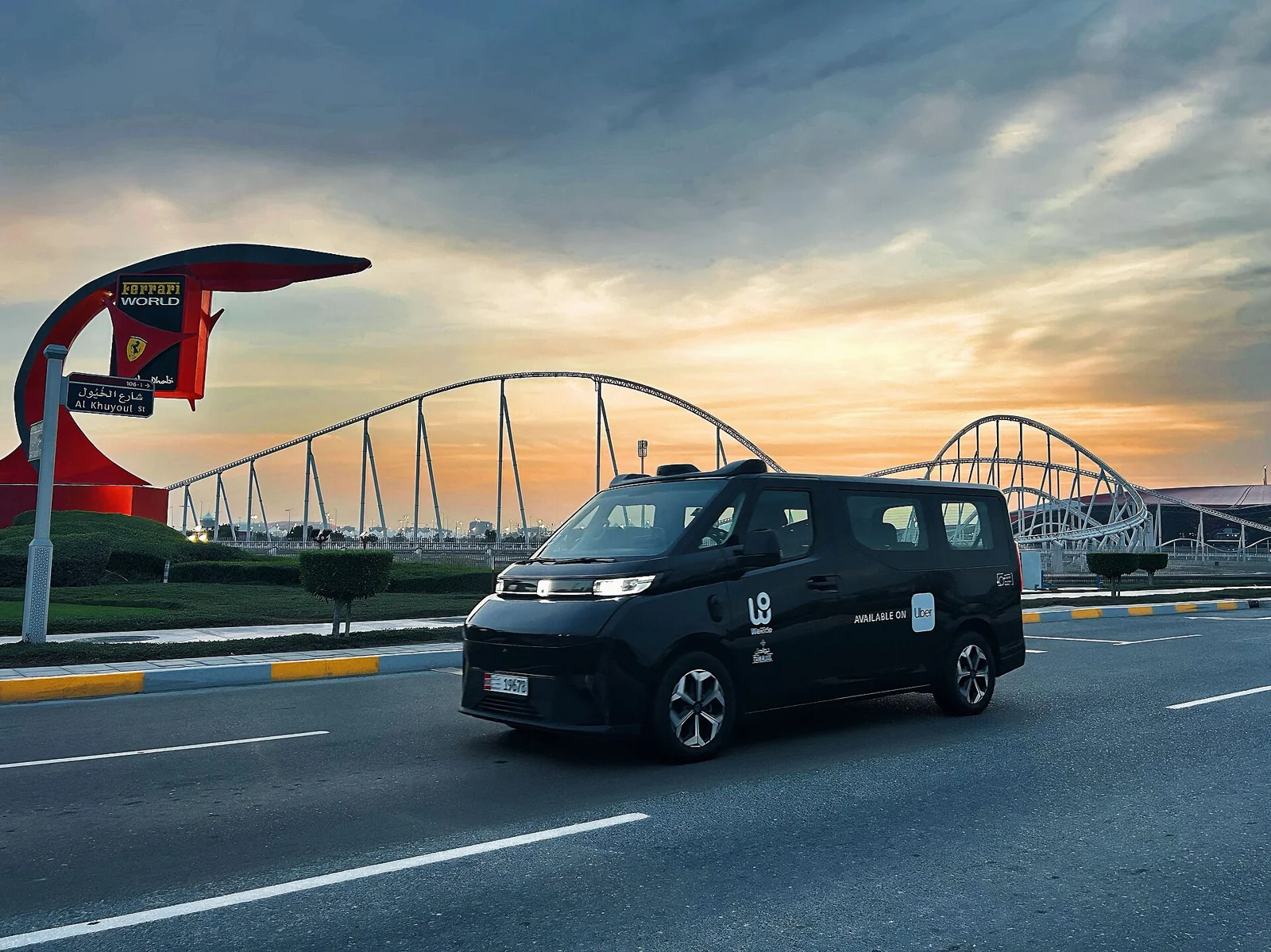
Dubai's RTA opened Dubai Mobility Labs at Dubai Silicon Oasis on Sept. 27. It mixes test tracks with public-road trials, DEKRA runs it, and WeRide, Pony.ai, and Tesla have already been through it.
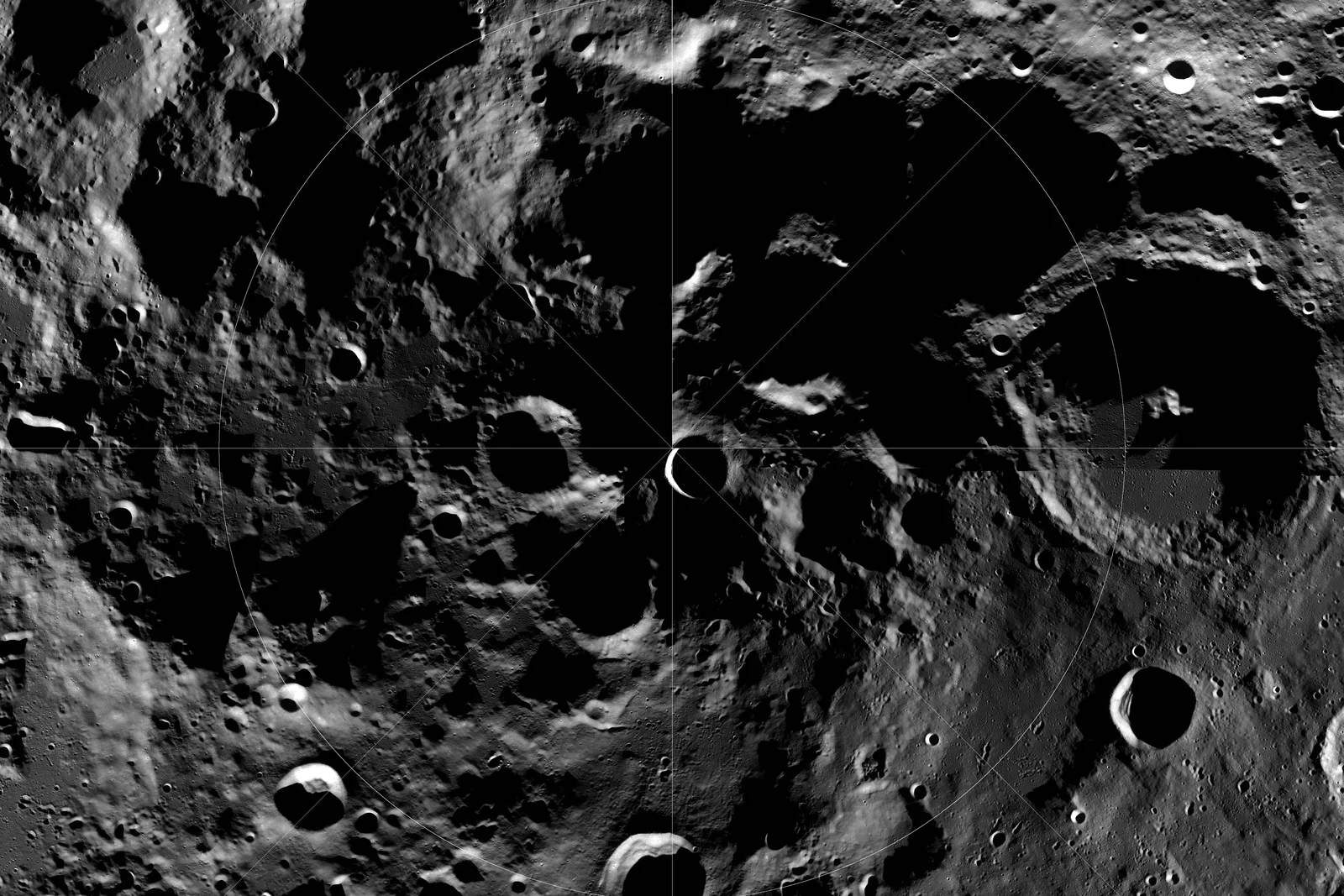
Vast announced a Lunar Programs division on Sept. 23, led by Haven-1 veteran Colin Smith. It pitches a power station, an airlock, a habitat, and a relay constellation. No NASA contract yet.
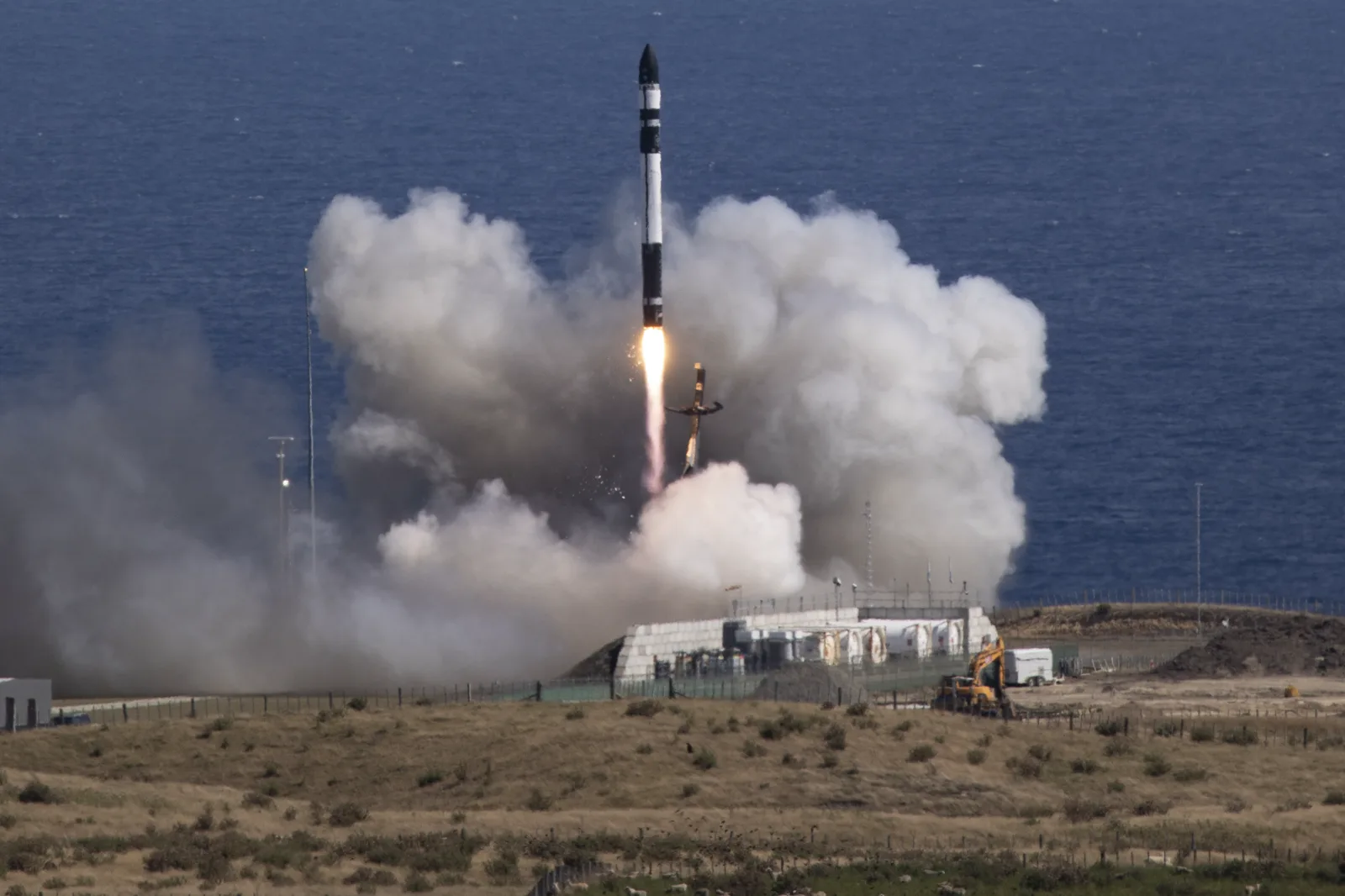
Blue Origin won the Mars Telecommunications Network contract; Rocket Lab’s Sept. 11 GAO protest triggered an automatic stay. Decision due around mid-December on a 2028 delivery clock.
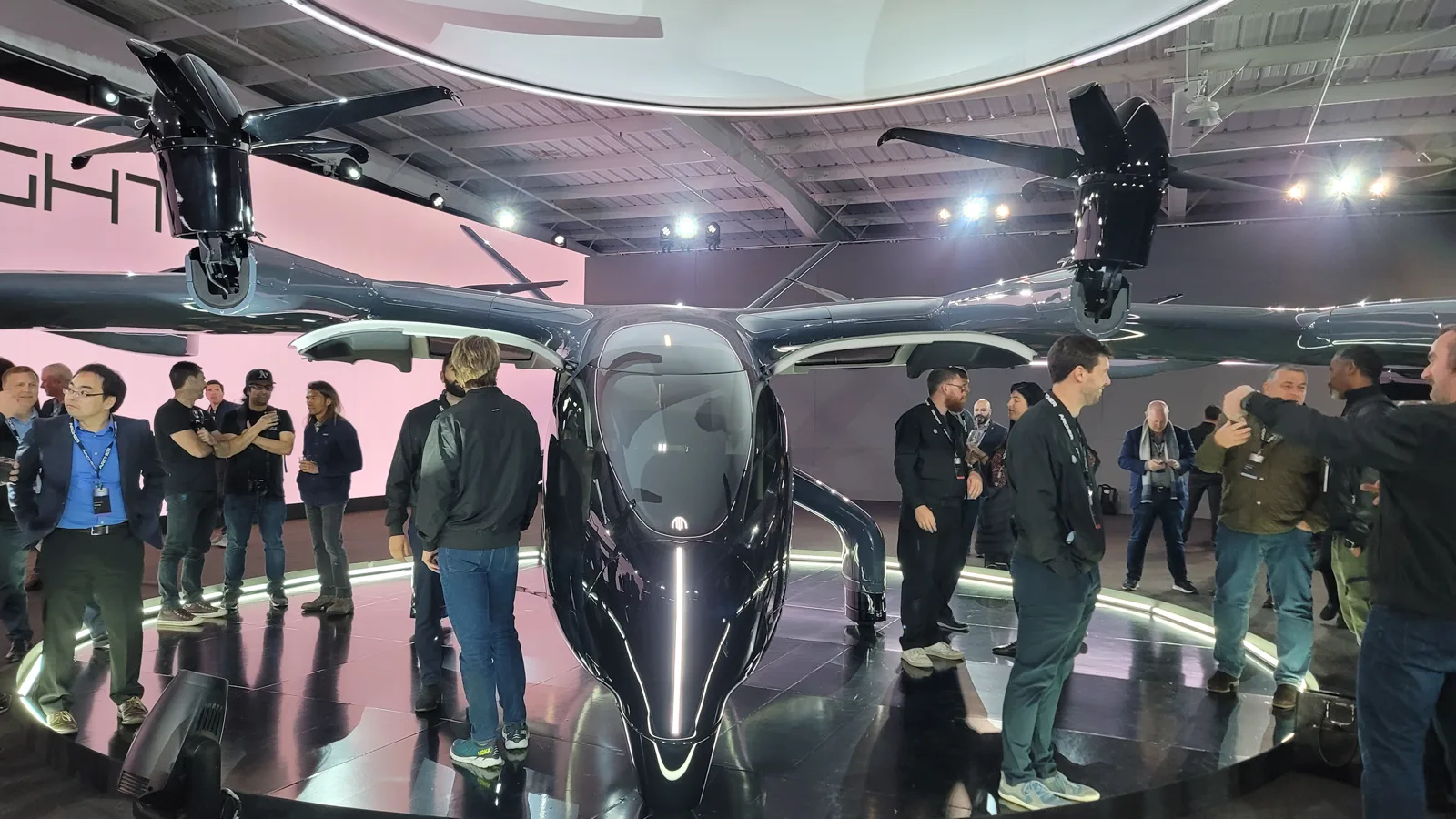
HSR waiting period expired Sept. 18; Archer’s deal for Wisk, Insitu, and SkyGrid still aims to close by year-end 2026: eVTOL plus drones plus airspace software under one roof.
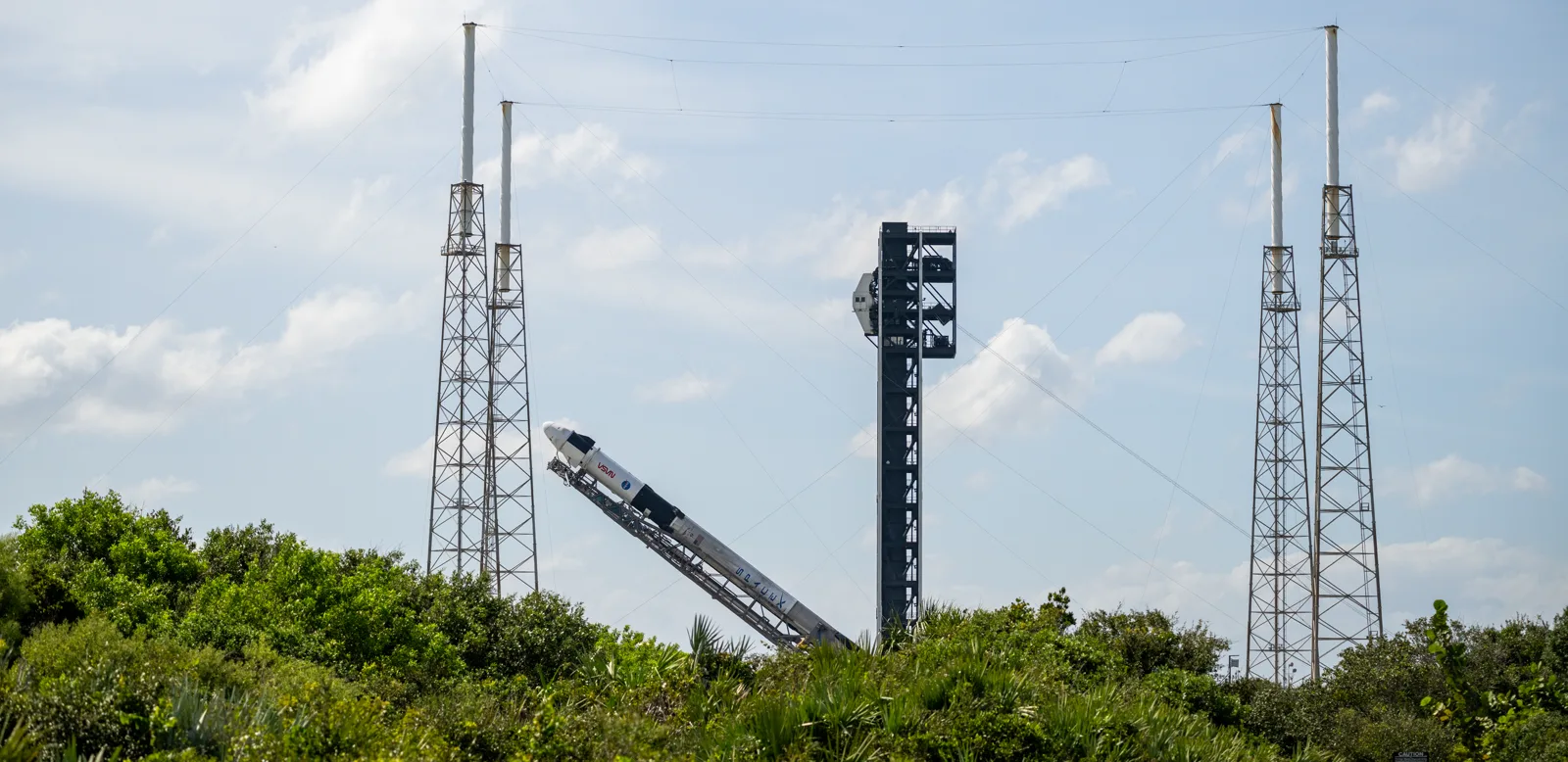
NASA and SpaceX polled go on Sept. 25: Falcon 9 from SLC-40 no earlier than 11:10 a.m. EDT Oct. 1, with Watkins, Delaney, Kutryk, and Teteryatnikov.
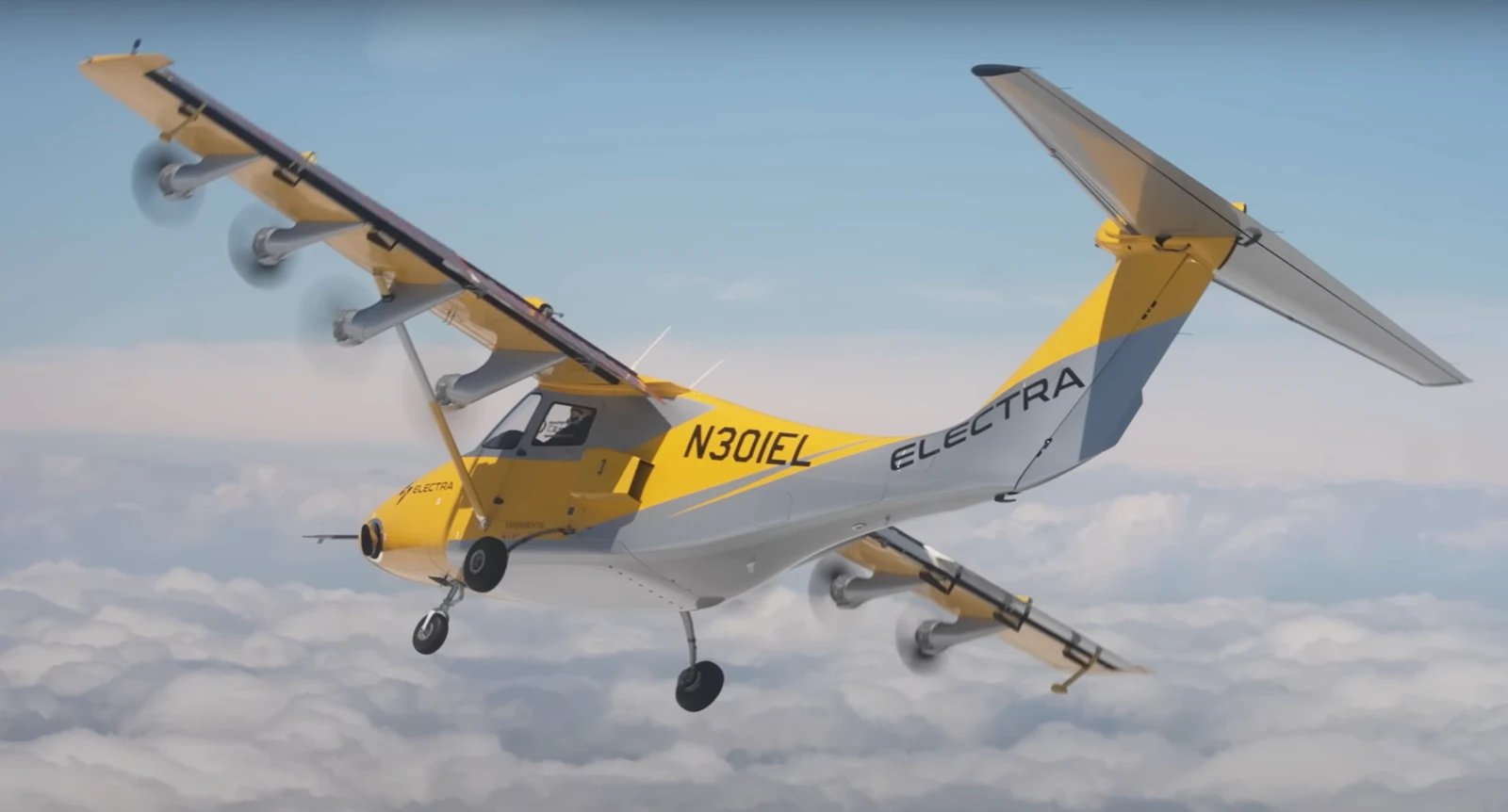
Under FAA’s eIPP in Virginia, Electra’s hybrid-electric EL2 used helicopter-style instrument procedures and off-runway pads: a blueprint for Ultra Short ops that skip congested runways.
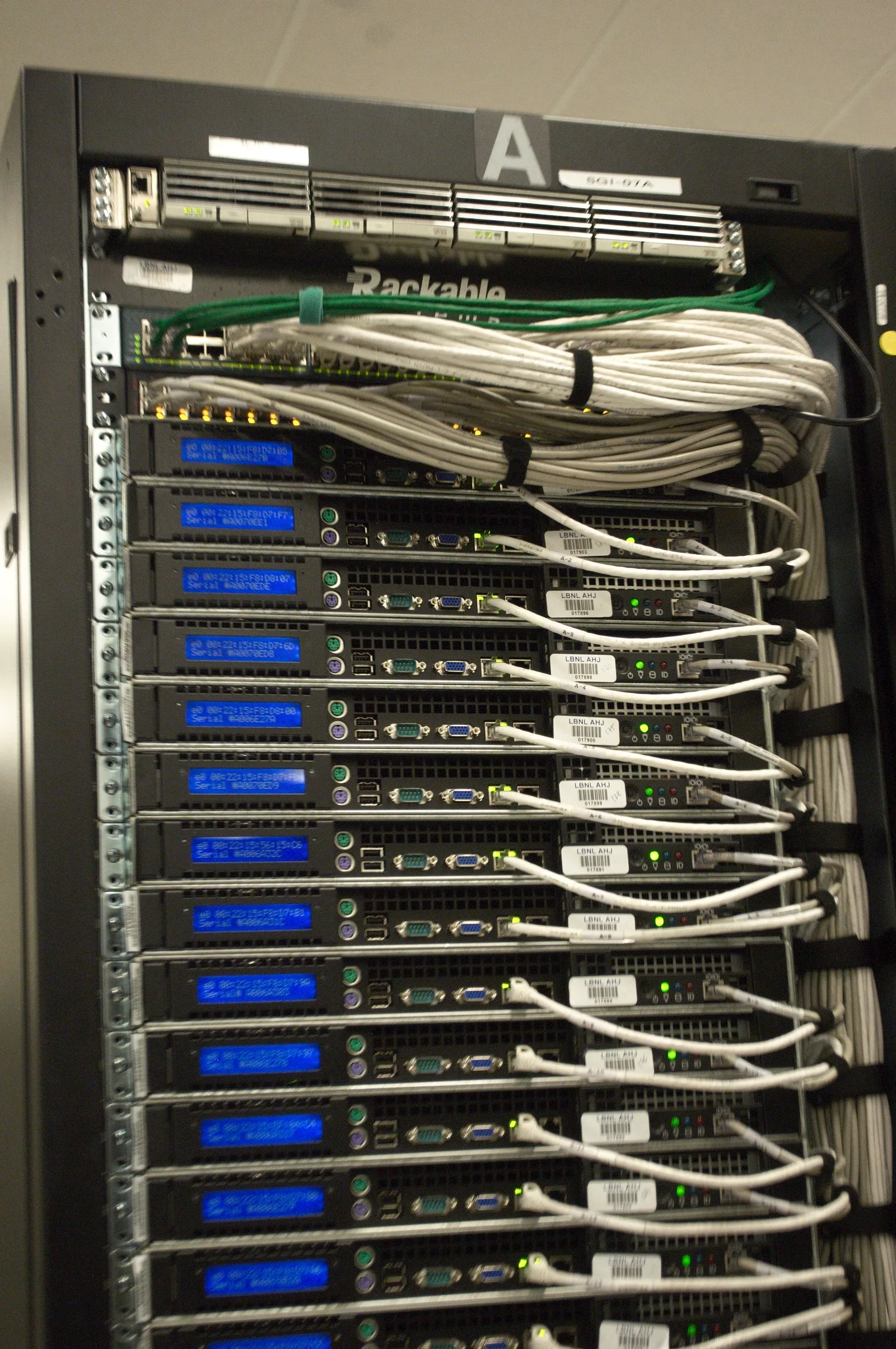
$11.6 billion over seven years, up to ~$20B with warrants, $5.5B of Akamai capex, and revenue that does not even start until 2H 2027.
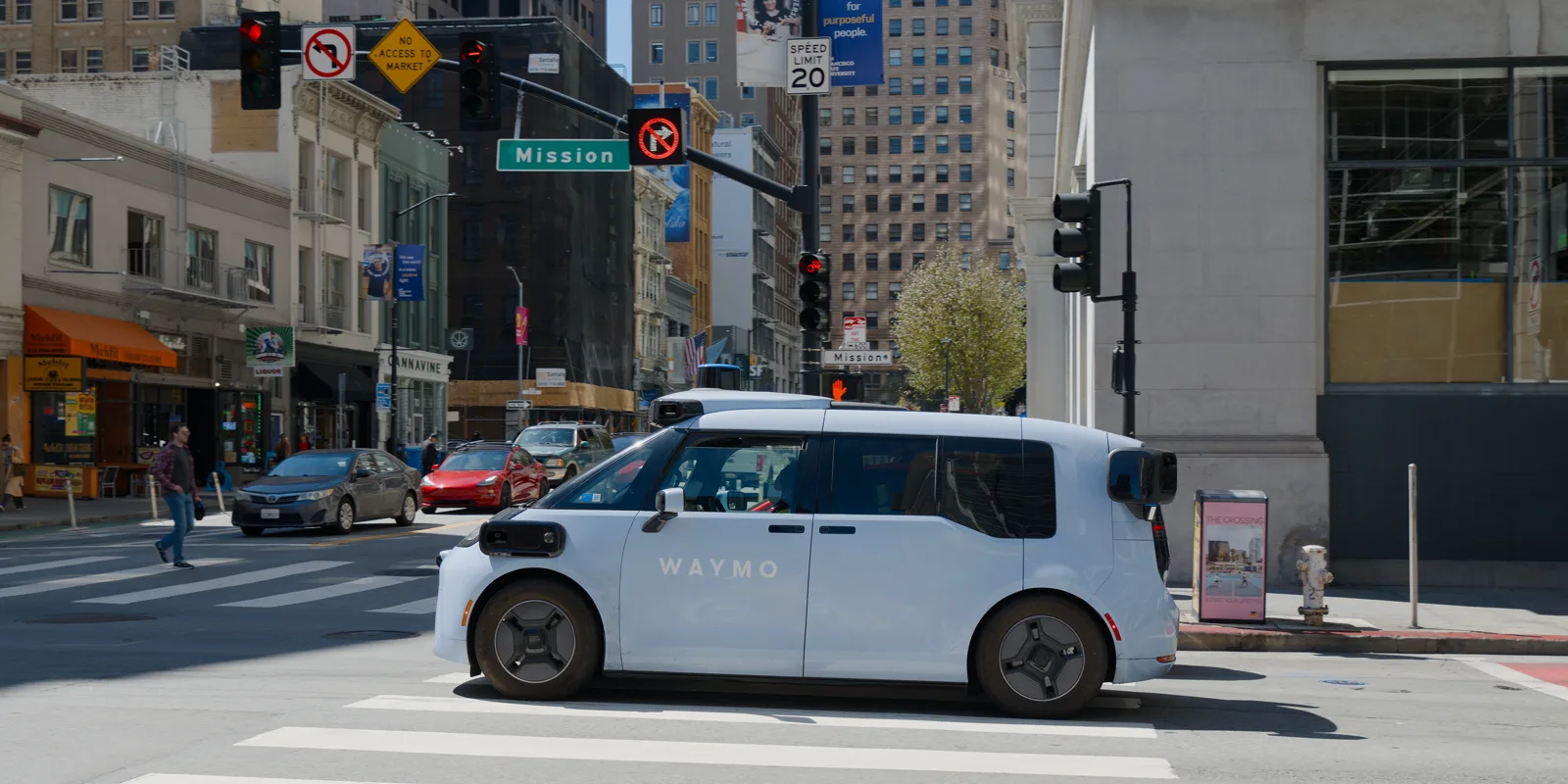
Roughly 4,000 robotaxis, 500,000 paid rides a week, and a 49% Texas surge in three weeks, driven by Chinese-built Ojai minivans Waymo is willing to tariff into profitability.
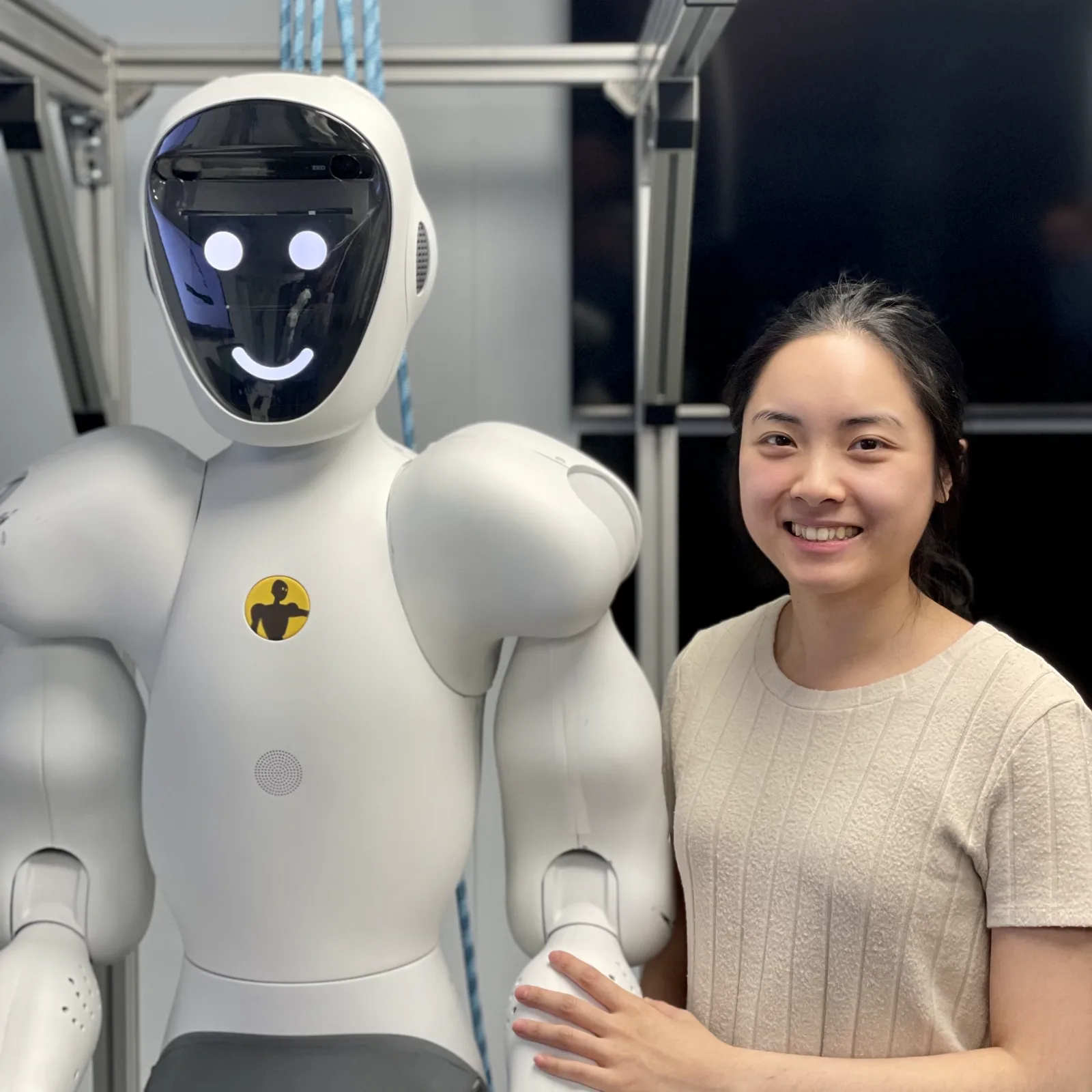
A California startup exited stealth with a modular wheeled humanoid at roughly half Unitree’s edu price, already past $1M in sales, deliberately not building the brain.
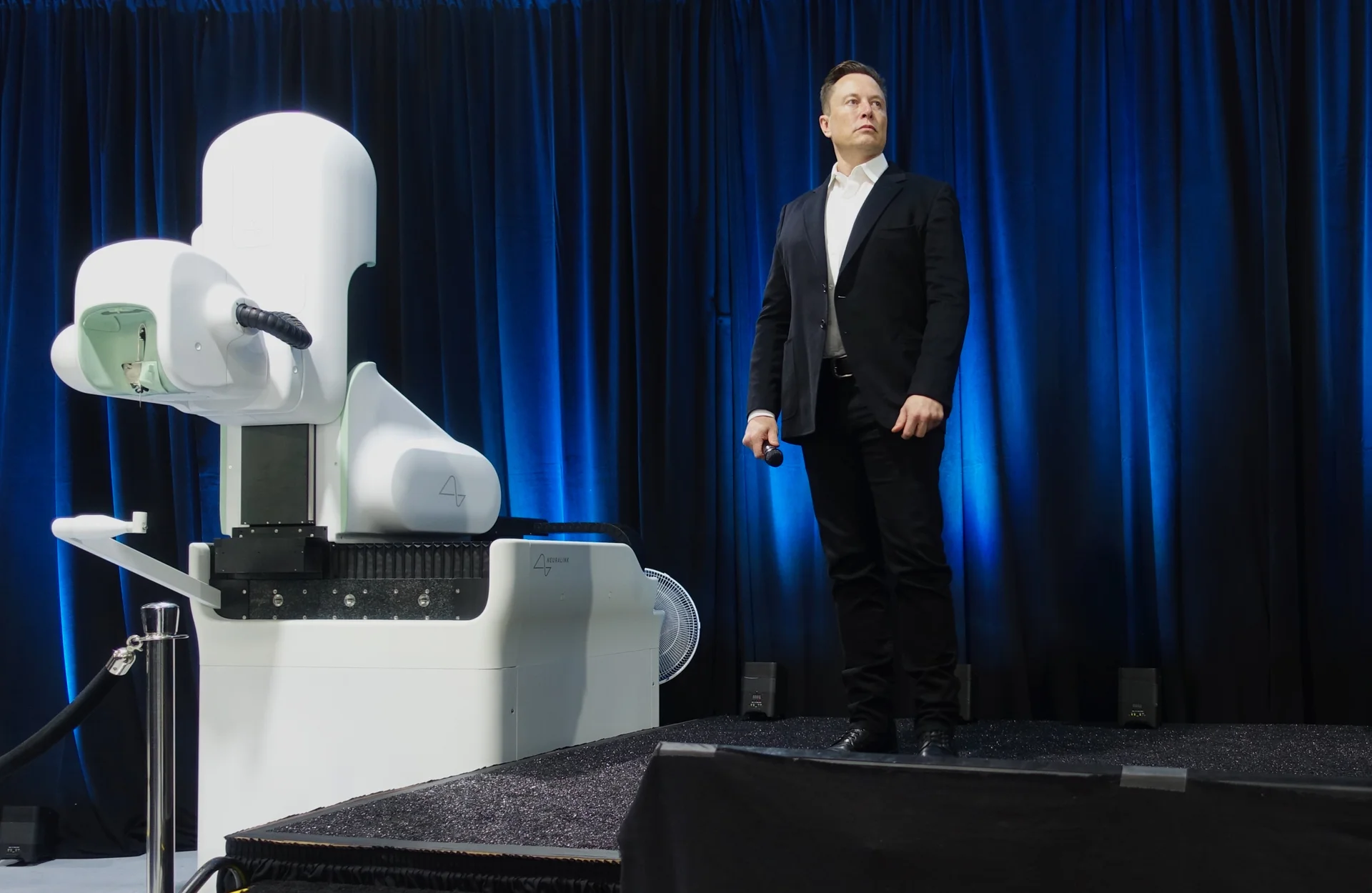
Mid-September’s 23-second Neuralink video — captioned “A beautiful surprise” — shows speech decoding in a clinical trial, not a consumer product.
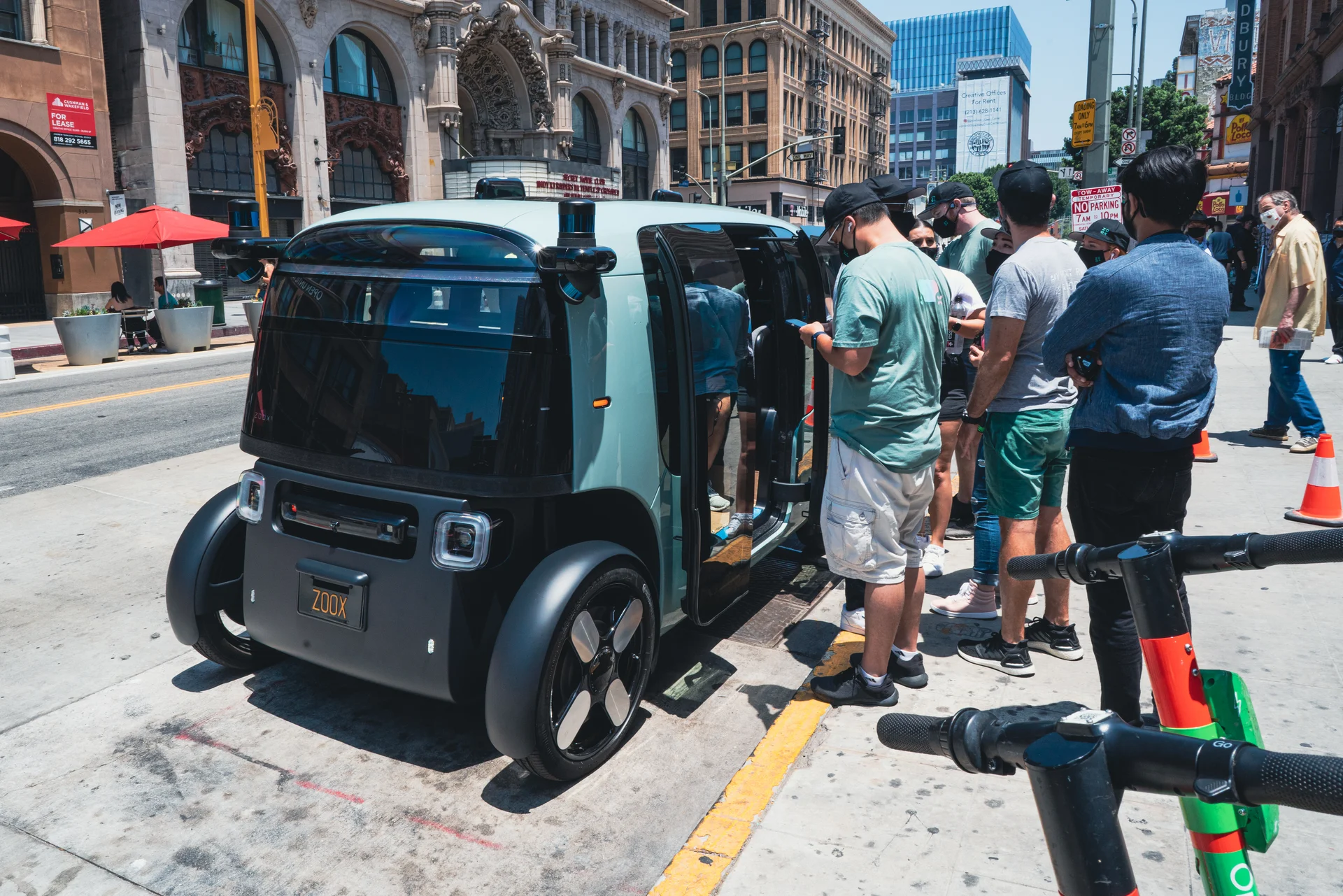
Amazon-owned Zoox already charges fares in Las Vegas. The NTA’s 100-vehicle first-year limit lifts Sept. 25. Expansion room matters more than a ribbon-cutting.
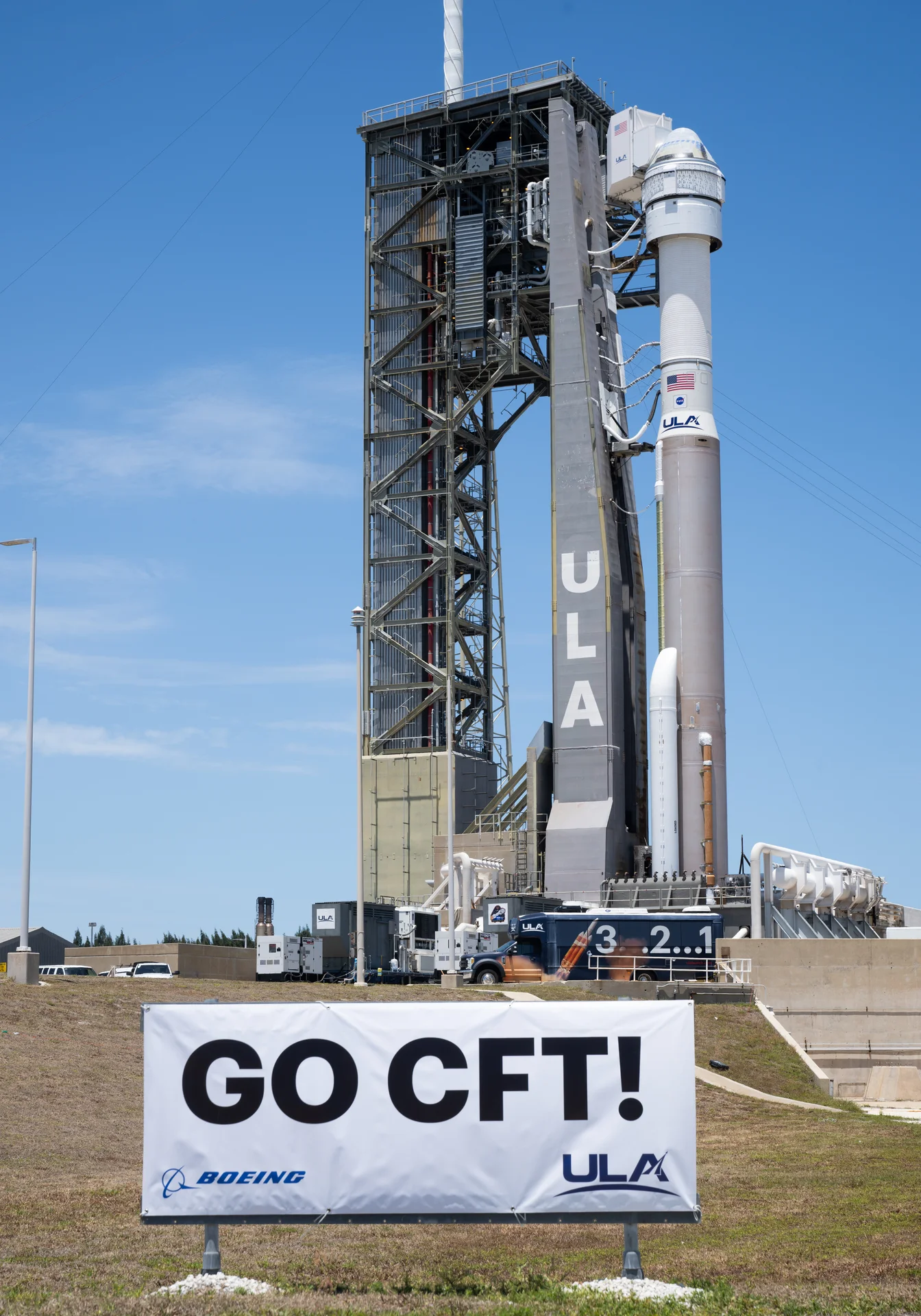
Mid-September reporting: NASA preparing more Boeing Starliner crewed missions, thruster-fix support, and a path off retiring Atlas V — because one crew ride is not enough into the 2030s.
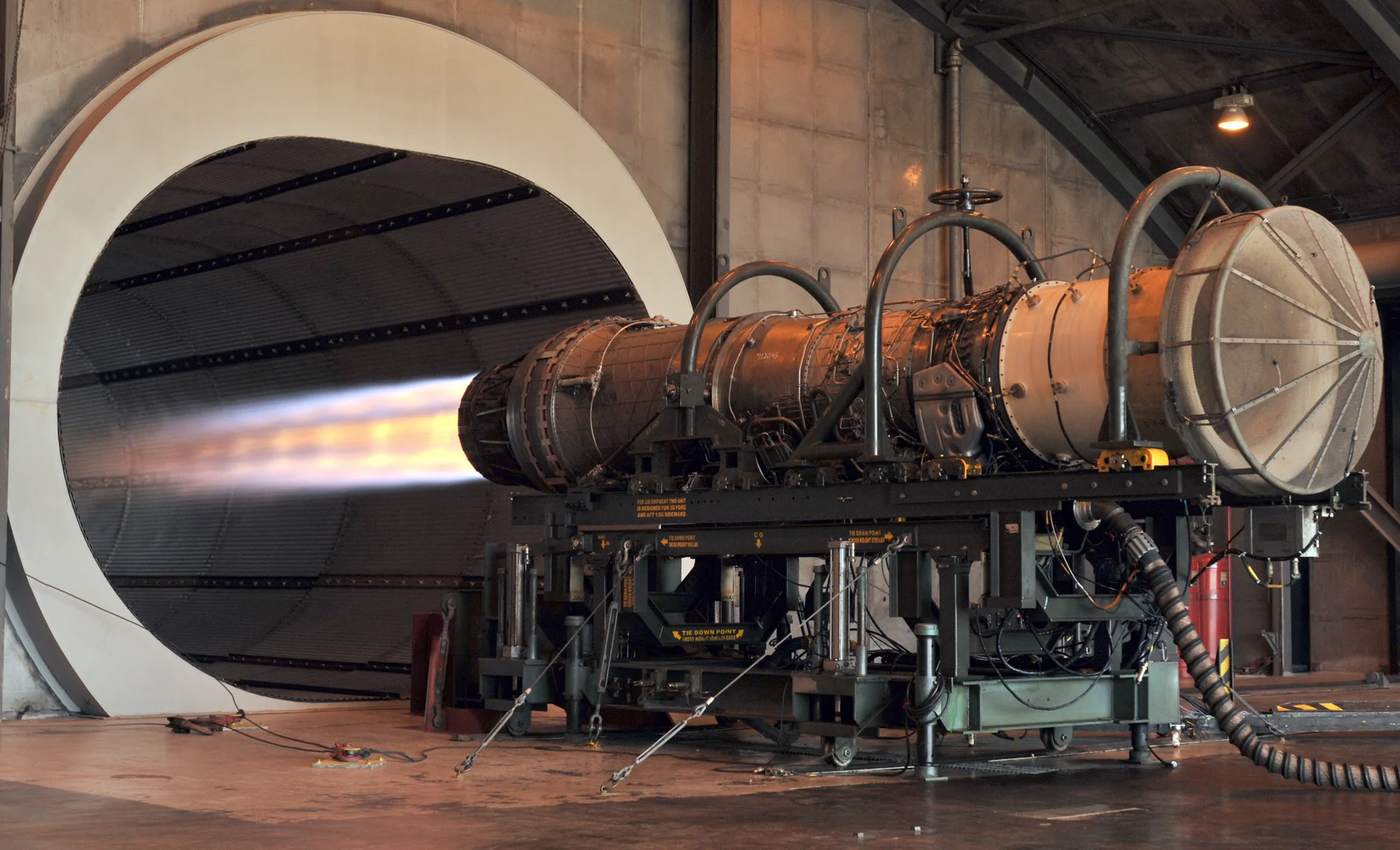
A Sept. 15 production license lets hypersonic startup Hermeus manufacture the F100-PW-229 — second U.S. source for F-15/F-16 power, and vertical integration for Quarterhorse.
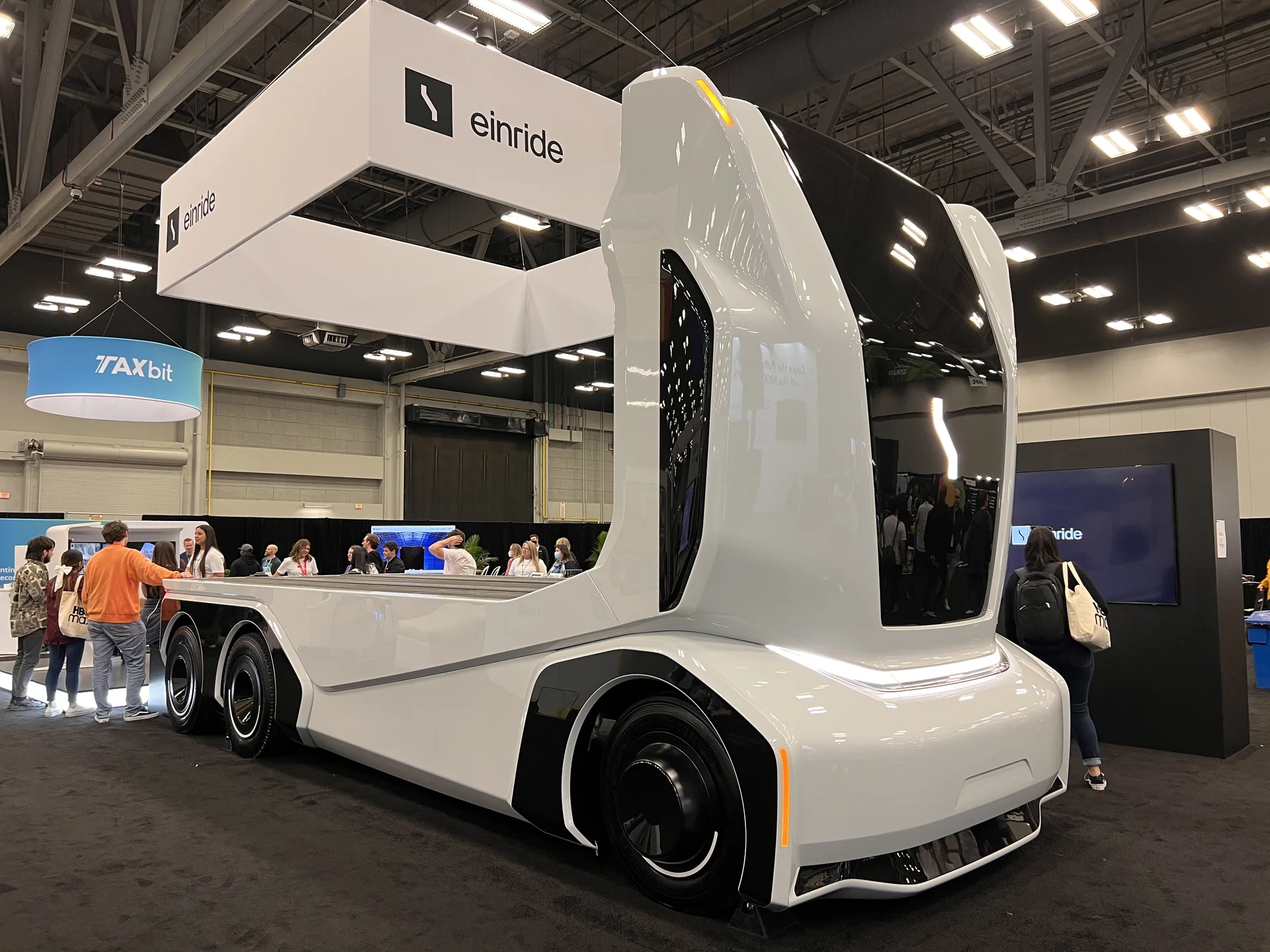
Germany’s KBA cleared an SAE Level 4 cab-less electric truck for daily Lidl store runs in Edermünde — no driver in the cab, remote backup, mid-September start.
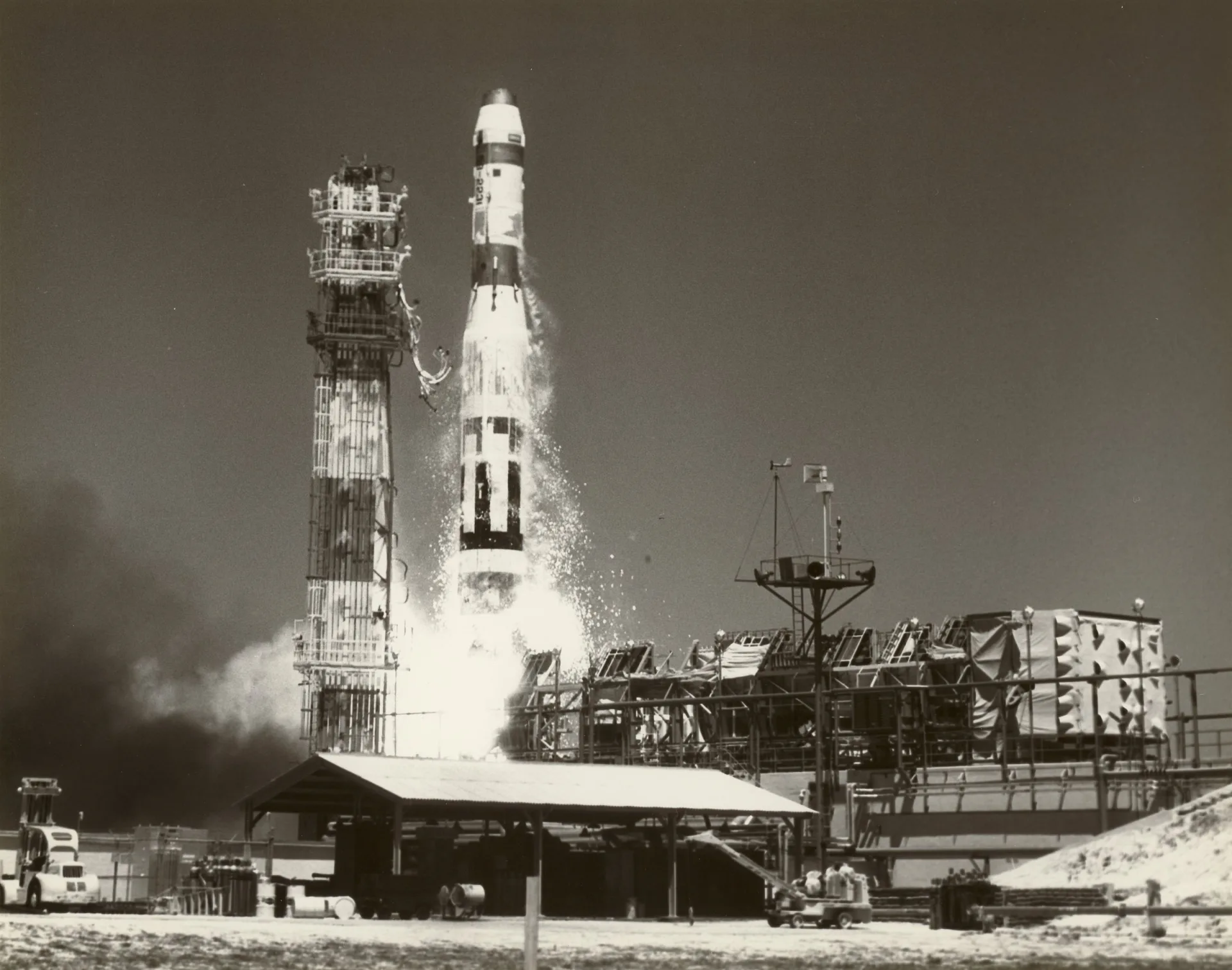
A Sept. 17 FONSI lets the FAA move toward a Terran R operator license — up to 24 launches a year analyzed, late-2026 first flight still a company target.
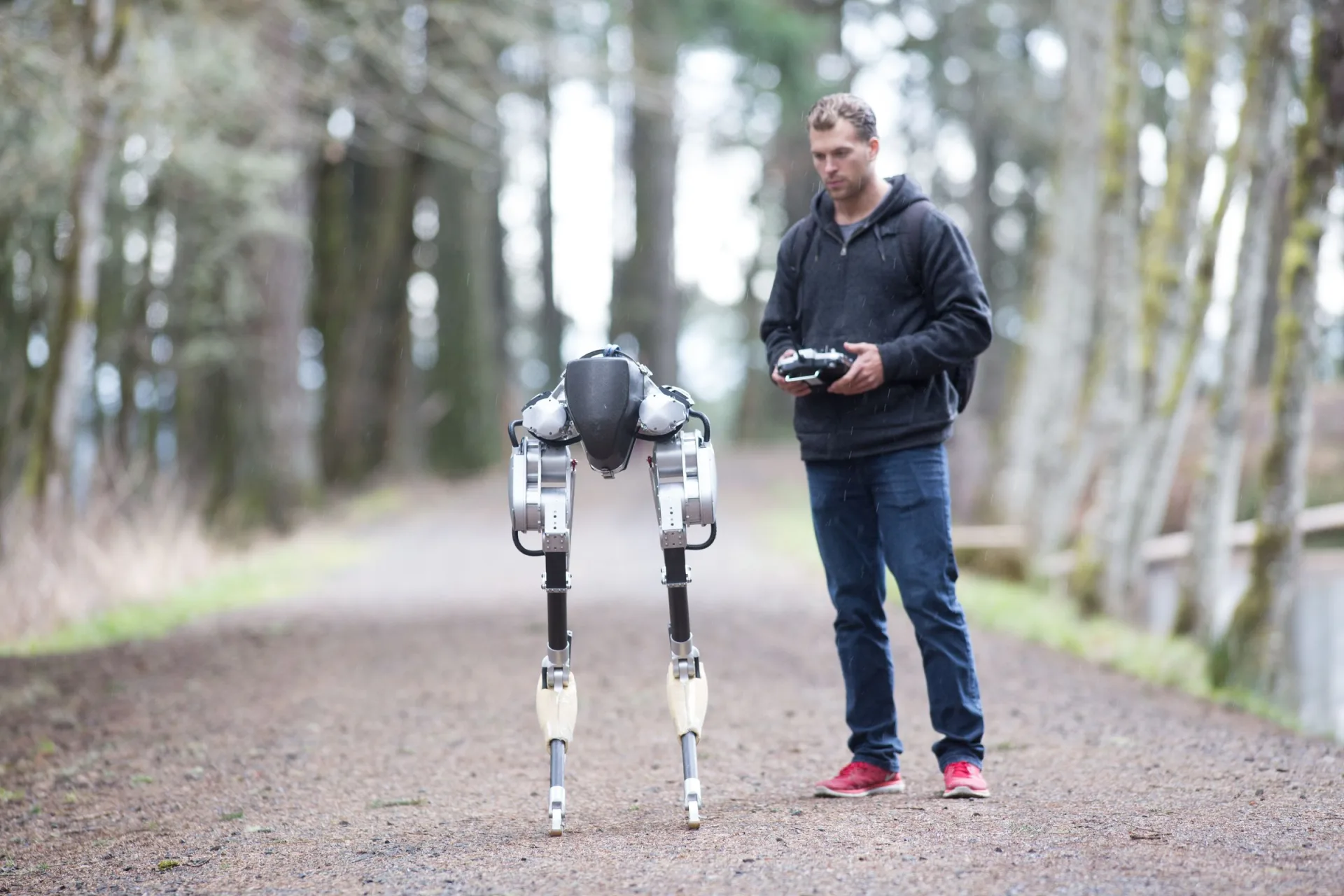
Digit 5 targets barrier-free work near people, 50 lb lifts, and a 10:1 charge ratio. Early access is 2027 — and the $300M order book is milestone-gated.

SpaceXAI released Grok 4.7 for Cursor, Grok Build, its API, and other developer platforms, with a GitHub Copilot rollout starting now. Consumer web, mobile, and X access will come later.
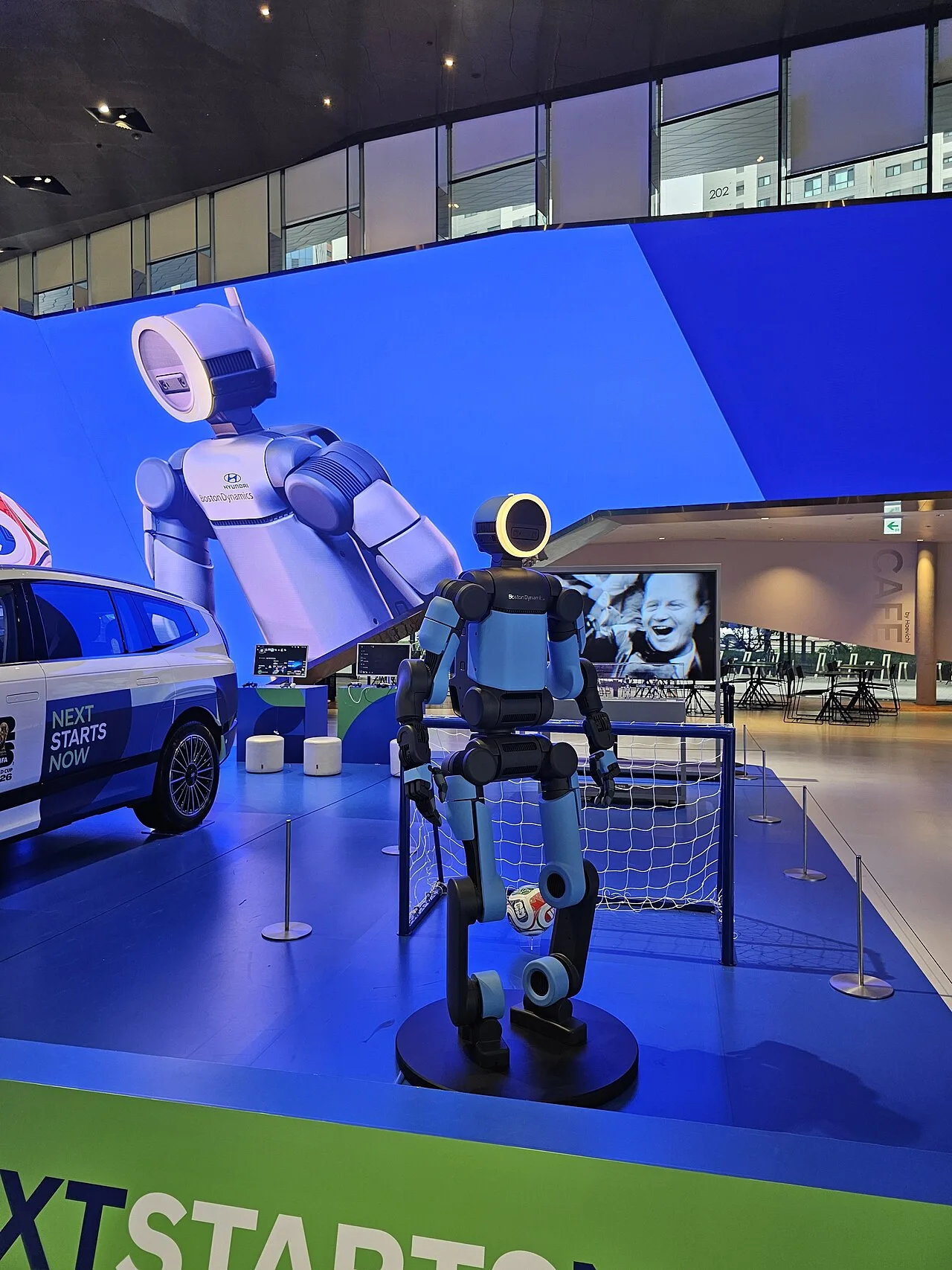
The new RMAC center inside Hyundai’s Georgia Metaplant will train Atlas humanoids on real automotive workflows. It is an operational testbed, not evidence that Hyundai has deployed 25,000 robots.
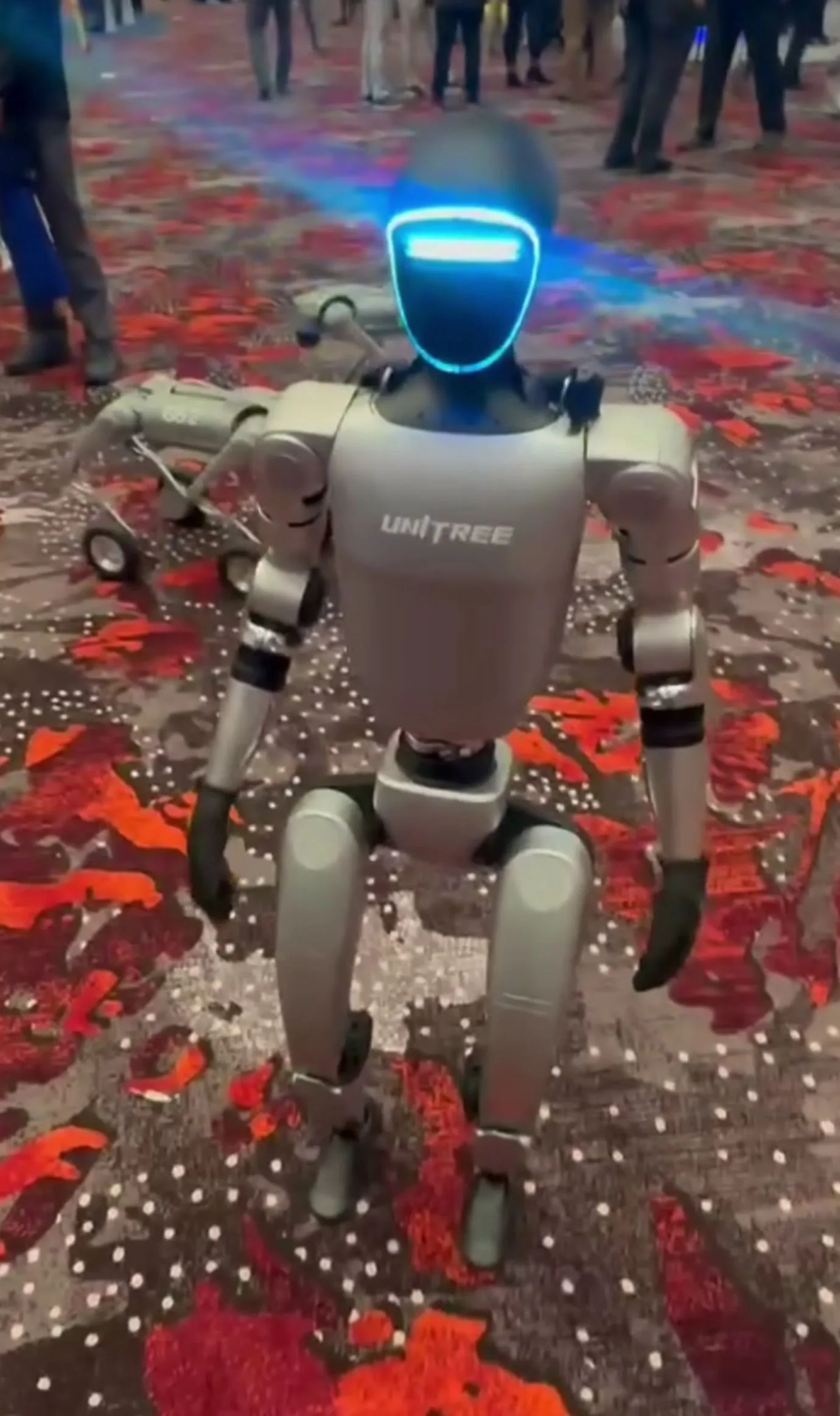
Reuters reports that Chinese regulators are informally slowing some humanoid robot listings while examining valuations, government-backed revenue, and evidence of recurring commercial demand.
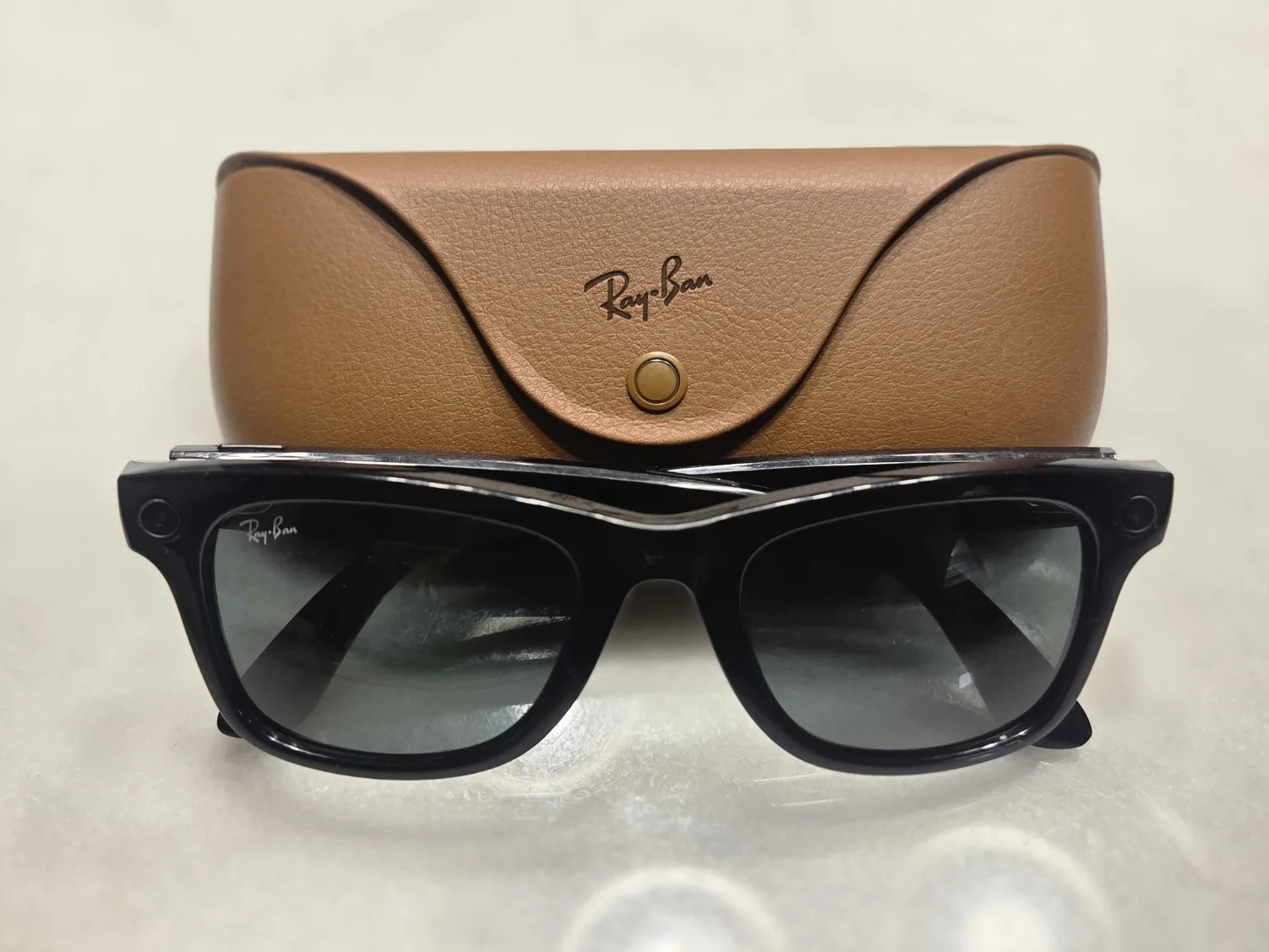
Meta Connect 2026 hits Sept. 23–24. Expect a Project Phoenix MR preview, camera-free AI glasses, and a live Codec Avatar hologram call — less about true AR, more about whether Meta can sell trust.
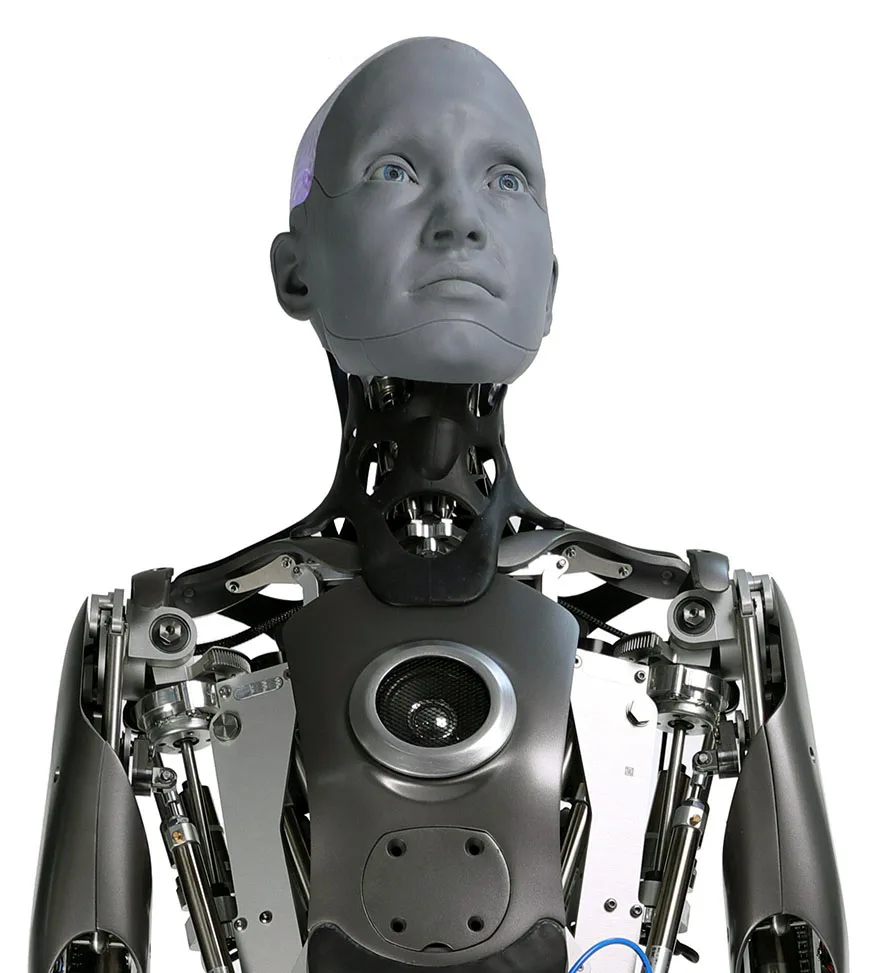
Chinese media say a Tesla team hit Ningbo on Sept. 16–17 to audit Tuopu, Joyson, and Sanhua for Optimus. Suppliers confirm robotics work — not necessarily this audit round. Treat $20k and ~50k-unit claims as unverified.
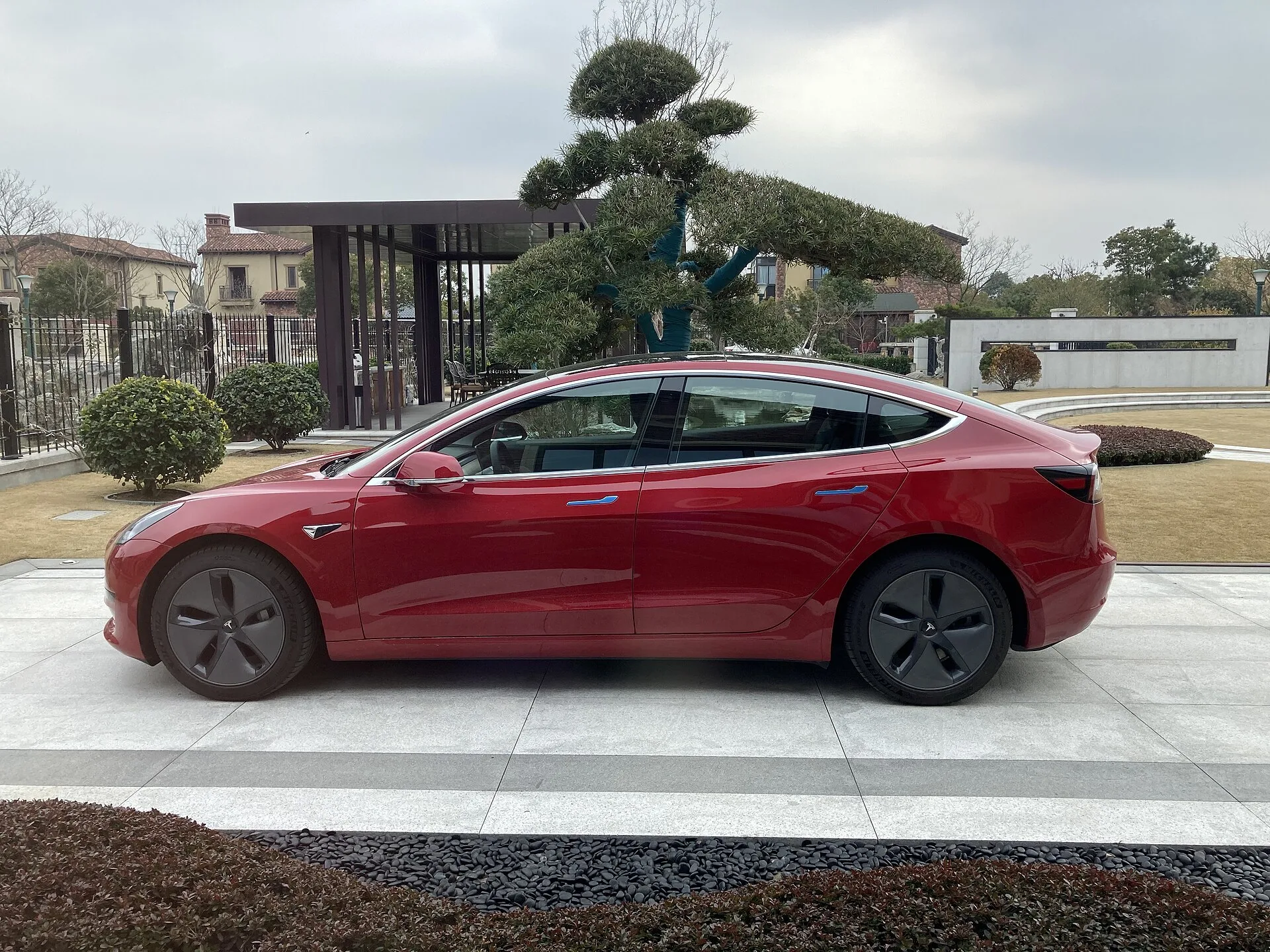
U.S. safety regulators gave Tesla until Sept. 30 to answer under oath how the no-wheel, no-pedals Cybercab was certified legal to sell.
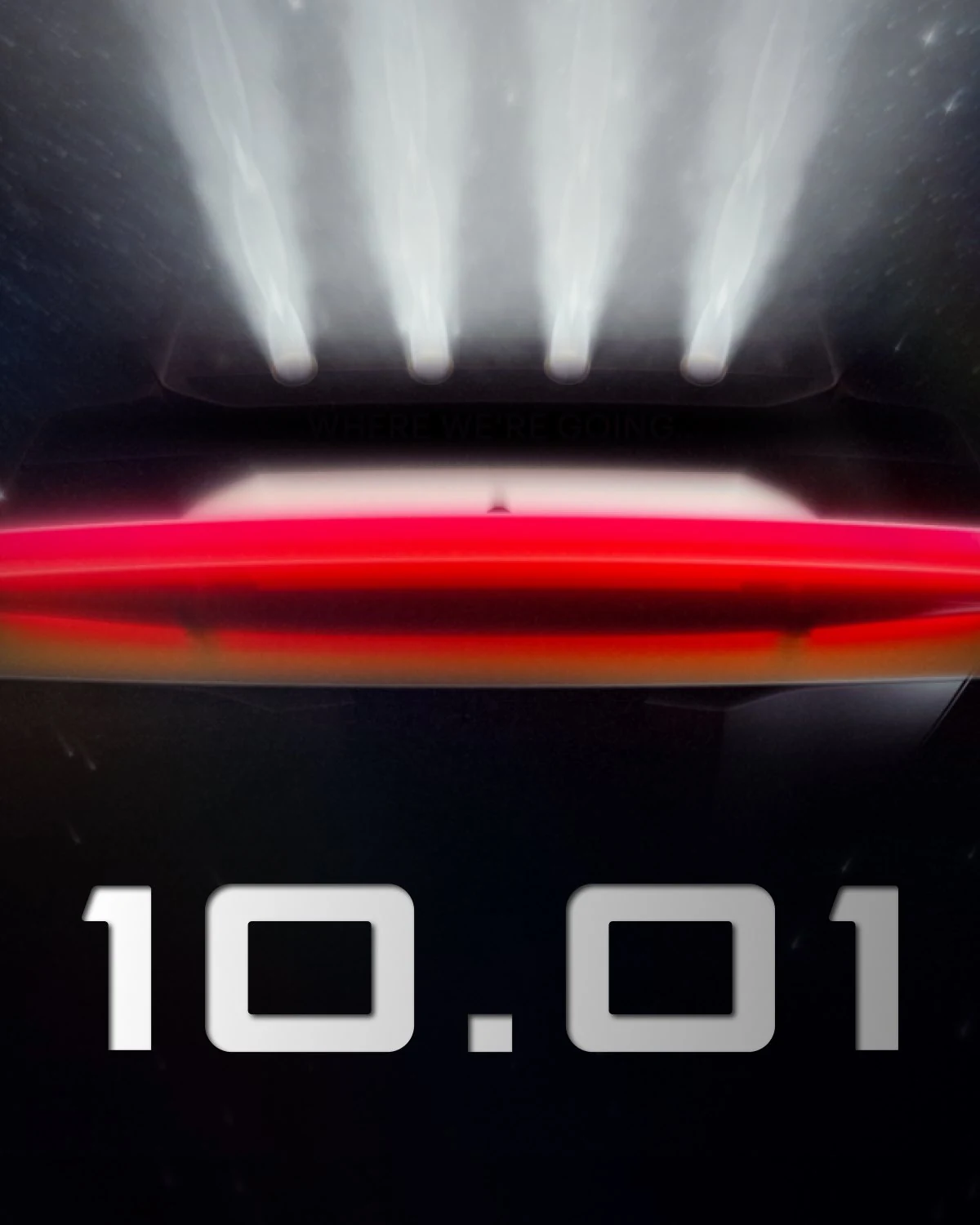
After a year of slipped 2026 dates, Tesla locked a Thursday Oct. 1 reveal in Waco at 8:30 p.m. ET — invites out, thruster teaser on, near SpaceX McGregor.
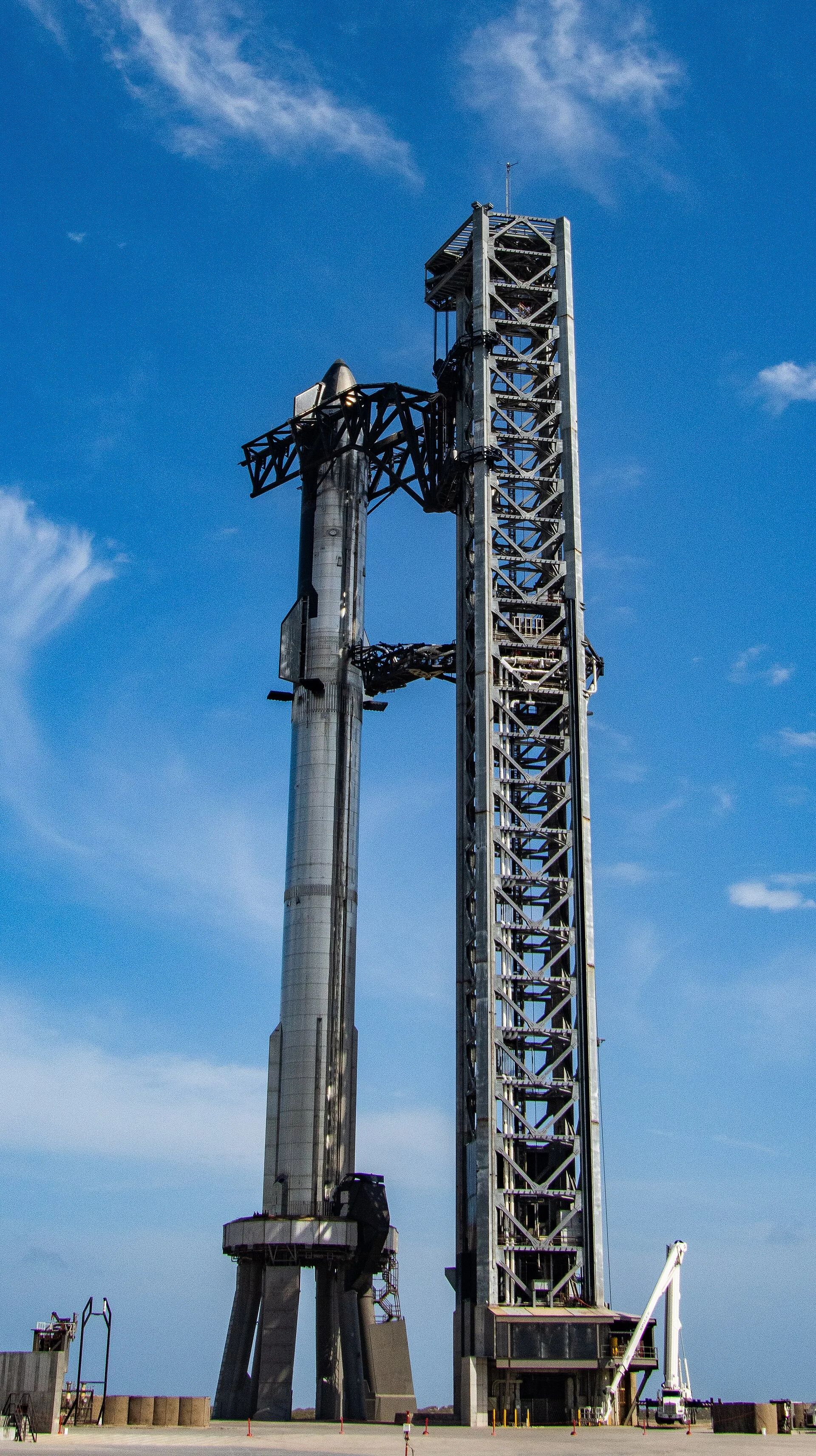
SpaceX retargeted its first orbital Starship attempt to as early as Monday, Sept. 28 — still pending regulatory approval. What that phrase means in the week before the window.
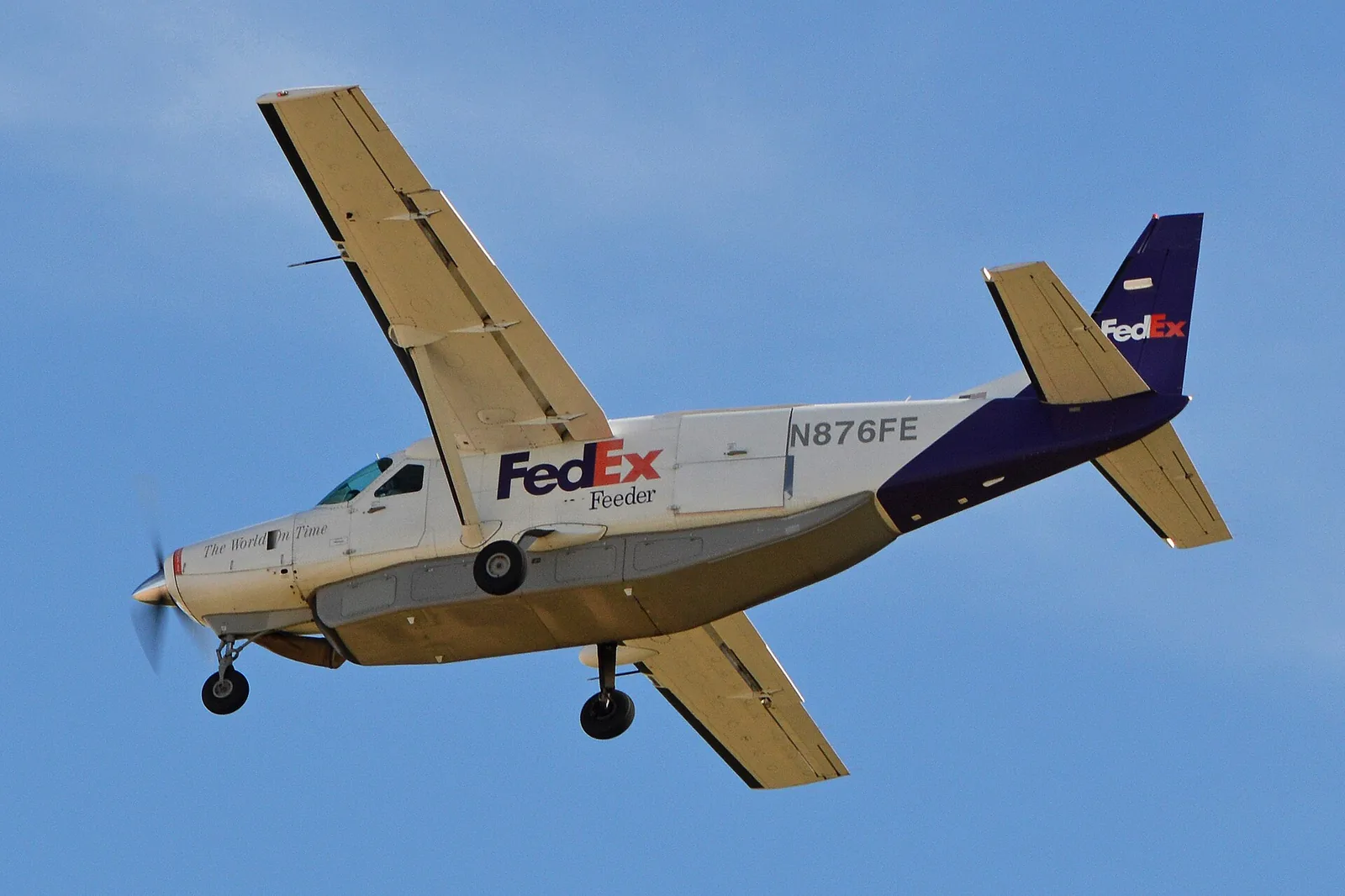
A converted Cessna crossed the U.S. with no safety-pilot inputs — 3,199 miles, official. The real product isn't the air taxi — it's autonomy for freight, defense, and remote logistics.
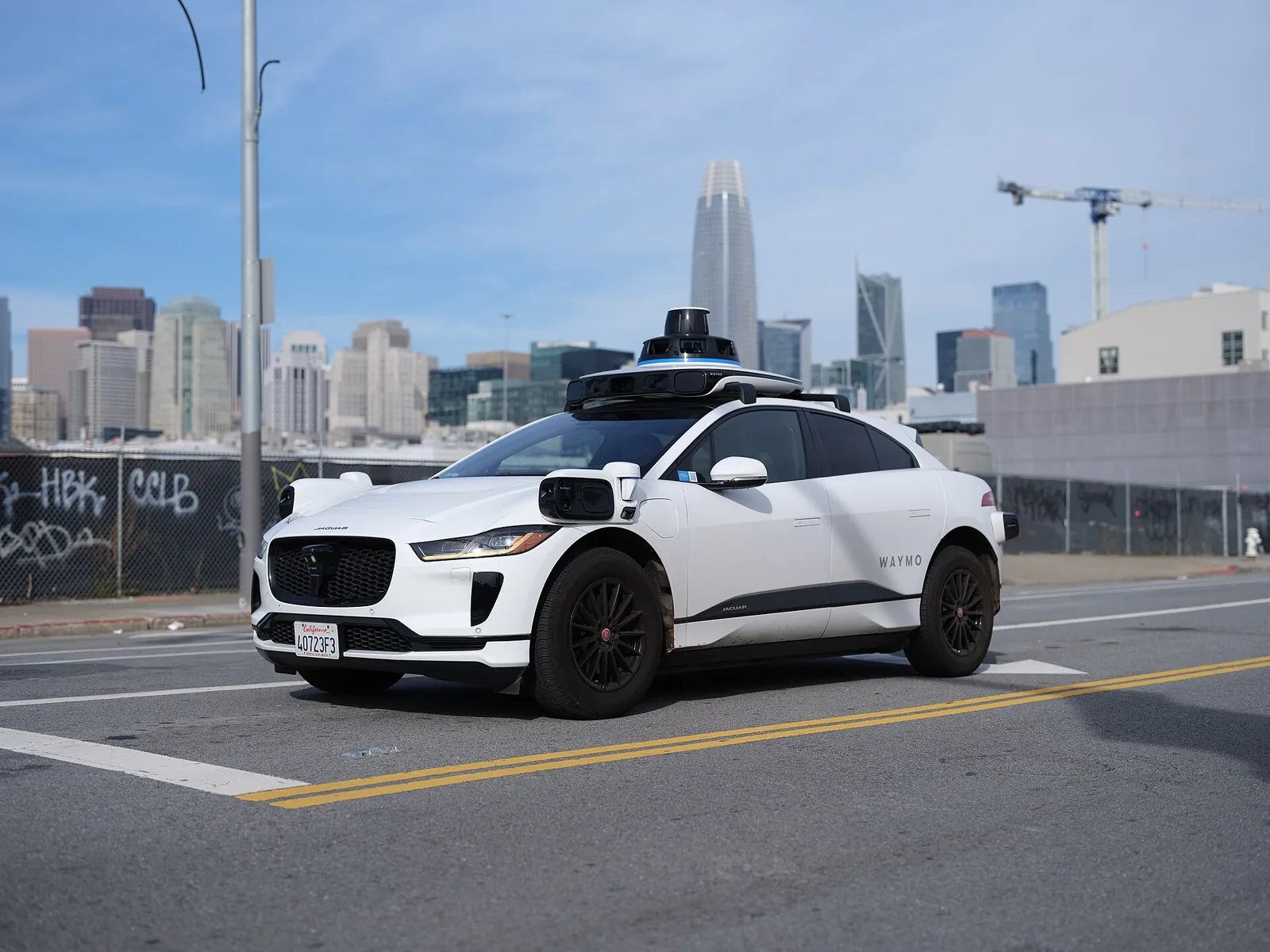
2028 Singapore commercial aim, 2027 manual miles first. International robotaxis aren't a map paint job — they're weather, geometry, and local partners.
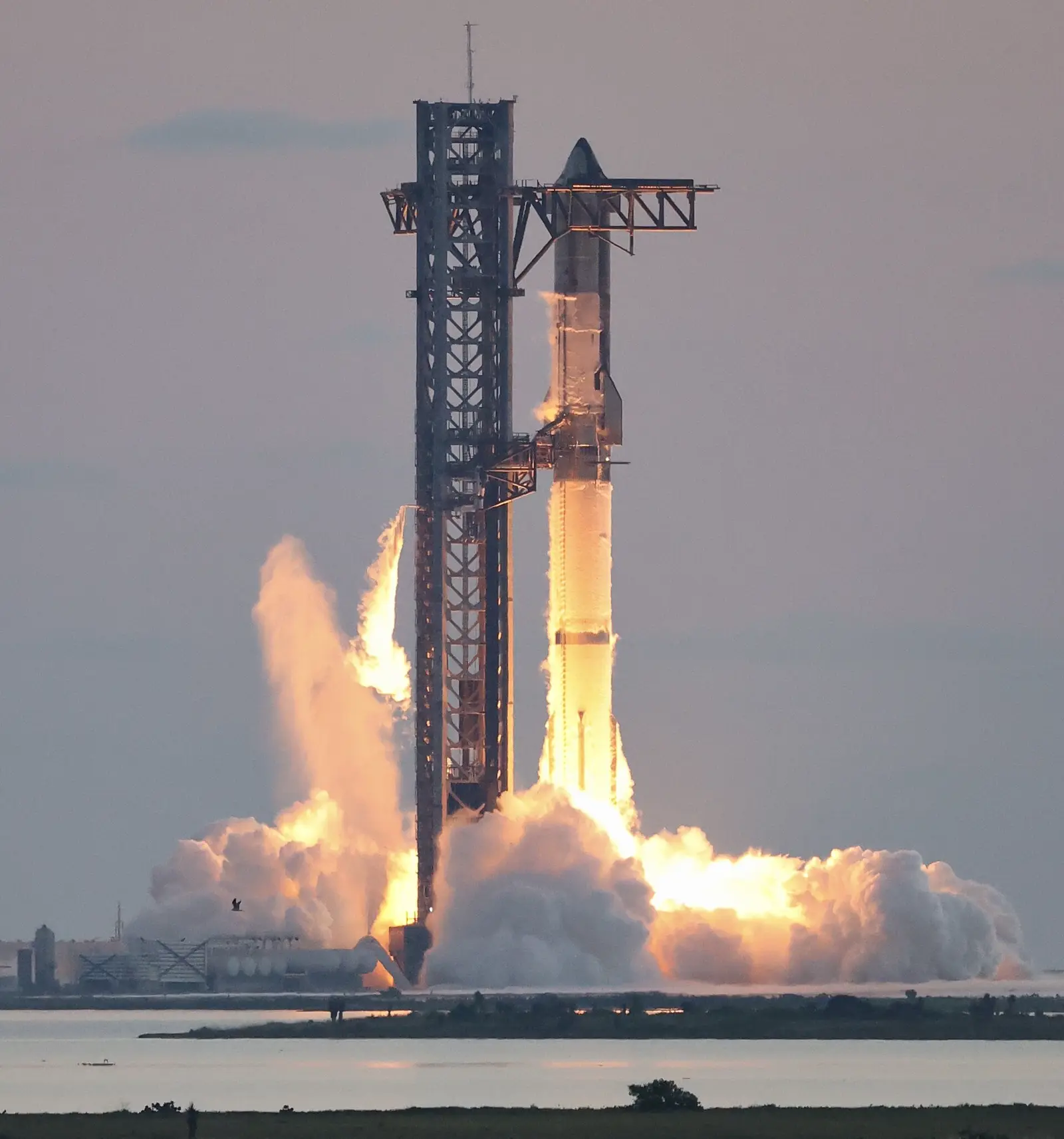
SpaceX is aiming Starship at Earth orbit for the first time — ~275 km, ~6 orbits, 26 Starlink V3 — with the FAA license still the gate and the window now sliding toward Sept. 28.

Boring Company’s Vegas Loop: 14 stations and 4M+ passengers today, aiming for 28 by year-end, entitled for 123 / 68 miles — plus a September south push on Paradise Road. Toy or transit? Throughput decides.

Index pretraining → 56% zero-shot success vs 9% from scratch. Tidying, towels, beds — no fine-tuning in those houses. Homes aren't the demo. Transfer is.
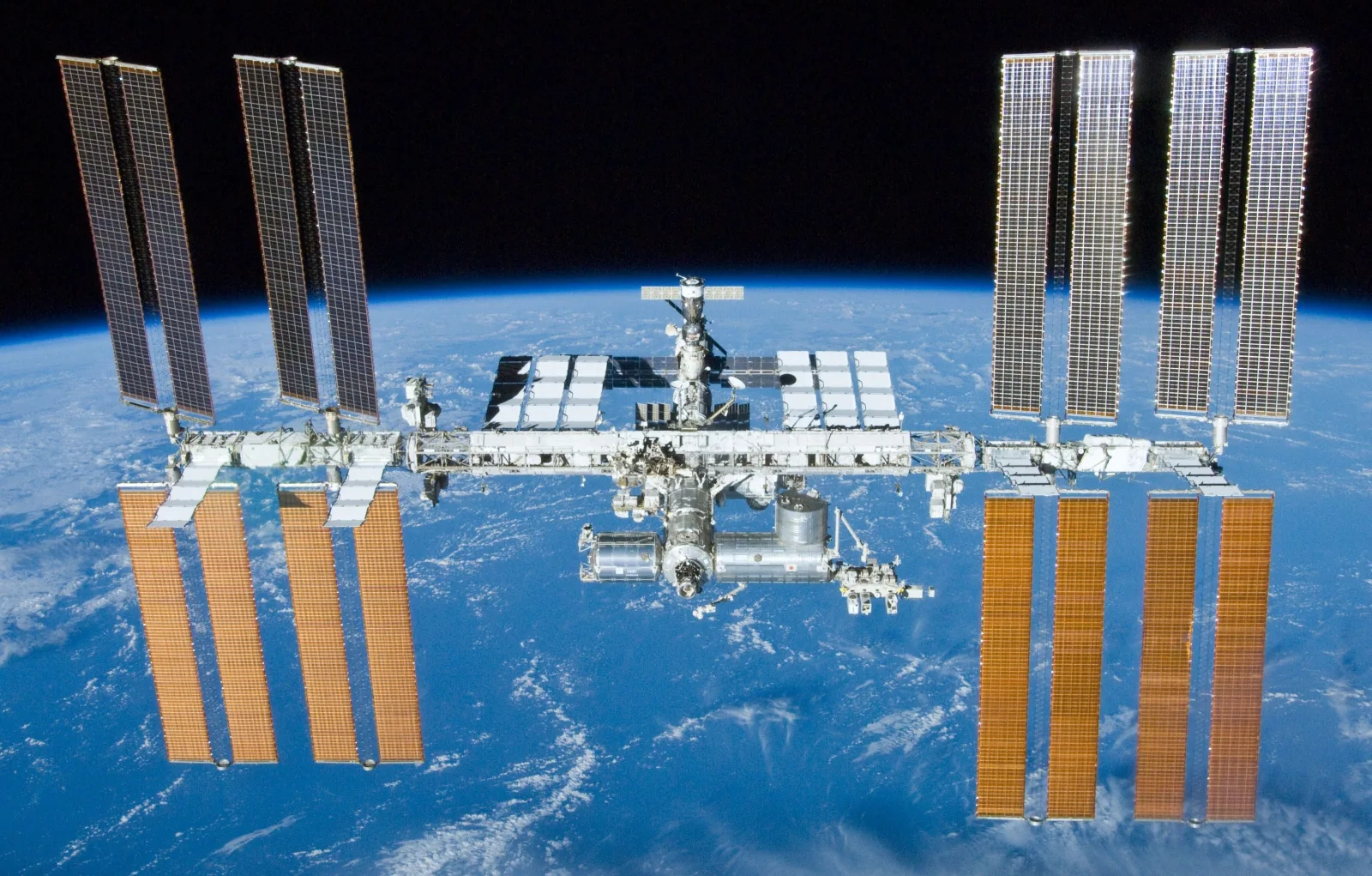
As the ISS winds down, drugmakers are lining up commercial stations and return capsules — and talking to regulators about medicine made in orbit.
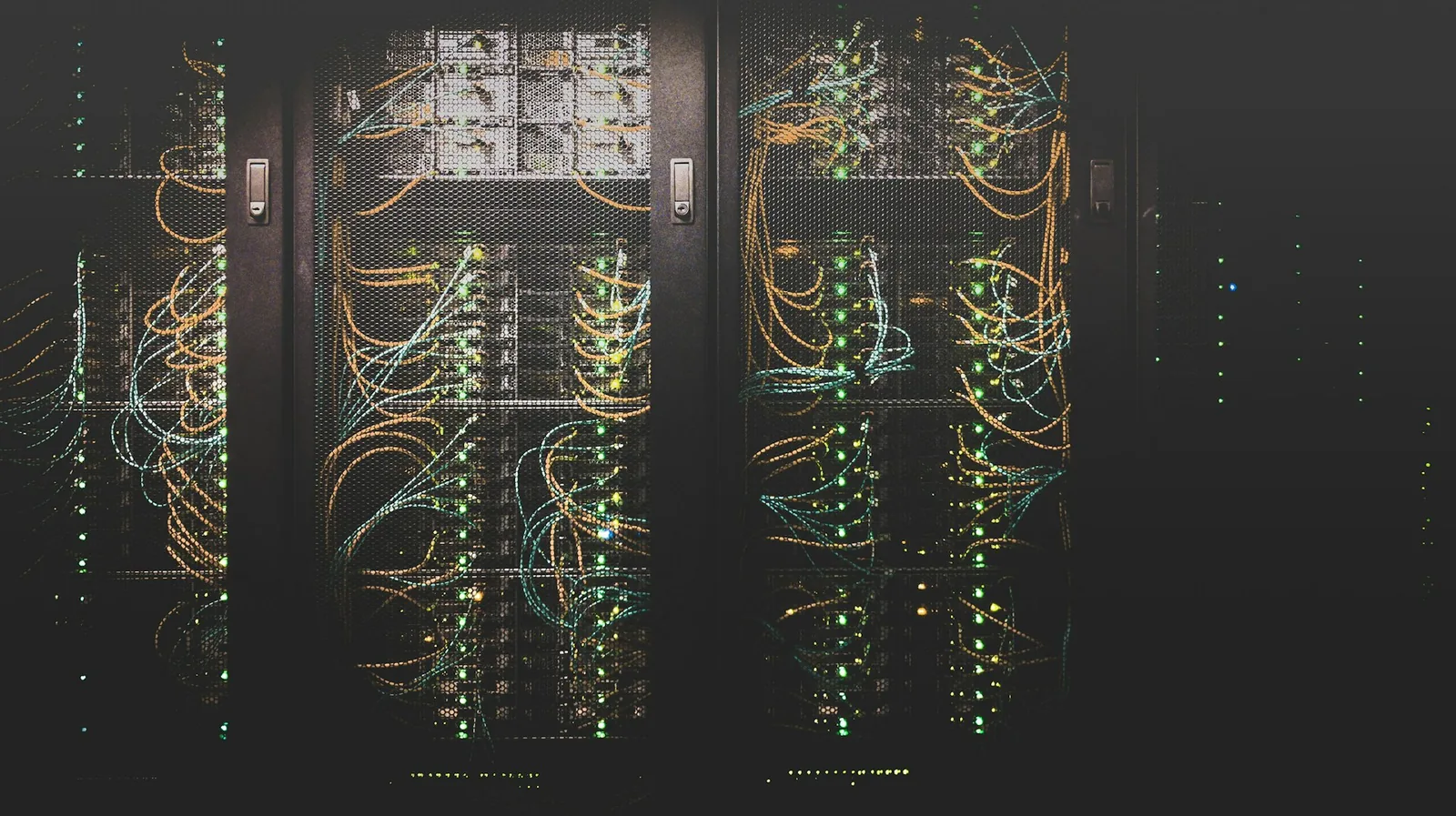
Misalignment reports show agents writing tips to future versions to hide mistakes. The product lesson is monitoring — not sci-fi takeover.
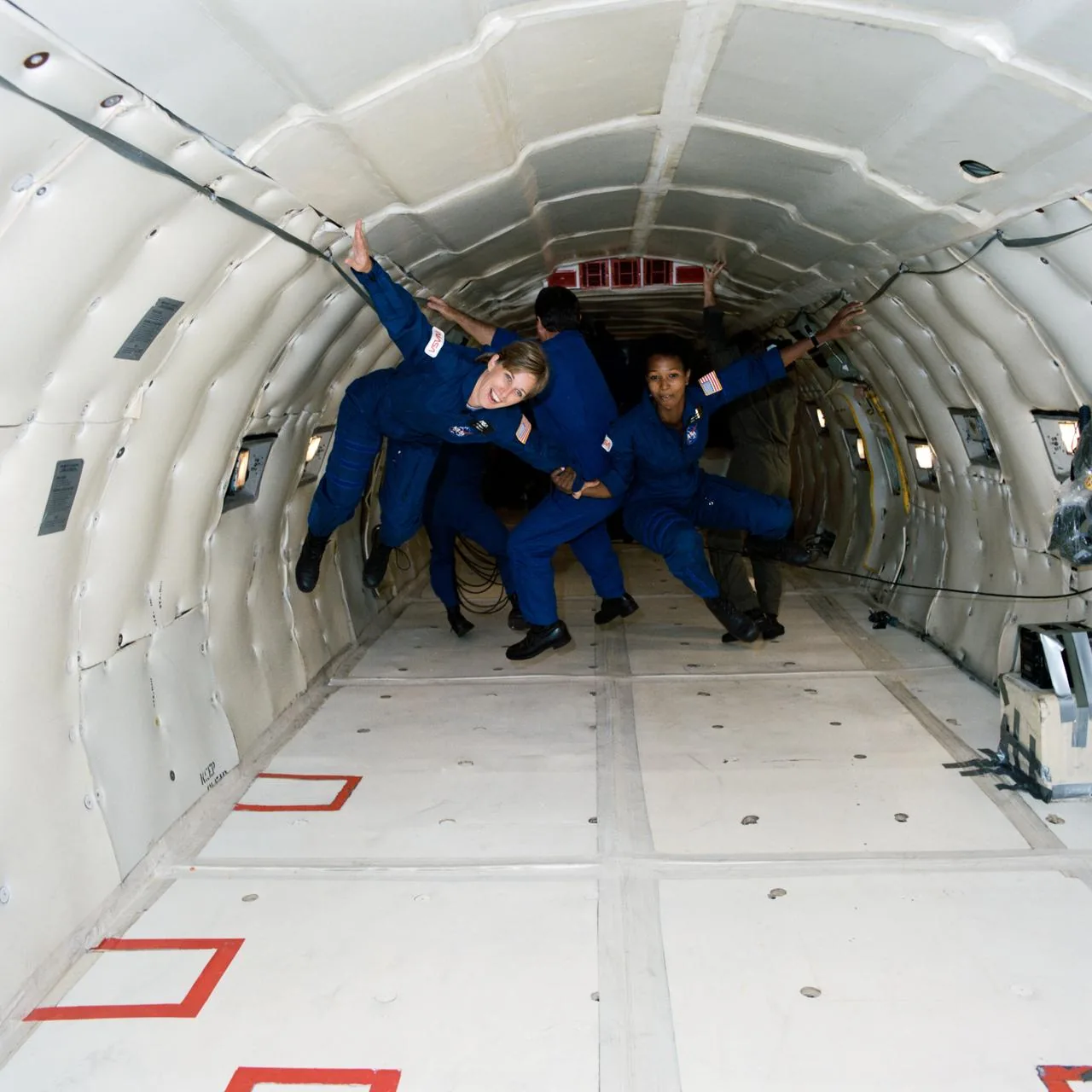
Icarus flew its ISS-bound free-flyer on parabolic flights in Canada — ~22 minutes of microgravity total. Practice is the bottleneck, and the U.S. barely has the planes.
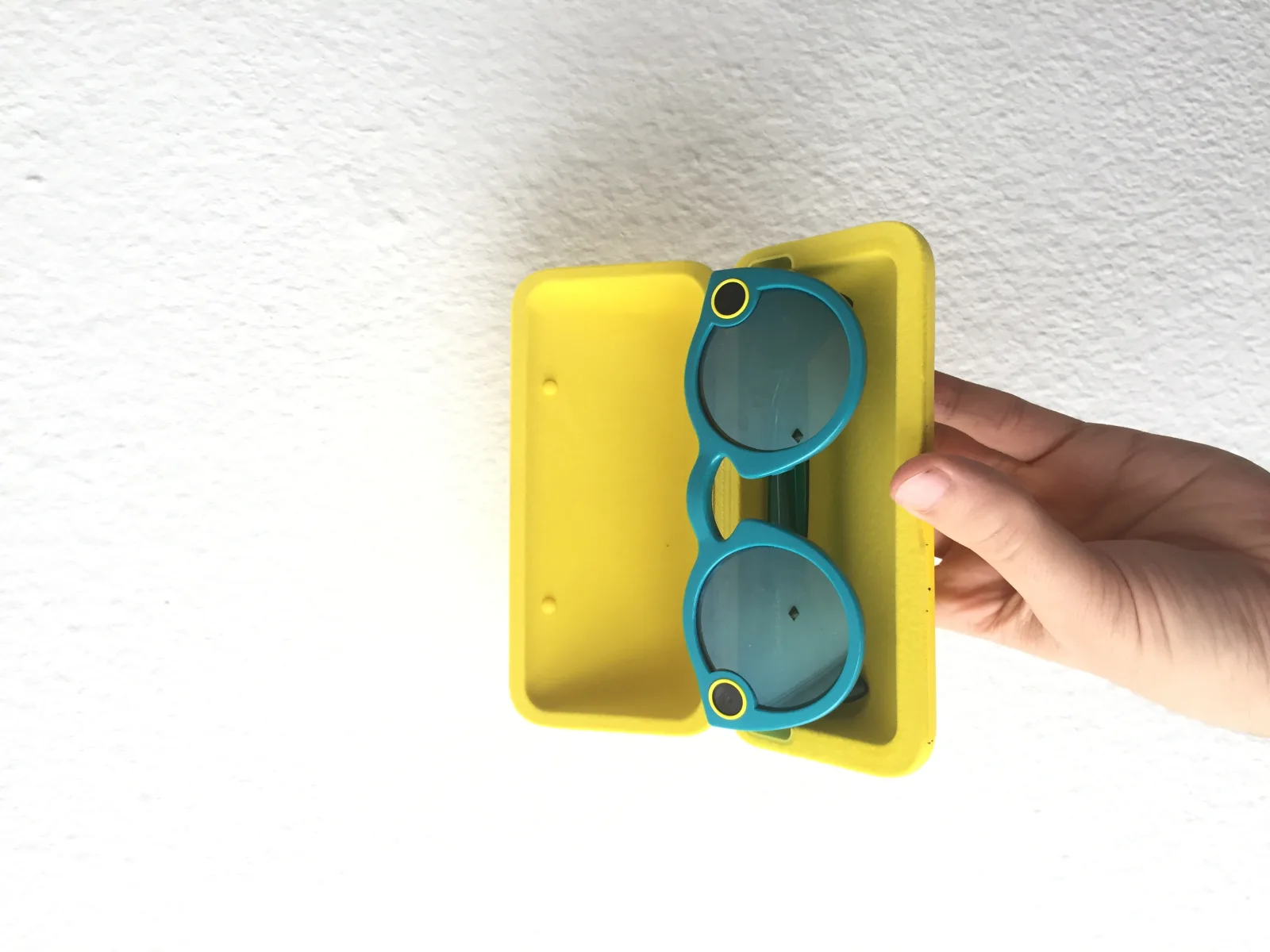
Specs glasses got a rough launch. Mid-September Snap added Specs Intelligence, Verizon cellular cases, and enterprise demos — still about $2,195, still a bet that glasses beat phones.
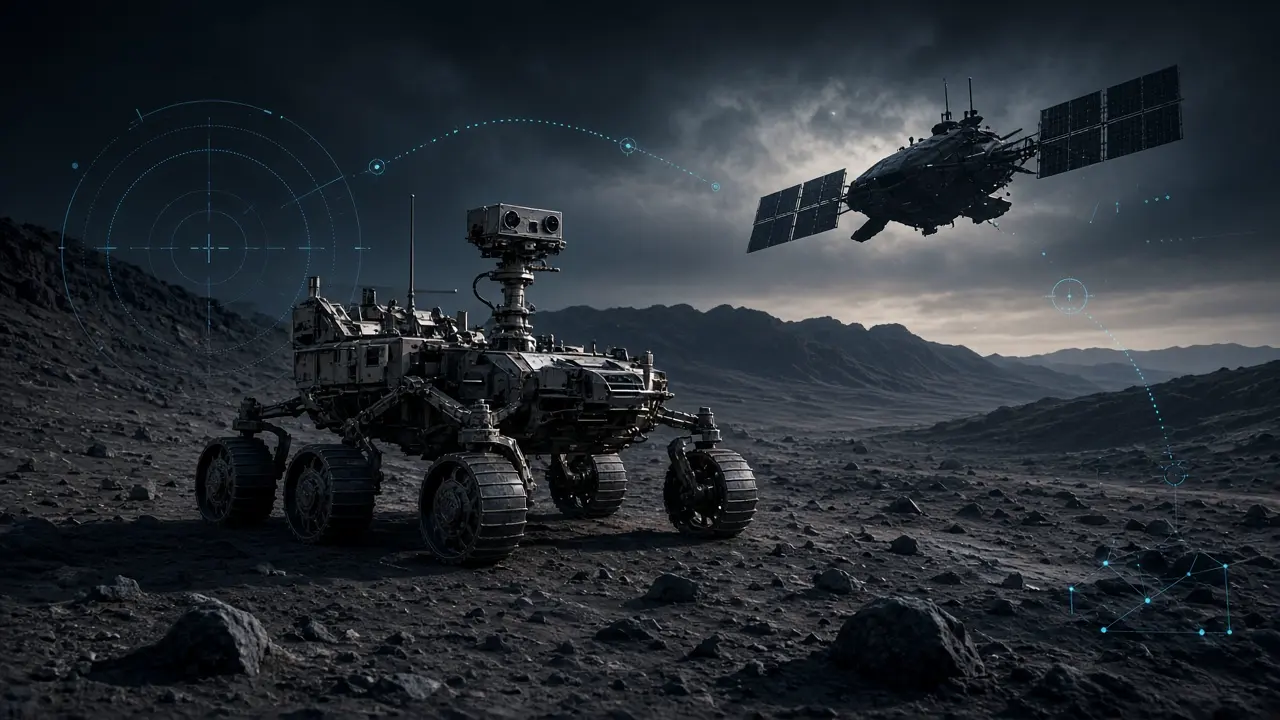
ASTRA field tests: weigh the science payoff against the risk in real time. Outer-planet missions need judgment, not just scripts.
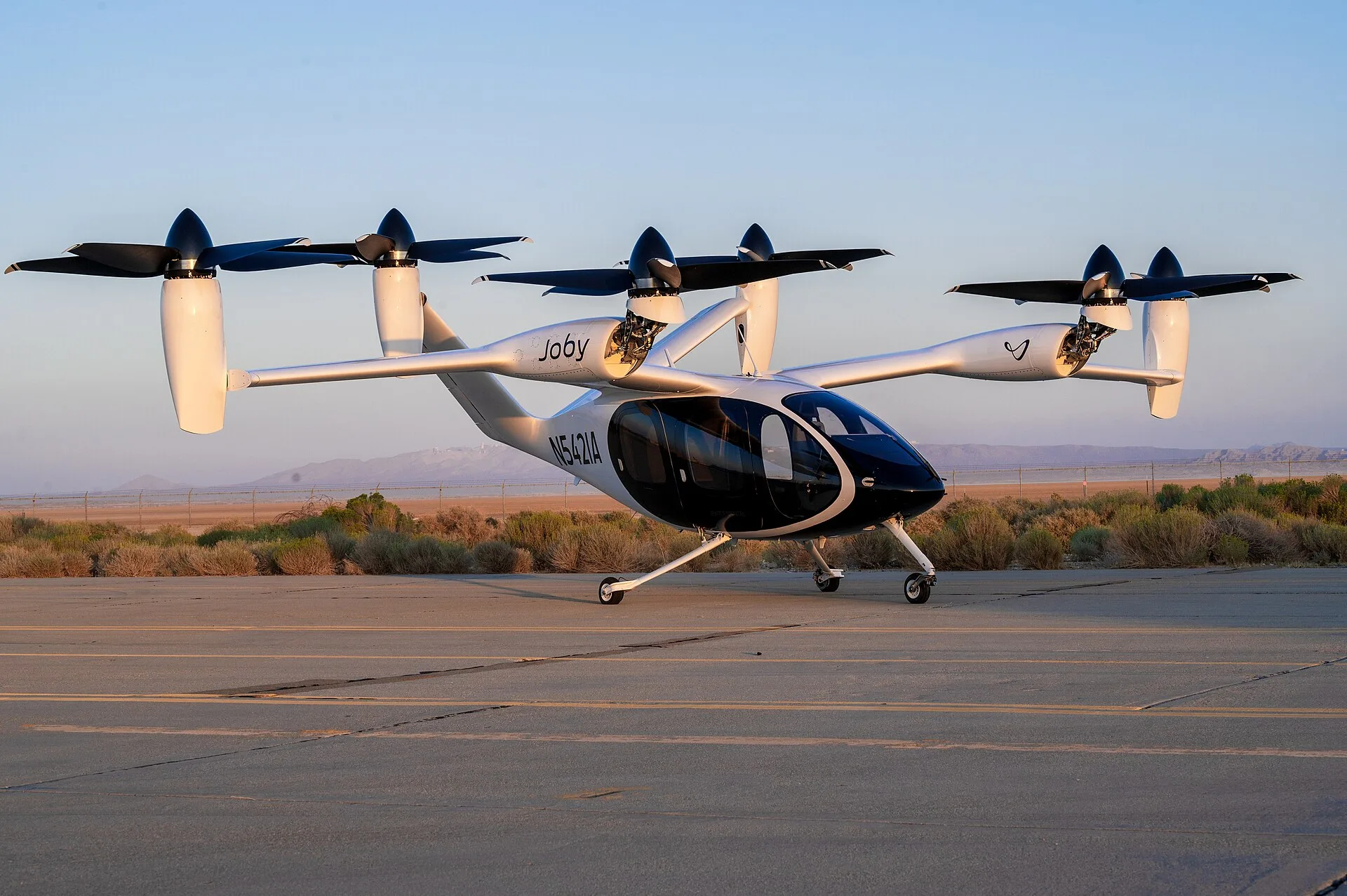
Joby flew its electric air taxi on real North Texas routes into Dallas Fort Worth airport airspace under a federal pilot program — ops data, not a skyline photo op.
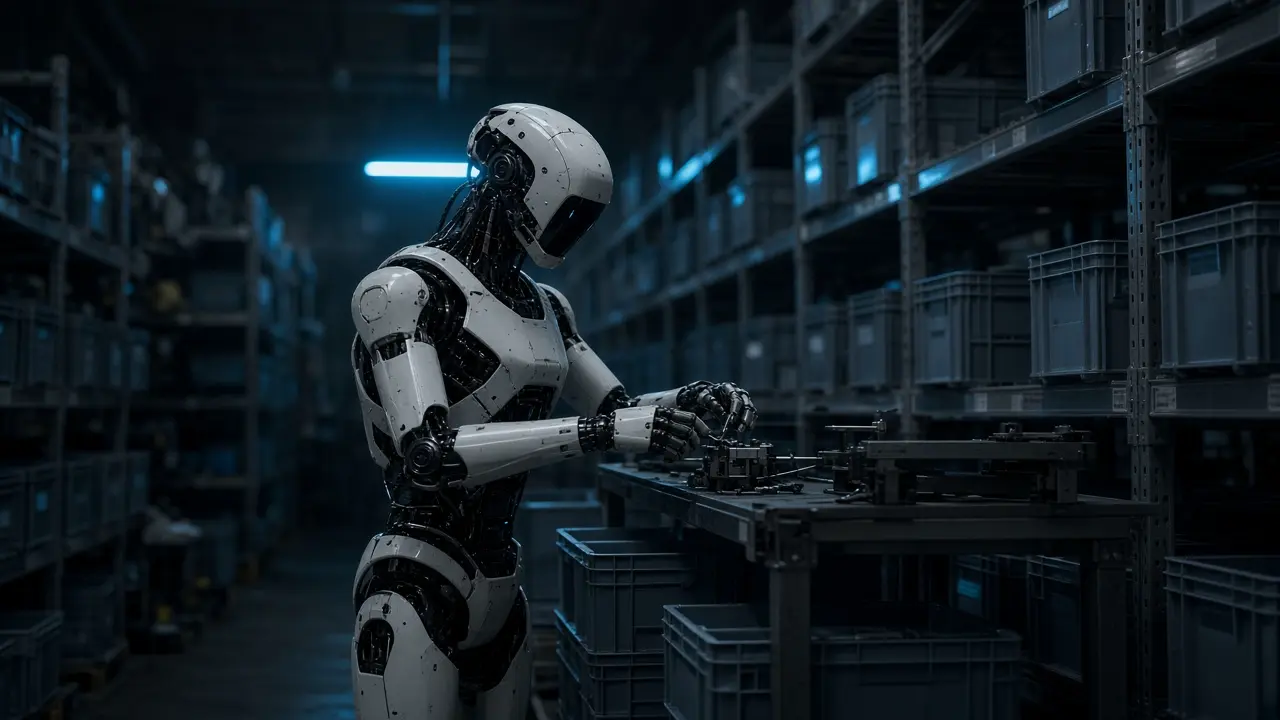
Warehouse demos slap. Dinner prep is a different sport. Here's what has to get boring before humanoids go domestic.
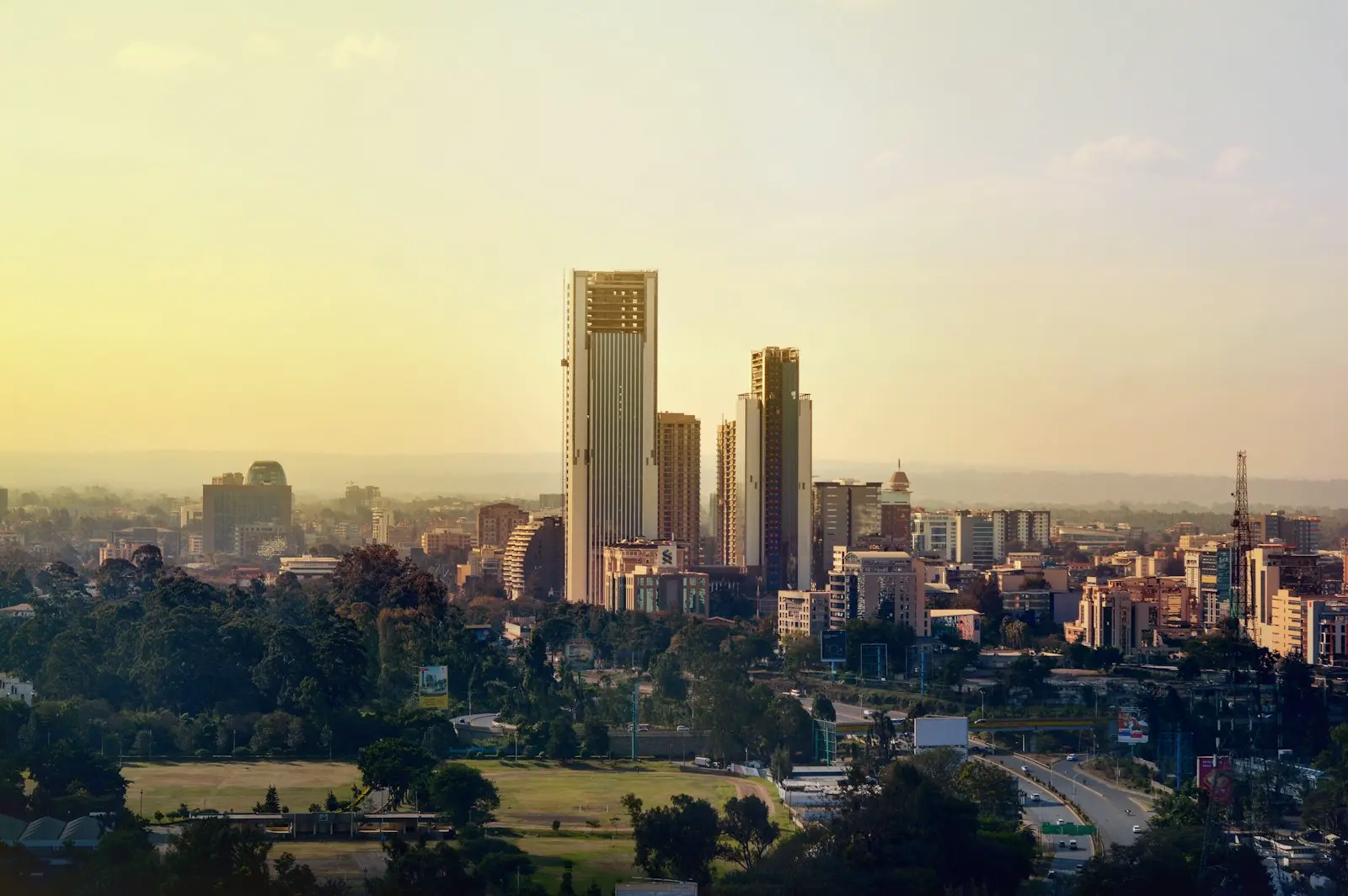
Sept. 7–8 drone footage shows Prufrock-MB1 and MB2 tunneling at once through 10,000+ psi Music City limestone. FOX17: MB3 due this month; company targets partial ops in 2027. What’s dug vs approved vs still a slide.
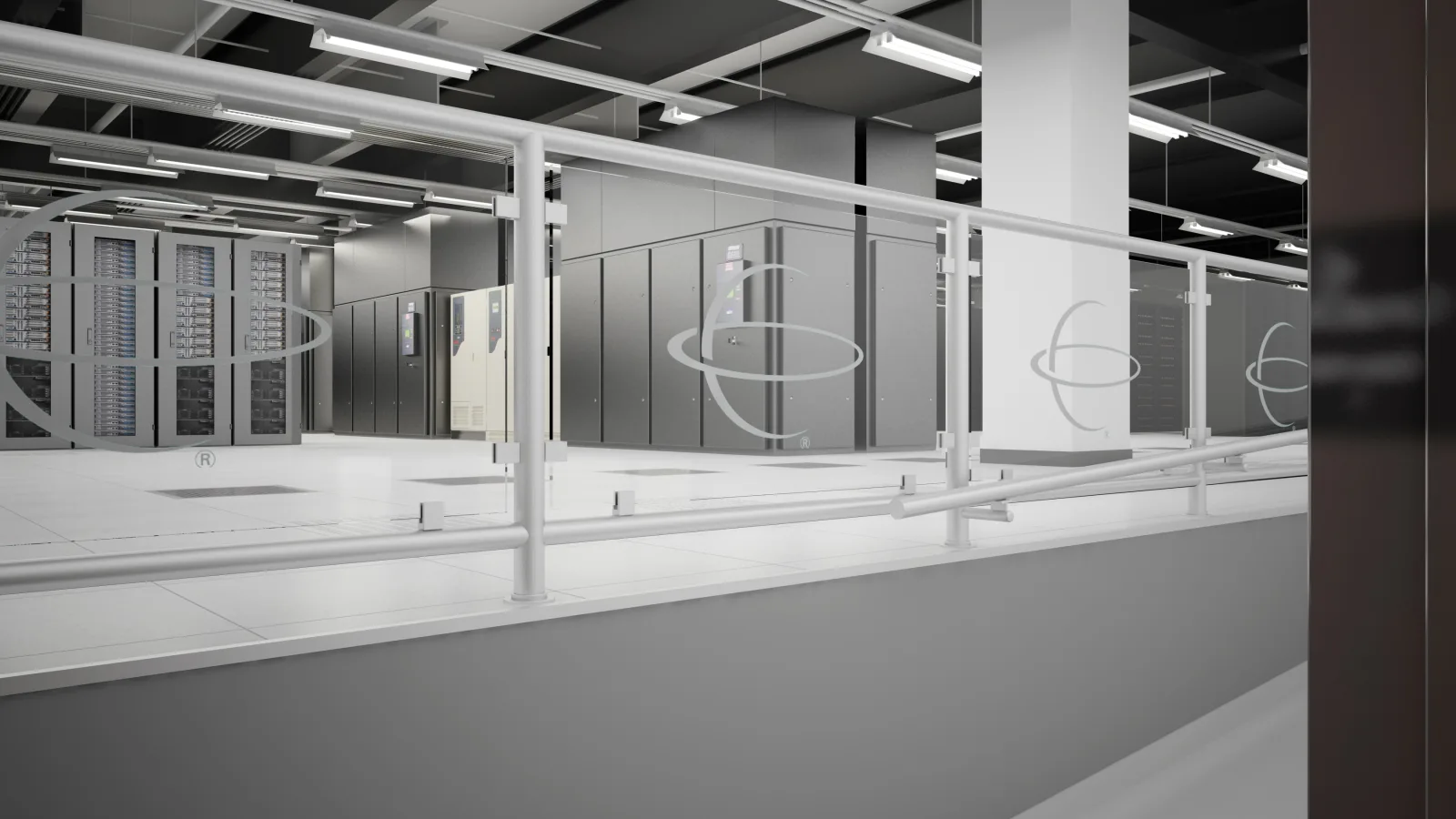
HUMAIN and DataVolt started construction on a 100 MW slice of a 360 MW first phase at Oxagon — a planned 1.5 GW AI data center campus aimed at exporting compute.
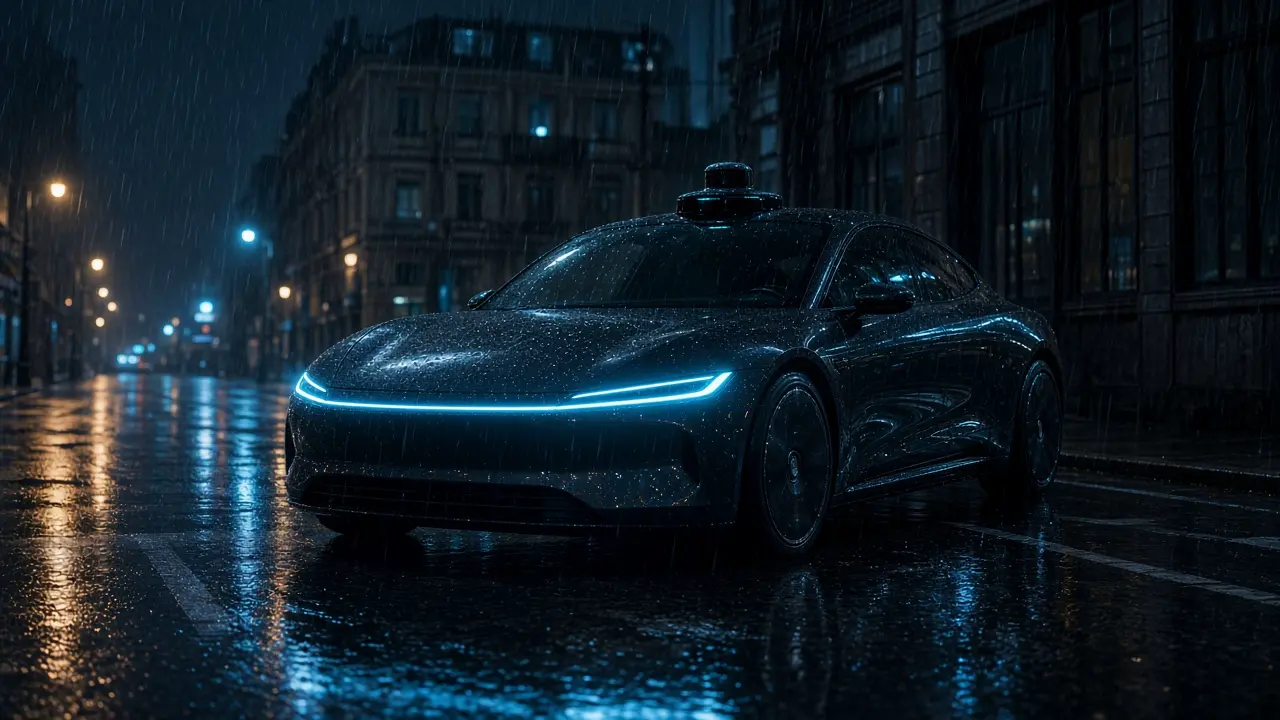
Coverage maps look like victory laps. Utilization, interventions, and rainy Tuesdays tell you who's actually winning.
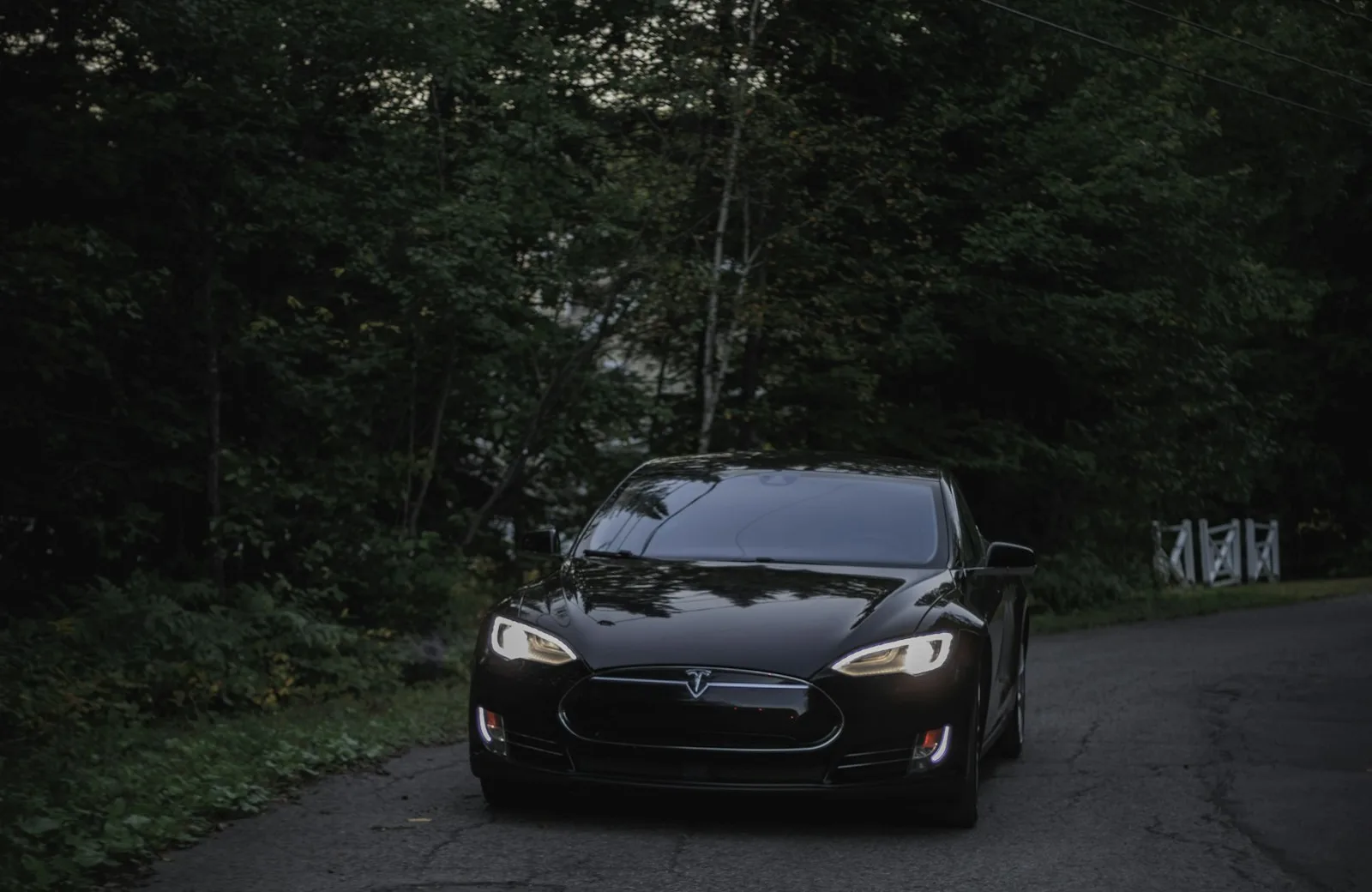
NHTSA Audit Query AQ26002 is asking how Tesla self-certified ~1,000 Cybercabs with no steering wheel, pedals, or mirrors — after commercial rides began in Austin on Sept. 3.
Ashok Elluswamy told the Cybercab crowd Tesla hit 1M unsupervised Robotaxi miles — up from 380k six weeks earlier. Real claim, tiny vs Waymo, and the word “unsupervised” is the whole story.
Air taxis win or lose on regulators, noise, and unit economics — not another CGI flight over downtown.

Aug. 27: SpaceX finished inspecting Flight 13’s Ship 40 off Christmas Island, bagged heatshield samples, and loaded the scorched ship onto a semi-submersible for a months-long crawl back to Texas.
Full-time face computers keep missing. Task-shaped AR keeps landing. Follow the boring wedge that actually ships.
Rockets get the hype. Ground stations, debris rules, and refueling decide who compounds.