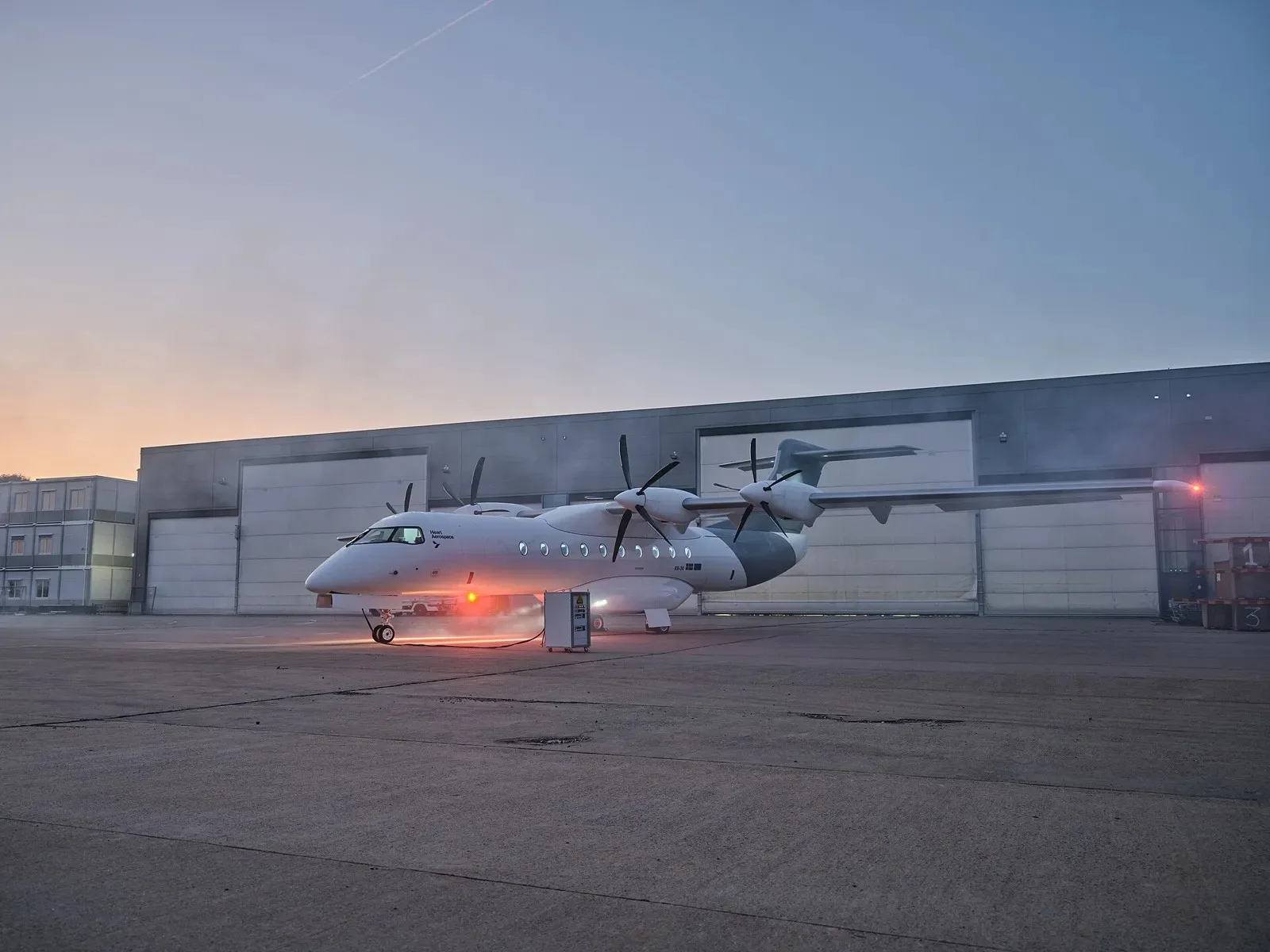
The FAA Just Put $2.9M Into Heart Aerospace's Hybrid Plane
Heart Aerospace got a $2.9M FAA CLEEN award, matched to a $5.8M project, to build and test the turbogenerator for its ES-36 hybrid electric plane. Demo flights are aimed at 2028.
So basically: The FAA is giving Heart Aerospace $2.9 million to work on the engine setup for its hybrid electric plane, the ES-36. Heart is putting in the same amount, so it’s a $5.8 million, 24 month project. They’re gonna test the part of the plane that makes electricity in flight, first on the ground and then on real flights, with the first flight of their pre-production plane aimed for 2028.
Who’s Heart Aerospace
Heart started in Sweden and now runs out of Los Angeles. They’ve been trying to build a regional plane that runs mostly on electric power. Short hops, small airports, the kind of flights where a big jet doesn’t really make sense.
The plane used to be called the ES-30. Now it’s the ES-36. A few weeks ago JSX, the semi private jet company, signed a deal for 50 of them with options for 50 more. So there’s real interest here, not just a cool render.
So what’s the money for
The program is called CLEEN. It stands for Continuous Lower Energy, Emissions, and Noise. Basically the FAA teams up with plane companies to test new tech that makes flying cleaner and quieter. Phase IV kicked off in September and the companies picked were Boeing, GE Aerospace, Honeywell, JetZero and Heart. So Heart is the small guy in a pretty big group.
Heart’s project is called Project HYPER. Here’s the deal:
- The ES-36 has two engine pods, one on each side
- Each one gets a megawatt class turbogenerator
- That’s a small turbine that burns fuel, but instead of pushing the plane directly it makes electricity
- That electricity feeds the electric motors and helps out the batteries
So it’s not a pure battery plane. The batteries do a lot of the work, and the turbogenerator kicks in to stretch the range. Batteries alone just can’t carry a plane that far yet. This is the workaround.
How the testing goes
First it’s all ground testing. They want to see how the turbogenerator, batteries and motors all work together in different modes. Like when it’s on battery only, when it’s mixed, and when the turbine is doing most of it.
After that they move to demo flights on the pre-production ES-36. That plane is supposed to fly for the first time in 2028.
The data they get back covers fuel burn, energy use, emissions and noise. That stuff helps Heart get the ES-36 certified. It also helps the FAA figure out how it’s even supposed to certify hybrid planes in general, because there’s not really a playbook for that yet.
This isn’t their first FAA money
The FAA already backed Heart through another program called FAST. That money went into their control system called THEMIS. It’s basically the brain that decides when to use the motors, the batteries or the turbogenerator during a flight. So now they’ve got FAA help on the brain and on the power source.
Why it matters
Regional flying kind of died off in a lot of places. Small planes are expensive to run and a lot of little airports barely get any flights anymore. If a hybrid plane can do those short routes way cheaper and quieter, that could bring a lot of them back.
Plus electric planes keep running into the same wall. Batteries are heavy and don’t hold enough energy. Hybrid is the middle ground that could actually work in the next few years instead of waiting forever for better batteries.
My take
$2.9M isn’t a huge amount for building a plane. But it’s the FAA saying ok we’re in, let’s see the data. Being in the same group as Boeing and GE isn’t bad either.
Honestly I like that they went hybrid instead of pretending batteries are ready. 2028 is still a ways off though, and plane timelines always slip. If they get that pre-production plane flying on time I’ll be impressed. Would you get on a hybrid plane for a short flight? I would.
So basically — pass it on.
Daily Updates
Get new stories in your inbox
Near-future tech when it moves. Robots, space, EVs, AI. No spam.