Type One Energy Raised $200M to Chase a 2034 Fusion Plant in Tennessee
On Oct. 6 the Knoxville stellarator startup closed a $200 million Series B aimed at Infinity Two, a planned 400 MW plant at TVA's Bull Run site, with CFS magnet tech in the design.
So basically: Type One Energy, a Knoxville fusion startup, said Tuesday, Oct. 6, that it raised $200 million. CEO Christofer Mowry told TechCrunch the Series B should get the company about halfway to paying for a 400-megawatt commercial plant targeted for 2034 at TVA’s Bull Run site in Tennessee.
The round
Lead investors: Breakthrough Energy Ventures and Clutterbuck Capital. Also in: Lowercarbon Capital, Siemens Energy Ventures, and SiteGround Capital. Type One had previously raised about $82.5 million in an extended Series A.
Founded in 2019, the company is building stellarator plants, a different magnetic geometry from the tokamak path used by ITER and several rivals. Stellarators twist the field with shaped coils instead of relying as heavily on plasma current.
The plant plan
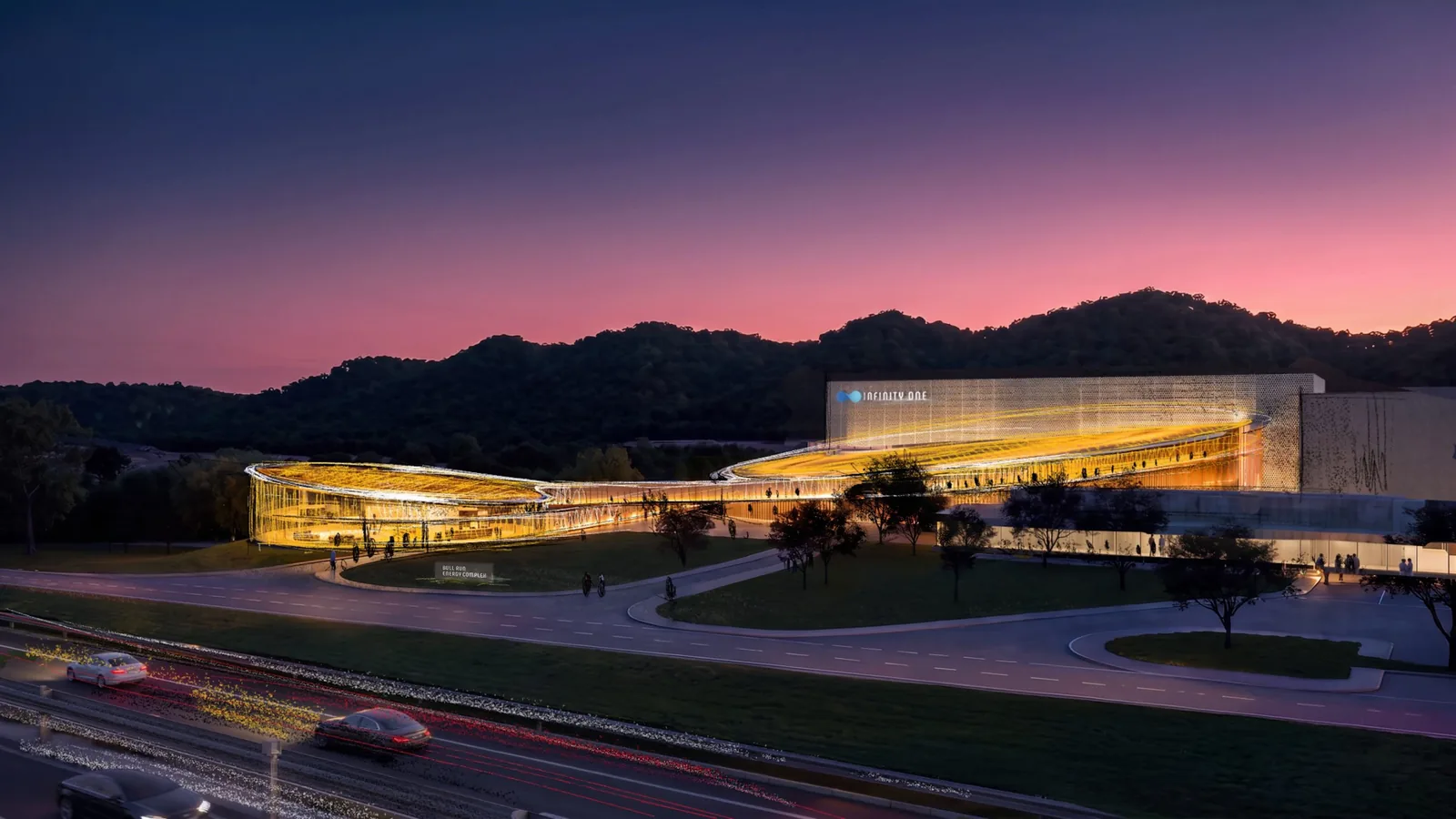
Infinity Two is the name of the planned commercial plant. Type One is working with the Tennessee Valley Authority at the former Bull Run fossil site near Clinton. Infrastructure firm AECOM is on plant engineering. Commonwealth Fusion Systems has licensed high-temperature superconducting magnet technology into Type One’s design, which Mowry described as a backbone of the reactor approach.
Mowry’s business bet is an integrator model. Type One designs the plant and many components, then buys most hardware from a chosen supplier network instead of owning giant factories. He told TechCrunch that keeps capital needs lower than a vertically integrated build and lets partners like AECOM bring thousands of engineers Type One will never hire in-house. The tradeoff is supplier control, the same risk Boeing relearned when outsourced aerostructures failed quality checks.
Tennessee already issued state-level fusion-machine licensing steps for Bull Run earlier in 2026. That is helpful process, not the same thing as a finished federal commercial power license.
Where this sits vs the field
Bull Run matters because it is a real industrial pad with transmission neighbors, not a greenfield slide. Pairing that site with a Series B is how Type One tries to look like a power project instead of only a physics lab. The gap between a licensed magnet design and a grid-tied 400 MW plant is still measured in years of welding, permitting, and supplier drama.
ITER is still a 2030s science machine gathering every core part on site. Private firms are racing to sell electrons on similar calendars with very different risk books. Type One is arguing that stellarators, licensed magnets, TVA land, and bought hardware can hit 2034 with less cash than peers. $200 million is a serious Series B and still small against a first-of-a-kind 400 MW plant.
My take
The fundraise is real. The 2034 megawatts are not. Watch three gates: whether nearer Infinity One hardware stays on its demo track, whether AECOM and the supplier web hold cost and quality, and whether TVA still wants fusion power on that pad when construction invoices land. Integrator fusion only works if the parts show up right and on time.
So basically — pass it on.
Daily Updates
Get new stories in your inbox
Near-future tech when it moves. Robots, space, EVs, AI. No spam.