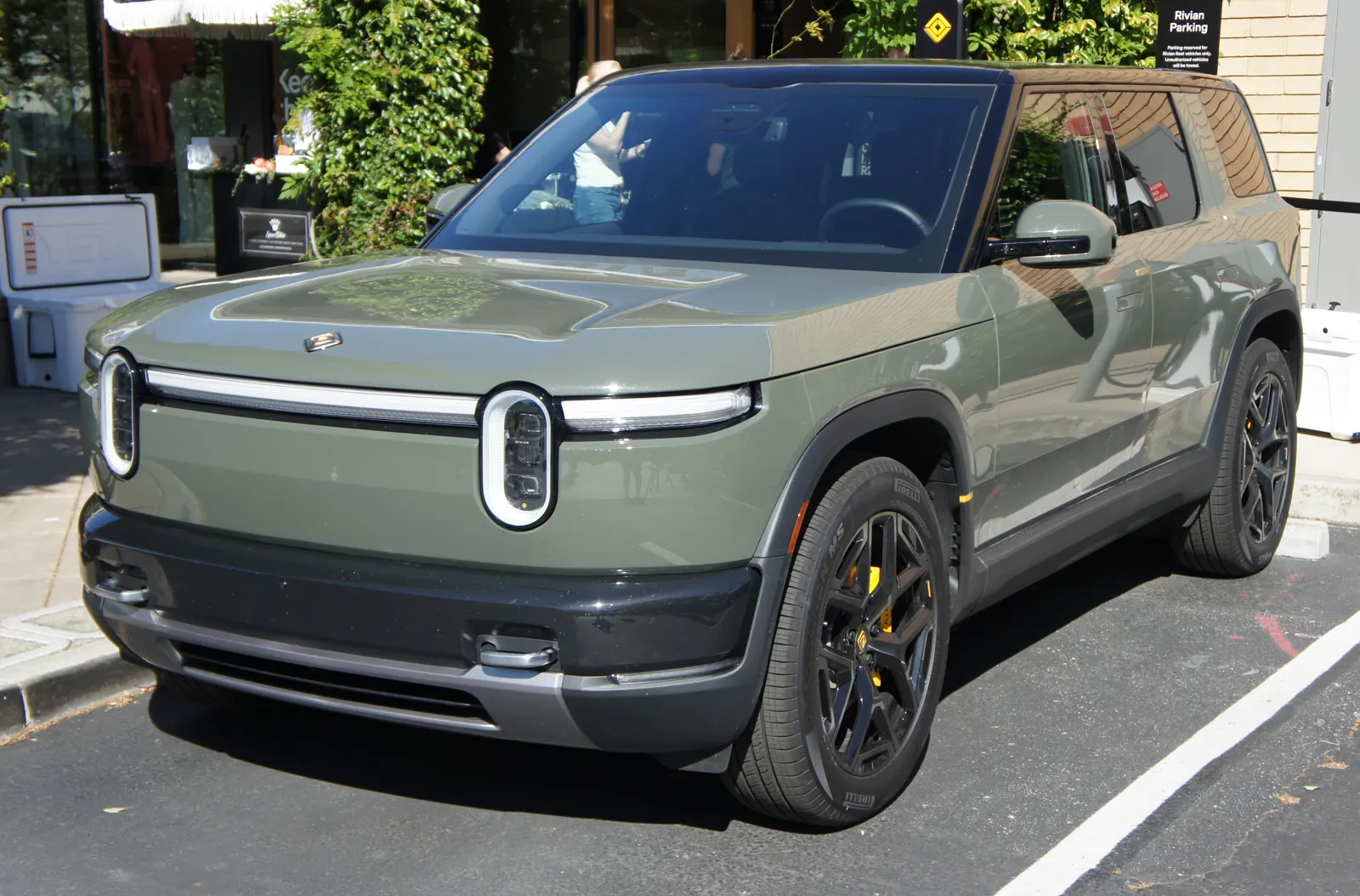
Are EVs Making a Comeback? Tesla and Rivian Just Beat Expectations
A year after the federal EV tax credit ended and sales crashed, Tesla and Rivian both beat Q3 estimates. Dealers say buyers are coming back, and inventories have shrunk from 180 days to 78.
So basically: EVs might be coming back in the U.S. A year after the federal tax credit ended and sales fell off a cliff, Tesla sold 486,532 cars in Q3, way ahead of the roughly 464,000 Wall Street expected. Rivian delivered 19,248, beating the 17,600 estimate. Dealers for Ford and Hyundai say customers are asking for EVs again. A Bloomberg report published this weekend is calling it a “looming EV comeback.”
Quick refresher on what happened
The federal EV tax credit ended last year. Before it did, everyone rushed to buy. In Q3 2025, EVs hit almost 11% of the U.S. market, and Tesla set a record of nearly half a million cars.
Then the credit went away and demand crashed. This year EVs have settled at about 6% of the market, according to Cox Automotive. Ford took $19.5 billion in charges and cancelled several models. The general vibe was that Americans were done with EVs.
The new numbers
- Tesla: 486,532 cars in Q3. That’s only 2.1% down from last year’s record quarter, when buyers were racing the deadline. Analysts expected about 464,000.
- Rivian: 19,248 deliveries versus about 17,600 expected. It was the first full quarter of the midsize R2, which runs around $50,000.
- Dealer inventory: EV supply dropped from about 180 days of stock early this year to 78 days in August. That’s about the same as gas cars. Lots aren’t overflowing with unsold EVs anymore.
Who’s saying what
Hyundai’s North America boss Randy Parker said dealers are asking for more EVs, though the company isn’t increasing production yet. Ford’s U.S. sales chief said Mustang Mach-E owners keep coming back for another one. Even some smaller models from Toyota and Cadillac are picking up.
TD Cowen analyst Itay Michaeli put it simply: “We are still in the early stages of this looming EV comeback.” He had predicted a rebound around 2027 or 2028, helped by newer models and cars with more self-driving features.
Why now
The headline on the Bloomberg piece says it: gas prices. When filling the tank starts hurting, people start doing the math on charging at home again. Diesel is hitting records too, which is pushing fleets toward electric trucks.
The other piece is better, cheaper cars. The R2 is Rivian’s first car that isn’t a luxury truck price. More choices around $35,000 to $50,000 means more regular buyers can actually consider one.
What it means if you’re shopping
Shorter inventory means fewer fire sale deals than last year, when dealers were desperate to move EVs. But it also means more models are actually in stock, and used EV prices have dropped a lot. If you’ve been on the fence, a used EV with a few years left on the battery warranty might be the best value in the whole car market right now.
Not everyone is winning
It’s not all good news. Volkswagen just told 22,524 ID.4 owners in the U.S. to stop charging past 80% over a possible battery fire risk while it works on a fix. Ford is still pulling back. A comeback for Tesla and Rivian isn’t a comeback for everyone.
My take
I think the death of the EV was always overhyped. What died was the rush to grab a tax credit. What’s left is the real demand, people who want one because it’s cheaper to run and fun to drive, and that number looks like it’s growing again without any help from the government. That’s actually a healthier market. If gas keeps climbing and more $40,000 EVs show up next year, I’d bet 2027 is the year the U.S. is back to talking about EVs going up instead of down.
So basically — pass it on.
Daily Updates
Get new stories in your inbox
Near-future tech when it moves. Robots, space, EVs, AI. No spam.