Antora Is Building a 5.8 GWh Battery in Kansas Made of Hot Carbon Blocks
Antora Energy plans a 5.8 gigawatt hour thermal battery at Pratt Energy's biorefinery in Pratt, Kansas. It stores cheap electricity as heat in carbon blocks and starts supplying energy in 2027.
So basically: Antora Energy is building a 5.8 gigawatt hour battery in Pratt, Kansas. But it’s not lithium. It stores electricity as heat inside carbon blocks, then gives that heat to a biorefinery around the clock. Antora says it’ll be one of the biggest battery storage systems in the world once it’s built.
Wait, a battery made of heat?
Yeah. This is a thermal battery. Here’s the simple version:
- When power is cheap (like when the wind is blowing hard at night), you use it to heat up blocks of carbon. Really hot.
- The blocks are insulated so they hold that heat for a long time.
- When the factory needs energy, you pull the heat back out.
Lots of factories don’t actually need electricity for most of what they do. They need heat. Steam, drying, cooking stuff. Right now most of that heat comes from burning natural gas. Antora’s pitch is skip the gas and just store heat directly.
The deal
The project sits at Pratt Energy’s biorefinery. Pratt Energy makes renewable fuel. Antora signed a deal to supply it energy starting in 2027.
Backers include Copenhagen Infrastructure Partners, Grok Ventures and University Pension Plan Ontario, per Antora’s announcement.
For scale, 5.8 GWh is huge for one site. Most big lithium battery farms on the grid are in the hundreds of megawatt hours to a few gigawatt hours.
Why Kansas
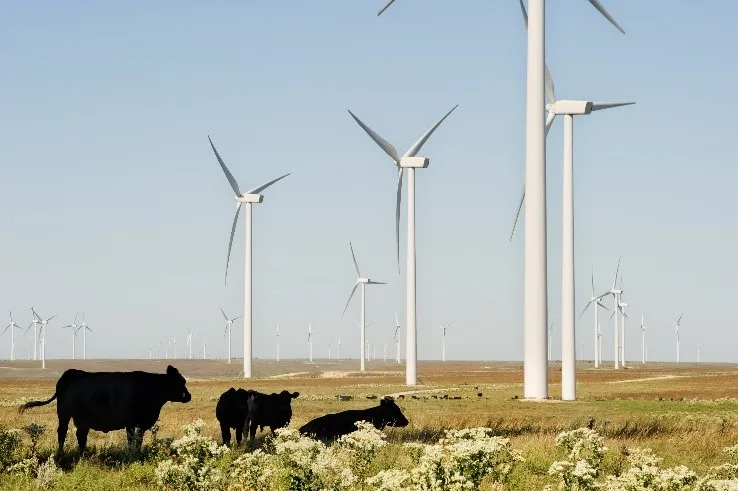
Kansas has a ton of wind. When it’s really windy, power prices can get super low, sometimes basically free. That’s when you want to be charging.
So the idea is soak up cheap wind power when nobody else wants it, store it as heat, and run the refinery off it all day and night.
The stuff they didn’t say
A few things are missing:
- No construction timeline, just the 2027 start date for supply
- No power rating, so we know how much it holds but not how fast it can put it out
- No cost
And thermal batteries are still pretty new at this size. Antora has smaller systems running, but this is a big step up. Whether it actually saves money depends a lot on how cheap they can get electricity to charge it.
Why it matters
When people talk about clean energy they mostly mean the power grid. Solar on houses, wind farms, EVs. But a giant chunk of emissions comes from factories making heat, and that’s way harder to clean up.
If hot carbon blocks can replace gas burners in a big factory and still make money, that opens up a whole lot of factories that haven’t had a good option.
How it compares to lithium
Lithium batteries are great at giving power back fast and they’re getting cheaper every year. But they usually only hold a few hours of power and you’re paying for pricey cells.
Carbon blocks are cheap and they don’t really wear out like lithium does. The downside is you get heat back, not electricity, at least in this setup. For a factory that runs on heat, that’s fine. For your house, not so much.
So it’s not lithium versus thermal. They do different jobs.
My take
I think this is one of the cooler energy ideas out there because it’s so simple. It’s literally heating up rocks and saving the heat for later. People have done that with stones in a fire forever. They just made it industrial.
The number that matters is cost though. If it’s cheaper than burning gas, factories will go for it without anybody telling them to. If it’s not, it stays a nice idea. Gotta see it actually running in 2027.
So basically — pass it on.
Daily Updates
Get new stories in your inbox
Near-future tech when it moves. Robots, space, EVs, AI. No spam.