 Newest
InfrastructureEnergy
LA Is Putting Floating Solar and an Iron Battery on a Reservoir
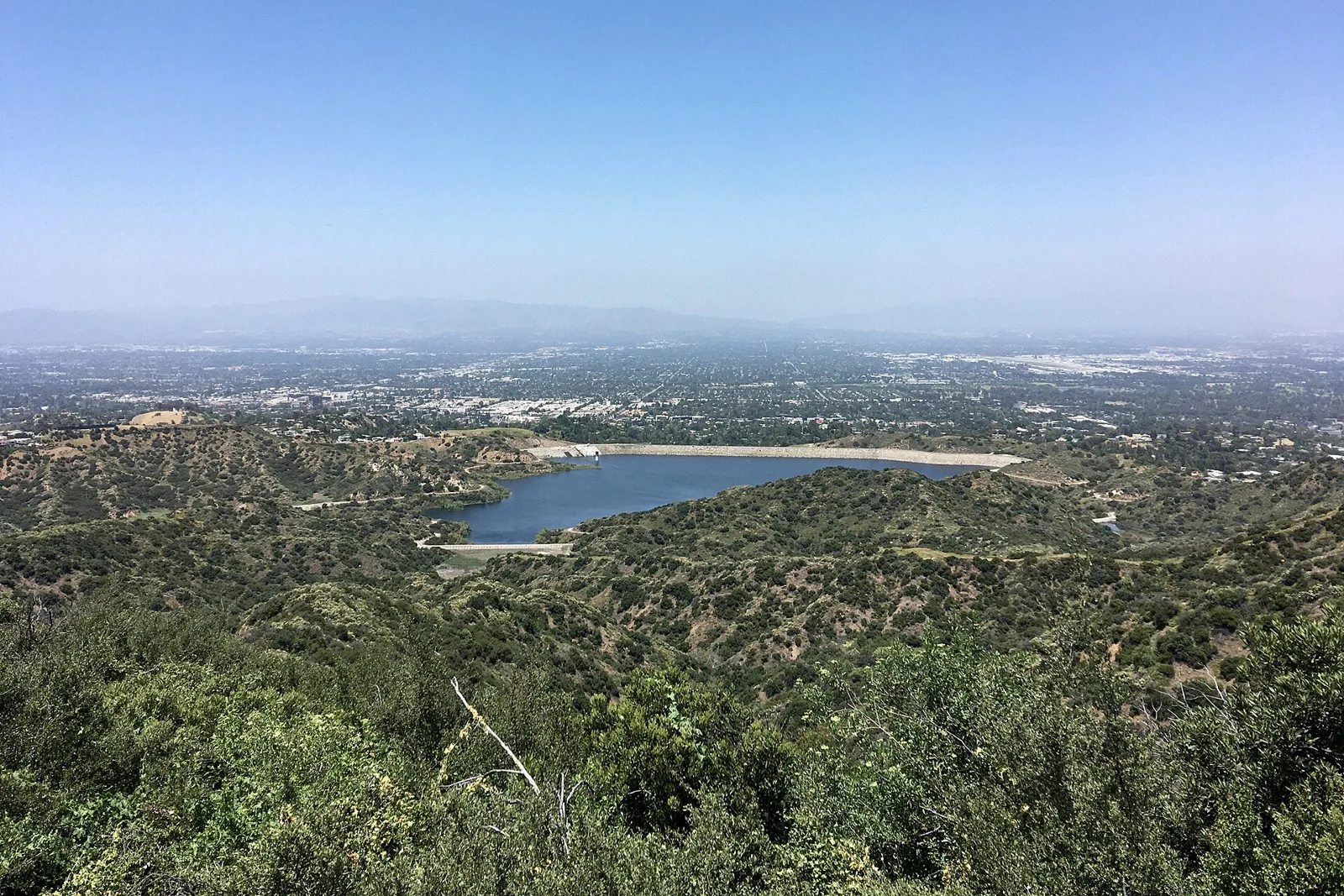
LADWP approved a pilot at Encino Reservoir with a 5 MW floating solar array on 10 acres of water and a 5 MW iron flow battery to store the power.
Topic
Fusion, new power plants, power in space, and the energy behind future tech.
15 stories
Companies
Newest
LADWP approved a pilot at Encino Reservoir with a 5 MW floating solar array on 10 acres of water and a 5 MW iron flow battery to store the power.
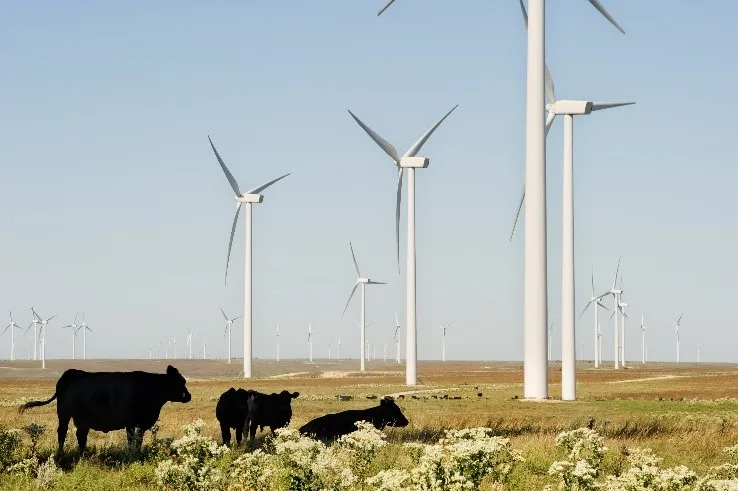
Antora Energy plans a 5.8 gigawatt hour thermal battery at Pratt Energy's biorefinery in Pratt, Kansas. It stores cheap electricity as heat in carbon blocks and starts supplying energy in 2027.
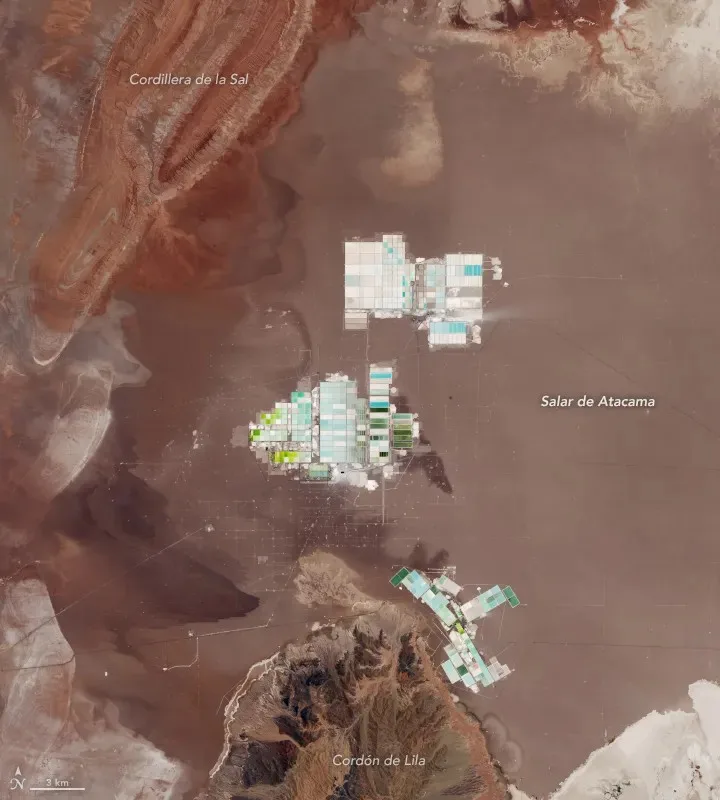
EnergyX signed a 10 year deal to sell 100,000 metric tons of battery grade lithium to commodity giant Trafigura, worth about $2 billion at today's prices, from projects in Chile and Texas.
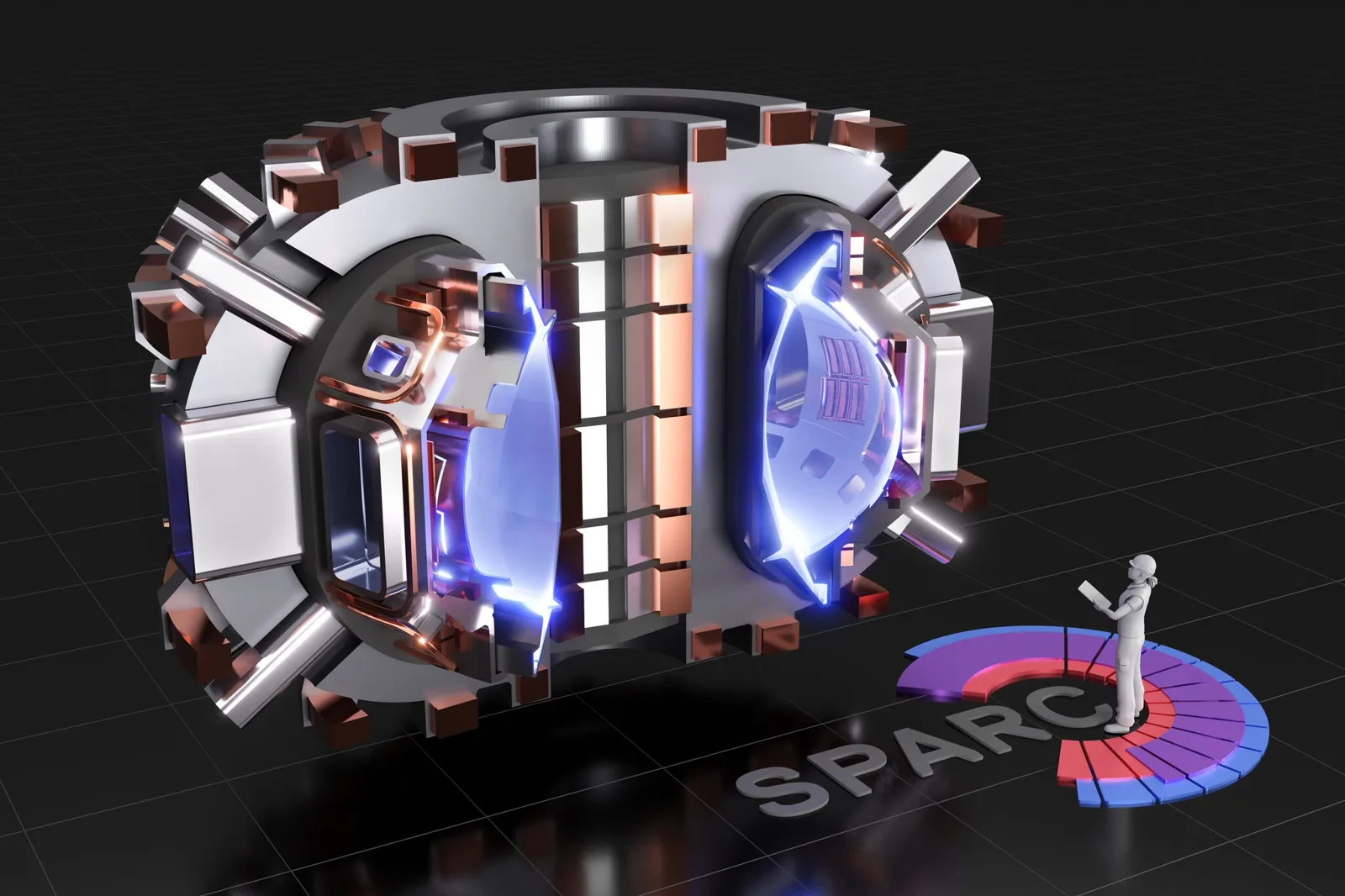
The Department of Energy picked Commonwealth Fusion Systems to lead a project building a digital twin of SPARC, its fusion machine in Massachusetts. Google DeepMind, NVIDIA and four national labs are on the team.
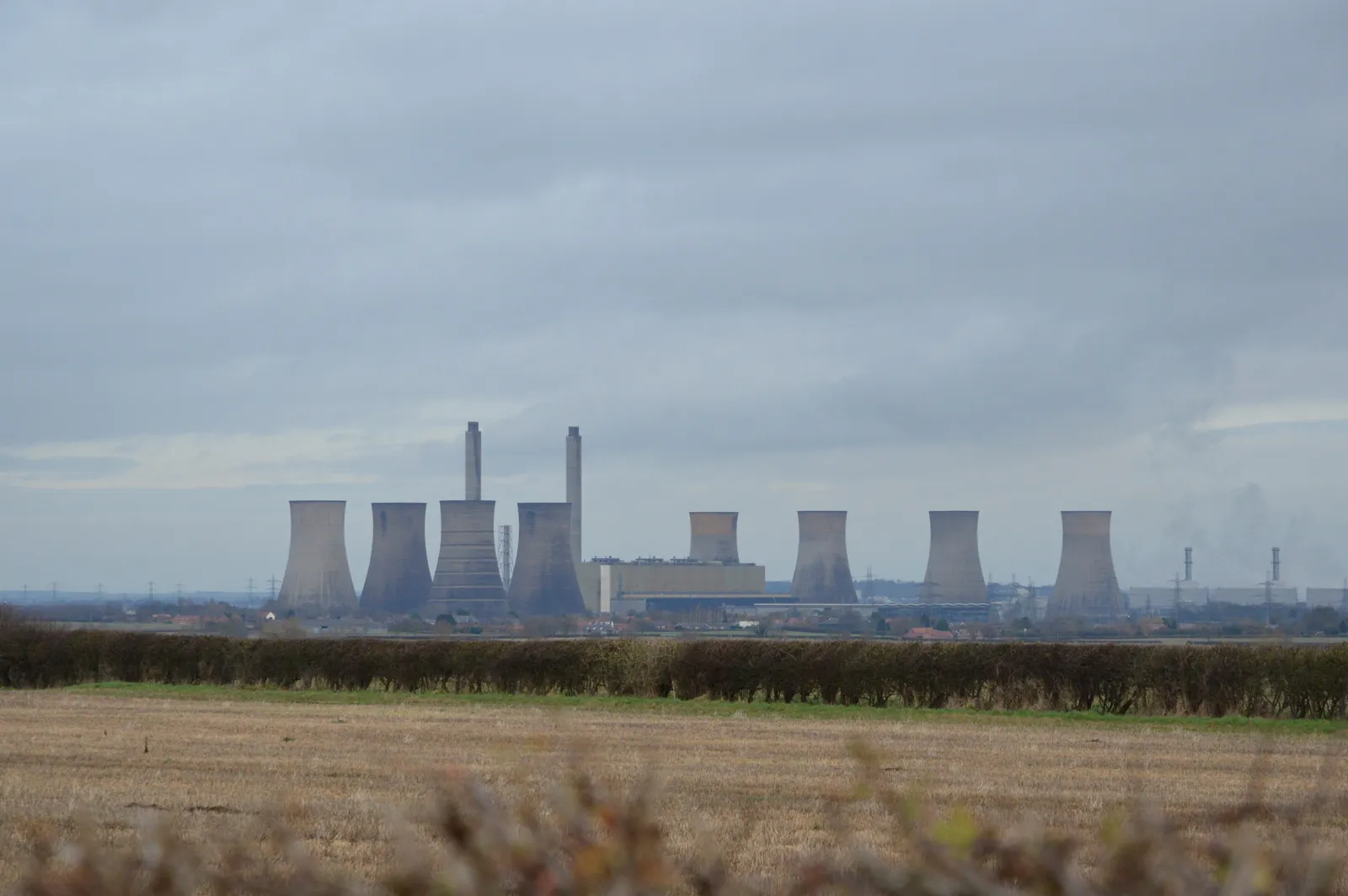
The UK approved RES's Steeple Renewables Project in Nottinghamshire, right next to the old West Burton coal plant. It pairs solar and batteries with up to 600 MW of grid connection, enough for about 180,000 homes.
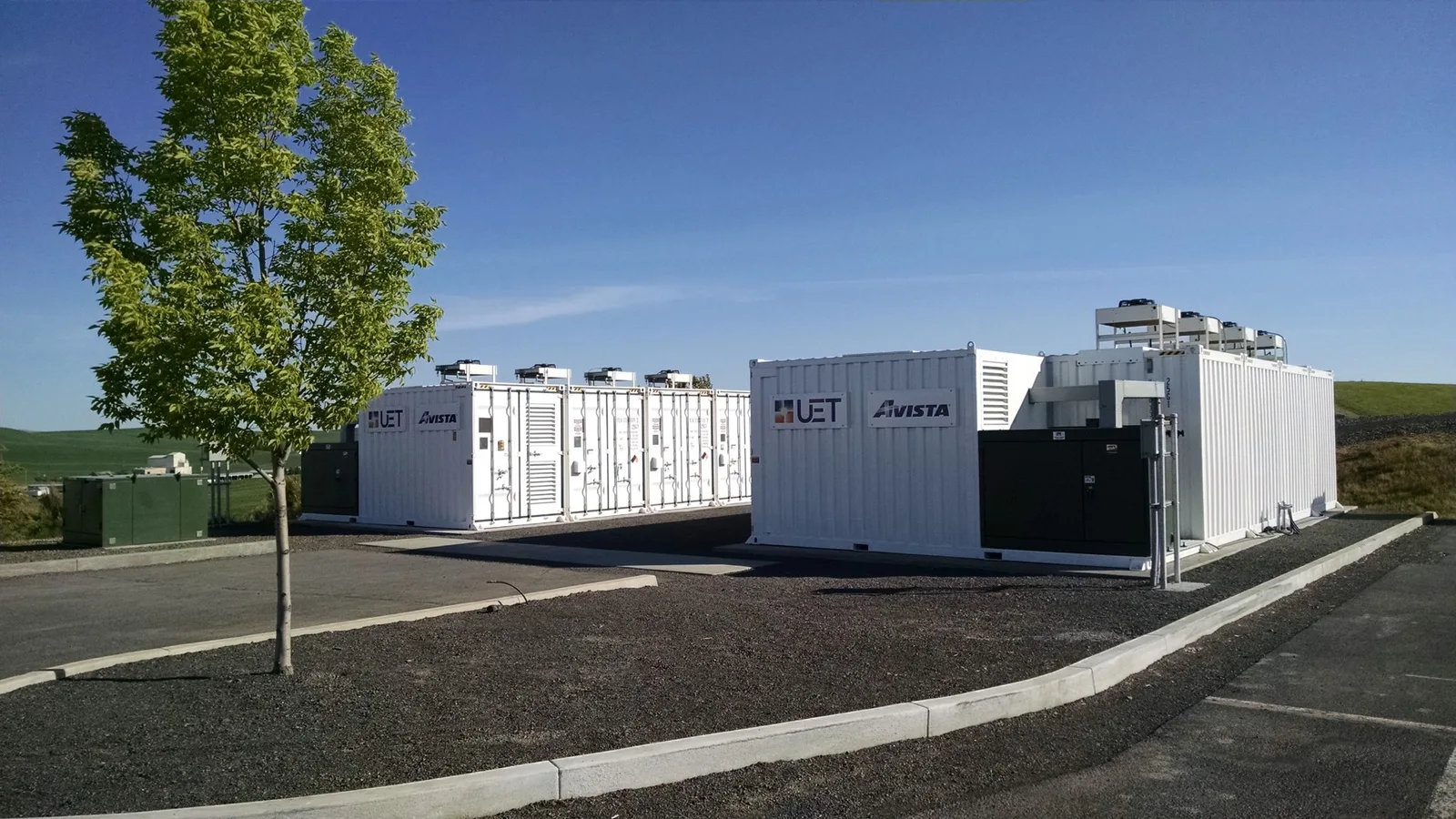
ENGIE Chile switched on BESS Lile, a 142 MW, 802 MWh battery at its Mejillones energy complex. It can run for five hours, cost $174 million, and was built on land and wiring meant for more fossil fuel plants.
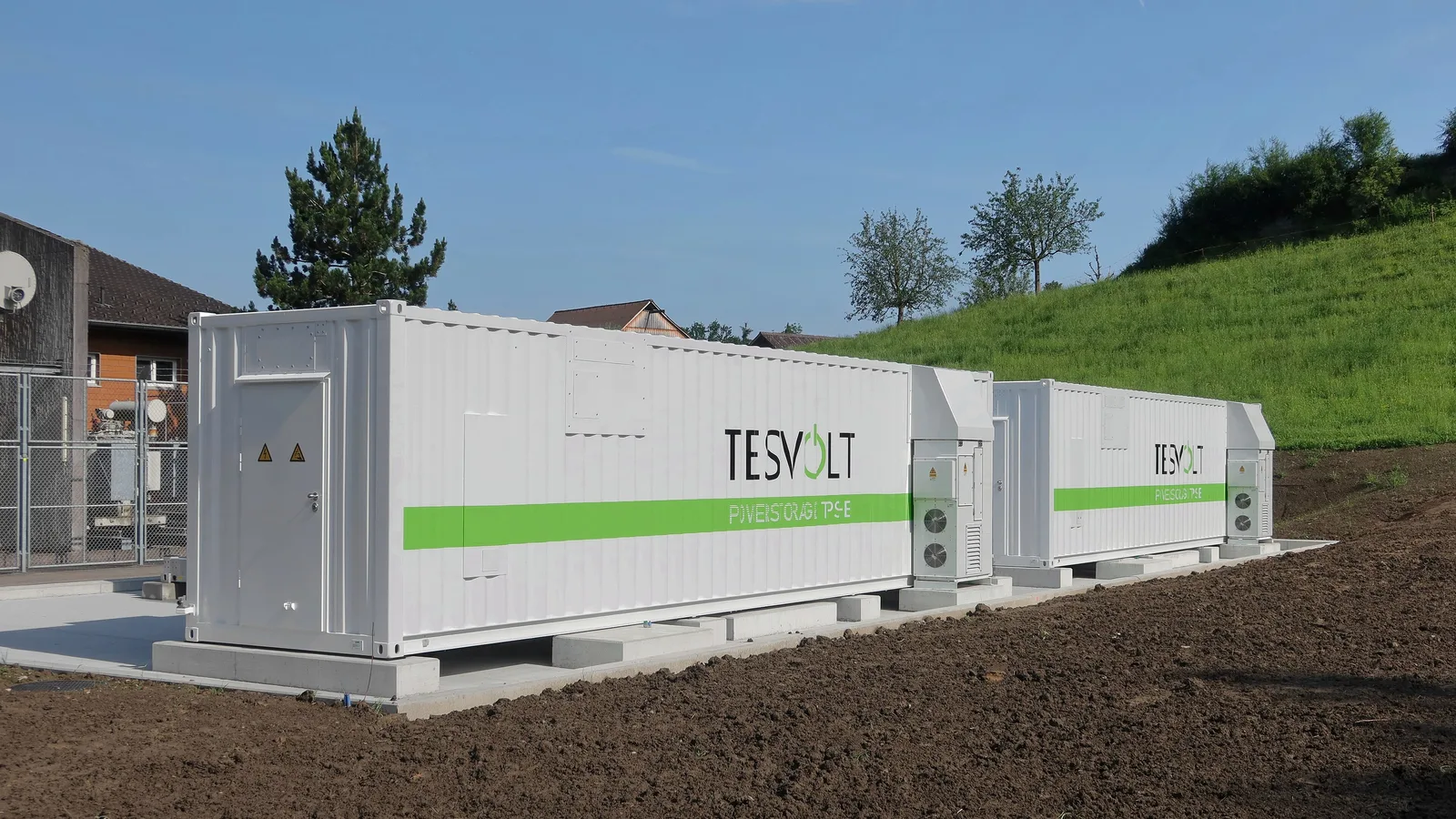
A new Wood Mackenzie report says four-hour battery storage is now cheaper than new open-cycle gas plants in all 43 markets where it compared them. In the U.S., a spokesperson said batteries are 65 to 75 percent cheaper.
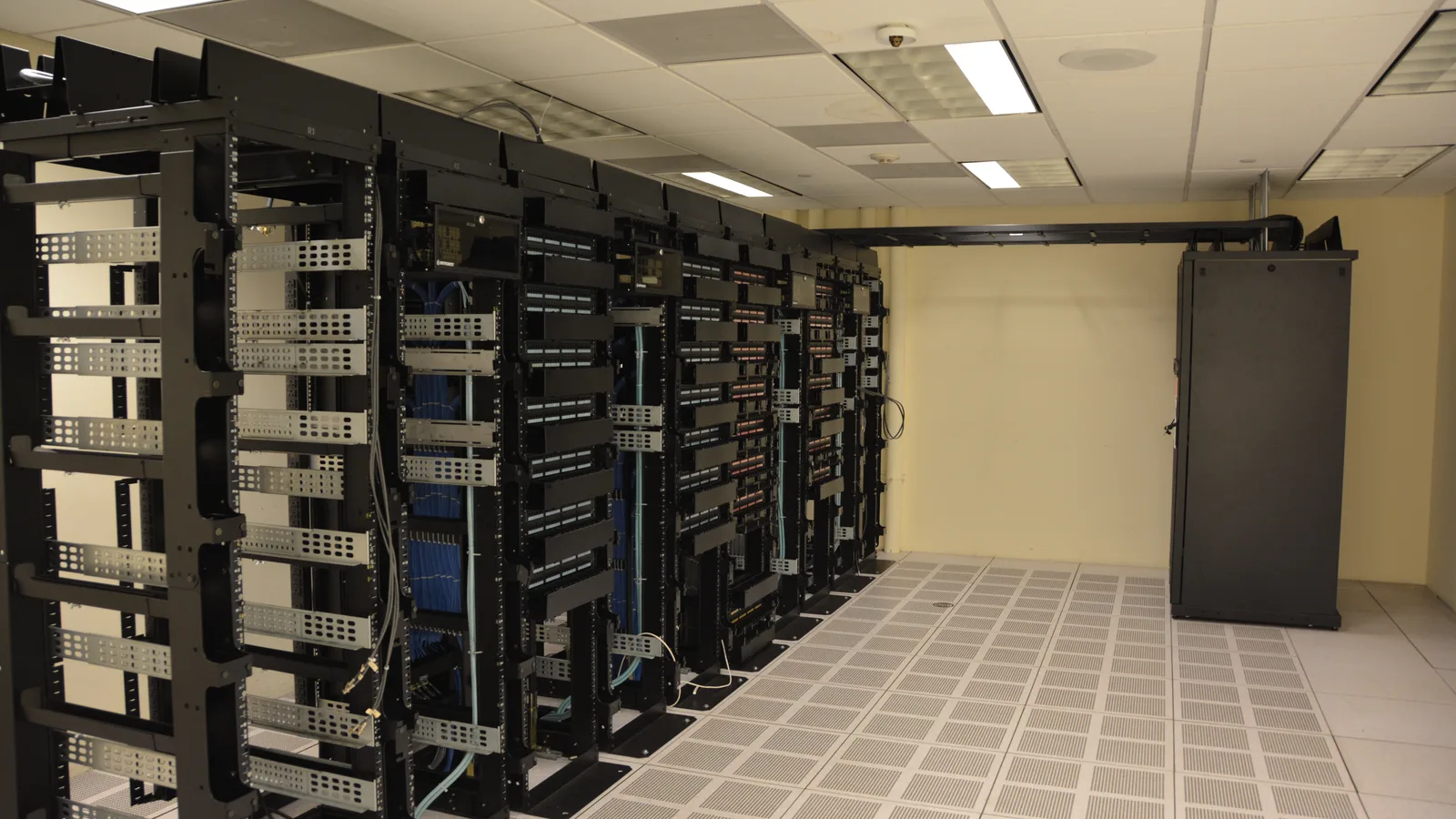
On Oct. 8, QuantumScape unveiled the QS PowerBlock, a solid-state battery design for in-rack backup power in AI data centers. The company claims 4x the power density and 5x the runtime of an industry spec, and will show it at the OCP Global Summit Oct. 12 to 15.
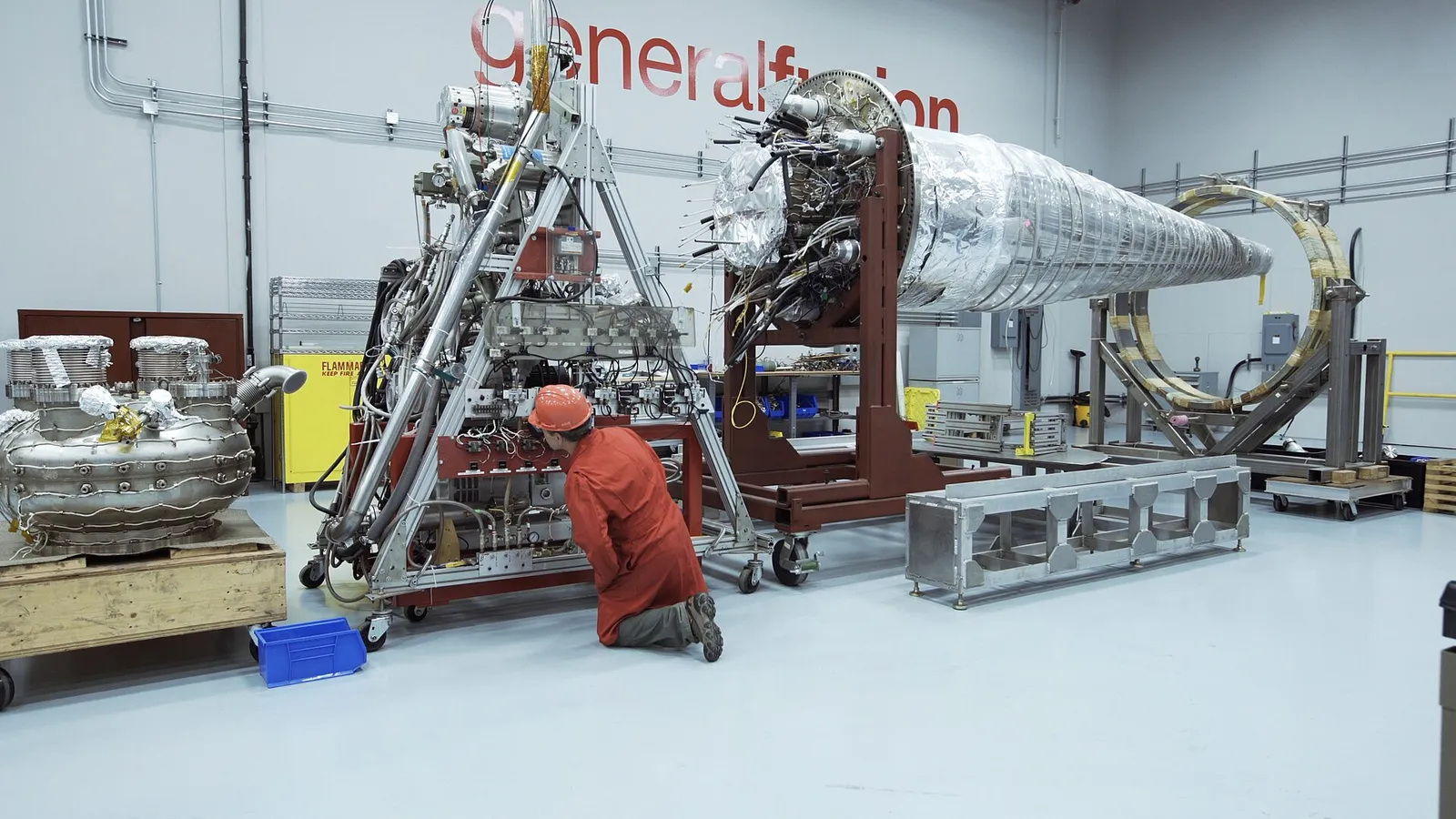
On Oct. 8, General Fusion and the UK Atomic Energy Authority said its LM26 machine heated plasma electrons past 1 keV, about 12.6 million degrees Celsius, using slow compression from a metal liner. Next up is 10 keV, then the Lawson criterion, targeted by the end of 2028.
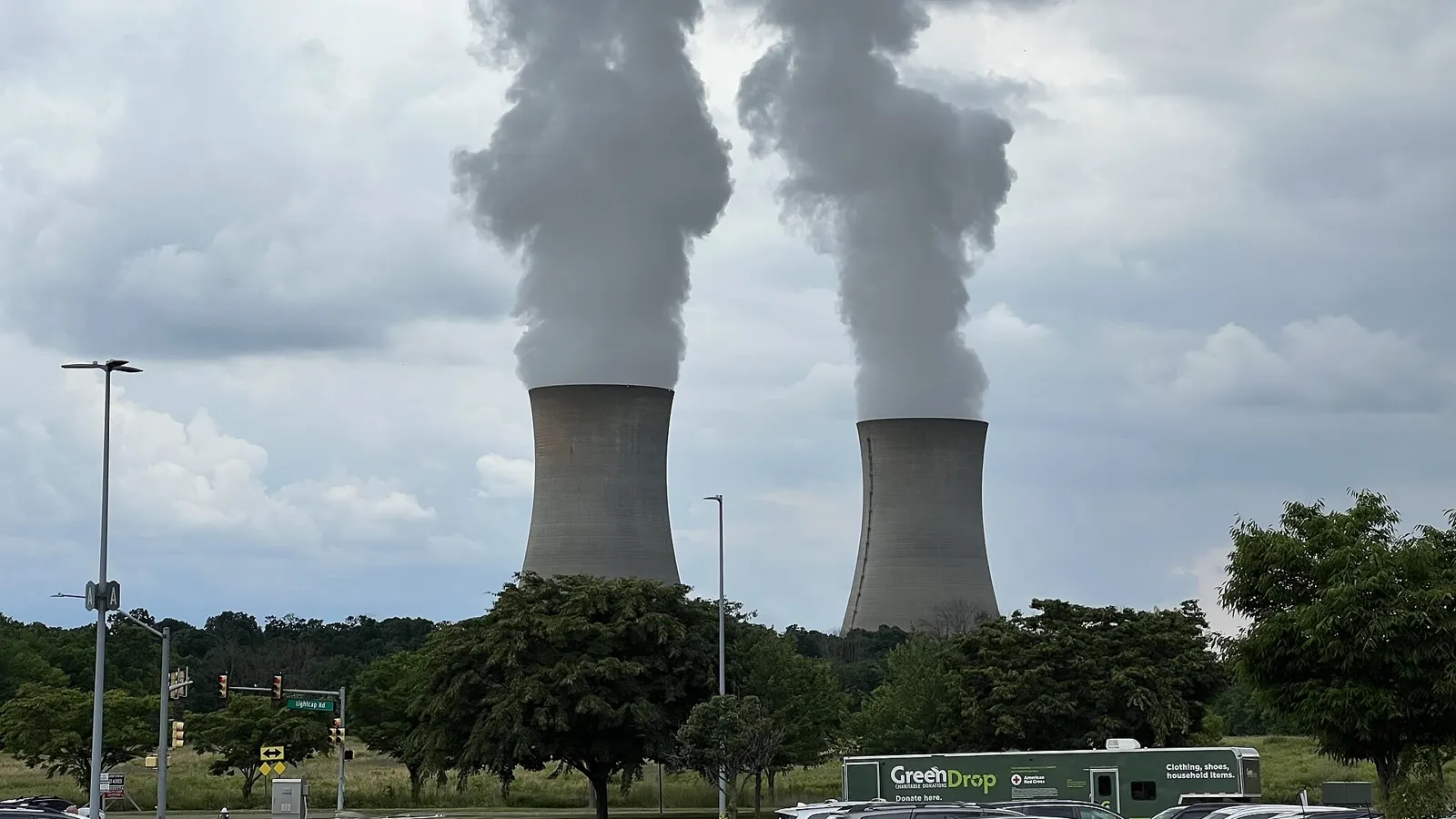
On Oct. 6, Google and Constellation signed a 20-year deal to fund upgrades at 11 existing nuclear units in Illinois, Pennsylvania, and New Jersey. The goal is 890 MW of brand new capacity on the PJM grid, with the first uprate due by 2028 and all of it by the end of 2032.
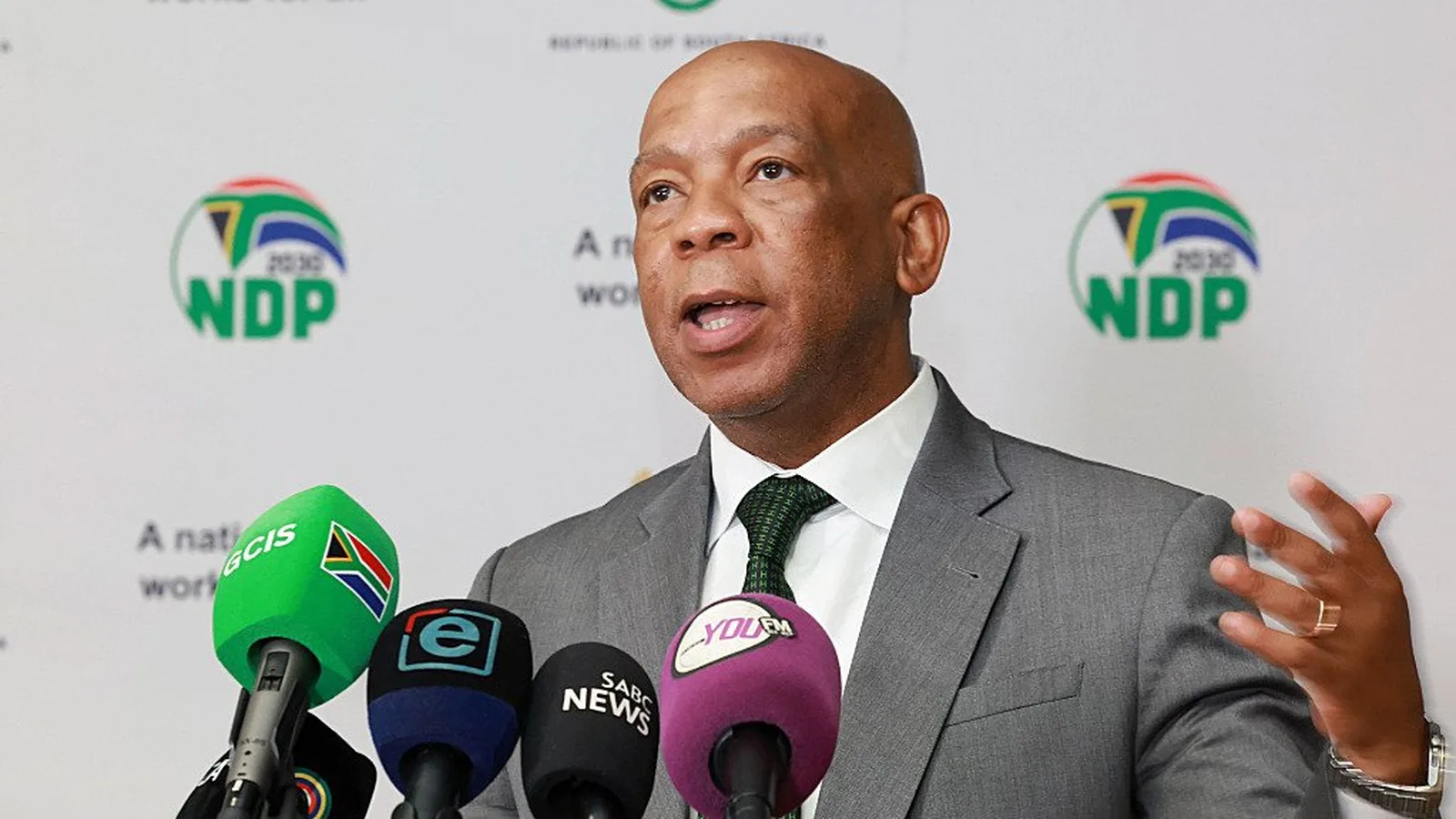
On Oct. 7 South Africa's electricity minister signed off on procuring 4,600 MW of battery storage and 5,000 MW of gas power. The goal is to stop wasting midday solar and keep the grid steady when the sun goes down.

On Oct. 6 the Knoxville stellarator startup closed a $200 million Series B aimed at Infinity Two, a planned 400 MW plant at TVA's Bull Run site, with CFS magnet tech in the design.
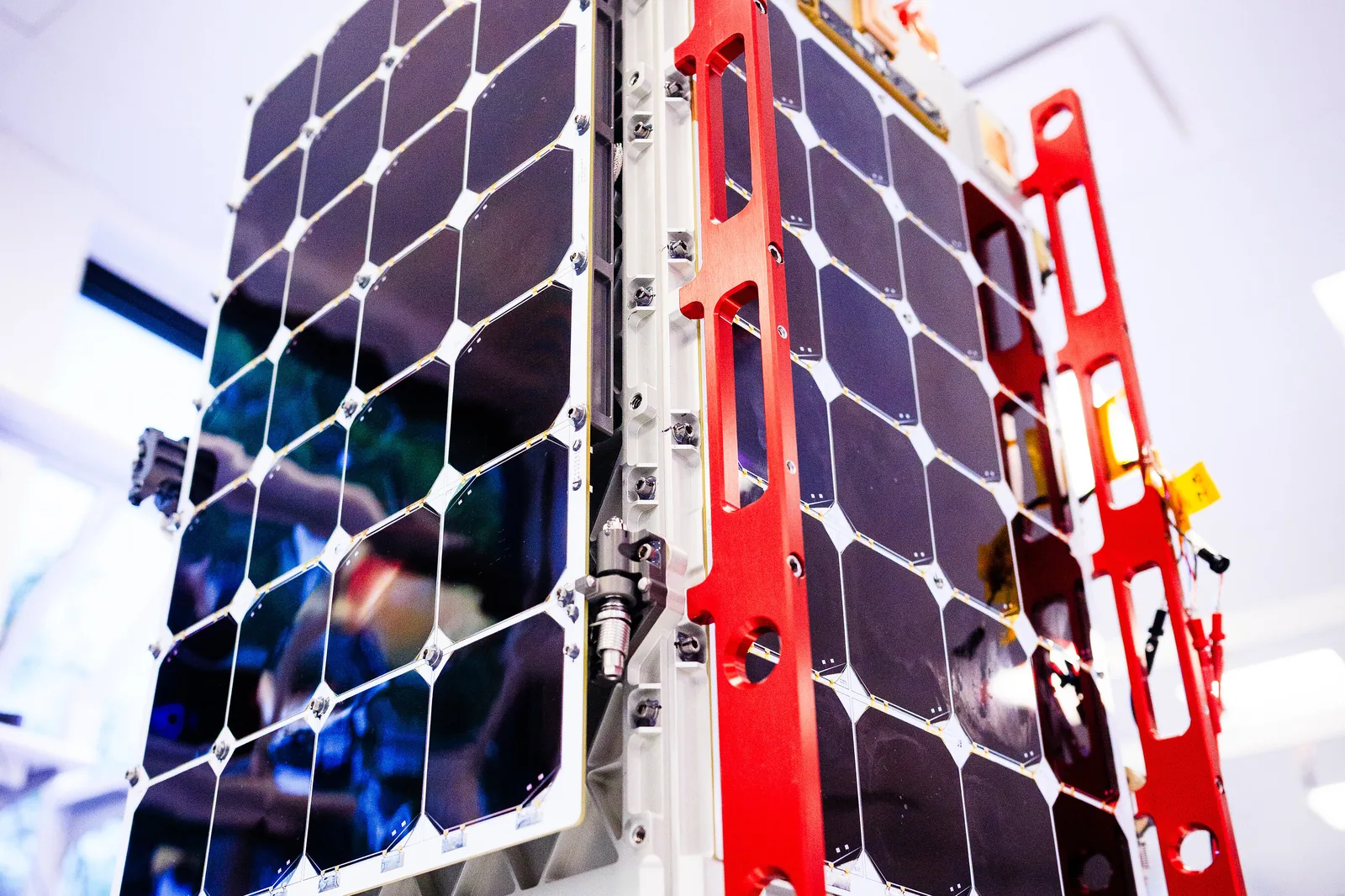
Star Catcher's Protostar launched Oct. 1 on SpaceX's Transporter-18. Over the next few months it will release a CubeSat and try to beam power with light onto its solar panels, which Star Catcher says would be a first.
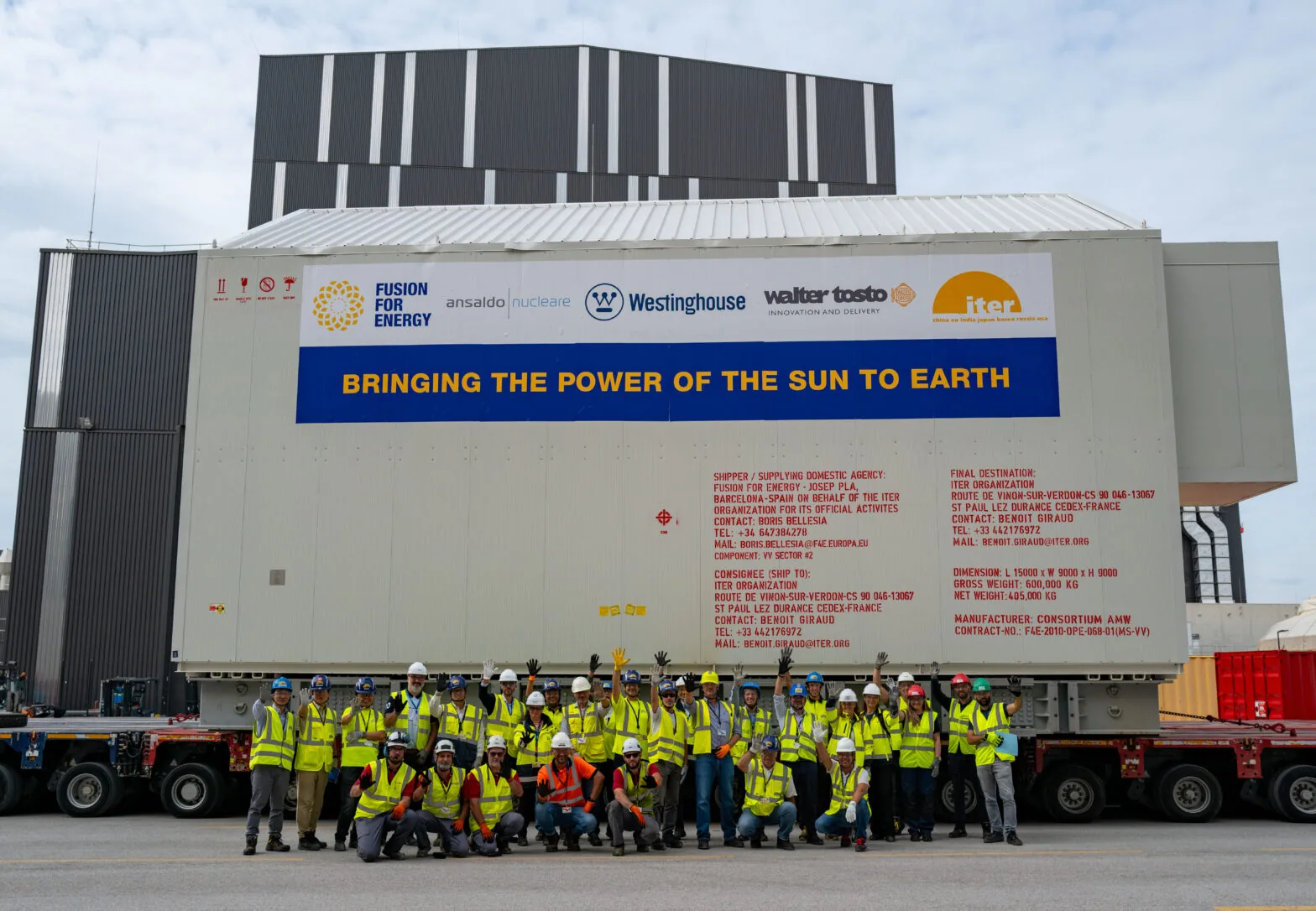
Europe's fifth and final vacuum vessel sector reached the ITER site in France on Oct. 2. ITER says every core component of the machine is now on site. Research operations are still set to start in 2034.
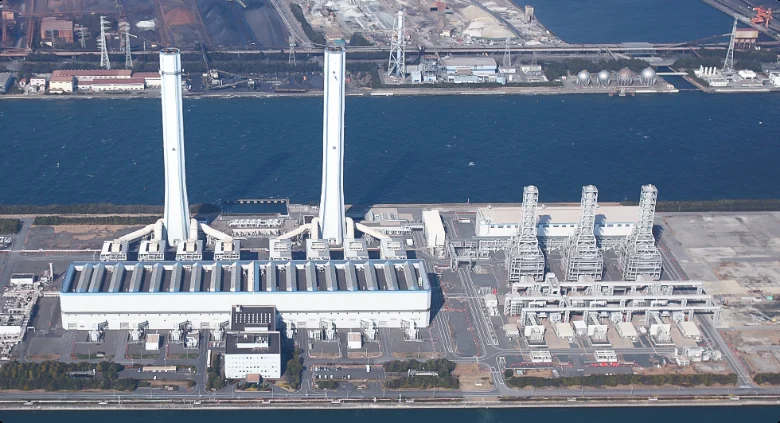
On Oct. 1, 2026 the three signed a memo for a behind the meter AI project at JERA's Chiba Thermal Power Station. Up to 400 MW. Capital expected above $15 billion. Operations targeted around 2028. Not built yet.