Dubai Just Started Testing Driverless Pods That Run on Their Own Skinny Roads
Dubai's RTA kicked off a four-week trial of Glydways on Bluewaters Island. Small self-driving electric pods ride on narrow private lanes, link up less than a second apart, and are pitched to move 20,000 people an hour.
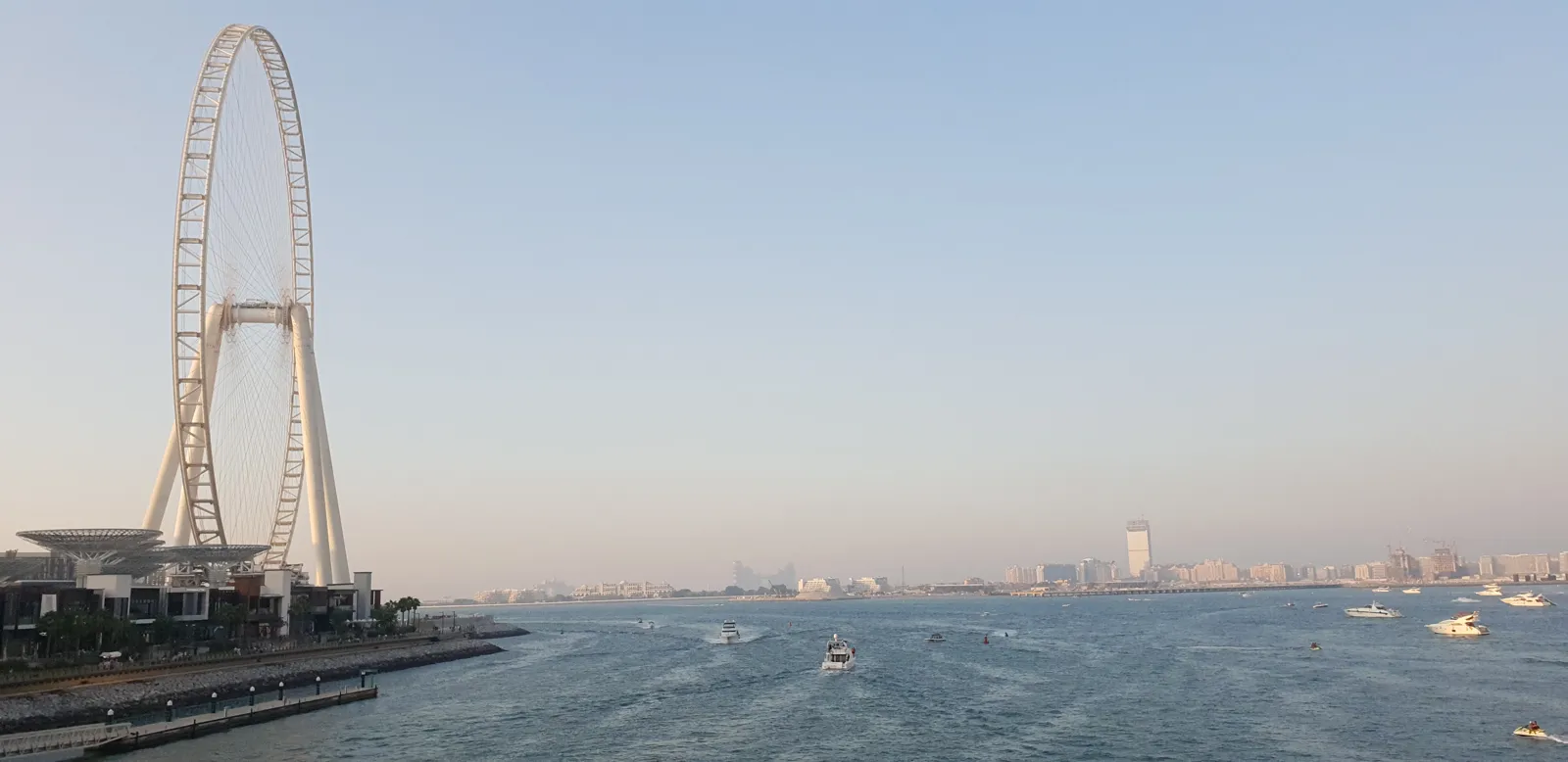
So basically: Dubai started a four-week trial of something that sits between a robotaxi and a subway. It’s called Glydways. Small self-driving electric pods carry 4 to 6 people each on their own narrow dedicated lanes, away from regular traffic. You call one, it takes you straight to your stop, no transfers. The trial launched Oct. 11 on Bluewaters Island, home of the giant Ain Dubai wheel.
What it actually is
Picture a road that’s only as wide as one small car, and only Glydways pods are allowed on it. The lanes can sit at ground level or get raised up on light structures, kind of like a skinny elevated highway.
Because nothing else uses that lane, the pods don’t have to deal with pedestrians, delivery trucks, or someone cutting them off. That’s the big trick. Self-driving gets a lot easier when you control the whole road.
The numbers
Dubai’s Roads and Transport Authority (RTA) shared the specs:
- 4 to 6 passengers per pod
- Top speed of 50 km/h, about 31 mph
- 250 km of range on one battery charge
- 20 high resolution lidar sensors per vehicle, plus radar and cameras
- More than 10 pods can link up virtually with under one second between them
- Claimed capacity of 20,000+ passengers per hour in both directions
That last number is the headline. Twenty thousand people an hour is light rail territory. Glydways is saying it can get there with tiny cars because they run so close together, almost like train cars with no physical connection.
Cheaper than a train, they say
The RTA says the system cuts capital costs by up to 90% and operating costs by up to 70% compared with similar transit. Those are the company’s numbers and they still need to hold up in the real world. But the logic is that a skinny lane for little cars is way cheaper to build than heavy rail tracks and big stations.
Where it could go next
Bluewaters is the test track. The RTA is studying real routes that would connect Dubai Metro stations to neighborhoods, including:
- A 2.8 km route from National Paints Metro Station to Bluewaters
- Routes for Jumeirah Village Circle, Dubai Festival City, Business Bay, and Mohammed Bin Rashid City
The goal is the “first and last mile.” Getting from the train station to your actual front door is where most transit systems fall apart, and that’s the gap these pods are built for.
How the trial works
RTA head Mattar Al Tayer took the first ride, a five minute trip along the route at Bluewaters. For the next four weeks, the RTA will check how the self-driving, sensing, communication, and control systems hold up, how safe and reliable they are, and how easy the whole thing is for riders. It also wants trip time data to decide where to expand.
Glydways was founded in 2016 and is based in California. The Dubai project is run as a public-private partnership with Dubai Holding providing the site.
Riders can also set their own climate control and pick the in-pod entertainment, since you’re not sharing with strangers unless you want to.
My take
I like this one because it’s honest about what self-driving is good at today. Instead of throwing robot cars into chaotic city traffic, give them their own lane and let them do one job well. If those 20,000 people an hour numbers are real, this could be how a lot of cities fix the walk from the train station. Dubai always tests the future first. The real question is whether a city like Atlanta or Phoenix copies it in five years.
So basically — pass it on.
Daily Updates
Get new stories in your inbox
Near-future tech when it moves. Robots, space, EVs, AI. No spam.