Australia Opens a Formal Privacy Probe Into the Company Behind Cheap Camera Glasses
Australia's Privacy Commissioner is investigating Shenzhen Qingcheng, maker of the HeyCyan app used by low-cost smart glasses sold at Kmart, Big W Marketplace and Amazon, after testing found more than a dozen serious security flaws.
So basically: Australia’s Privacy Commissioner has opened a formal investigation into Shenzhen Qingcheng Future Technology, the Chinese company behind the HeyCyan app that runs a lot of the cheap camera glasses sold at Kmart, Big W Marketplace and Amazon.
What happened
Commissioner Carly Kind announced the probe on Wednesday, Oct. 7, Australian time. That was Tuesday afternoon, Oct. 6, on the US East Coast.
It follows an ABC News investigation from September. The ABC had the glasses and the HeyCyan app tested, and the testers found more than a dozen serious security flaws.
What the testers found
- Australians’ email addresses, dates of birth, photos and videos were exposed to hackers.
- The glasses could be taken over through Bluetooth without a password.
- Some data was sent to servers in China.
Kind also said her office has concerns about the company’s practices around possible facial recognition.
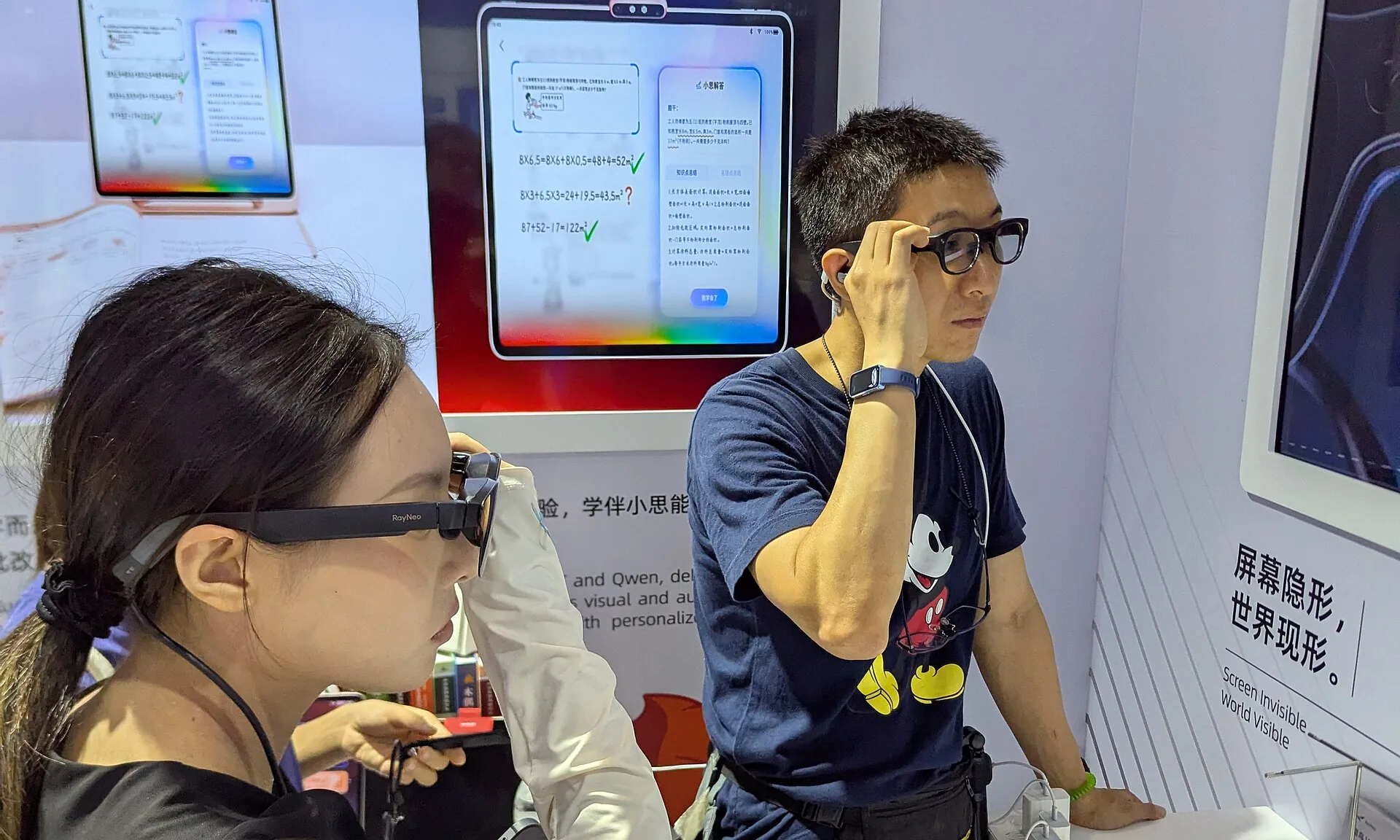
These glasses look like normal frames. They take photos, audio and video with a simple command, and people nearby often can’t tell when they’re recording. That’s how they picked up the nickname “pervert glasses.”
The company isn’t answering
Shenzhen Qingcheng has not responded to the regulator at all. It did reply to the ABC twice, saying its engineers fixed the problems.
Security firms NSB Cyber and Abstract Shield checked. As of Oct. 2, they said some things had improved, but many of the fixes didn’t work or were incomplete.
A formal investigation changes the leverage. The commissioner can now compel the company to hand over information. If it keeps ignoring her, she can go to court for an injunction to limit the supply of its products.
The money
Australia’s Privacy Act allows penalties of up to A$50 million per contravention, and that can be applied per affected person. Kind said she would seek the maximum if the findings hold up. With a lot of buyers, that adds up to hundreds of millions of dollars or more.
Retailers got a letter
The commissioner wrote to the Australian Retail Council and other retailers to tell them about the probe. Her point was simple: responsible retailers may want to think about whether they keep selling these glasses.
Her office also made preliminary inquiries with Meta, Google, Kmart and importer BDI Technology. None of them is under formal investigation.
How we got here
In August, Attorney-General Michelle Rowland asked the regulator to make this a priority, after calls for an import ban. The government still isn’t banning imports. It is considering a limited ban in public service workplaces.
Australia isn’t the only country moving. Norway is already working on temporary limits for AI glasses in some places.
My take
This is the right target. The problem with cheap camera glasses isn’t only the person wearing them. It’s the app in the middle, collecting faces, videos and personal details and sending some of it to a company that won’t even answer the regulator. Going after the software maker, and pushing stores to rethink the product, does more than an import ban would. Meta and Google should pay attention too. Every smart glasses company gets judged by the worst pair on the shelf.
So basically — pass it on.
Daily Updates
Get new stories in your inbox
Near-future tech when it moves. Robots, space, EVs, AI. No spam.