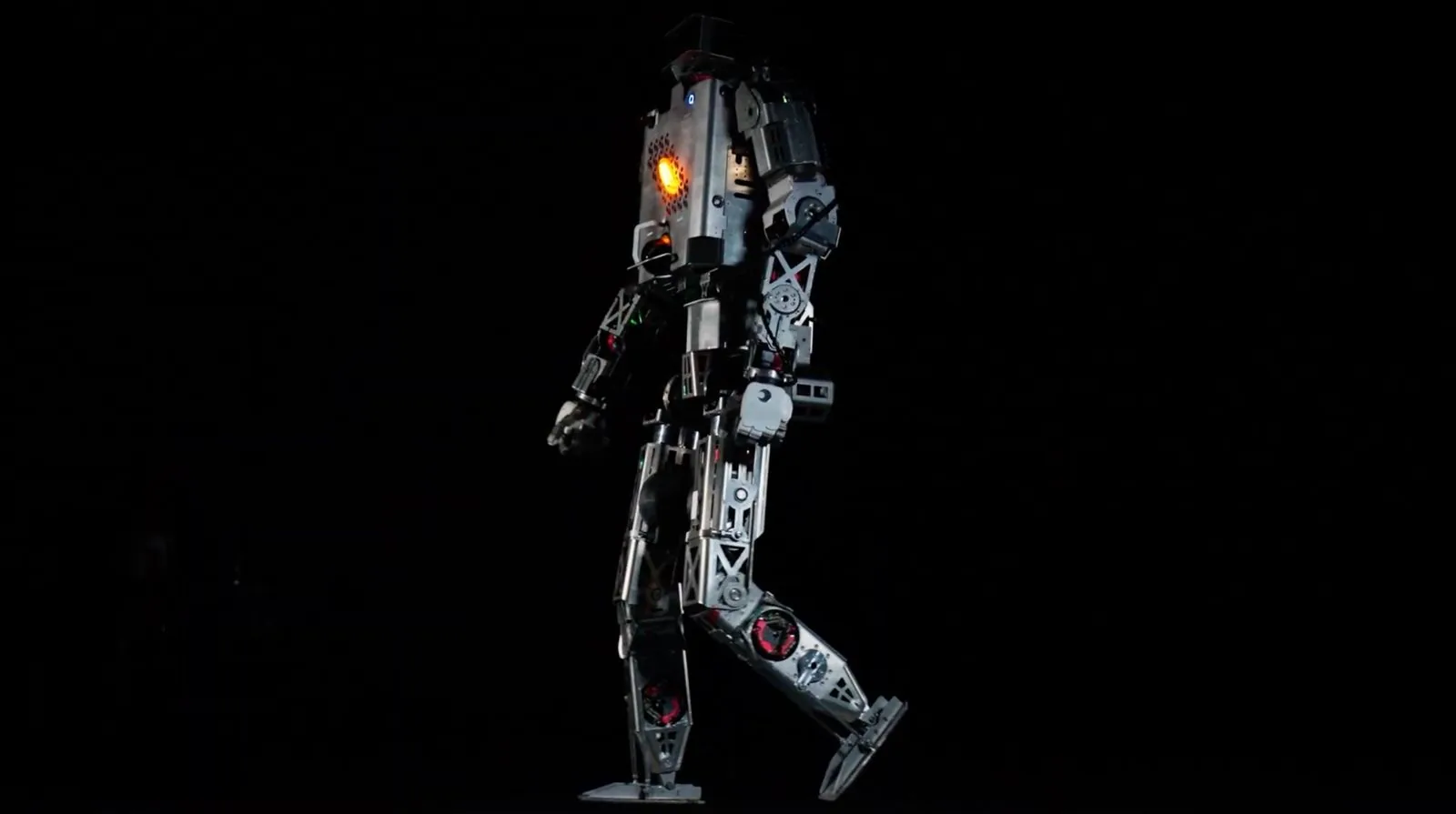
Minerva Humanoids Raises $10M for a Robot That Lets Bomb Techs Stay Out of the Blast Zone
Minerva Humanoids came out of stealth with about $10 million led by General Catalyst. Its humanoid, Roger, is run by trained specialists through a VR headset for bomb disposal and oil and gas work, with paid pilots this fall.
So basically: A San Francisco startup called Minerva Humanoids came out of stealth on Tuesday, Oct. 6, with about $10 million to build a humanoid robot for bomb disposal and oil and gas work, run by a human expert from a safe distance.
The money
It’s a pre-seed round. General Catalyst led it. Long Journey Ventures and Credo Ventures co-led, and a long list of others joined, including Hugging Face and Codecademy.
Minerva says its first paid pilots start this fall.
The robot
The humanoid is called Roger. It’s semi-autonomous, and that word matters here.
A trained specialist wears a VR headset and sees through Roger’s eyes. The operator does the fine hand work. Minerva’s own AI system, called Minerva Intelligence, handles balance, fall recovery and getting around. The company says operators learn full-body control “in a matter of minutes.”
So this isn’t a robot deciding what to do with a suspected bomb. It’s a bomb tech’s hands and judgment, with a robot body taking the risk.
Why a humanoid for this
Bomb squads mostly use tracked robots with a single arm. That design has been around for decades.
Dominic Asquith, a British Special Forces veteran who runs hazardous operations at Minerva, talks about “the long walk.” When the robot can’t finish a job that needs two hands, the operator puts on the bomb suit and walks up to the device alone.
Two arms and real dexterity is the whole pitch.
On the energy side, Minerva estimates about 7,000 energy workers die on the job each year worldwide, about one every 75 minutes. That’s the company’s own math, built from International Labour Organization and International Energy Agency figures.
Who built it
CEO Sandor Felber helped launch MIT CSAIL’s research on humanoid robots and worked on Tesla’s Optimus program. CTO Maurice Rahme spent six years at Boston Dynamics as one of the technical leads on Stretch, the warehouse robot.
Minerva was founded at the end of 2025. It says it went from an idea to a fully working, walking humanoid in five months.
The software is built mainly in the US. The first Roger prototypes are made and assembled in Germany, where it has an office in Sindelfingen. The plan is to build in Germany and the US without relying on single-source Chinese parts.
What it has done so far
- A showcase and keynote at the NATO Explosive Ordnance Disposal Centre of Excellence in Samorin, Slovakia.
- On-site testing at two of the world’s 10 busiest airports, focused on public safety. It is exploring deployments there.
- Research partnerships with MBZUAI in Abu Dhabi for energy work, and the University of Waterloo for seeing in smoke, darkness and other conditions where cameras struggle.
My take
Teleoperation usually gets treated like a dirty secret in humanoid robots, mostly because companies hide it. Minerva puts it right on the label, and for bomb disposal that’s the right call. Nobody wants an AI making the final move on an explosive. They want the best tech in the unit doing it from a command post. Bomb squads and oil companies pay for fewer injuries, not for autonomy demos. The real test is whether Roger holds up in the field at a price they’ll pay, and the paid pilots this fall are where that starts.
So basically — pass it on.
Daily Updates
Get new stories in your inbox
Near-future tech when it moves. Robots, space, EVs, AI. No spam.