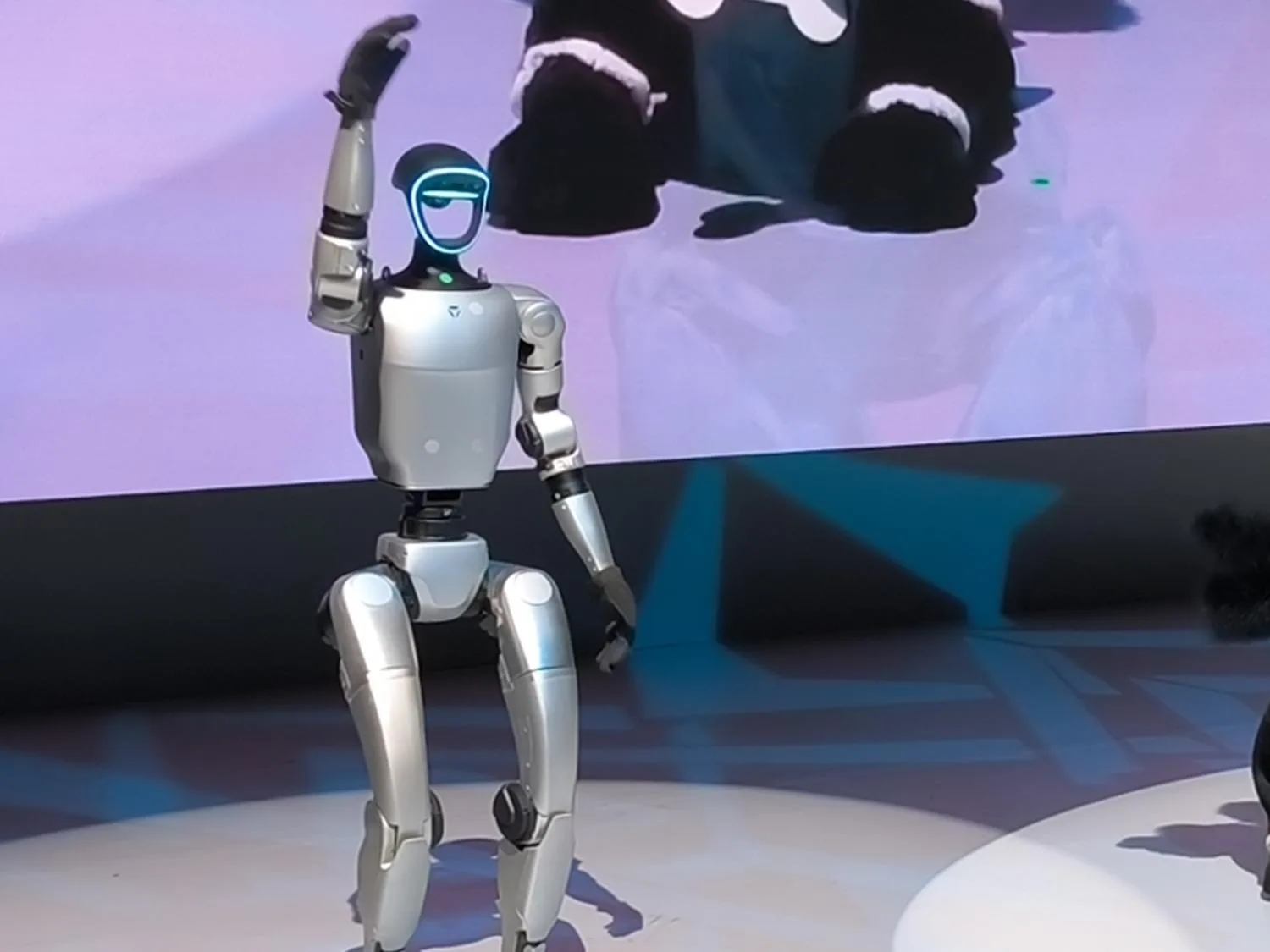
Tokyo Now Has an Ambulance for Broken Humanoid Robots
GMO AI & Robotics put a dedicated 'humanoid ambulance' on Tokyo's roads. It carries an engineer, parts, diagnostic gear, and a spare robot, so a broken humanoid gets fixed or swapped on the spot.
So basically: Tokyo now has an ambulance for robots. Japan’s GMO Internet Group built a van with purple roof lights whose only job is to rush to a broken humanoid. It carries an engineer, spare parts, repair tools, and a whole backup robot. If the robot can’t be fixed on the spot, the spare takes its place and keeps working.
What it is
It’s called the GMO Humanoid Ambulance. GMO AI & Robotics, the group’s robot company (it goes by GMO AIR), showed it to the press on Sept. 8 and started using it in September.
GMO says it is the first vehicle in Japan built just for humanoid repair. That claim comes from the company’s own survey.
What’s inside:
- Diagnostic equipment
- Key humanoid parts and repair tools
- A replacement humanoid
- A humanoid engineer riding along
The engineers come from the GMO Humanoid Lab in Shibuya. These are the people who work inside the robots every day and know how they break.
Despite the lights and the ambulance look, it is really a repair shop on wheels. Its interior holds robots, laptops, and maintenance gear.
How a robot “rescue” works
Here is the playbook:
- A humanoid breaks down at a customer’s site
- The van shows up with the engineer
- They diagnose it and try to fix it right there
- If they can’t, the spare robot gets swapped in
- The broken one rides back to the Shibuya lab for repairs
”The humanoid ‘ambulance’ carries the replacement humanoid to the site and replaces it with the damaged humanoid,” GMO engineer Shota Takizawa told AP.
It is not a robot 911 for everybody. It only covers humanoids GMO AIR deployed, and GMO decides each dispatch case by case.
Why they built it
Because robots break, and waiting hurts.
GMO says it built this after damaged humanoids had to be shipped off for repair and customers lost service in the meantime.
”Learning from that experience, we came up with the idea of providing replacement humanoids,” GMO AIR CEO Tomohiro Uchida said.
In the press release, Uchida put it simply: humanoids only take hold in society if you can keep them running. No repair plan means no real rollout.
The subscription angle
Digital Today, citing Japan’s ITmedia, reports the service ties into a 70,000 yen a month subscription. If a repair drags on, customers get a replacement unit on site. It covers a spare for up to 1.5 months a year at no extra cost.
That is the part that makes this a business, not a stunt. Customers are paying for uptime, not just a robot.
Who is behind it
GMO’s main business is internet infrastructure like domains and hosting. Its robot arm does not build robots.
Instead, GMO AIR became Unitree’s authorized distributor in Japan on June 19. It sells Unitree humanoids and robot dogs, then sells the services around them. Engadget notes GMO is also behind Unitree humanoids working a baggage handling trial at Tokyo’s Haneda Airport with JAL Ground Service, running through 2028.
And this week the support network got bigger. On Oct. 6, GMO fully opened its 382 tsubo (about 1,260 square meters) Humanoid Lab in Shibuya, which it calls one of Japan’s largest physical AI hubs. That is where the broken robots go.
Just one van, for now
There is only one ambulance, parked at GMO’s Tokyo headquarters. The company says it could add more vans and bases if demand grows.
My take
Everybody watches the robot demos. Nobody asks who fixes them. Cars needed tow trucks and repair shops before they went mainstream. Elevators needed service techs. Humanoids are going to need the same thing, and this purple light van is one of the first real versions of it. The 70,000 yen subscription with a spare robot is the smart part. Businesses do not want a robot. They want the job done every day. Whoever sells uptime wins.
So basically — pass it on.
Daily Updates
Get new stories in your inbox
Near-future tech when it moves. Robots, space, EVs, AI. No spam.