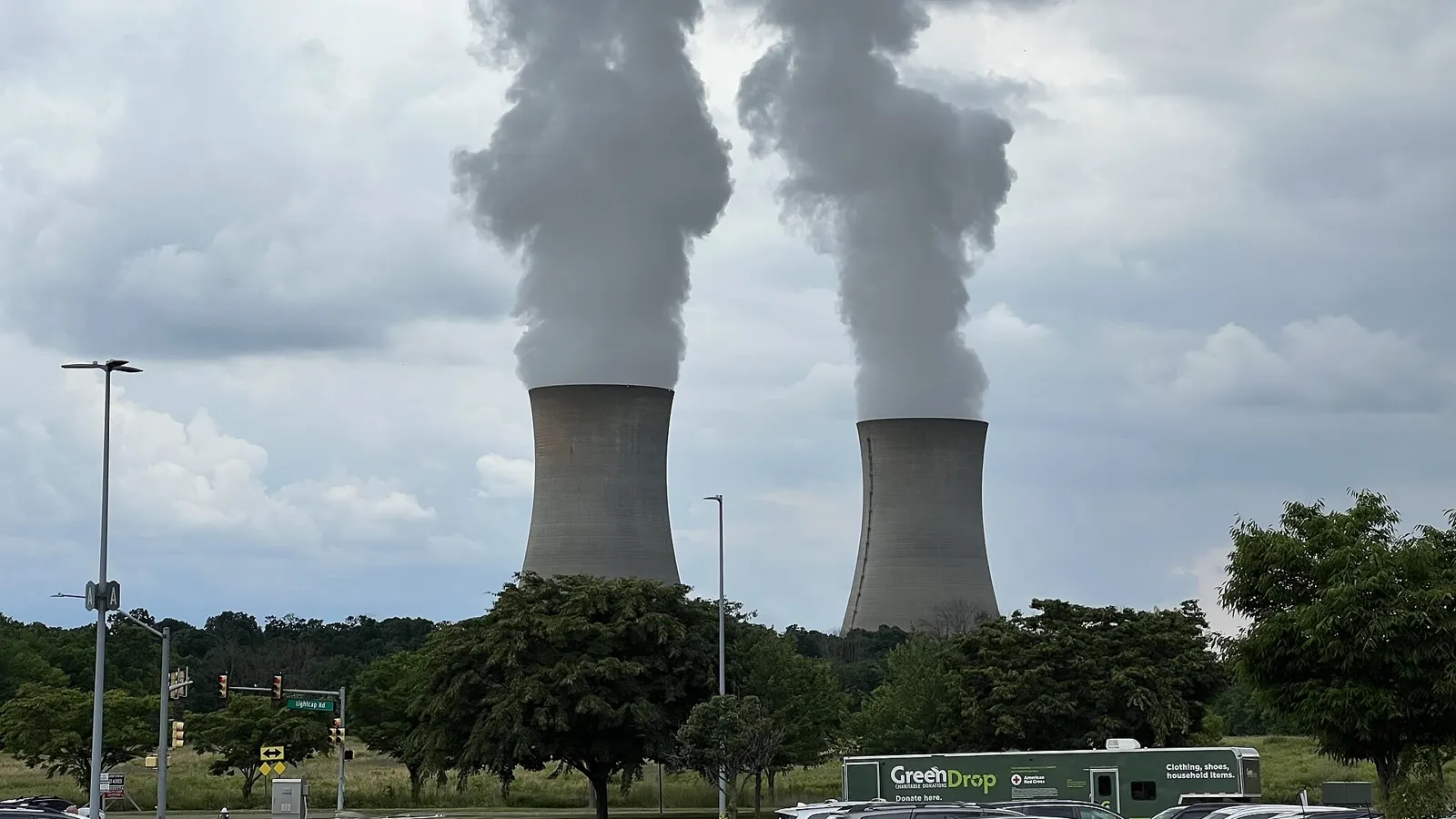
Google Is Paying to Squeeze 890 MW More Out of 11 Old Nuclear Reactors
On Oct. 6, Google and Constellation signed a 20-year deal to fund upgrades at 11 existing nuclear units in Illinois, Pennsylvania, and New Jersey. The goal is 890 MW of brand new capacity on the PJM grid, with the first uprate due by 2028 and all of it by the end of 2032.
So basically: Google just signed up to pay for upgrades at 11 nuclear reactors that already exist. If it works, those reactors will put out 890 megawatts more than they do today. That is about the size of one big new reactor, without building one.
The deal
Google and Constellation Energy announced it on Tuesday, Oct. 6.
Constellation is the biggest nuclear operator in the U.S.
Here is what was signed:
- A 20-year power purchase agreement for 890 MW of new nuclear capacity
- The new power comes from upgrades at 11 nuclear units across six sites
- The sites are in Illinois, Pennsylvania, and New Jersey
- Constellation says it will invest more than $4.3 billion
- The first upgrade is expected online by 2028
- Google says all 890 MW should be online before the end of 2032
There is also a second, separate contract. Google will buy 2,700 MW from Constellation plants that are already running, for 15 years. That part adds no new power. It just locks in a buyer.
What an uprate is
A nuclear “uprate” means getting more electricity out of a reactor you already have. Google describes it as modernizing turbines, steam generators, and digital control systems so the plant can push out more power.
Think of it like tuning an old engine. Same car, more horsepower.
There are three sizes of uprate, according to the Nuclear Regulatory Commission:
- Small: better measuring tools that recover under 2% more power
- Medium: adjusted settings and procedures for up to about 7% more
- Large: major hardware swaps, like turbines and generators, for up to 20% more
The big ones cost the most and take the longest to approve. The NRC aims to review those in about 12 months.
Which plants
Constellation has not listed the exact units yet.
Reporting cited by POWER magazine points to six sites: Braidwood, Byron, LaSalle, and Quad Cities in Illinois, Limerick in Pennsylvania, and Salem in New Jersey. Those six sites have 12 reactors between them, so one is apparently left out. Which one is still not public.
Why not just build new reactors
Because new reactors take forever. The two new Vogtle reactors in Georgia came online years late and billions over budget.
Uprates skip a lot of that. The plant, the site, the grid connection, and the trained staff are already there. Constellation says that avoids the “multi-year timelines” and “interconnection bottlenecks” of building from scratch.
$4.3 billion for 890 MW works out to roughly $4.8 million per megawatt. But it is a lot more predictable than a brand new plant.
Why Google cares
Data centers. Google needs huge amounts of steady power, and it needs it in places like PJM, the grid that serves about 67 million people across 13 states and D.C.
PJM is short on supply. It has proposed a rule called “Bring Your Own New Capacity,” which pushes big new power users to add their own supply instead of just pulling from the grid. Google and Constellation are pitching this deal as exactly that kind of answer.
Google says this brings the new nuclear capacity it has helped unlock, from uprates and restarts, to more than 1.5 gigawatts.
Part of a bigger wave
This is not a one-off.
- A week earlier, Constellation signed a 20-year deal with Amazon tied to its Calvert Cliffs plant in Maryland, including a roughly 190 MW uprate
- The Department of Energy just offered Vistra up to $4.2 billion in loans to upgrade three plants in Ohio and Pennsylvania
- In September, Georgia Power and Google announced uprates at the Vogtle and Hatch plants
The DOE has a program called UPRISE that targets 5 gigawatts of extra nuclear output from existing plants by 2029.
My take
I like this one because it is boring in a good way.
No new reactor design. No experimental fuel. Just old, proven plants getting better parts and pushing out more power.
The catch is timing. Most of this lands between 2028 and 2032, and each upgrade still needs NRC approval. So it will not fix anything this winter.
But if tech companies want to keep building data centers, I would much rather see them pay to upgrade nuclear plants than lean on the grid and leave everyone else with the bill.
So basically — pass it on.
Daily Updates
Get new stories in your inbox
Near-future tech when it moves. Robots, space, EVs, AI. No spam.