Batteries Now Beat Gas 'Peaker' Plants on Cost in All 43 Markets Studied
A new Wood Mackenzie report says four-hour battery storage is now cheaper than new open-cycle gas plants in all 43 markets where it compared them. In the U.S., a spokesperson said batteries are 65 to 75 percent cheaper.
So basically: When the grid needs a burst of extra power, the old answer was a gas “peaker” plant. A big new report from energy research firm Wood Mackenzie says that answer is now the expensive one. Four-hour battery storage is cheaper than new peaker plants in all 43 markets where it compared the two.
What a peaker plant is
Power demand is not flat. It spikes on hot afternoons when everyone’s AC kicks on, and in the evening when people get home.
For decades, grids handled those spikes with peaker plants. These are gas turbines that sit idle most of the time and fire up fast when demand jumps. Some are basically jet engines bolted to the ground.
A four-hour battery does the same job a different way. It charges up when power is cheap, often from solar at midday, then pushes that power back out for up to four hours when demand peaks.
The numbers
From the Wood Mackenzie report, released Thursday, Oct. 8:
- Batteries vs. peakers: batteries were cheaper in all 43 markets where both were modeled
- In the U.S.: a spokesperson told Utility Dive four-hour storage is 65 to 75 percent cheaper than a new peaker for projects coming online in 2026
- Middle East and Africa: storage costs about $120 per megawatt hour this year and should fall to about $80 by 2035
- China: storage costs more than 55 percent below the average for the rest of Asia Pacific
And for regular power, solar keeps winning. Solar farms with panels that track the sun are now the cheapest new power source in 43 of 48 markets. Wind leads in the other five. In Saudi Arabia and the UAE, solar is on track to drop below $20 per megawatt hour by 2033.
Why gas got pricier
This is not only about batteries getting cheaper. Gas is also getting more expensive to build.
There is a shortage of gas turbines. Utility Dive reports Wood Mackenzie said in April that turbine prices should hit about $600 per kilowatt by the end of 2027. That is up 195 percent since 2019.
The three big turbine makers, GE Vernova, Siemens Energy, and Mitsubishi, have order backlogs between 35 and 116 gigawatts each.
Part of the reason is data centers. They are eating up power and turbine orders at the same time. Wood Mackenzie says North America is in a gas equipment “supply deficit cycle” that could last through the late 2030s.
”This economic shift is decisive and widening,” said Wood Mackenzie analyst Ahmed Jameel Abdullah.
It is not all smooth
A few things push the other way:
- Battery prices ticked up in Europe. Battery system costs rose about 2 percent this year, the first rise in three years, as cell prices bounced back about 10 percent from their 2025 low. They are still expected to fall 12 percent by 2031.
- Lithium could spike. The report expects lithium prices to roughly double in 2029 once today’s oversupply clears.
- U.S. tariffs. Solar panel prices in the U.S. are expected to rise about 5 percent a year through 2030 because of trade actions.
- Tax credits. U.S. storage gets a boost from federal tax credits. The report expects a cost jump when those phase out starting in 2038.
So batteries win on cost today, but the margin depends on supply chains and policy.
My take
This is a quiet but huge shift.
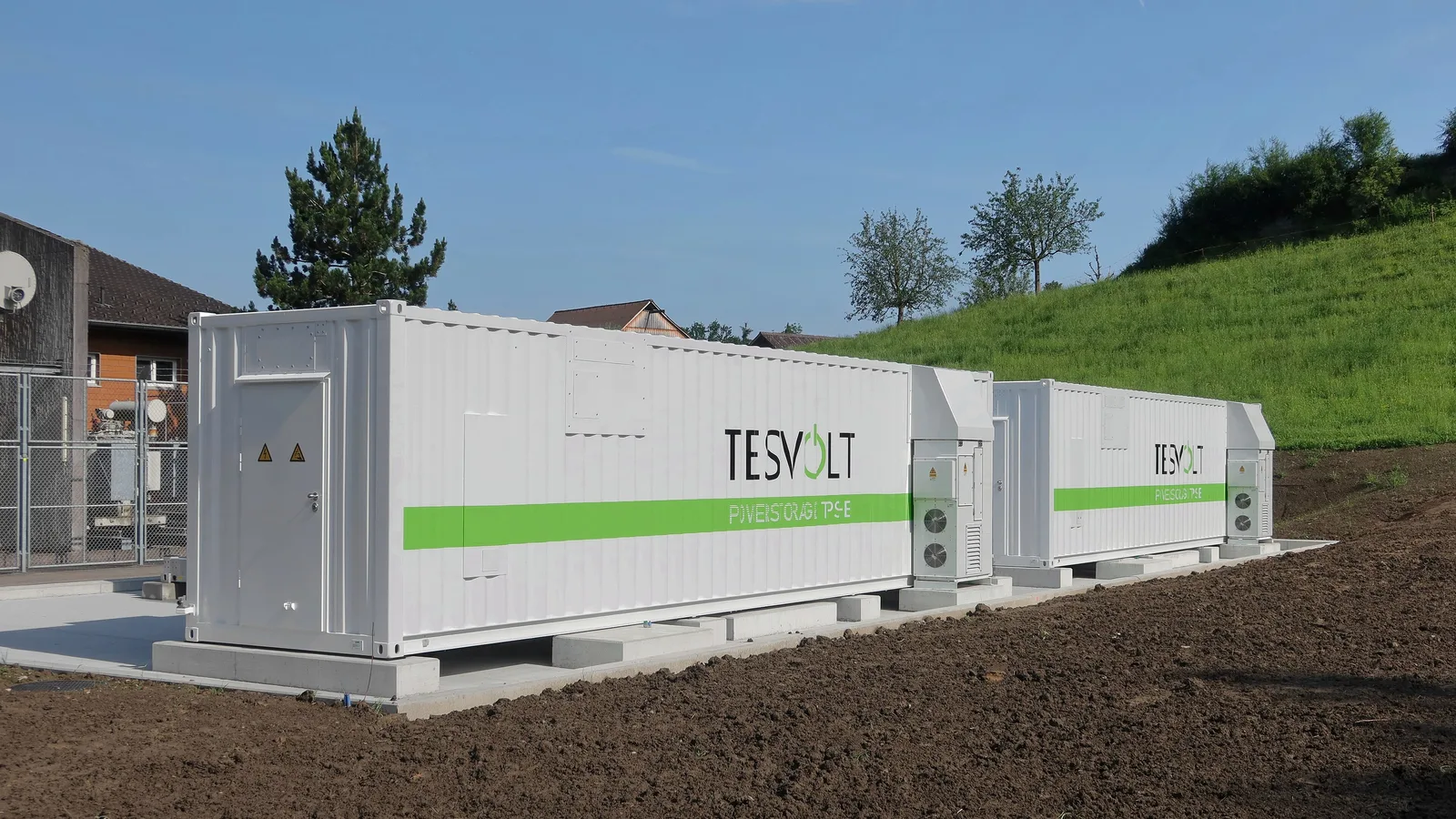
For most of my life, “keeping the lights on during a heat wave” meant burning gas. Now the cheapest way to do it is a row of shipping container sized batteries charged by sunshine.
The turbine shortage part is wild to me. Even if a utility wanted gas, it might be waiting years for the equipment. Batteries can show up a lot faster.
Gas is not going away tomorrow. But when every single market in a big study says batteries are cheaper, the default is changing.
The next time your power stays on during a heat wave, there is a better and better chance a battery did it.
So basically — pass it on.
Daily Updates
Get new stories in your inbox
Near-future tech when it moves. Robots, space, EVs, AI. No spam.