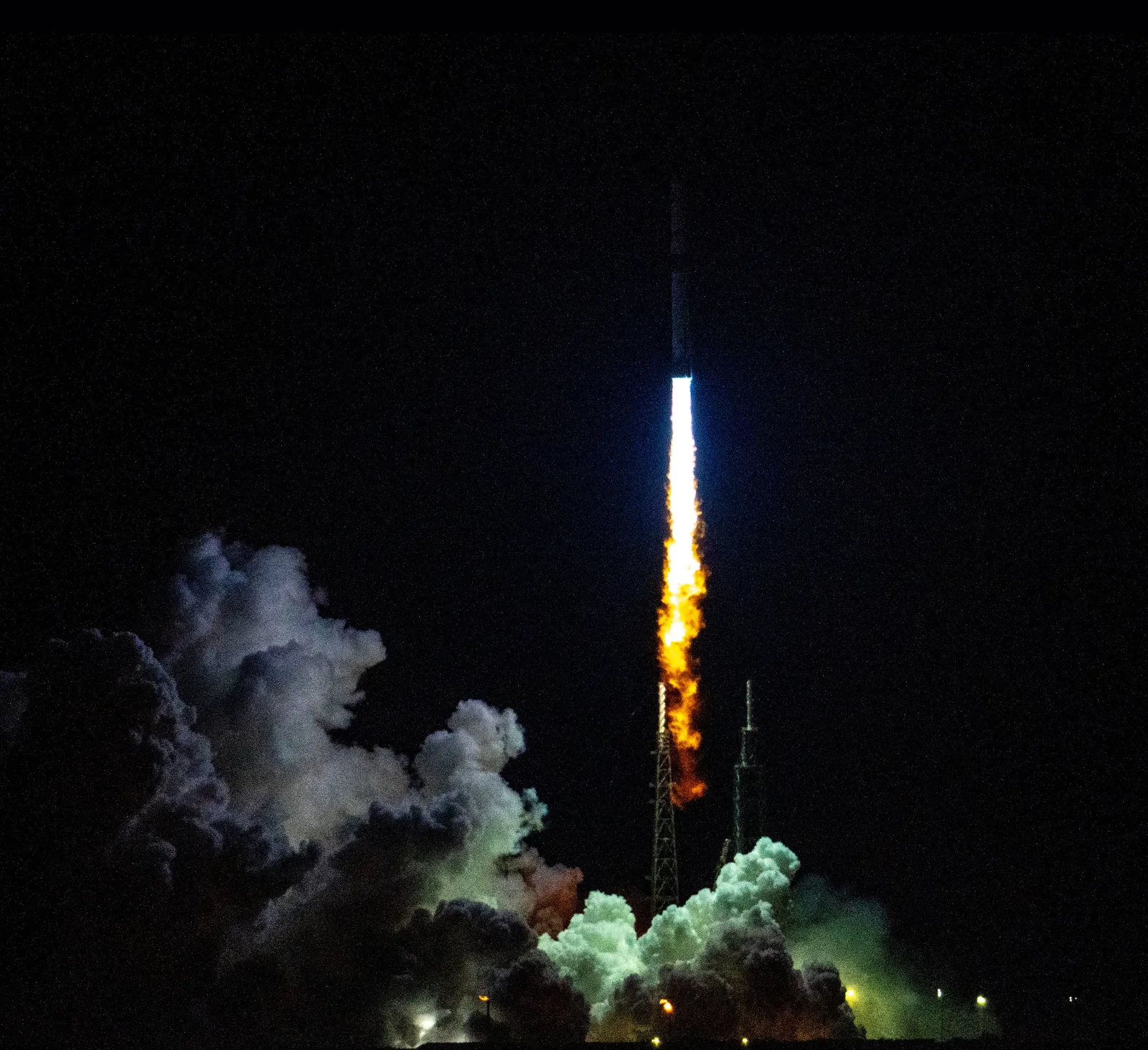
Blue Origin Wants to Launch New Glenn 50 Times a Year From One Pad
Blue Origin asked the FAA to raise its New Glenn cap at Cape Canaveral from 12 launches a year to 50. The FAA's draft review says no big environmental impact, and the public gets to weigh in until Oct. 30.
So basically: Blue Origin wants to launch its big New Glenn rocket 50 times a year from its pad at Cape Canaveral. Right now it’s only allowed 12. The FAA put out a draft review saying that jump wouldn’t do any major harm to the environment, and now the public gets a say. Comments close Oct. 30, and there’s an online public meeting Oct. 22.
What they’re asking for
Blue Origin has a license from the FAA to fly New Glenn out of Launch Complex 36. That license caps it at 12 launches a year. That’s the number that got studied back in 2016, before the rocket ever flew.
Now they want that cap moved to 50. That’s 38 more launches a year off the same pad. No new pad. No new construction. Just a lot more use out of what’s already there.
The request covers more than just liftoffs too. It includes:
- Static fire tests, where they light the engines on the pad without flying
- Landing the booster on a ship out in the Atlantic
- Fishing the nose cone halves out of the ocean after launch
- The airspace closures that come with every flight
What the FAA found
The FAA wrote a draft environmental assessment. That’s basically a big report that checks stuff like noise, wildlife, air, water, and boats and planes getting moved out of the way. The draft says 50 launches a year wouldn’t significantly affect the environment.
If that holds up after public comments, the FAA would issue what’s called a Finding of No Significant Impact. That’s the green light that skips a much longer, much harder review. After that they’d still need to actually modify the license.
The Air Force, NASA and the Coast Guard all worked on the review with the FAA. Makes sense. It’s their base, their neighbors and their water.
Can they even fly that much?
Not yet. Not even close. New Glenn has only flown a handful of times, and Blue Origin is working on getting it back flying in December. Going from a few launches a year to 50 is a massive jump.
But that’s kind of the point. You don’t wait until you’re ready to launch 50 times and then ask permission. Getting through the FAA paperwork takes a long time. If you want to fly that much in two or three years, you start asking now.
For comparison, SpaceX has been flying Falcon 9 well over 100 times a year across a few pads. Nobody else is anywhere near that. Blue Origin asking for 50 off one pad is them saying they want to actually compete, not just show up.
Why it matters
A lot of big stuff is waiting on rockets. Amazon’s Kuiper satellites need rides. NASA’s Moon plans use Blue Origin’s Blue Moon lander. The Space Force wants more than one company it can count on. Right now, if you need a heavy rocket, you pretty much call SpaceX.
More New Glenn flights means more seats on the bus. It also means more competition on price, which is good for everyone buying launches.
And if you live on the Space Coast, it means a lot more launches to watch. Between SpaceX, ULA, Blue Origin and Starship coming to Florida, Cape Canaveral is about to get really busy.
What happens next
- Oct. 22, 6 to 8 p.m. ET: online public meeting about the draft
- Oct. 30: public comment period closes
- After that, the FAA reviews comments and decides whether to finalize
Anyone can comment on the docket, number FAA-2026-9841, at regulations.gov.
My take
Asking for 50 is easy. Doing 50 is the hard part. Blue Origin has been slow for a long time, and a lot of people have stopped taking their timelines seriously. I get it.
But I like this move. You don’t ask for 50 launches a year off one pad unless you really think the rocket and the booster landings are going to work. If they pull even half of that off, SpaceX finally has a real competitor in heavy launch, and that’s good for all of us. The December return to flight is the one to watch. That’s where we find out if this is a plan or just paperwork.
So basically — pass it on.
Daily Updates
Get new stories in your inbox
Near-future tech when it moves. Robots, space, EVs, AI. No spam.