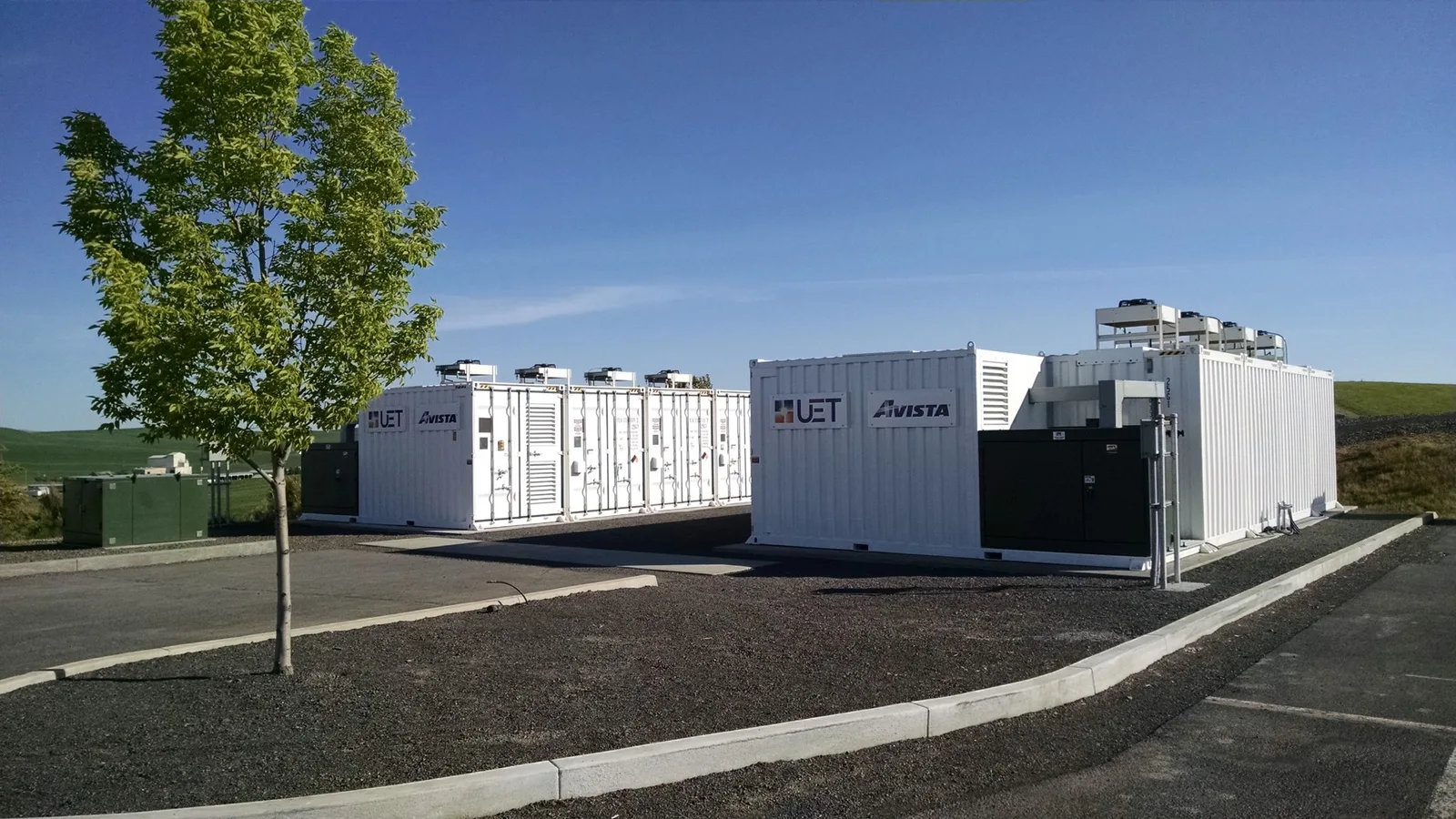
Chile Turned an Old Coal Site Into a 5 Hour Battery the Size of 160 Shipping Containers
ENGIE Chile switched on BESS Lile, a 142 MW, 802 MWh battery at its Mejillones energy complex. It can run for five hours, cost $174 million, and was built on land and wiring meant for more fossil fuel plants.
So basically: In northern Chile, a power company just switched on a giant battery right next to its old coal plants. It is called BESS Lile, and it can push power into the grid for up to five hours straight. The best part is where it sits. It was built on land, roads, and grid connections that were originally meant for more fossil fuel plants.
The numbers
ENGIE Chile announced the battery was in commercial operation on Oct. 8. Here is what it is, per BESS News:
- Power: 142 megawatts
- Storage: 802 megawatt hours
- Run time: up to 5 hours at full output
- Cost: $174 million
- Hardware: 160 battery containers plus 40 pieces of electrical gear
- Location: the Mejillones Energy Complex in the Antofagasta Region
ENGIE says that five hour discharge equals the power use of more than 84,000 homes. Chile’s grid operator, the Coordinador Eléctrico Nacional, approved it to start on Sept. 25.
What a stand alone battery means
BESS Lile is not attached to a solar farm. It plugs straight into the grid on its own.
That means it can charge whenever power is cheap and plentiful, and sell it back when it is needed. In Chile’s sunny north, that usually means soaking up solar power in the middle of the day and giving it back in the evening when the sun goes down and people get home.
Many grid batteries are built for two to four hours. Five hours covers more of the evening peak, and that extra time matters.
Recycling a fossil fuel site
This is the part I like most. The substation, the internal roads, and the space inside the complex were first planned for an expansion of thermal power plants. Those plans changed. Now a battery uses all of it.
Reusing that stuff saves time and money, because a grid connection is often the hardest piece of any new power project to get.
ENGIE Chile CEO Juan Villavicencio said the project “shows that the energy transition also means using infrastructure efficiently and adapting it to the new needs of the system.”
Goodbye coal, slowly
Mejillones has been a fossil fuel hub for decades. Here is how it is changing:
- Dec. 31, 2025: ENGIE shut down coal units CTM1 and CTM2 after almost 30 years
- In progress: another plant there, IEM, is being converted to run on natural gas
- Later: two more coal units, CTA and CTH, will close in a gradual exit meant to keep the grid stable
BESS Lile is the fifth battery system ENGIE Chile has put into service in 2026 alone. Villavicencio said it brings the company to 803 megawatts of battery capacity. ENGIE says this finishes the first stage of converting the Mejillones complex.
Why this matters outside Chile
A lot of places have old coal and gas sites with grid connections already sitting there. Grid hookups can take years to get. Plugging batteries into spots that already have them is one of the fastest ways to add clean capacity.
Chile is a good test case because it has some of the best solar in the world in the Atacama Desert. Batteries are what turn that daytime sun into nighttime power.
My take
This is the kind of energy story I wish got more attention. No new transmission lines, no years of waiting for a hookup. Just take the connection a coal plant was going to use and put a battery on it. $174 million for 802 megawatt hours is solid. Expect a lot more old power plant sites to get this exact makeover.
So basically — pass it on.
Daily Updates
Get new stories in your inbox
Near-future tech when it moves. Robots, space, EVs, AI. No spam.