A Chemical Plant in Texas Is One Step From Getting Its Own Nuclear Reactors. The NRC Just Finished Its Safety Review
On Oct. 30, 2026, the NRC finished its safety review of X-energy's Xe-100 plant for Dow's Long Mott Generating Station in Texas. Four small reactors would make 320 megawatts of electricity plus steam for the plant, and the NRC says a construction permit announcement is coming soon.
So basically: A Dow chemical plant on the Texas coast is getting close to having its own nuclear power plant right inside the fence. The U.S. Nuclear Regulatory Commission just finished its safety review of the project, and the NRC itself told people to “stay tuned for a construction permit announcement soon.” If it happens, this would be the first grid scale advanced nuclear reactor at an industrial site in U.S. history.
The reactors are made by a company called X-energy, and the project is named the Long Mott Generating Station.
What just happened
On Oct. 30, 2026, the NRC released its Final Safety Evaluation Report for Long Mott. That’s the big document where NRC staff go through the whole design, the safety analysis, the risk numbers and the research behind it, and decide if it’s safe enough to start building.
Their answer was yes. The report says the plant and the site give a safety basis to begin construction.
The NRC already finished the environmental review back in May 2026, with a finding of no significant impact. So both of the main reviews are now done. An independent advisory committee that reviews this stuff for the NRC also said it supports issuing the permit.
What they want to build
The plan is four Xe-100 reactors together. Combined, they’d put out about 320 megawatts of electricity, or 800 megawatts of heat.
It would sit at Dow’s Seadrift Operations in Texas. The idea is to give the chemical plant both electricity and process steam, which chemical plants use a ton of, and send any extra power out to the grid.
Dow set up a company called Long Mott Energy to own the project, and it applied for the construction permit in March 2025. It’s part of the Department of Energy’s Advanced Reactor Demonstration Program.
Why these reactors are different
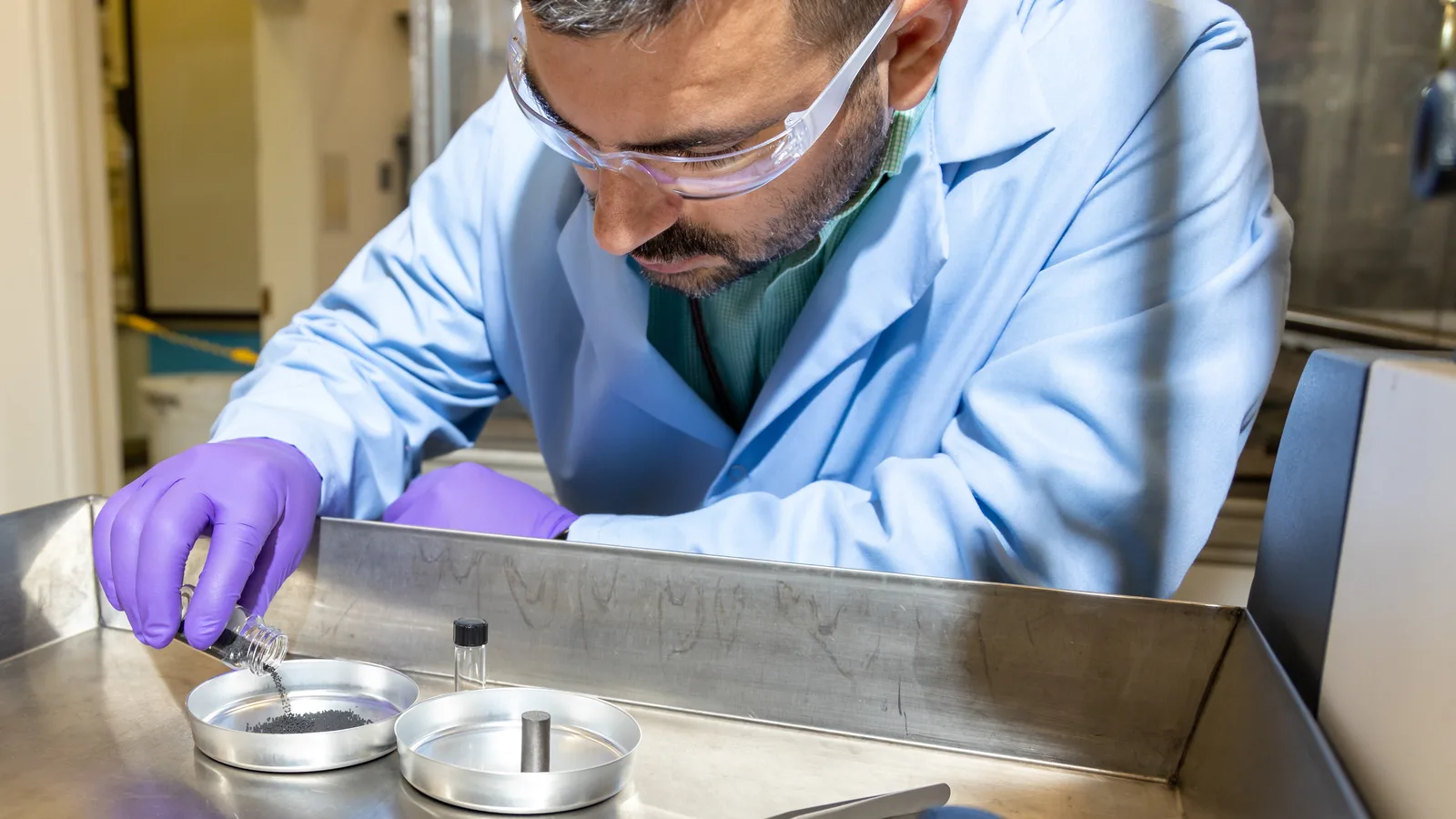
The Xe-100 is a high temperature gas cooled reactor. Instead of the big fuel rods sitting in water like most U.S. reactors, it uses a pebble bed. The fuel comes in balls, and inside those balls are thousands of tiny particles called TRISO fuel. Each particle is a speck of uranium wrapped in layers of carbon and a tough ceramic. The photo up top shows researchers at Oak Ridge National Laboratory working with that kind of fuel.
X-energy says that fuel is a big part of the safety case, along with backup safety systems. And here’s the number that really surprised me:
- A normal big reactor has an emergency planning zone of 10 miles
- X-energy says the Xe-100’s is just 400 meters, which is about a quarter mile
That small zone is the whole reason you can even think about putting a reactor inside an industrial plant instead of out in the middle of nowhere.
It’s a first in a few ways
This is the first application for this kind of reactor to go through the NRC’s newer technology inclusive, risk informed way of licensing. X-energy says this review sets a path that every Xe-100 project after it can follow, which could make the next ones faster.
X-energy also has projects with Amazon and Centrica, and the Xe-100 was recently accepted into the U.K.’s design review process too.
What’s still left
The permit isn’t issued yet. The NRC’s project page still shows the construction permit decision as pending. And even after a permit, this is a construction permit, not a license to run the reactors. That comes later.
My take
I think this is one of the most practical nuclear stories I’ve covered. It’s not a giant power plant for a whole city. It’s a chemical plant saying it wants its own steady power and steam, made on site, with no smokestack. Factories burn a lot of natural gas just to make heat. If small reactors can safely sit inside the fence and do that job, a lot of other big plants are going to want one. Dow is about to be the test case for everybody else.
So basically — pass it on.
Daily Updates
Get new stories in your inbox
Near-future tech when it moves. Robots, space, EVs, AI. No spam.