America Now Has Over 200 GWh of Grid Batteries, and Texas Added the Most This Year
The U.S. passed 200 gigawatt hours of installed energy storage, according to a new report from SEIA and Benchmark Mineral Intelligence. The country added 14.3 GWh in the third quarter and 48.3 GWh so far in 2026, up 20% from last year. Texas led with 12.3 GWh of utility scale storage.
So basically: The U.S. now has more than 200 gigawatt hours of energy storage installed, mostly giant battery farms connected to the grid. That’s from a new report by the Solar Energy Industries Association (SEIA) and Benchmark Mineral Intelligence. The country added 14.3 GWh in the third quarter of 2026 alone, and 48.3 GWh in the first nine months of the year. That’s up 20% from the same stretch last year. Texas added more than anywhere else.
What 200 GWh means
A gigawatt hour is a million kilowatt hours. Your house probably uses somewhere around 30 kilowatt hours on a normal day, so one gigawatt hour is a lot of stored power.
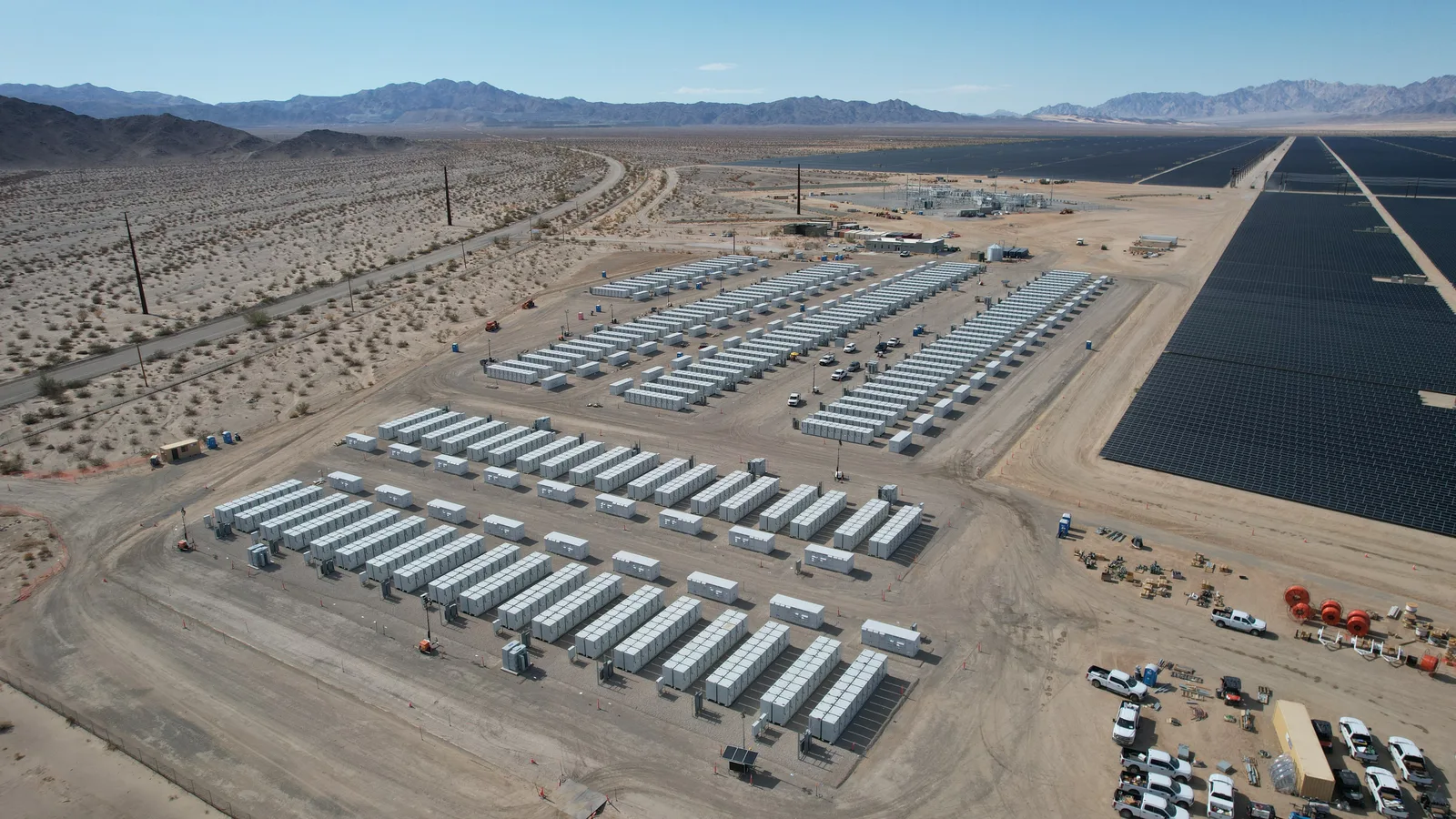
Most of this storage is lithium battery systems that look like rows of shipping containers sitting next to solar farms or substations. They charge up when power is cheap or there’s extra solar in the middle of the day, then send it back out in the evening when everybody gets home and turns everything on.
The numbers
Here’s how the third quarter broke down, according to SEIA:
- 12.2 GWh from utility scale projects, by far the biggest piece
- 1.3 GWh from commercial and industrial storage at businesses
- 746 MWh from home batteries
And here’s where the big projects went through the first three quarters:
- Texas with 12.3 GWh
- Arizona with 7.7 GWh
- California with 6.8 GWh
California used to be the obvious leader in batteries. Texas passing it says a lot about how fast the Texas grid is changing.
States breaking records
Eleven states already broke their yearly storage records by the end of September, with three months still left in the year. They are Colorado, Massachusetts, Utah, Michigan, Georgia, Mississippi, Virginia, Iowa, Montana, Alabama and Illinois.
That’s a pretty mixed list. It’s not just the usual sunny states anymore. Pete Tillotson, a senior analyst at Benchmark, said states are “moving from targets to centralized procurements,” meaning they’re actually buying storage now instead of just setting goals.
Prices and the forecast
SEIA says solar and storage helped push average wholesale power prices down 42% in Texas and 51% in California from summer 2021 to summer 2026. Keep in mind SEIA is the solar industry’s trade group, so they have a reason to put that number front and center. Still, it lines up with what grid operators have been seeing as batteries take over the evening peak.
The report also raised its forecast. It now expects the U.S. to have about 708 GWh of storage by 2030, about 3.7% higher than its last estimate.
More of the batteries are made here
U.S. battery cell manufacturing capacity for storage is up to 92.4 GWh, a 50% jump, after new cell factories opened in Tennessee in July and Indiana in October. That matters because a lot of grid batteries have been imported, mostly from China.
SEIA is using the report to push Congress to pass a permitting bill called the Bipartisan American Affordability and Jobs Act, which it says would speed up new projects. The bill has passed the Senate and now goes to the House.
My take
Batteries are one of the least flashy parts of energy, but they might be the most important right now. AI data centers are pulling more power every month, and batteries are the fastest thing you can add to a grid. You can drop a battery farm in way faster than you can build a power plant. The fact that Texas led the country tells you it’s about money more than politics. Batteries make sense there because they make power cheaper. Going from 200 GWh to over 700 by 2030 would be a big jump, and I want to see if the pace holds up next year.
So basically — pass it on.
Daily Updates
Get new stories in your inbox
Near-future tech when it moves. Robots, space, EVs, AI. No spam.