The UK Just Said No to Its Biggest Solar Farm Ever, and Nearby Airplanes Were Part of the Reason
The UK government refused the 840MW Botley West solar farm near Oxford on Nov. 10, the first time it has ever turned down a solar project this size. The reasons included Green Belt harm, a World Heritage Site, lost farmland and aviation safety.
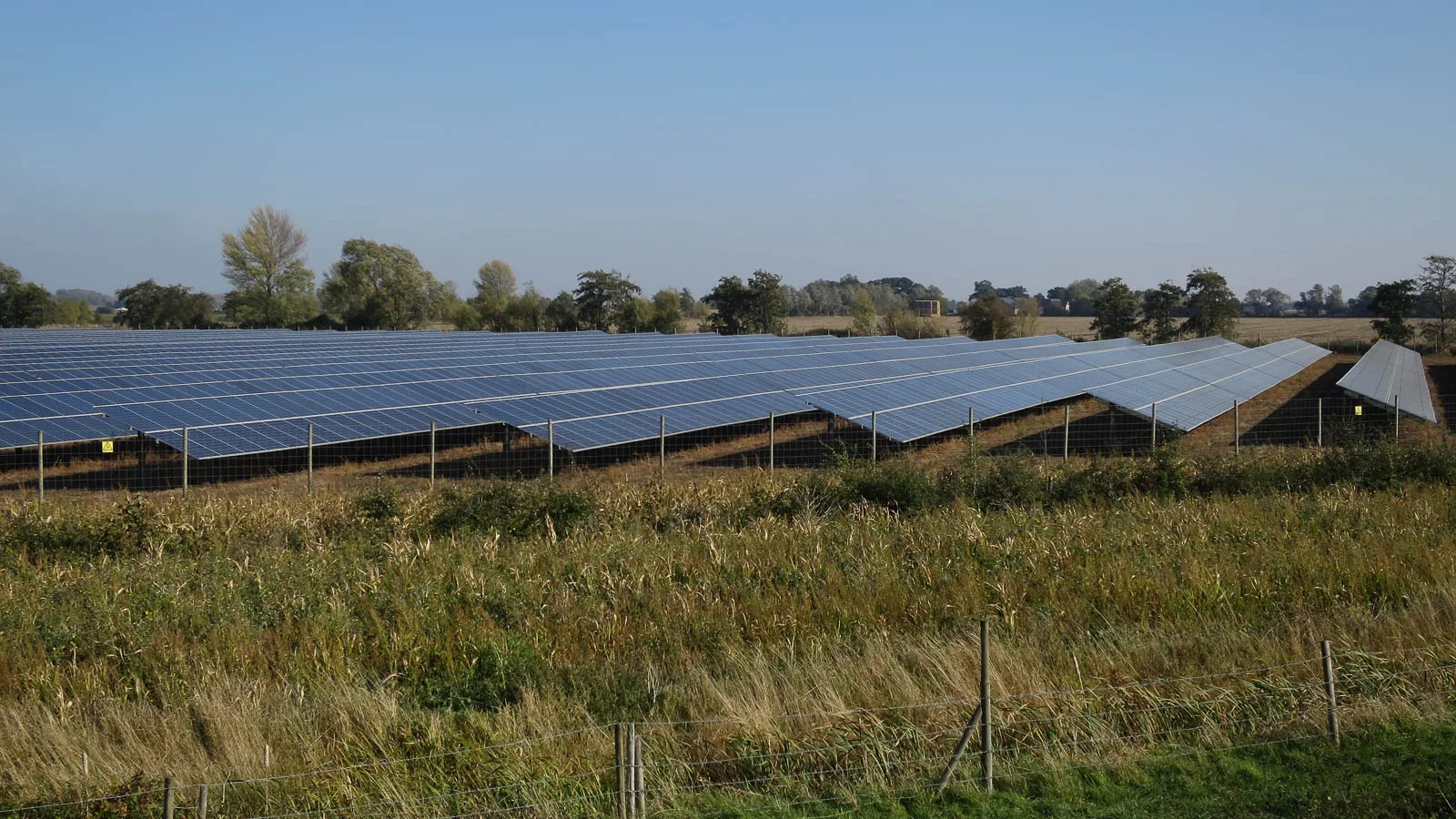
So basically: The UK government just killed what would have been the country’s biggest solar farm. Botley West was planned at 840 megawatts across more than 2,000 acres of land around Oxford. On Nov. 10, the government said no. It’s the first time ever the UK has rejected a solar project big enough to need national approval, and one of the reasons was the risk to nearby airplanes.
What Botley West was
The project was being pushed by a German company called Photovolt Development Partners, or PVDP, for an energy company named SolarFive. It would have cost about £800 million and spread across fields north and west of Oxford.
PVDP said it could power about 330,000 homes. Solar projects over 100 megawatts in England have to get approved by the national government, and up to now, that’s been a pretty safe bet. This government has been very pro-solar.
Why it got turned down
The refusal letter came from Baroness Margaret Curran, signing for the UK’s energy department. It listed a whole pile of problems:
- “Substantial” harm to protected Green Belt land
- ”Significant” damage to the landscape and views
- ”Serious” harm to heritage sites
- Aviation safety risks
- Losing some of the country’s best farmland
- Weak environmental and landscape evidence
- Not doing enough to reduce the damage
The heritage part is a big one. The solar farm would have covered about one-fifth of the Blenheim Estate. Blenheim Palace is a World Heritage Site, and it’s also where Winston Churchill was born.
The airplane problem
This is the part I didn’t expect. Oxfordshire has several flight schools and London Oxford Airport. A local aviation company raised a list of worries, according to PV Tech:
- Fewer open spots for emergency landings
- Glint and glare off the panels into pilots’ eyes
- More bird strikes
- Turbulence from heat rising off thousands of panels
The people reviewing the project asked PVDP for modeling of that rising heat. PVDP turned the reports in late. The reviewers said that showed the company “overlooked or ignored the critical information from a key stakeholder and put forward a poorly designed scheme from the outset.” That’s about as harsh as government writing gets.
Not everyone’s happy about it
The solar industry group Solar Energy UK called the decision “regrettable” and said it was “disappointed and surprised.” It pointed out that solar farms already work safely at airports like Bristol, Glasgow, Edinburgh and Blackpool.
Its chief executive, Chris Hewett, said bigger solar farms make the cheapest power, and that’s what pushes expensive gas off the grid.
Local campaigners felt the opposite. John Orme from the group Stop Botley West told the BBC the news “restored a bit of faith” in the planning process. He said the group likes solar, just on roofs, old industrial sites and brownfield land instead of farm fields.
What happens next
The decision was delayed twice before it came out. PVDP now has six weeks to challenge it in court with what’s called a judicial review.
It’s not all bad news for UK solar, either. Just two weeks earlier, the government approved the 800 megawatt Great North Road solar project. PV Tech said that developer put a lot more work into its application.
My take
Honestly, this sounds less like the UK turning on solar and more like one developer doing sloppy homework. Putting panels on a fifth of a World Heritage estate next to a busy flight school area was always going to be a fight. Turning in the safety reports late didn’t help. The lesson for everybody building big energy projects is pretty simple: do the boring work up front and pick a site people can live with.
So basically — pass it on.
Daily Updates
Get new stories in your inbox
Near-future tech when it moves. Robots, space, EVs, AI. No spam.