SpaceX Wants to Build a 6 Gigawatt Computer Campus in the Arizona Desert, and the County Votes Dec. 9
SpaceX is asking Cochise County, Arizona to approve a nine-building supercomputing campus near Willcox that could pull 6 gigawatts at full size. Arizona's attorney general wants the vote delayed. SpaceX says keep it on the calendar.
So basically: SpaceX wants to build a giant computer campus in the desert of southeast Arizona, near the town of Willcox. At full size it would use up to 6 gigawatts of electricity. Arizona’s attorney general, Kris Mayes, asked the county to hold off on voting. On Nov. 24, SpaceX sent a letter asking the county to keep its Dec. 9 hearing right where it is.
What SpaceX wants to build
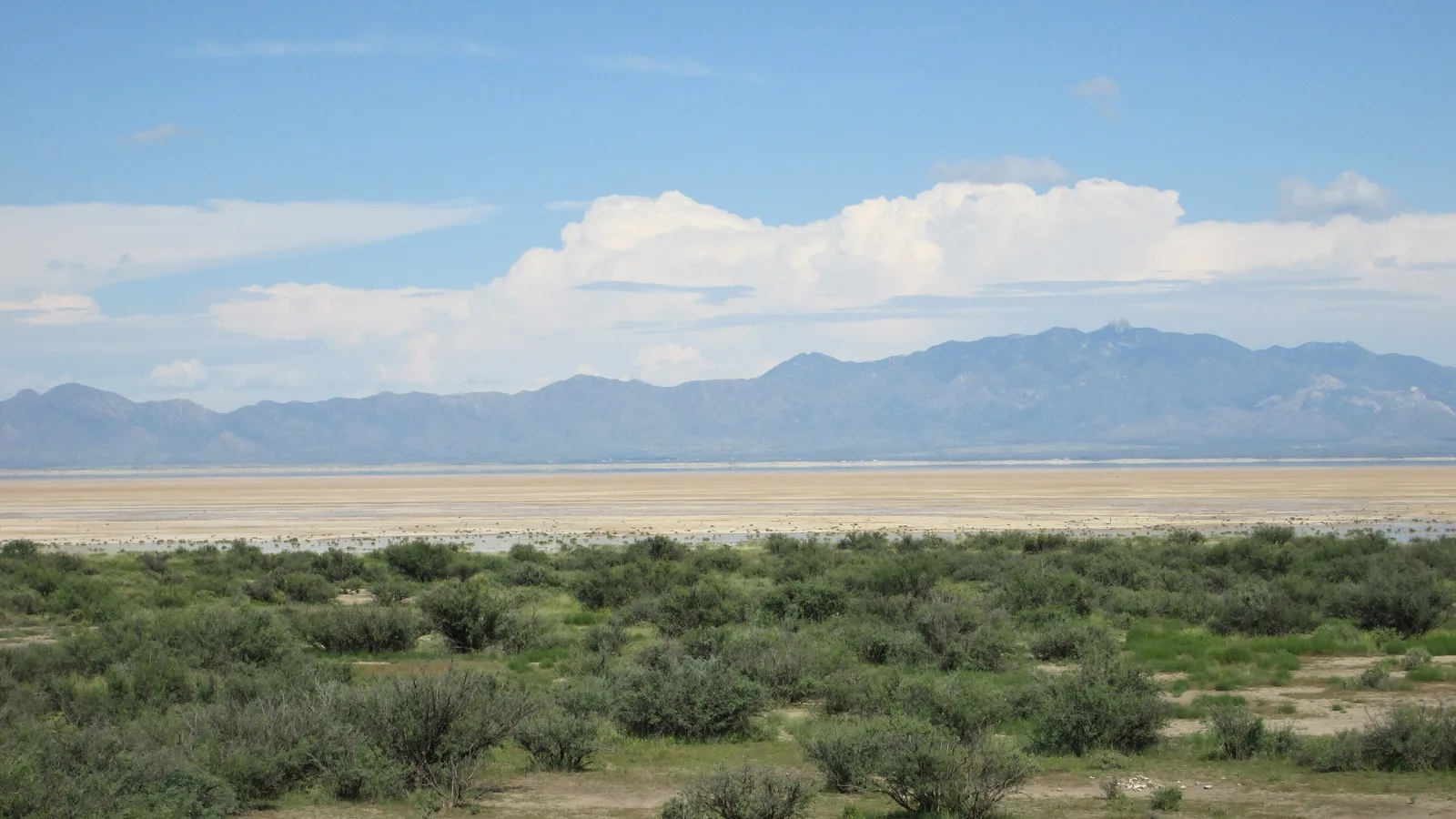
The project sits on 747 acres in Cochise County, next to an existing power plant called Apache Generating Station, which has been running since 1964. The plan is up to nine single-story computing buildings, each about 493,000 square feet, built in four phases.
The first phase would draw 1.5 gigawatts. The full thing would draw 6. The AG’s office put that in perspective: 6 gigawatts is about what the entire Phoenix metro area uses on a mild winter day. Local public radio put it at enough for roughly five million homes.
The company applying for the permit is called Tombstone Resources LLC. SpaceX’s letter says plainly that it’s a wholly owned SpaceX subsidiary, and that SpaceX will build, own and run the campus. County leaders have said SpaceX is promising about $50 billion in investment. The application estimates about 5,500 construction jobs at the peak and about 1,000 permanent jobs on site.
Where the power comes from
This is the big fight. Apache Station makes about 625 megawatts, roughly a tenth of what the campus would eventually need. Mayes asked how SpaceX plans to find the rest.
SpaceX’s answer is that Apache was never meant to cover it. The plan is to buy wholesale power from across the western U.S. grid and bring it in over transmission lines run by the local co-op, Arizona Electric Power Cooperative. SpaceX says it would pay for about $3.6 billion in transmission and substation upgrades, including restringing existing lines with wire that carries about two and a half times more power.
There’s also a huge battery bank planned on site, about 24 gigawatt hours, which SpaceX says is about four hours at full load. It says the campus can throttle down when the grid is tight. SpaceX also says it’s not asking to build a gas power plant, and that customers won’t foot the bill, since it would prepay the upgrades and post financial security before getting any power.
The water and the cranes
Data centers in the desert get a lot of side-eye over water. SpaceX says this one uses dry, closed-loop cooling with no cooling towers, and estimates just 7 to 10 acre-feet of water a year, mostly for drinking water and bathrooms. That’s tiny for a project this size.
The nearby Willcox Playa is where thousands of sandhill cranes spend the winter. SpaceX promised shielded downward lighting, bird diverters on new power lines and no open ponds.
What happens next
The AG’s office is holding a town hall on Dec. 3. The county Planning and Zoning Commission hearing is Dec. 9 at 2 p.m. in Bisbee. Even if it passes, SpaceX still needs the Arizona Corporation Commission to approve the power deal, plus state and county permits before anyone moves dirt. SpaceX also mailed postcards about the project to nearly 51,000 addresses, which is basically every home in the county.
My take
I keep seeing these AI power numbers and they still don’t feel real. One building complex wanting as much power as Phoenix is wild. Some of SpaceX’s promises are honestly better than what most data centers offer, like the tiny water use and paying for the grid upgrades itself.
But the AG is asking the right question. Saying you’ll buy power from the market isn’t the same as having it, and the lines in that area are already crowded. I think the county approves it, and then the real fight moves to the power deal.
So basically — pass it on.
Daily Updates
Get new stories in your inbox
Near-future tech when it moves. Robots, space, EVs, AI. No spam.