The Company That Wants to Beam Sunlight Down at Night Just Booked Two Rockets From India
Reflect Orbital bought two dedicated launches from Skyroot Aerospace for its space mirror satellites, citing a launch shortage.
So basically: Reflect Orbital is the startup that wants to put giant mirrors in space and bounce sunlight down to Earth after dark. Today it said it bought two whole rockets from Skyroot Aerospace, a private launch company in India, to get its satellites up there.
Not a seat on a shared ride. Two dedicated launches, where Reflect is the only customer on board.
The deal
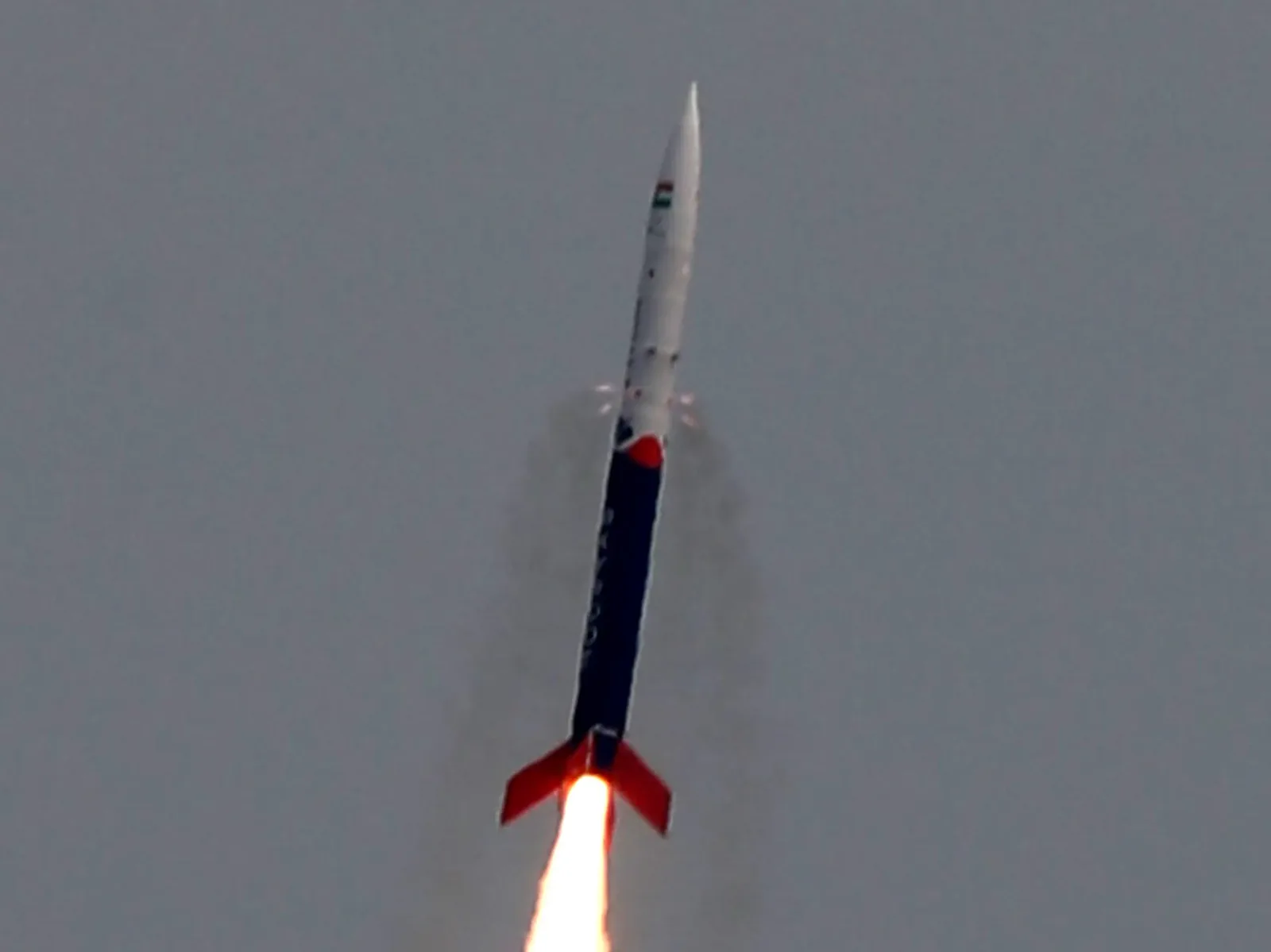
The first launch will be on Skyroot’s Vikram-1. That rocket made it to orbit on its very first flight back in July, which made it the first privately built Indian rocket to reach orbit.
Skyroot has been at this a while. Back in 2022 it became the first private company in India to launch a rocket to space at all, with a smaller suborbital rocket called Vikram-S. It can carry about 350 kg to low Earth orbit.
The second launch will be on the Vikram-1U, an upgraded version with extra boosters on the first stage. It’s supposed to fly for the first time in early 2027 and carry about 550 kg.
Neither company said what it cost or when the missions will actually fly. A Reflect spokesperson told Payload the company is “the primary and only payload at this time.”
Why go to India
Short version, it’s hard to get a ride to space right now.
”There’s a real launch capacity shortage right now,” said Reflect Orbital CEO Ben Nowack. Payload reports SpaceX has stopped taking reservations after 2029 for its Transporter rideshare program, which is how a ton of small satellites get up there. So companies are buying their own rockets to lock in a spot.
Reflect says these Indian launches go along with other launches it has planned from the US.
Skyroot’s CEO Pawan Kumar Chandana said the deal gives Reflect “schedule certainty and mission flexibility.” Skyroot became India’s first space tech unicorn in May after raising almost $60 million at a $1.1 billion valuation. Its own website literally calls its rockets “a cab service to space.”
What the mirrors are for
The idea is a satellite with a big reflective surface that catches sunlight and points it at a specific spot on the ground, even when it’s dark there.
Reflect lists a few uses:
- Keeping solar farms making power after the sun goes down
- Lighting up an area so search and rescue teams can find people at night
- Giving construction crews light to work safer after dark
In July, the FCC gave Reflect approval to fly its first mirror satellite, called Eärendil-1. The long term plan is way bigger, a constellation of about 50,000 mirrors, according to Payload.
The pushback
Not everybody’s a fan. Astronomers are worried about extra light in the night sky messing with telescopes, and people who just like seeing stars aren’t thrilled either. The European Southern Observatory even put out a projection of how much scattered light 50,000 of these could add.
Nowack seems to know that’s the fight. He said the company “will continue to work with astronomers, local communities and regulators to earn the right to scale.”
My take
I’ll be honest, this one makes me a little nervous. Bouncing light onto a solar farm at night sounds cool and the search and rescue use is legit. But 50,000 mirrors in the sky is a lot, and I kind of like the night being dark.
The launch part is the bigger story to me. A US company buying rockets from India because it can’t get on a SpaceX rideshare tells you how tight things are. Getting to space is turning into a waiting line.
Good news for Skyroot though. One clean first flight and you already have American customers buying whole rockets. That’s how you build a launch company.
So basically — pass it on.
Daily Updates
Get new stories in your inbox
Near-future tech when it moves. Robots, space, EVs, AI. No spam.