Google Signed Up for 50 Megawatts of Superhot Geothermal Power From Quaise
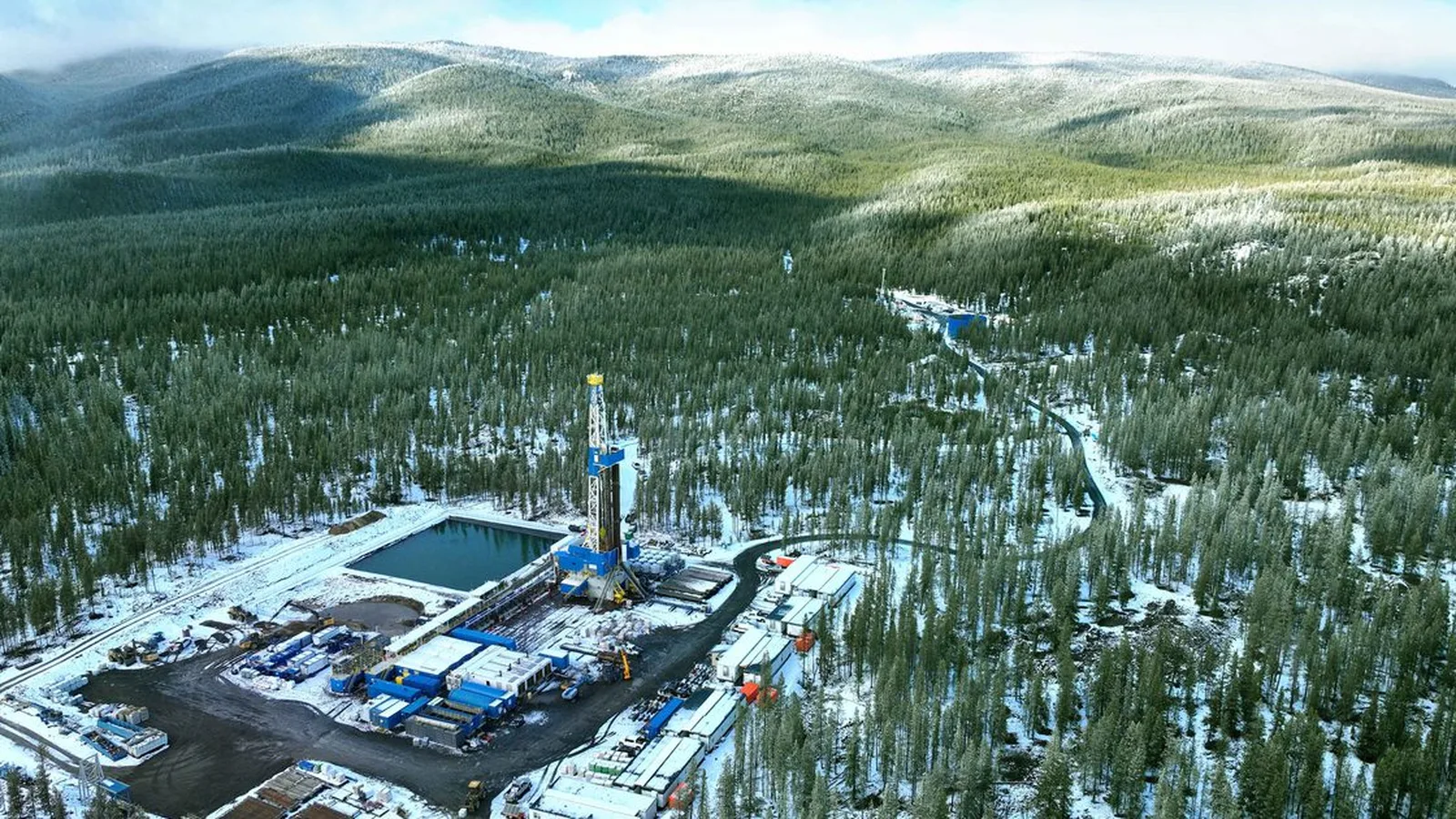
Quaise Energy signed a 15-year deal to sell Google 50 MW of superhot geothermal power from Project Obsidian in central Oregon starting as early as 2030. A later phase is set to be the first to use millimeter wave drilling.
So basically: Google just agreed to buy 50 megawatts of power from a geothermal startup called Quaise Energy. The power will come from Project Obsidian in central Oregon, a plant built to tap superhot rock deep underground. The deal runs 15 years and the power could start flowing as early as 2030. It’ll help run Google’s data centers in The Dalles, Oregon, and feed the local grid.
Why superhot rock is such a big deal
Normal geothermal plants use pockets of hot water that are already sitting underground. Those reservoirs rarely get hotter than about 600°F, and they only exist in certain spots.
Superhot geothermal goes deeper and hotter. Quaise says it can make up to 10 times more power per well. The U.S. Department of Energy’s ARPA-E program puts real numbers on that. A normal geothermal well tops out around 5 to 10 megawatts. A well in rock hotter than 705°F could make 30 to 50 megawatts or more.
More power per well means fewer wells to drill, and drilling is the expensive part.
Yesterday I wrote about Mazama Energy, another Oregon company that kept its drill tools cool in 645°F rock. Two days, two big superhot geothermal stories from the same state. This one is different because it has a big customer actually signing up to buy the power.
The cool part is the drill
Quaise is best known for something called millimeter wave drilling. Instead of grinding through rock with a drill bit, it sends high power millimeter waves, a kind of microwave beam, down the hole to melt and vaporize the rock. The company spun out of more than a decade of research at MIT, and the system is built to plug into regular drilling rigs.
Here’s the catch. Project Obsidian won’t use that right away. The plan has two phases:
- Phase one uses regular drilling to reach superhot conditions at commercial scale
- Phase two is supposed to be the first in the world to use millimeter wave drilling
So the first power from this deal leans on proven drilling. The wild new tech comes after.
The numbers around the deal
- 50 MW for 15 years, with Google buying all of it
- The plant is targeting an average reservoir temperature over 572°F
- The Wall Street Journal reported the deal is worth more than $500 million, but neither company confirmed that number
- Quaise closed a $180 million funding round in August, including $35 million from drilling company Nabors
- The Department of Energy awarded it up to $25 million in September
- Quaise expects 200 to 400 construction jobs and more than 50 permanent jobs
Google says its three Oregon data center campuses already run on 83% carbon free energy. From 2010 through 2025, Google signed more than 240 clean energy deals adding up to nearly 35 gigawatts.
Why Google wants this
Data centers run around the clock, and AI is making them hungrier. Solar and wind are cheap, but they come and go with the weather. Geothermal runs all day and all night, every day. That’s why tech companies keep showing up in geothermal deals. They want clean power that never clocks out.
My take
This is the kind of deal that actually moves a technology forward. A press release about a cool drill is nice, but a 15 year contract from Google is what gets a power plant built. I do want to be fair about it, though. 2030 is still a ways off, and the millimeter wave drilling everybody gets excited about is in phase two, not phase one. So this isn’t proof the beam drill works yet. It’s proof that a giant customer believes superhot geothermal is worth paying for. If Quaise and Mazama both pull this off, Oregon could end up being where this whole industry gets started.
So basically — pass it on.
Daily Updates
Get new stories in your inbox
Near-future tech when it moves. Robots, space, EVs, AI. No spam.