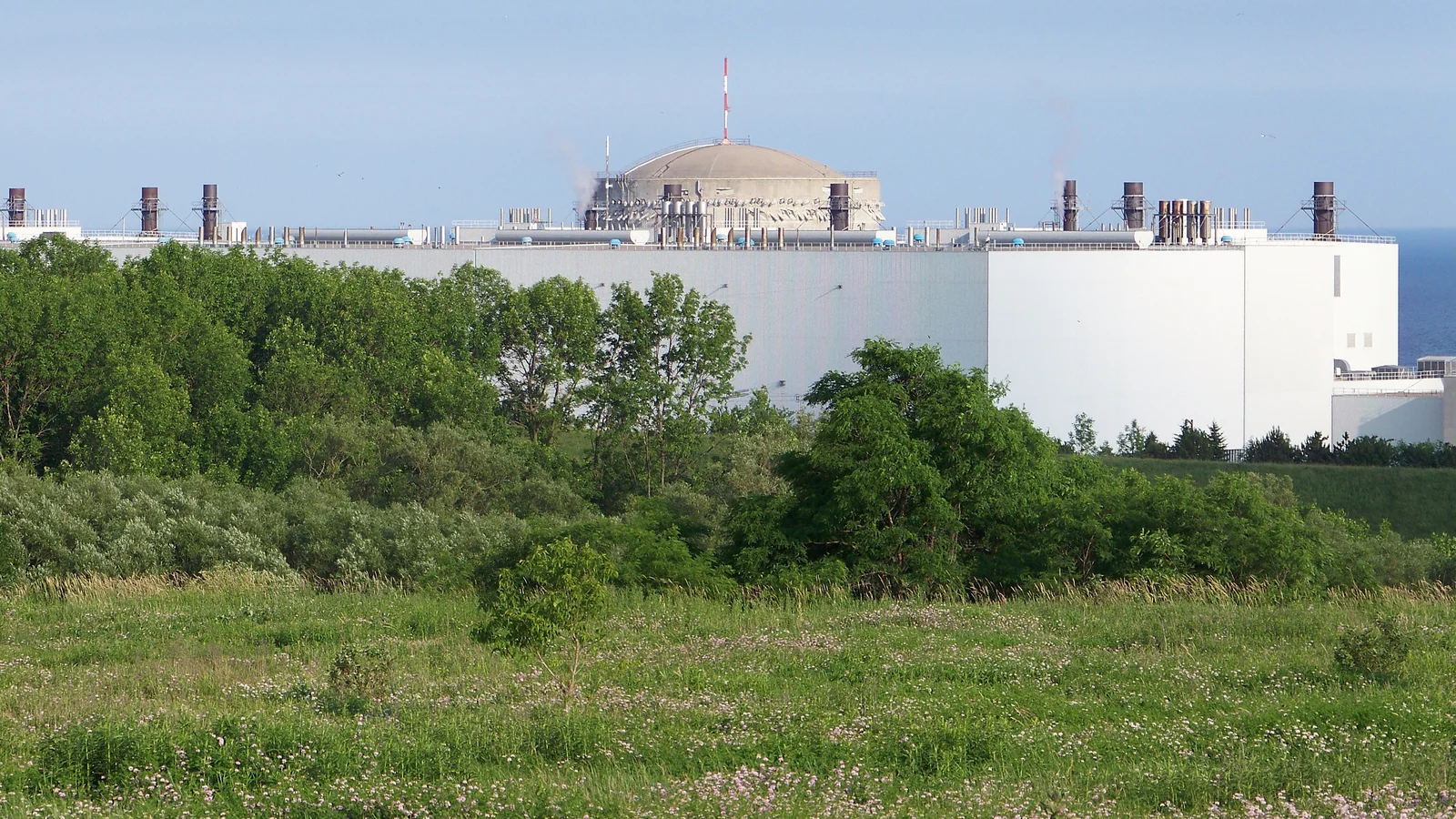
The First Small Nuclear Reactor in the G7 Is Running Late and Over Its $7.7 Billion Budget
Ontario Power Generation says the first BWRX-300 small modular reactor at Darlington will miss its October 2030 start date and go over its C$7.7 billion budget. A new cost and schedule is due by mid-2027.
So basically: The small nuclear reactor that was supposed to prove this whole idea works is running behind. Ontario Power Generation, the power company owned by the province of Ontario in Canada, says its first BWRX-300 reactor at the Darlington site won’t be done by October 2030, and it won’t come in under its C$7.7 billion budget either. That’s about US$5.4 billion.
Why this one matters so much
You hear a lot about “small modular reactors,” or SMRs. The pitch is simple. Instead of building one giant nuclear plant that takes 15 years, you build smaller reactors that are easier to copy, faster to put up and cheaper over time.
Darlington is supposed to be the first one of these built in any G7 country. Everyone else planning these reactors has been watching it. So when it slips, people notice.
The reactor itself is designed by GE Vernova Hitachi Nuclear Energy. Each one makes about 300 megawatts of electricity. It’s a water-cooled design that uses natural circulation and passive safety systems, so it can cool itself down without pumps in an emergency.
What went wrong
OPG put it pretty plainly. The delay “reflects GE Vernova Hitachi (GEVH) Nuclear Energy’s ongoing engineering for its first-of-a-kind SMR, which has impacts on construction execution and supply chain performance.”
In normal words, the design work isn’t totally finished, and you can’t build what isn’t fully drawn yet. That slows down the construction crews and the companies making parts.
GE Vernova Hitachi pushed back a little. A spokesperson told The Globe and Mail there are “multiple interconnected contributions across engineering, procurement and construction,” plus inflation and global politics messing with costs.
OPG CEO Nicolle Butcher said the company wants “a cost and schedule outlook that we can stand behind.” OPG says that new number should be mostly finished by mid-2027.
How far along it is
This isn’t a project that’s just drawings. Here’s what’s actually happened, according to World Nuclear News:
- Site prep started in fall 2022
- Canada’s nuclear regulator gave OPG a license to build the first unit in April 2025
- Ontario approved a C$20.9 billion budget for all four planned reactors the next month
- Big parts like the reactor pressure vessel have already been bought
- In April, a giant foundation piece called the basemat was set into place 35 meters underground, which is about 115 feet
So there’s a real hole in the ground with a real reactor foundation in it.
The bigger promise
When Ontario approved the project, its energy ministry said the four reactors would create up to 18,000 jobs and add C$38.5 billion to Canada’s economy over 65 years. It’s also the first new nuclear build in Ontario in more than 30 years.
That’s a lot riding on the first unit. The whole point of building four is that the second, third and fourth get cheaper and faster because you learned on the first one. If the first one turns into a mess, it makes the math on the rest harder to trust.
Why Americans should care
The same BWRX-300 design is being looked at by power companies in the U.S. and other countries too. Darlington is basically the test run for all of them. Every delay and every extra dollar here shows up in somebody else’s planning.
It’s also a reminder that even the “small” version of nuclear is still a big construction job. We wrote yesterday about Oklo getting cleared to fully run its Groves-1 facility in Texas. Different design, different company, but the same question hangs over all of them. Can anybody actually build these on time?
My take
I’m still pro nuclear. Steady power that doesn’t care if the wind’s blowing is hard to beat. But first-of-a-kind anything always runs late, and nuclear is the king of that. The honest part here is OPG saying it out loud now instead of hiding it until 2030. What I’ll be watching is unit two. If that one goes faster and cheaper, the idea still works. If it doesn’t, SMRs have a real problem.
So basically — pass it on.
Daily Updates
Get new stories in your inbox
Near-future tech when it moves. Robots, space, EVs, AI. No spam.