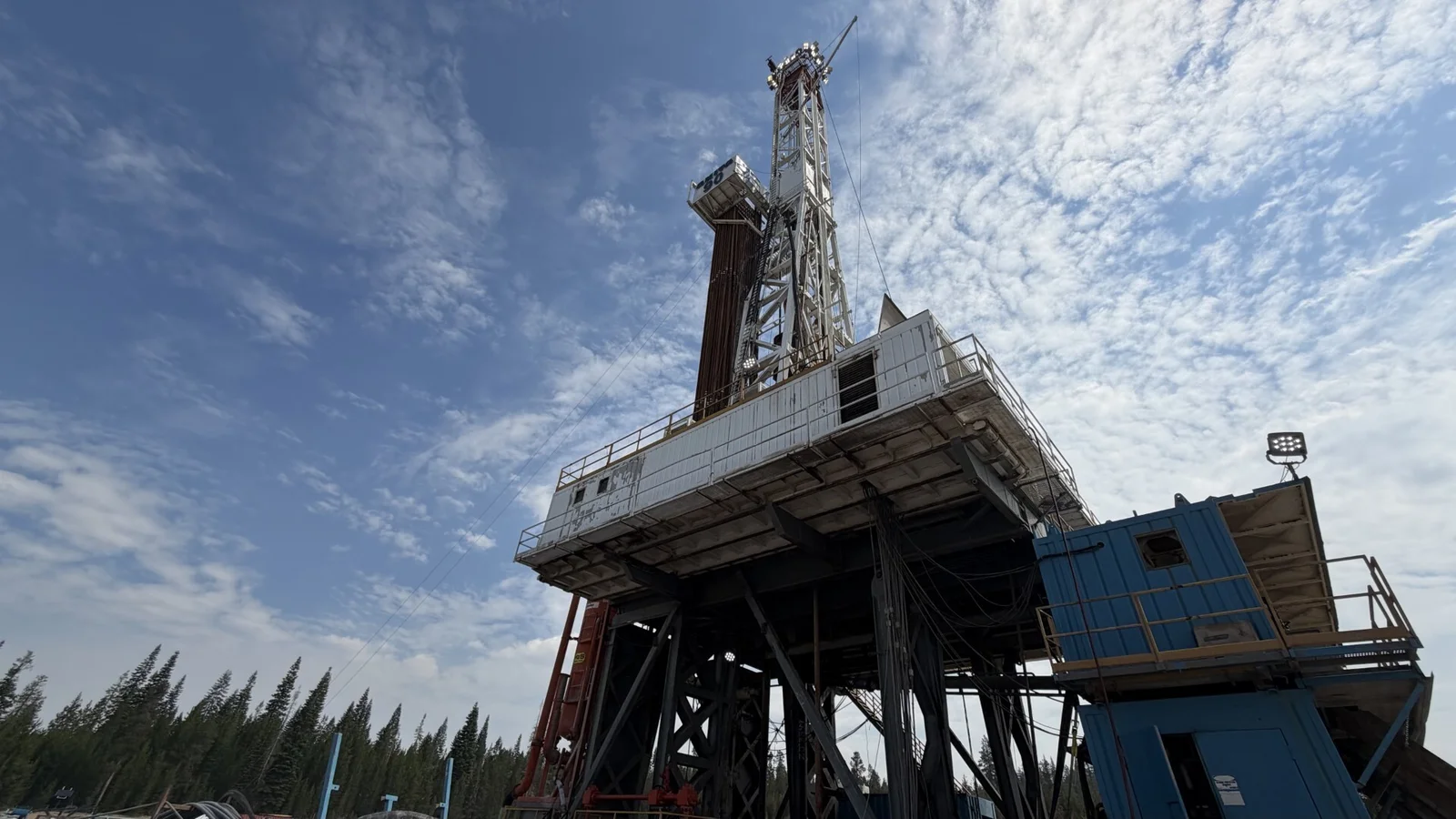
Mazama Drilled Through 645°F Rock and Kept Its Tools Cool With Supercritical CO2
Oregon geothermal startup Mazama Energy says its Carbon Chill system used supercritical carbon dioxide as a drilling fluid for the first time in a deep geothermal well, keeping tools at 195°F in 645°F rock and drilling 20% faster.
So basically: A geothermal company called Mazama Energy just drilled through rock that was 645°F while keeping its drilling tools down at 195°F. The trick was pumping supercritical carbon dioxide down the hole instead of the usual drilling mud. Mazama calls it Carbon Chill, and it says this is the first time anyone has used supercritical CO2 as a drilling fluid in a deep geothermal well. It also drilled 20% faster.
Why drill into rock that hot?
Most geothermal power plants today use underground heat that’s warm, but not crazy hot. The big prize is what the industry calls superhot rock, anything above 705°F, or 374°C.
That number isn’t random. It’s the point where water goes supercritical, a weird state where it’s not really a liquid or a gas anymore. Water in that state can carry a lot more energy up to the surface. So a single superhot well could make way more electricity than a normal geothermal well. That means fewer wells, less land and less money per megawatt.
The problem is the heat itself. It cooks the equipment you need to drill there.
What actually breaks down there
When you drill sideways or at an angle, which is how a lot of modern geothermal wells work, you need steering tools near the drill bit. Those tools are packed with electronics that tell the crew exactly where the bit is and where it’s heading.
Electronics hate heat. Push them too far past their limit and they fail, and then you’re drilling blind or pulling the whole string back up to swap parts. That’s slow and expensive.
How Carbon Chill fixes it
Instead of regular drilling fluid, Mazama pumps down supercritical CO2. That’s carbon dioxide squeezed and heated past the point where it acts like both a gas and a liquid at once. In that state it flows easily and does a great job pulling heat away.
Here’s what Mazama says happened in the test:
- The rock was 645°F
- The tools at the bottom of the hole stayed at 195°F
- Drilling speed went up 20%, to 92 feet per hour, compared with normal drilling
- The steering tools stayed well under their heat limit the whole time
The test happened back in August at Mazama’s Athena Project near Newberry Volcano in central Oregon. The company announced it on Monday.
Mazama has been on a run
This isn’t its first big number at Newberry:
- In 2025, it set up what it calls the world’s hottest engineered geothermal pilot, at 629°F
- In 2026, a new well cut drilling time by 80% to reach the same depth as a well from the year before
- It just closed a Series B funding round with oil and gas names like Shell Ventures and ConocoPhillips, plus Khosla Ventures and Gates Frontier
CEO Sriram Vasantharajan put it simply: “Temperature is what makes superhot geothermal so powerful but also what makes it the hardest to drill.”
What’s still missing
This was a drilling test, not a power plant. Mazama didn’t say what the system costs to run, and it hasn’t made electricity from superhot rock yet. Its 645°F rock is also still below that 705°F superhot line. The next step is showing all of this works together in a well that actually feeds a power plant.
My take
This is one of my favorite kinds of energy stories, because it’s a plain engineering fix to a real wall. Everybody knows superhot rock could be a monster source of clean power that runs day and night. The hard part has always been that the heat fries your tools. Keeping the electronics at 195°F in 645°F rock, and drilling faster while doing it, is a big deal. And I like that oil and gas companies are putting money in. Those are the people who know drilling better than anyone, and they’re betting this is where their skills go next.
So basically — pass it on.
Daily Updates
Get new stories in your inbox
Near-future tech when it moves. Robots, space, EVs, AI. No spam.