A 600 MWh Battery in Utah Ran for Eight Weeks Before Anyone Announced It
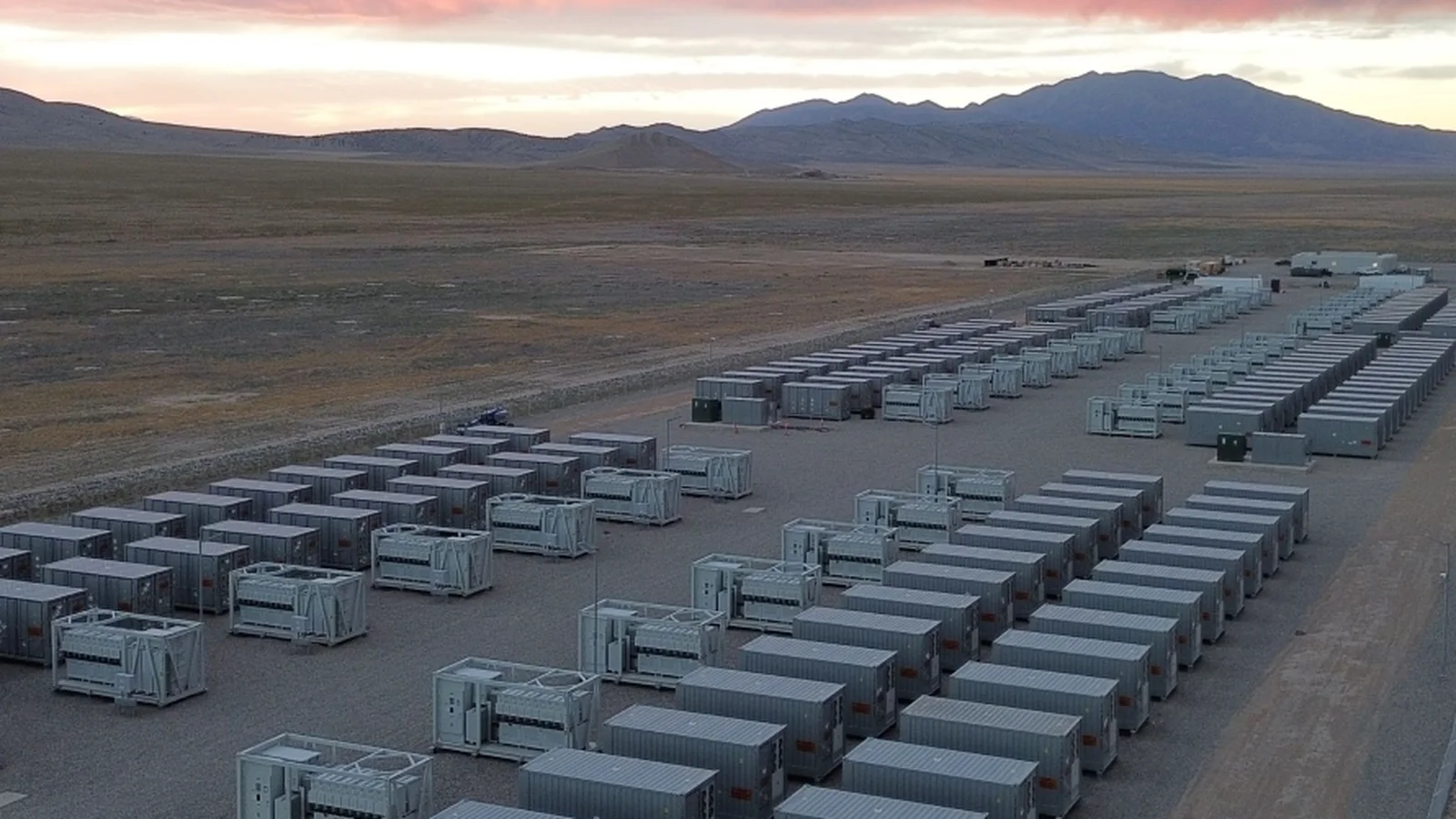
Lydian Energy's Faraday battery, a 150 MW, 600 MWh system in Utah County, has been running since Sept. 18 and supports Meta's Eagle Mountain data center through a deal with PacifiCorp. It went from start of work to operation in about 10 months.
So basically: A huge battery in Utah County, Utah, has been quietly feeding the grid since September 18, and the company behind it only announced it last week. It’s called Faraday BESS, it’s owned by Lydian Energy, and it can store 600 megawatt hours of electricity. Part of the reason it exists is to help power Meta’s data center in Eagle Mountain.
How big is 600 MWh?
The battery is rated at 150 megawatts for four hours. That means it can push out 150 MW of power, steady, for four hours straight before it runs dry.
To put that in normal terms, a typical U.S. home uses around 30 kWh a day. So a full charge of this battery is enough energy to cover tens of thousands of homes for a day, or a lot more homes during the few hours each evening when demand spikes.
It uses lithium iron phosphate, or LFP, batteries. That’s the same chemistry going into a lot of cheaper EVs. It lasts a long time and is less likely to catch fire than some other types.
The surprising part
The battery started running on September 18. Lydian announced it on November 10. That’s almost eight weeks of a 600 MWh battery doing its job before anyone made a big deal about it.
It also went up fast. Lydian says it took about 10 months from moving equipment onto the site to commercial operation.
How it went up so quickly
The trick was building it right next to something that already existed. The battery sits on about eight acres next to the 525 MW Faraday solar farm. It shares that solar farm’s substation and its connection to the grid.
Getting a new grid connection is one of the slowest parts of any energy project in America. Some projects wait years in line. By plugging into a connection that was already there, Lydian skipped a lot of that wait.
Where Meta fits in
The battery’s power is sold to PacifiCorp, the utility that runs Rocky Mountain Power in Utah. It’s set up through a program called Schedule 34, which lets big customers pay for specific clean energy projects. In this case, that customer is Meta and its Eagle Mountain data center.
Meta’s Amanda Yang said the company’s investments in new energy “are helping projects like Faraday BESS reach the grid.”
This is becoming a pattern. Data centers need tons of steady power, and tech companies are paying to get new batteries and solar built so they can grow without straining the grid for everyone else.
The numbers
- 150 MW / 600 MWh, four hour battery
- About 8 acres
- About 10 months from start of work to operation
- More than $8 million in new property taxes for Utah County over the project’s life
- Paid for in part by a $689 million financing deal in February led by CIBC and MUFG
There’s a part two
Lydian is already working on Faraday BESS 2 at the same site. That one would be up to 375 MW / 1,500 MWh, more than twice as big, with a target of the end of 2028.
My take
This is one of those stories that’s easy to skip, but it shows how fast the grid is actually changing. A battery this size used to be headline news. Now one shows up, runs for two months and gets a press release almost as an afterthought. The smart move here was reusing a solar farm’s grid hookup, which is how you get something built in 10 months instead of five years. I’d like to see a lot more of that. And if big tech wants giant data centers, I’d rather see them paying for new batteries like this than leaning on everyone else’s power bills.
So basically — pass it on.
Daily Updates
Get new stories in your inbox
Near-future tech when it moves. Robots, space, EVs, AI. No spam.