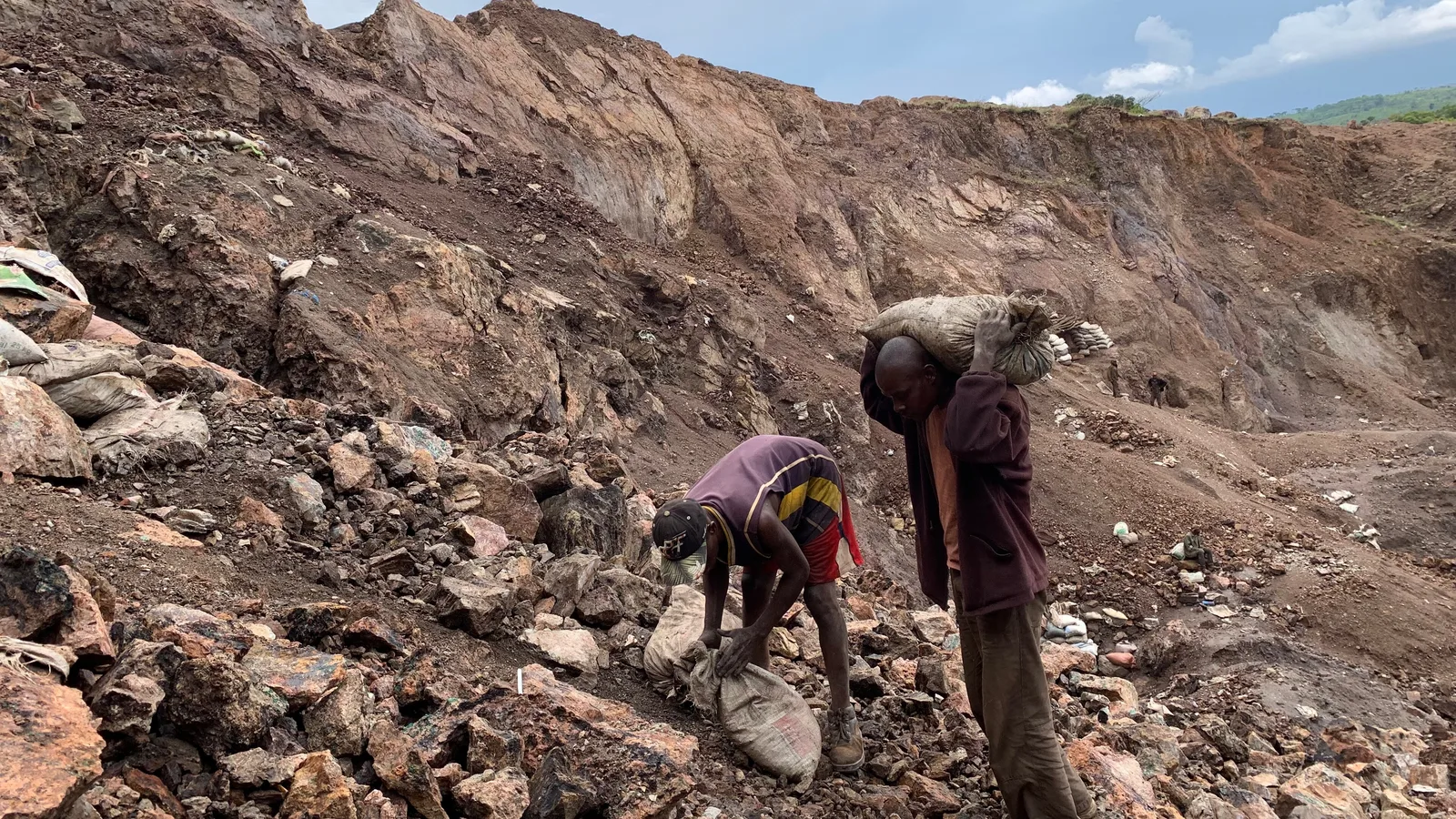
Congo Is Banning All Cobalt Exports Starting Nov. 30, and It Makes Most of the World's Supply
The Democratic Republic of Congo, which mines about three quarters of the world's cobalt, will stop all cobalt exports on Nov. 30, 2026. It's the country's second ban in under two years, aimed at pushing prices back up. Cobalt is a key metal in many EV and phone batteries.
So basically: The Democratic Republic of Congo is shutting off all of its cobalt exports starting Nov. 30. That’s a big deal because Congo mines about three quarters of the world’s cobalt, a metal used in a lot of EV, phone and laptop batteries. The country’s mining regulator, ARECOMS, announced it this week. There’s no end date. It stays in place until the regulator decides to lift it.
What the ban covers
ARECOMS says the ban covers cobalt from every kind of mining in the country, from big industrial mines all the way down to small artisanal digs. The rules are strict:
- Companies have until Nov. 29 to finish any exports for November
- Nothing ships after that, even if it was already approved
- Cobalt that was allowed but didn’t ship won’t be added back later
- Export quotas already handed out for 2026 and 2027 aren’t guaranteed when exports restart
The regulator says it will review the ban after four months. Even then, exports only come back when it publishes a new decision with new volumes, quotas and conditions.
Why ban something you sell?
It sounds backwards, but it’s about price. Cobalt prices have been sliding all year. ARECOMS pointed to slower global demand, piles of cobalt sitting in storage and what it called speculative trading.
According to S&P Global’s Platts pricing:
- Cobalt metal in Europe was $18.15 a pound on Nov. 20, down 24% since January
- Cobalt hydroxide, the semi processed form Congo ships the most, was $12.70 a pound on Nov. 23, down 49% this year
When one country produces most of the supply, it can push the price up just by holding it back. That’s what Congo is betting on.
Congo has done this before
This is the second ban in under two years. Congo first banned cobalt exports on Feb. 22, 2025, for the same reason. It extended that ban, then replaced it with a yearly quota system in October 2025.
From January to September this year, Congo exported about 61,441 metric tons of cobalt metal content, according to its mining ministry.
Traders didn’t see a full ban coming. Most expected tighter quotas. One told S&P it was “causing a bit of pandemonium in the metals market.” Another said nobody was offering to sell, and everyone was waiting to see how it shakes out.
What it means for EVs
Not every EV battery uses cobalt. LFP batteries, which use lithium iron phosphate, don’t use any. Tesla uses LFP in some standard range cars and in its home and grid batteries, and most Chinese EV makers lean heavily on it.
But nickel based batteries, the kind used in a lot of longer range EVs, do use cobalt. So do most phone and laptop batteries. Cobalt is also used in jet engine parts.
Battery makers and car companies usually hold some stock, so you won’t see a price jump on a new car next week. The bigger effect is longer term. Every time Congo does this, it gives automakers another reason to cut cobalt out of their batteries completely.
My take
This is a good reminder of how fragile some of the EV supply chain is. One regulator in one country can make a decision and the whole market freezes up in a day.
I don’t blame Congo for wanting a better price. It’s their resource, and a lot of the people digging it out by hand earn very little. But if I’m a carmaker, this is the second time in two years I’ve been reminded not to depend on one country for a key metal. I’d expect even more of a push toward LFP and other cobalt free batteries after this, and honestly that’s probably a good thing.
So basically — pass it on.
Daily Updates
Get new stories in your inbox
Near-future tech when it moves. Robots, space, EVs, AI. No spam.