China Started Digging a 21.6 Kilometer Train Tunnel Under a Lake, and One Machine Has an AI Driver
On Oct. 29, 2026, two 14 meter wide tunnel boring machines started digging the Taihu Lake tunnel for the Wuxi to Yixing S2 rail line in China. The tunnel is 21.6 km long, the first big bore tunnel under Taihu Lake, and one of the machines runs on an AI system meant to operate itself.
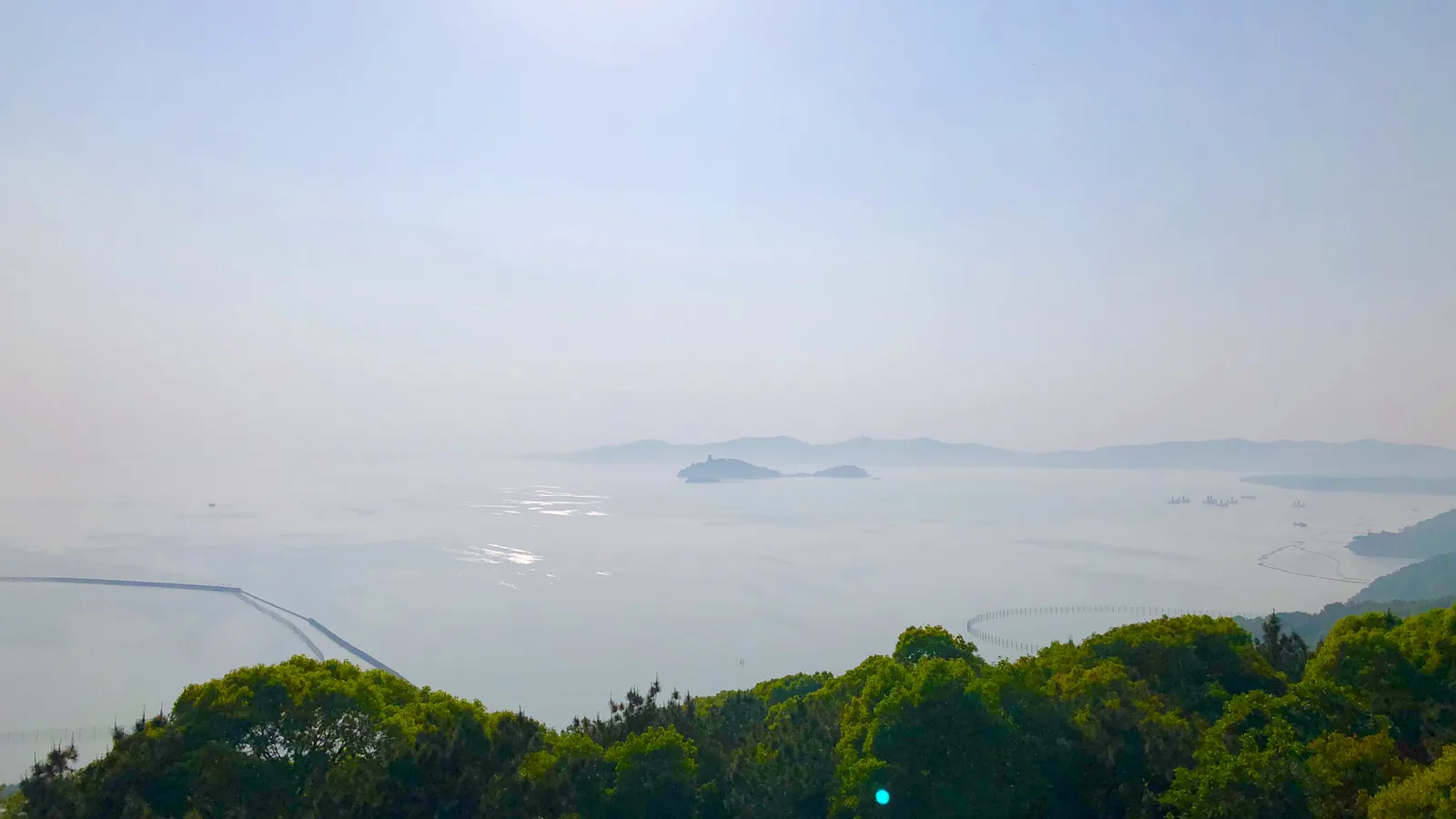
So basically: China just started digging a train tunnel under Taihu Lake, a huge lake in Jiangsu Province near Shanghai. The tunnel section is 21.6 kilometers long, a little over 13 miles. On Oct. 29, 2026, two giant tunnel boring machines started chewing their way in at the same time.
It’s the first tunnel this big ever dug under Taihu Lake. Chinese media are already calling it “the first tunnel of the vast Taihu.”
What it’s for
The tunnel is part of the Wuxi to Yixing S2 Line, a new rail line between two cities on the lake. Here are the basics:
- The whole line is 61.48 kilometers long
- Trains are designed to run at 160 km/h, about 100 mph
- It’ll have 9 stations, with 7 underground and 2 elevated
- A trip from Yixing Station to Taihu New City Station should take about 32 minutes
The plan is to link up airport, train station and high speed rail hubs in the area, including Wuxi Shuofang Airport, Wuxi Railway Station and Yixing’s high speed rail station.
The lake tunnel is the hardest part of the whole project. The route crosses two bays of the lake, Meiliang Lake and Zhushan Lake, plus a peninsula called Mashan.
The machines are monsters
The tunnel will be a single giant tube with tracks for trains going both directions inside it. To dig a hole that big, the project is using four tunnel boring machines in the 14 meter class, split across five sections.
The first two started on Oct. 29:
- Xianfeng (it means “Pioneer”): 14.02 meters wide, about 112 meters long, and about 3,200 tonnes
- Xiwang: 14.08 meters wide, about 132 meters long, and about 3,600 tonnes
For a sense of scale, 14 meters is about as tall as a four story building. And a 132 meter machine is longer than a football field, end zones included.
Xianfeng was built by China Railway 14th Bureau Group with CRCHI, a Chinese tunnel machine maker. It’s digging a land stretch first. Xiwang is going straight into a stretch under the water.
The AI part
This is the part that got me. Both machines run smart digging systems, but they go further than I expected.
Xianfeng carries something called the Shenyuan large model. According to China’s Science and Technology Daily, it has more than 200 billion parameters and was trained on huge amounts of tunneling data plus more than 800,000 academic papers and books. Basically, they built a giant AI that only knows how to dig big tunnels, and they put it in charge of helping steer the machine.
Xiwang has what the paper calls an AI “shield driver”, a system named Digital Intelligent Shield 2.0. The goal is for the main digging steps to run on their own, start to finish.
I want to be clear that people are still running this job. But the plan is for software to handle more and more of the actual driving.
Why digging under a lake is hard
Tunneling under a lake isn’t like digging under a field. The ground here is uneven, with soft spots and hard rock mixed together. If the machine digs wrong, the ground above can sink, and under a lake that’s a big problem.
So the machines have special cutting heads with different types of cutters, a high power rock crusher, and systems that watch for the tunnel rings shifting. They also use a slurry system, a mud mix that supports the ground while digging, and they recycle it to keep the lake clean. The project lead said long distance tunneling under the lake has strict rules on sinking, pollution and risk.
What we don’t know
None of the sources I read gave a finish date or a total price for the line. So I can’t tell you when you’d actually ride it.
My take
A 13 mile tunnel under a lake would be a big deal anywhere. What makes this one different is the AI driver. Tunnel boring is slow, dangerous, and depends a lot on experienced operators reading the ground. If a machine can learn from 800,000 papers and a pile of past jobs, and steer itself under a lake, that could change how fast big tunnels get built everywhere.
So basically — pass it on.
Daily Updates
Get new stories in your inbox
Near-future tech when it moves. Robots, space, EVs, AI. No spam.