ULA's Vulcan Rocket Fails for the First Time, and 40 Amazon Leo Satellites Go Down With It
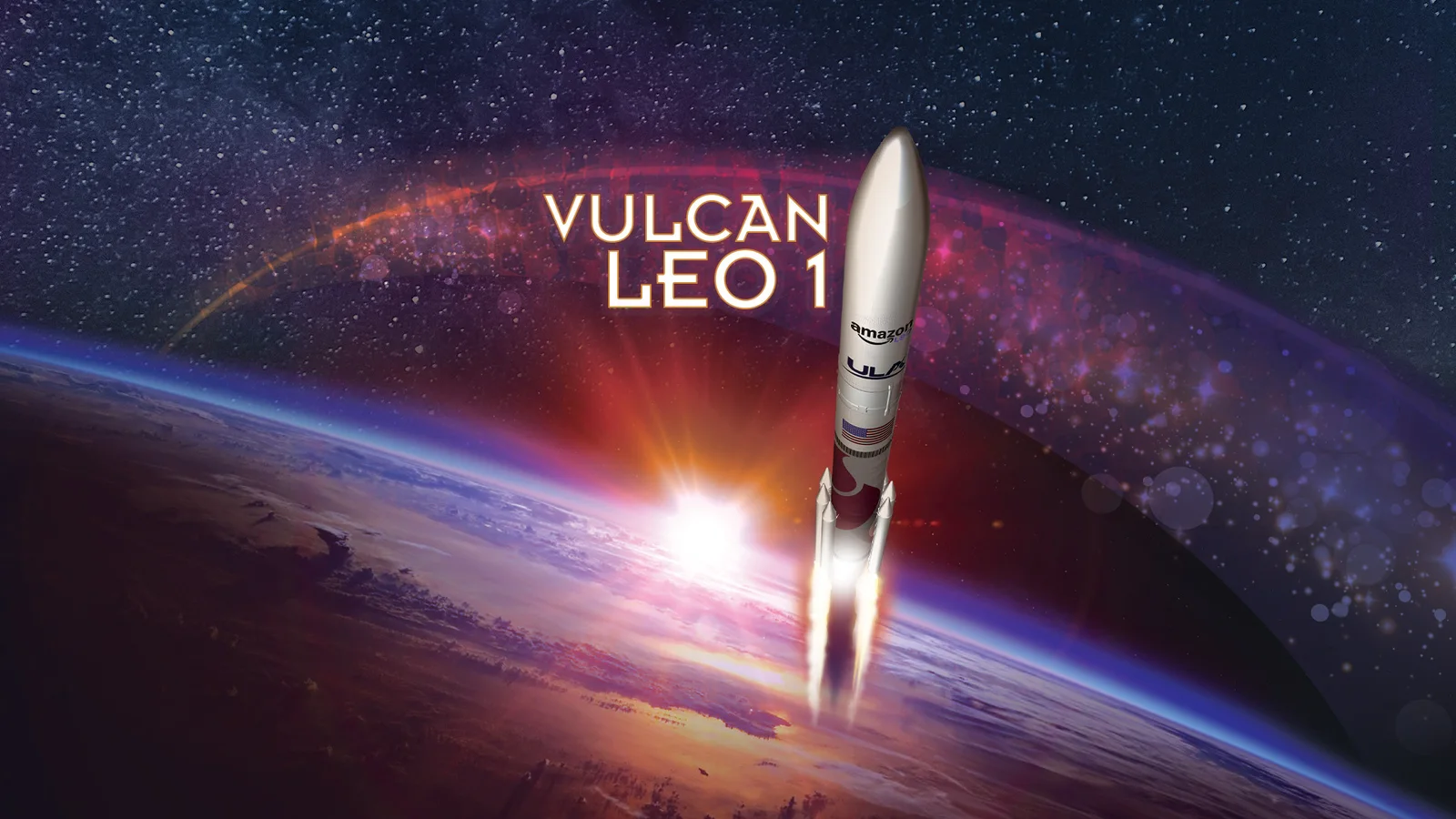
A Vulcan rocket carrying 40 Amazon Leo internet satellites failed about 10 minutes after launch from Cape Canaveral on Nov. 15, the first outright mission failure in United Launch Alliance's 20 year history.
Update, Nov. 17: ULA’s first look points at the first stage, not the upper stage. It says the booster underperformed right after liftoff, so the stages split too low and too slow to reach orbit. The Centaur V upper stage started normally but couldn’t make up the difference, and the solid boosters looked normal. The FAA is overseeing the investigation. (ULA)
So basically: On Sunday, a United Launch Alliance Vulcan rocket lifted off from Cape Canaveral with 40 Amazon Leo internet satellites on top. About 10 minutes later, something went wrong with the upper stage and the satellites never made it to orbit. It’s the first outright mission failure ULA has had since the company was formed back in 2006. That’s a 20 year streak, gone in one afternoon.
What happened
The rocket launched at 12:40 p.m. Eastern from Space Launch Complex 41, right at the end of its launch window after a hold at 20 seconds before liftoff for a technical issue. The first part of the flight looked normal. The six strap-on solid boosters burned out and dropped away, and the two BE-4 engines kept pushing the rocket up.
Then the Centaur V upper stage took over for what was supposed to be a burn of about 12 minutes. ULA says the anomaly happened during that phase. About 50 minutes after launch, the company confirmed the rocket “failed to deliver the Amazon mission to orbit.”
Spaceflight Now noticed a few odd things on the broadcast. The first stage seemed to burn longer than planned, it separated later than expected, and the animation showed the Centaur making strange turns early in its burn. Nobody knows yet if any of that is the cause.
The rocket, by the numbers
- 214 feet tall
- 3.8 million pounds of thrust at liftoff
- Six solid rocket boosters plus two methane burning BE-4 engines
- Upper stage powered by two RL10 hydrogen engines
- This was only the fifth Vulcan flight ever, and the first in about nine months
It also took a few tries just to get off the ground. Friday’s attempt was scrubbed when a nitrogen plant that serves several launch companies went down, and Saturday was called off because of network problems between the rocket and the ground.
Why this hurts Amazon
Amazon is building Amazon Leo, its answer to Starlink. It needs more than 3,300 satellites to finish the network. This launch would have pushed the total launched to 436.
This was the first of 38 Vulcan launches Amazon bought. ULA had already flown eight Leo missions on its older Atlas V rocket. Amazon also has launches booked on Blue Origin’s New Glenn, Europe’s Ariane 6 and SpaceX’s Falcon 9.
The problem is that New Glenn is grounded too, after it blew up on the pad in May. That explosion was traced to an oxygen valve in one of its BE-4 engines. The BE-4 engines on Sunday’s Vulcan had been retrofitted with Blue Origin’s fix. So right now, two of Amazon’s main rockets are sitting on the ground waiting on investigations.
Vulcan already had issues
This isn’t Vulcan’s first rough patch. Solid booster nozzle problems showed up on two earlier flights, one in 2024 and one this past February. ULA could keep flying commercial missions, but the Space Force put national security launches on Vulcan on hold while it looked into it. The boosters looked fine on Sunday, but now there’s a whole new problem to solve.
NASA Administrator Jared Isaacman offered help right away. “Artemis, Moon Base, and the nation need ULA,” he wrote on X. “We are in your corner and here to help.”
What happens next
ULA says it will work with Amazon to find the cause and return to flight “as quickly as possible.” Failure investigations usually take months, and Vulcan will most likely stay grounded until engineers know exactly what broke and how to fix it.
My take
This one stings, and not just for Amazon. A lot of people forget how much the U.S. needs more than one company that can launch big stuff. Right now, SpaceX just caught a Starship out of the sky, and two of its biggest competitors are grounded in the same year. That’s not a great place to be. I’m not going to pile on ULA, though. Rockets are hard, and a 20 year run without a total failure is honestly impressive. What matters now is how fast and how honestly they figure it out. I’ll be watching for that report.
So basically — pass it on.
Daily Updates
Get new stories in your inbox
Near-future tech when it moves. Robots, space, EVs, AI. No spam.