UCLA Built a Walking Humanoid Robot That Uses a $50 Phone as Its Brain
UCLA's PhoneBot is a 19 inch humanoid that runs on a cheap or old Android phone, even a 2017 Honor 9. The rest of the robot costs about $400, and the designs are open source.
So basically: Researchers at UCLA built a small humanoid robot that uses a regular Android phone as its brain. The phone sits in the robot’s chest and does the seeing, the balancing and the thinking. The rest of the robot costs about $400 in parts, and the phones they tested cost $50 to $80.
It’s called PhoneBot, and it comes from UCLA’s Robotics and Mechanisms Laboratory, which is run by Dennis Hong. The team posted the paper online in early October, and it’s been making the rounds this past week.
How a phone runs a robot
Think about what’s already inside your phone. A camera. A motion sensor that knows which way is up. A decent processor. Wi-Fi. A screen and a speaker.
A normal research robot needs all of those as separate parts, and every one of them costs money and adds wiring. PhoneBot just uses the phone for all of it:
- The camera spots and tracks people
- The motion sensor tells the robot if it’s tipping over
- The processor runs the walking program and sends new positions to the motors every 20 milliseconds
- The screen and speaker let you talk to it
The phone isn’t even plugged in. It talks over Wi-Fi to a small computer inside the robot’s body, and that computer moves the motors. So you can pull one phone out and put a different one in.
How big is it
PhoneBot is about 19 inches tall and weighs about 4 pounds with the phone, so it’s roughly the size of a big house cat. It has 13 motors, six in each leg and one in the waist. The waist motor lets it twist and point the phone’s camera at you without shuffling its whole body around.
It can walk, get back up after it falls, follow a person around, film, and work as a little walking video call. It can also hold a conversation, but for now the chatbot part runs on a laptop, not on the phone.
The old phone test
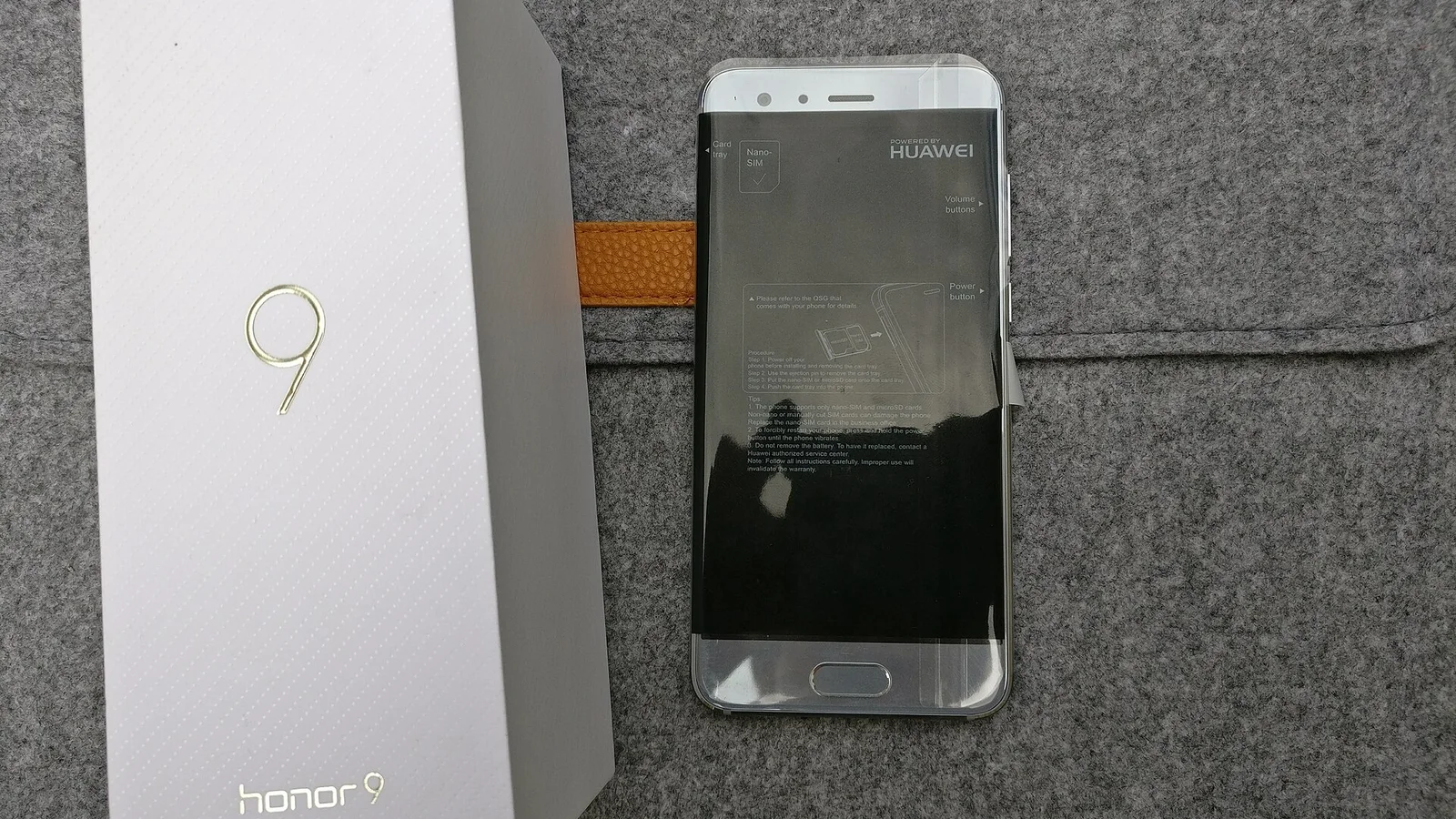
The team tried four phones. Three were cheap prepaid phones you can buy right now, a moto g 2025, a Samsung Galaxy A16 5G and a moto g 2024. The fourth was a 2017 Honor 9, to see how an old phone would do.
All four could walk the robot and recognize people. The only thing the Honor 9 couldn’t do was map the room, and that’s because it can’t run some Google software in the U.S., not because it was too slow.
So the old phone sitting in your junk drawer might actually be good enough.
It walked crooked at first
The robot learned to walk in a computer simulation, falling and trying again over and over until it got it right. When the team first moved that onto the real robot, it walked unevenly and leaned on one leg more than the other, because real motors are never perfectly matched.
They fixed it by training the walking program against a mirror image of itself, so it had to work the same on both sides. The difference between the left and right legs dropped from 0.254 radians to 0.003, which is basically even.
The catch
PhoneBot has no arms, so it can’t pick anything up. It’s only been trained on flat floors, so no stairs or grass yet. The motors are small, so it can’t carry much either. This is a robot for classrooms and research labs, not your kitchen.
Why it matters
Price is what keeps most people out of humanoid robots. Similar open source robots that walk on two legs cost somewhere between $3,500 and $13,800. PhoneBot is a small fraction of that, and UCLA put the plans, the parts list and the software online at phonebot.dev so people can build their own.
My take
This is my favorite kind of robot story. Everybody is chasing big humanoids that cost as much as a car, and these guys got one walking with a $50 prepaid phone. It’s not doing chores anytime soon. But a high school robotics club could actually afford this, and that’s how you end up with a lot more people building robots.
So basically — pass it on.
Daily Updates
Get new stories in your inbox
Near-future tech when it moves. Robots, space, EVs, AI. No spam.