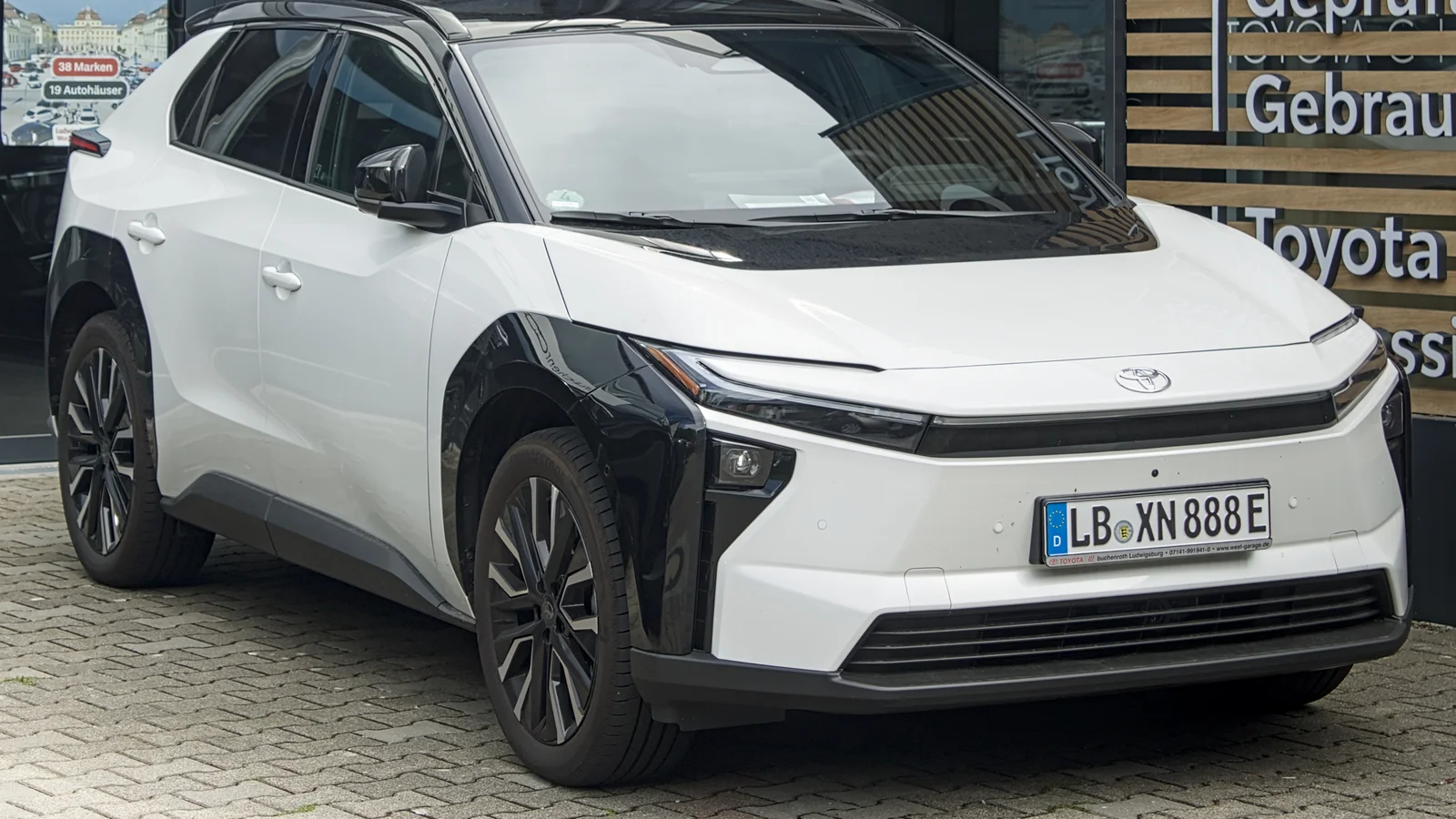
Toyota Will Build Waymo Robotaxis in Japan, Starting in 2027
Toyota and Waymo announced on Oct. 30, 2026 that they will start testing a fleet of driverless Toyota bZ4X SUVs in Japan in 2027, built start to finish at Toyota's Takaoka plant, with the U.K. and other Waymo markets planned after that.
So basically: Toyota is going to build robotaxis for Waymo. The two companies announced on Oct. 30, 2026 that they’ll start testing a fleet of driverless Toyota bZ4X electric SUVs in Japan in 2027. After that, the plan is to bring them to the United Kingdom and other places Waymo already runs.
The companies say it’ll be Japan’s first fully driverless ride hailing service using cars that are mass produced right there in Japan.
Where they’ll be built
Toyota will build these at its Takaoka plant in Toyota City, in Aichi Prefecture. And here’s the part I think is cool. The whole thing happens under one roof. Toyota builds the base SUV, then Waymo’s self-driving hardware gets installed in the same factory before it rolls out.
That’s a big deal for Waymo. Right now a lot of its cars get built by one company and then have the sensors added somewhere else. Doing it all in one place should make it faster and cheaper to crank out a lot of them.
What’s different about these bZ4Xs
This isn’t just a normal bZ4X with cameras stuck on the roof. Toyota says the custom version is built with riders in mind:
- More rear legroom
- Automatic doors
- A power liftgate
- Ambient lighting inside
The idea is that it’s easy to get in and out of, especially for people who can’t easily get around on their own. Toyota and Waymo both talked a lot about “freedom of movement,” meaning people who can’t drive, older folks, or anyone with a disability could just call a ride.
Why Japan first
Japan drives on the left side of the road, same as the U.K. Waymo’s cars today are all set up for the right side, like in the U.S. Starting in Japan lets Waymo learn left side driving with a car that’s already built that way, and then take it to the U.K. next.
Japan also has a real driver shortage. The population is getting older, and a lot of small towns don’t have enough taxi or bus drivers. A driverless taxi fills a gap there in a way it doesn’t in a big American city.
How this deal started
This didn’t come out of nowhere. Toyota and Waymo first signed a preliminary agreement in April 2025 to work together on self-driving tech. This is the next step, and it’s the first time they’ve put real dates and a real factory on it.
They’re also still looking at bringing Waymo’s tech to regular Toyotas that people actually own, not just robotaxis. And together with Woven by Toyota, Toyota’s software company, they want to use what Waymo learns on the road to make things safer for everybody else, like people walking or riding bikes.
The safety pitch
Waymo co-CEO Dmitri Dolgov said that where Waymo operates, its cars have been shown to be up to 20 times safer than human drivers when it comes to serious crash injuries. That’s Waymo’s own number, but it’s backed by a lot of miles at this point.
Toyota executive vice president Hiroki Nakajima said “no single company can achieve the goal of zero traffic accidents alone.” Toyota has been saying for years it wants zero traffic deaths, and this is them betting that a partner like Waymo is part of how they get there.
What we don’t know yet
Toyota says the first fleet will be small. Neither company has said how many cars, what cities in Japan, or what a ride will cost. So 2027 is testing and validating, not a big public launch.
My take
This one kind of surprised me. Toyota is the biggest car maker in the world and it basically just said, okay, Waymo’s driver is good enough to put in our cars. That’s a huge vote of confidence. If Toyota can build these by the thousands the way it builds everything else, Waymo could grow a lot faster than it has. I’m curious how fast it actually shows up in Japan, because “small fleet in 2027” could mean a lot of things.
So basically — pass it on.
Daily Updates
Get new stories in your inbox
Near-future tech when it moves. Robots, space, EVs, AI. No spam.