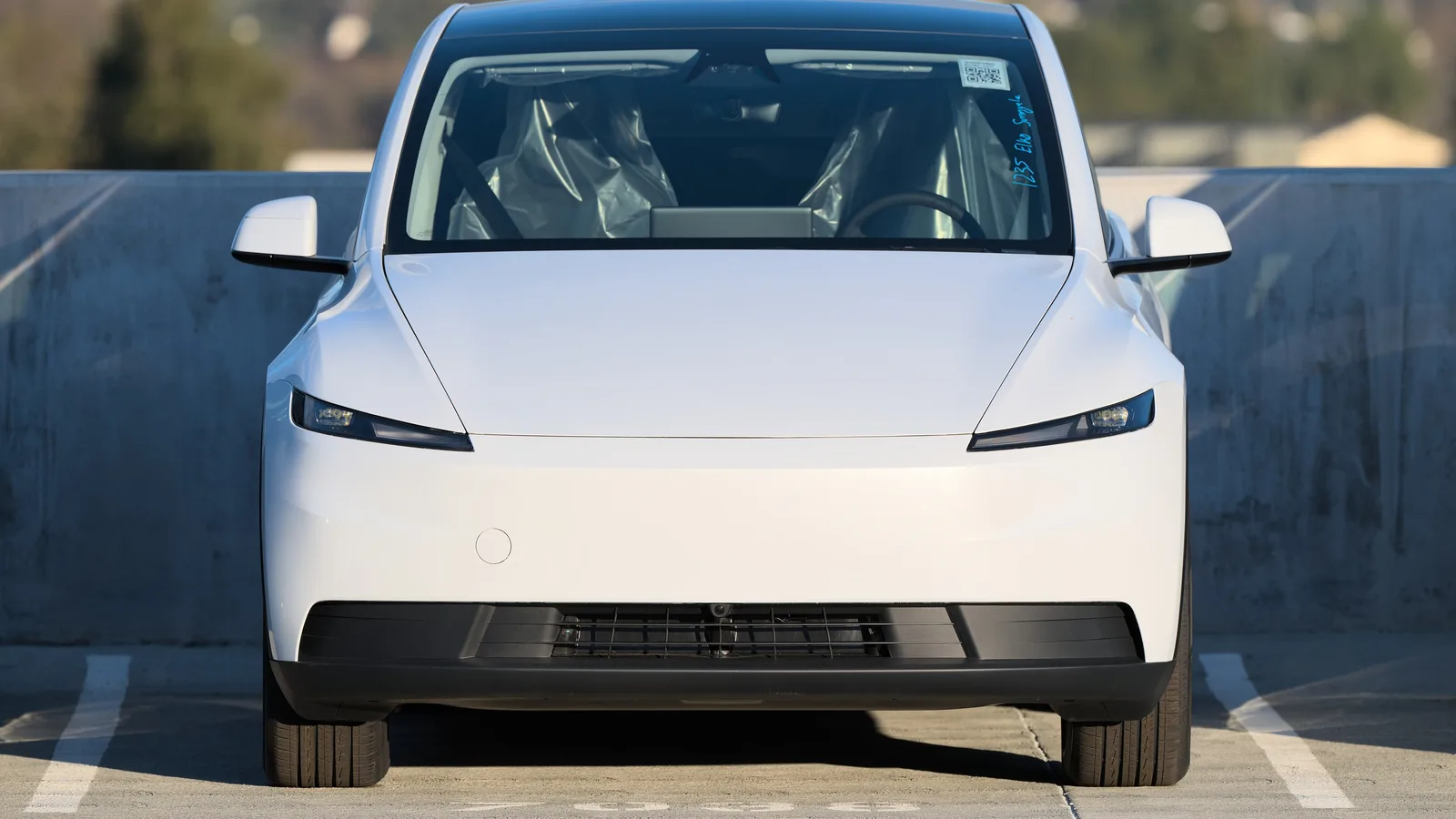
Tesla Launched Robotaxi in San Antonio With Its Biggest Day One Map Yet: 274 Square Miles
Tesla started unsupervised Robotaxi rides in San Antonio on Nov. 9, its eighth unsupervised city, with an advertised service area of about 274 square miles. Austin grew the same day, but trackers say Tesla's real bookable zones are often smaller than the maps.
So basically: Tesla just turned on Robotaxi in San Antonio, and it came out swinging. Rides with nobody in the driver’s seat started at 5 a.m. on Nov. 9 across about 274 square miles. That’s the biggest launch map Tesla has ever posted, slightly bigger than Austin was before it grew again the same day.
How it went down
Tesla’s official Robotaxi account posted on X just after midnight: “Robotaxi available in San Antonio starting tomorrow, 5am.” A few hours later, rides were live.
San Antonio is Tesla’s eighth city with unsupervised rides, and it came just a week after Fort Worth launched on Nov. 2. Tesla had already named San Antonio as a next city on its third quarter earnings call, along with Las Vegas, Phoenix and Jacksonville.
The San Antonio cars are Model Y robotaxis, not Cybercabs.
Tesla has also been tweaking the ride itself. It recently added a Calm Mode that hides distracting visuals on the touchscreen, according to Not a Tesla App. Small stuff like that matters when you’re trying to get regular people to ride in a car with nobody up front. Nobody wants a busy screen when they’re already nervous.
How big is 274 square miles?
According to Not a Tesla App, the map covers all of downtown and almost everything inside Loop 410, then stretches up to Loop 1604 on the north side. Here’s how Tesla’s advertised areas stack up:
- San Antonio: about 274 square miles
- Houston: 254
- Fort Worth: 143
- Dallas: 81
- Miami: 31
- Orlando: 26
- Tampa: 24
On the same day, Tesla also made Austin a lot bigger. Electrek says trackers now put Austin at about 443 square miles, and Tesla also stretched Austin’s hours to run from 5 a.m. to 2 a.m.
For comparison, Waymo’s San Antonio area is about 59 square miles, according to Robotaxi Tracker. Waymo started driverless rides there in February.
The catch with the maps
Electrek made a fair point. The map Tesla posts isn’t always where you can actually get a ride.
A Tesla watcher named Koby Pierce tested thousands of real addresses in the Robotaxi app and compared them to Tesla’s maps. In Austin, only about 59% of the advertised area actually accepted pickups and drop-offs. Other cities ranged from about 61% in Miami to 78% in Dallas. He said railroad crossings seem to be a big reason.
San Antonio’s airport also sits inside the map, but it isn’t served yet. Electrek’s guess is the real bookable area will land somewhere around 160 to 210 square miles. That would still be way bigger than Waymo’s.
As of Monday morning, Robotaxi Tracker hadn’t spotted a single Tesla Robotaxi in San Antonio yet, so nobody knows how many cars are covering that area.
Where this is all heading
Tesla went from zero unsupervised rides at the start of the year to eight cities now. Its service areas cover about 4.2 million people combined, according to Not a Tesla App.
The Cybercab is coming too. Tesla already has more than 300 of them in Austin, and Cybercab rides are supposed to start in Dallas this month. Nationally, Waymo still runs over 4,000 driverless vehicles to Tesla’s 666, per Robotaxi Tracker.
My take
Two new cities in two weeks is Tesla finally hitting the gas. I get the skepticism about the maps, and Tesla should be straight about where you can actually ride. But a year ago people said this would never work without a safety driver. Now it’s in eight cities and the maps keep getting bigger. The number I want next is how many cars are out there and how long you wait for one.
So basically — pass it on.
Daily Updates
Get new stories in your inbox
Near-future tech when it moves. Robots, space, EVs, AI. No spam.