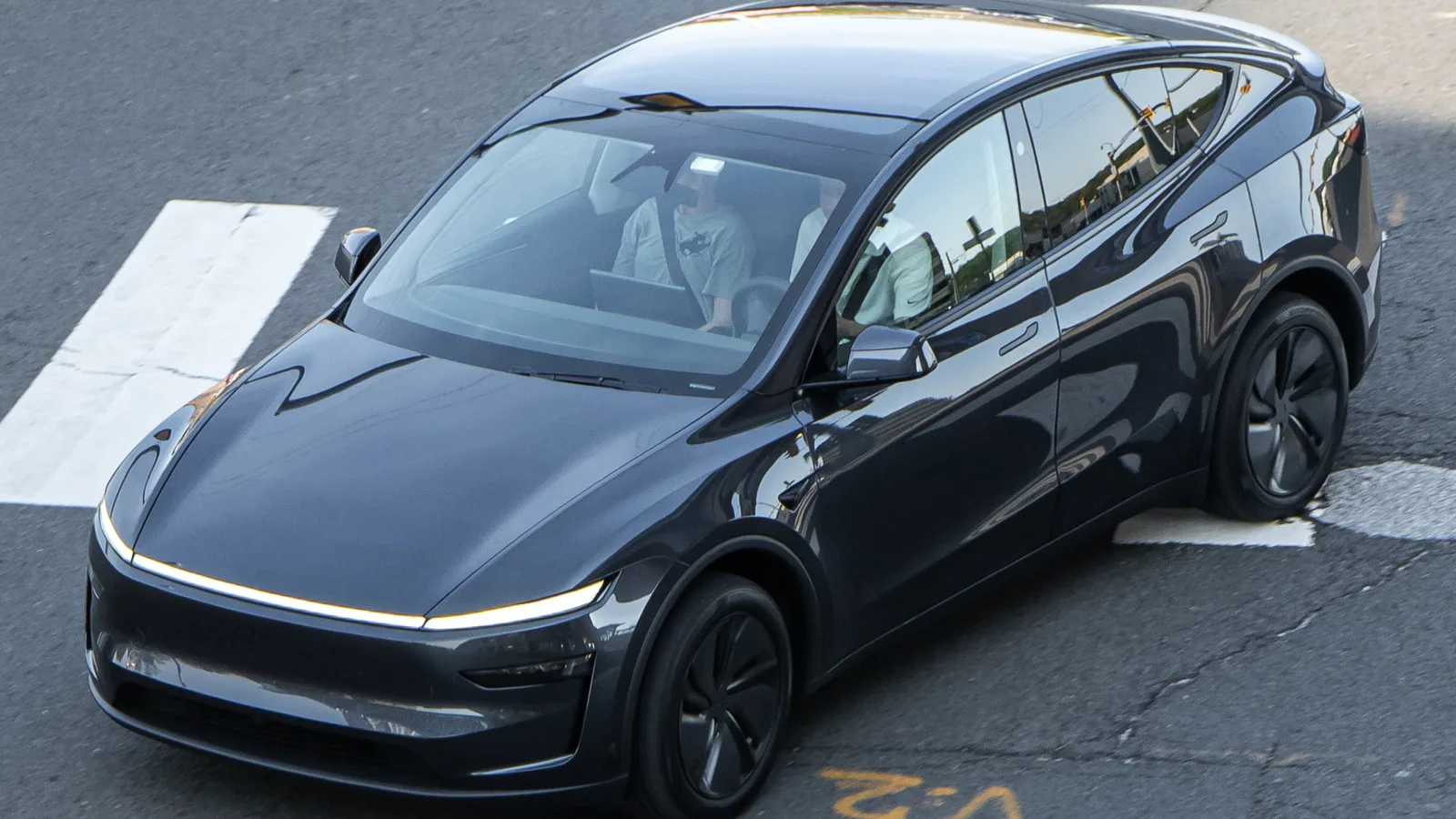
Tesla Nearly Doubled Its Miami Robotaxi Zone, and Now It Reaches Downtown
Tesla expanded its driverless Robotaxi service in Miami from about 31 to about 59 square miles on Nov. 16, adding Downtown, Brickell and the Biscayne Bay waterfront. Miami Beach is still outside the zone.
So basically: Tesla just nearly doubled the area where its driverless Robotaxi works in Miami. The zone grew from about 31 square miles to about 59 square miles, and for the first time it reaches Downtown Miami, Brickell and the Biscayne Bay waterfront. You can ride in a Model Y with nobody in the driver’s seat right into the busiest part of the city now. Miami Beach is still left out.
What changed on the map
Tesla’s Robotaxi account posted the new map on Sunday, Nov. 16. According to Robotaxi Tracker, a site that measures these zones, the service area went from about 30.8 square miles to about 59. That’s roughly a 92% jump in one update.
When Tesla started in Miami, it stuck to the west side of Miami-Dade:
- Doral
- West Miami
- Sweetwater
- Miami International Airport
Now the zone pushes east toward the water and picks up Downtown, Brickell, Wynwood and Little Havana. Teslarati says it also stretches north toward Hialeah. At its widest, it runs about 11 miles from west to east.
Still no beach
Miami Beach is the obvious hole. Florida Governor Ron DeSantis publicly called for Robotaxi service there, and Elon Musk said beach coverage was “coming soon.” It didn’t make this update. To get there, the cars would have to cross the causeways over Biscayne Bay, so that’s probably its own step.
It runs all night too
This expansion lands right after another change. On Nov. 12, Tesla made Robotaxi rides available 24 hours a day, seven days a week in all eight of its driverless markets, Miami included.
Three months ago, the service only ran from 6 a.m. to 10 p.m. So in a short stretch, Miami riders got both a bigger map and no closing time.
How Miami stacks up
Tesla first launched unsupervised rides in Miami on July 3. It was its first market outside Texas and California. Here’s how the new zone compares, using the numbers trackers have been posting:
- Austin: about 443 square miles, up from about 272 just last week
- San Antonio: about 275
- Houston: about 254, up from about 25 in late October
- Fort Worth: about 143
- Miami: about 59
- Orlando and Tampa: about 26 and 24
So Miami is still small next to Texas. But it’s now about the same size as Waymo’s Miami zone, which is around 60 square miles and already covers some beach areas.
Every number here comes from people tracking the maps, not from Tesla, so expect small differences. One EV site measured the new Miami zone closer to 50 square miles.
Why downtown matters
The first Miami zone mostly covered the airport and the west side. That’s useful, but the money is downtown. That’s where the traffic is, where parking is a pain and where tourists want to go. Putting Robotaxi into Brickell and Downtown means a lot more people can actually use it for normal trips, which means more rides and more driving data for Tesla.
My take
What stands out to me isn’t Miami by itself, it’s the pace. Austin jumped 63% last week. Miami nearly doubled this week. Houston went from tiny to huge in a month. And all of it is running 24/7 now. Tesla is clearly done with the slow, careful rollout phase. That’s exciting, but it also lines up with this week’s other robotaxi news, where California pulled Waymo off freeways over construction zones. Bigger maps mean more weird situations. I want to see Tesla’s zones keep growing, but I also want to see how the cars handle a packed downtown on a Saturday night before I call it a win. The beach will be the fun one to watch.
So basically — pass it on.
Daily Updates
Get new stories in your inbox
Near-future tech when it moves. Robots, space, EVs, AI. No spam.