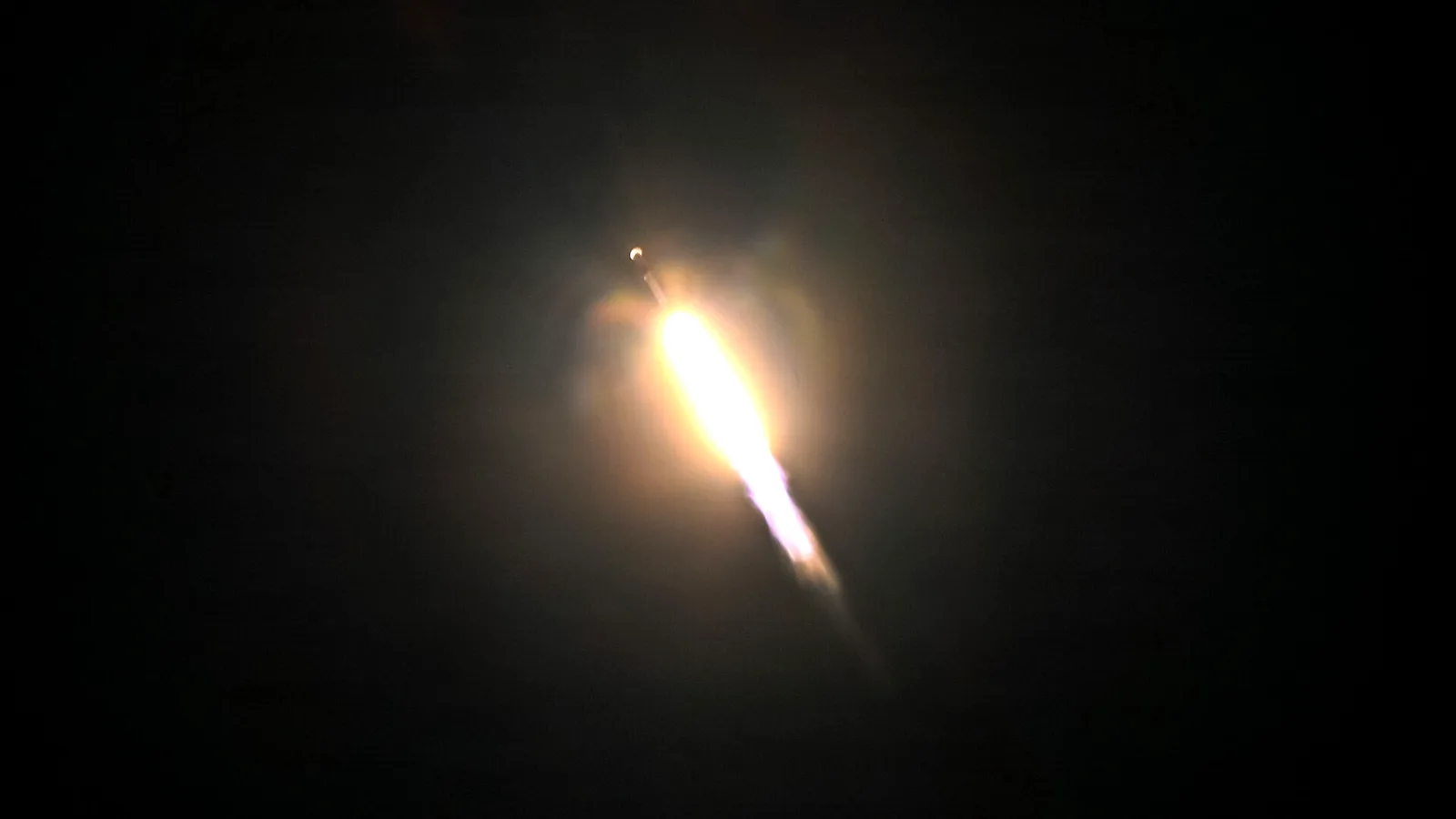
SpaceX Just Launched Twice From the Same California Pad in 32 Hours, a New Record
SpaceX launched USSF-317 from Vandenberg's SLC-4E on Nov. 20 and NROL-136 from the same pad 32 hours, 3 minutes and 21 seconds later. That beat the old record of 45 hours, and SpaceX says the next goal is a 24 hour turn.
So basically: SpaceX launched two Falcon 9 rockets off the same launch pad in California just 32 hours, 3 minutes and 21 seconds apart. That’s a new record for any of its pads. The old one was 45 hours, set at Pad 40 in Florida. And SpaceX’s head of launch is already saying the next goal is 24 hours.
The two launches
Both rockets went up from Space Launch Complex 4 East (SLC-4E) at Vandenberg Space Force Base, on the California coast.
- Launch one, USSF-317: Friday, Nov. 20 at 8:20 p.m. Pacific. It carried satellites for the U.S. Space Force. The booster was on its 11th flight and landed on the droneship Of Course I Still Love You out in the Pacific.
- Launch two, NROL-136: Sunday, Nov. 22 at 4:23 a.m. Pacific. It carried classified satellites for the National Reconnaissance Office, the agency that runs America’s spy satellites. That booster was on its 14th flight and came back to land at Landing Zone 4, right next to the pad, about seven and a half minutes after liftoff.
So in a little over a day, the crew cleaned up after one launch, rolled out a whole new rocket, loaded it with fuel and sent it up.
What SpaceX said
Kiko Dontchev, SpaceX’s vice president of launch, posted about it on X: “Massive high five to the @SpaceX west coast team for a world record launch to launch turn from Pad 4e last night! 32 hr, 3 min, 21 sec! This smashed the previous record of 45 hrs from Pad 40. Team got there with several hours of margin. Next goal… the 24 hr turn!”
The part that stands out to me is “several hours of margin.” That means they weren’t scrambling to barely make it. They could have gone even faster.
Why turning a pad around is hard
A launch pad isn’t just a slab of concrete. After every launch, the team has to check the pad for damage from the engines, reset the equipment that holds the rocket and feeds it fuel, then bring out the next rocket and raise it up.
For most of spaceflight history, there were months between launches from the same pad. Now Vandenberg is getting multiple launches a week, and that’s mostly because SpaceX reuses its boosters. Noozhawk, a local outlet in Santa Barbara County, reported that SpaceX has several boosters that have flown more than 30 times. The two fairing halves on NROL-136, the nose cone pieces that protect the satellites, were flying for the first time, but SpaceX usually fishes those out of the ocean and reuses them too.
The booster on NROL-136 had already flown missions including NASA’s Sentinel-6B ocean satellite and eight Starlink missions.
The satellites on board
Neither agency says exactly what’s on these rockets, but here’s what’s public.
USSF-317 added satellites to the Space Force’s Space Data Network Backbone, a military communications network SpaceX is building under a $2.29 billion contract, according to SpaceNews. SpaceNews also reported it was the third launch for that network in two weeks.
NROL-136 was the NRO’s fourth “proliferated” launch this year. Instead of a few huge spy satellites launched years apart, the NRO is now putting up lots of smaller ones. The agency says it’s building “the largest satellite constellation in U.S. government history.” It started in May 2024 and NROL-136 was the 15th launch for it, according to Space.com.
What’s next
Vandenberg isn’t slowing down. Noozhawk reported the next launch from the same pad was set for a window opening at 7:55 a.m. Tuesday. USSF-317 was the base’s 77th launch of 2026, based on the Space Force’s own photo captions, which makes NROL-136 number 78.
My take
It’s easy to tune out Falcon 9 launches at this point because there are so many of them. But this is the reason why. Thirty two hours from one launch to the next, off the same pad, with time to spare. That’s starting to sound more like an airport than a launch site. If they really get to 24 hours, one pad could do a launch every single day. I don’t love that both of these were military and spy payloads we’ll never get details on, but the speed is the story here. Nobody else is close to doing this.
So basically — pass it on.
Daily Updates
Get new stories in your inbox
Near-future tech when it moves. Robots, space, EVs, AI. No spam.