SpaceX Sets Friday, Nov. 13 for Starship Flight 15 and the First Try at Catching Both Halves
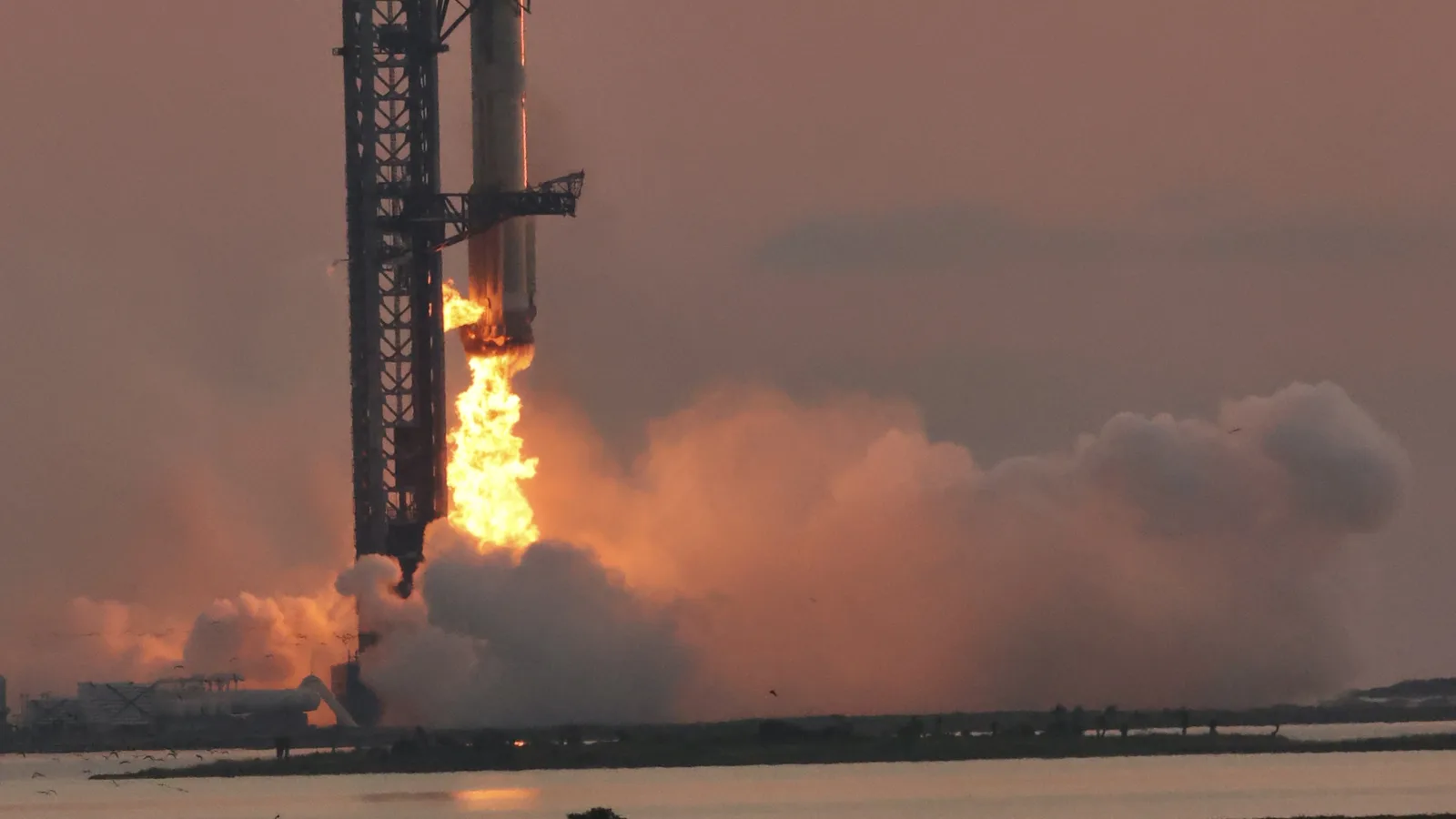
SpaceX says Starship Flight 15 can launch as soon as Friday, Nov. 13, with a 75 minute window opening at 5:45 p.m. ET. Booster 22 and Ship 42 will both try to come back to Starbase and get caught by the tower, which would be the first full recovery of an orbital rocket.
Update, Nov. 17: Flight 15 launched Nov. 13. Ship 42 came back from orbit and was caught by the tower on Nov. 14, a first for any rocket’s upper stage. Booster 22 aborted its catch and was lost in the Gulf. Full story.
So basically: It’s official. SpaceX says Starship Flight 15 can launch as soon as Friday, Nov. 13, and this is the big one. For the first time ever, SpaceX is going to try to catch both halves of an orbital rocket with the launch tower. The booster comes back about 6 and a half minutes after liftoff. The ship comes back the next day.
When to watch
The launch window opens at 4:45 p.m. Central, 5:45 p.m. Eastern, on Friday and stays open for 75 minutes. SpaceX says the webcast starts about 30 minutes before liftoff on its site and on X. It also says the launch still needs regulatory approval, and like every launch, the date can slide.
On Nov. 10, SpaceX rolled Booster 22 out to the pad at Starbase in Texas to get stacked. That’s the first V3 Super Heavy ever planned to fly back and get caught. SpaceX says it already did catch testing on it when it got to the pad, including hanging it at catch height and squeezing it with the tower arms.
The plan, step by step
SpaceX posted the whole timeline. Here’s the short version:
- Liftoff, then the booster cuts most of its engines at about 2 minutes 19 seconds
- The booster flips around and burns back toward Texas
- At about 6 minutes 35 seconds, the booster gets caught by the tower
- The ship, Ship 42, keeps going to orbit about 275 km up
- It drops off 26 Starlink V3 satellites over about 40 minutes
- It loops the Earth about 14 times
- About 22 hours 32 minutes after launch, it comes back to Starbase and gets caught too
That last part is the part nobody has ever done. The tower has caught three older V1 boosters before, and two of those flew again. But the ship, the top half that actually goes to orbit, has never been caught.
Why the ship catch is so hard
The booster only goes up and comes right back. The ship goes all the way to orbit, then has to survive coming back through the atmosphere at crazy speed, slow down, flip upright and hover into the tower arms. Any damage to the heat shield on the way down and the whole catch is off.
SpaceX says the ship will only head back to Starbase if the flight team checks that everything needed for reentry and landing is healthy. If not, it can come down over the ocean instead. Three of the Starlink satellites even have cameras on them to look back at the ship’s heat shield and send the pictures down before that call gets made.
The heat shield also got upgrades from Flight 14. More tiles have extra clips to hold them on, and a big part of it uses a new curved tile design that SpaceX says cuts heating in the gaps between tiles.
The Starlink part is a big deal too
Each Starlink V3 satellite adds 1 terabit of capacity, according to SpaceX. All 26 together are worth about 10 Falcon 9 launches of the current V2 Mini satellites. SpaceX says they could start serving customers just a few weeks after launch.
What happens if it works
If both catches work, Starship becomes the first orbital rocket where every piece comes home in one piece. Elon Musk said back in October that the next step after that is flying the same booster and ship again. That’s the whole point. A rocket you can land, refuel and fly again works more like an airplane, and that’s what makes flights cheap.
My take
I’ll be watching this one live. The booster catch is almost normal now, which is crazy to say. The ship catch is the one that changes everything. If SpaceX pulls it off on Friday the 13th of all days, that’s going down as one of the biggest moments in rocket history. And if the ship ends up in the ocean instead, they’ll learn from it and try again in a few weeks like always.
So basically — pass it on.
Daily Updates
Get new stories in your inbox
Near-future tech when it moves. Robots, space, EVs, AI. No spam.