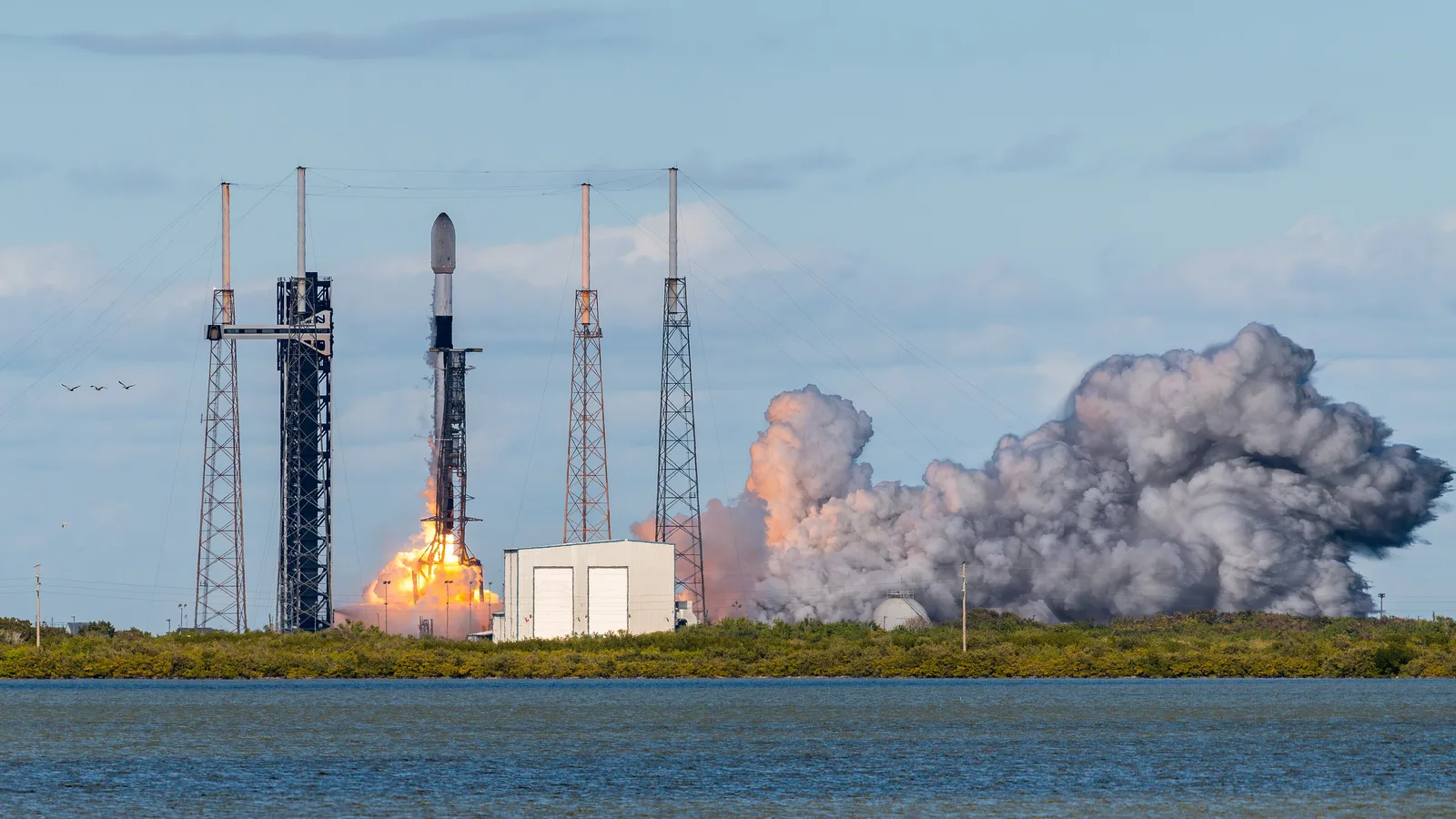
The FCC Just Approved SpaceX's Plan for 1 Million Data Center Satellites
The FCC authorized SpaceX's Starmind constellation of up to 1,000,000 satellites that would work as AI data centers in orbit. The first one has to be up by November 2033 and the full constellation by November 2040, or the license is void.
So basically: The FCC just told SpaceX it can put up to 1,000,000 satellites in orbit that work as AI data centers. SpaceX calls the system Starmind. FCC Chairman Brendan Carr announced it on Wednesday, Nov. 25, and it’s the first approval like this in U.S. history. To put that number in perspective, it’s many times more satellites than humans have launched, ever.
What SpaceX actually got
The approval came from the FCC’s Space Bureau in an order dated Nov. 25, 2026. Here’s what’s in it:
- Up to 1,000,000 satellites, called orbital data centers
- Orbital shells between 500 and 1,002 kilometers up, which is about 310 to 620 miles
- Some shells tilted 30 degrees, others in sun synchronous orbits that keep the satellites in sunlight
- A 15 year license that starts when the first Starmind satellite is working in orbit
The idea is simple on paper. Data centers on the ground eat huge amounts of power and water. A satellite in the right orbit gets sunlight almost all the time, so it can run computer chips on solar power and dump heat into space. SpaceX told the FCC this would be cheaper and more efficient than building more data centers on Earth.
The odd details in the order
The satellites won’t talk to the ground with radio the way Starlink does. Starmind will use laser links between satellites, and those can connect back into SpaceX’s Starlink network. The FCC only approved a small slice of radio spectrum for backup and emergency control if the lasers fail.
The strangest part is about getting rid of old satellites. FCC rules say satellites ending their mission below 2,000 km have to burn up in the atmosphere. SpaceX asked for the option to send satellites above 600 km into orbits around the Sun instead. The FCC didn’t say yes or no. It put that request on hold until SpaceX gives more detail, so for now every Starmind satellite has to come back down and burn up.
SpaceX also has to file a report every six months listing close calls with other objects, dodge maneuvers, satellites that failed and satellites that reentered.
The deadlines
This isn’t a blank check. If SpaceX misses these dates, the license becomes void:
- Nov. 25, 2033: at least one Starmind satellite working in orbit
- Nov. 25, 2035: 10%, which is 100,000 satellites
- Nov. 25, 2038: 50%, or 500,000
- Nov. 25, 2040: the full constellation
That pace only works if Starship is flying constantly. Falcon 9 can’t come close to launching that many satellites.
Who fought it
Amazon, which runs the rival Amazon Leo satellite internet network, filed to block it. Back in March, Amazon called Starmind a “lofty ambition rather than a real plan” and said it would take SpaceX centuries to build. Viasat and the American Astronomical Society also asked the FCC to deny it.
The FCC brushed off the astronomy concerns, saying SpaceX’s promise to coordinate with the National Science Foundation was enough. It also decided no full environmental review was needed. An attorney with Earthjustice criticized the agency for approving it during Thanksgiving week with no environmental study.
Carr said Starmind and competitor constellations would use solar power to extend America’s lead in AI. Elon Musk replied, “Much appreciated. This will be a great asset to America and the world.”
My take
I’ll be honest, 1 million satellites is hard to even picture. The night sky concerns are real, and I don’t think astronomers are being dramatic about it. But I also get why this is happening. AI companies are fighting over power plants right now, and the Sun doesn’t send a bill.
What I like is that the FCC attached hard dates. Either SpaceX gets the first one working by 2033 and 100,000 up by 2035, or the license is gone. That turns a giant headline number into something we can actually check. The thing to watch is Starship. If it starts flying every few days, this stops sounding crazy pretty fast.
So basically — pass it on.
Daily Updates
Get new stories in your inbox
Near-future tech when it moves. Robots, space, EVs, AI. No spam.