SpaceX Just Flew Its 700th Falcon 9, and the Rocket Is Already Winding Down
SpaceX launched its 700th Falcon 9 on Oct. 30, 2026 with Starlink 15-18 from Vandenberg. At the same time, the Falcon program is slowing as SpaceX shifts to Starship, and a Quilty Space report warns of a shortfall of about 150 launches outside China through 2030.
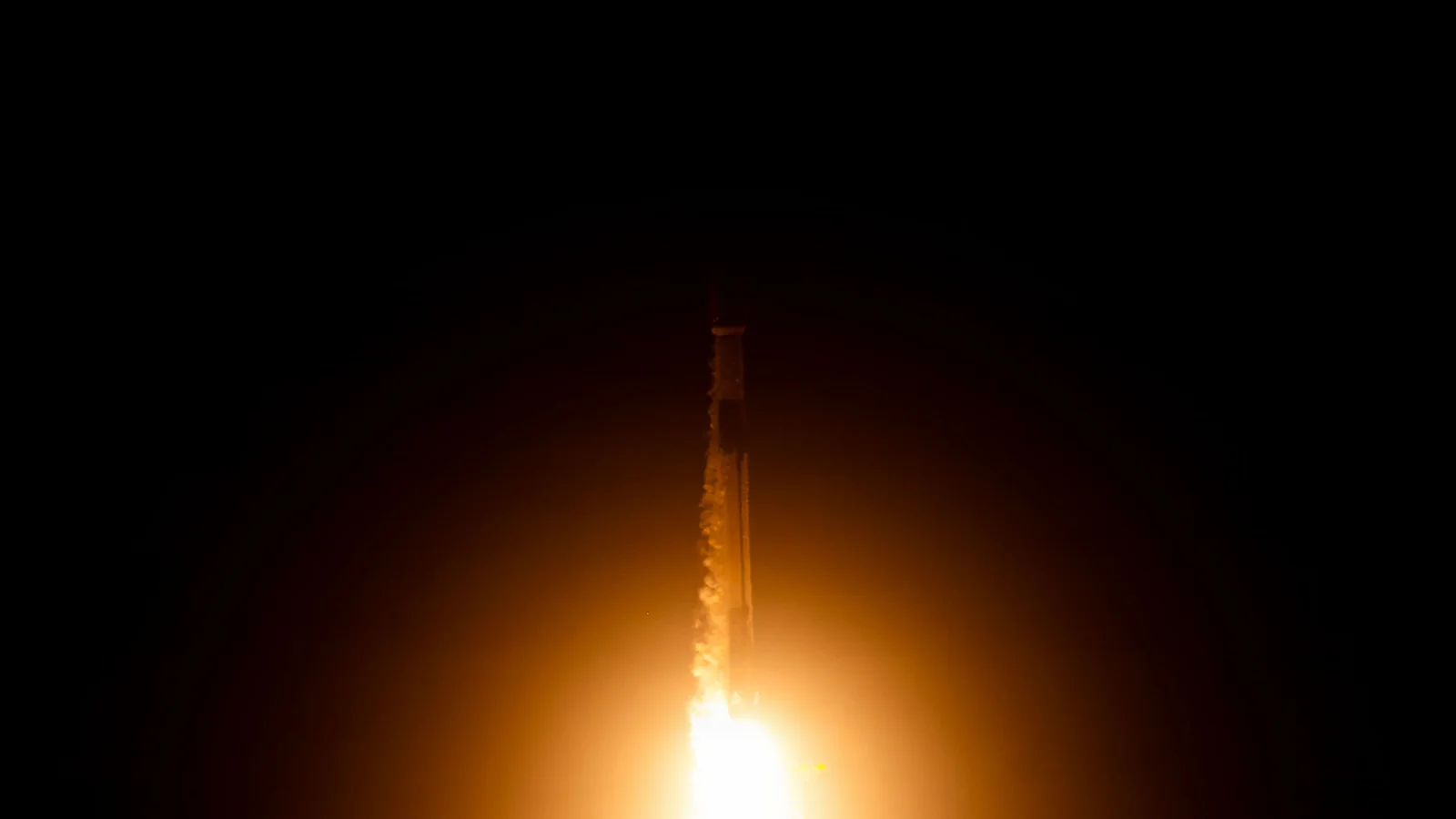
So basically: SpaceX launched its 700th Falcon 9 on Friday night. It went up from Vandenberg Space Force Base in California at 12:04 a.m. EDT on Oct. 31 (9:04 p.m. local time on Oct. 30), carrying 27 Starlink internet satellites.
That’s a crazy number for one rocket. But here’s the twist. Falcon 9 is hitting 700 right as SpaceX is starting to slow it down and move on to Starship.
The launch itself
The mission was called Starlink 15-18. The booster, tail number B1093, was flying for the 18th time. About eight and a half minutes after liftoff it came back down and landed on the droneship Of Course I Still Love You out in the Pacific.
A couple more numbers from that night:
- It was the 231st landing on that one droneship
- It was the 675th Falcon booster landing overall
- It was SpaceX’s 11th and final orbital launch of October
Wait, SpaceX is slowing down?
Yeah. For years SpaceX just kept launching more and more. At its peak in December 2025, it hit 171 orbital launches in a 365 day stretch. Nobody else on Earth is even close to that.
Now that number is falling. A launch on Oct. 27 was the first time since July 2025 that SpaceX’s count dropped under 150 launches in a 365 day period. Back in August, SpaceX stopped flying Starlink missions on Falcon 9 out of Florida. And NASA and others have said publicly that SpaceX is looking to stop offering Falcon 9 for commercial and government missions in the next few years.
The reason is Starship. On SpaceX’s third quarter earnings call this month, Elon Musk said he expects Starship to fly weekly at some point in the first half of next year, and twice a week or more by the end of next year.
The problem nobody’s talking about
Here’s where it gets interesting. A new report from the analytics firm Quilty Space says the world outside China is heading for a real rocket shortage.
Quilty estimates that between now and 2030, there will be about 150 fewer launches than satellite companies and space agencies need. If you add in what the U.S. military wants, and SpaceX doesn’t keep Falcon 9 and Falcon Heavy around for those missions, the gap could be about double that.
Why? A bunch of things stacked up at once. Russian rockets are off the Western market because of the war in Ukraine. Amazon needs a ton of launches for its Leo internet satellites. New rockets like New Glenn, Vulcan, Neutron, Terran R and Nova have all run into delays. And now Falcon 9, the most reliable workhorse out there, is winding down.
Can Starship fix it?
In theory, yes. Starship is huge and built to be fully reused. But according to the report, SpaceX has stopped talking up Starship as a rocket for other people’s satellites. Ars Technica also reported there’s no sign SpaceX is building a bigger payload door for normal satellites. Right now Starship has a narrow slot built for Starlink, which kind of spits satellites out one after another like a PEZ dispenser.
So if your company built a regular satellite and planned to fly it on Falcon 9, you might be looking around for a ride in a few years and not finding many options.
My take
700 launches is unreal. When Falcon 9 first flew in 2010, people laughed at the idea of landing a booster, and now one droneship alone has caught 231 of them. I get why SpaceX wants to go all in on Starship, because that’s the rocket that gets us to the Moon and Mars. But this rocket shortage thing feels like a real problem coming. If SpaceX keeps Starship mostly for its own Starlink stuff, a lot of other companies could get stuck waiting in line.
So basically — pass it on.
Daily Updates
Get new stories in your inbox
Near-future tech when it moves. Robots, space, EVs, AI. No spam.