The FAA Just Let a Drone Fly Out Over the Open Ocean to an Oil Platform for the First Time
The FAA gave Skyways a first-of-its-kind waiver to fly its V2 drone beyond the pilot's line of sight from the Louisiana coast out to a Shell pipeline platform in the Gulf of Mexico.
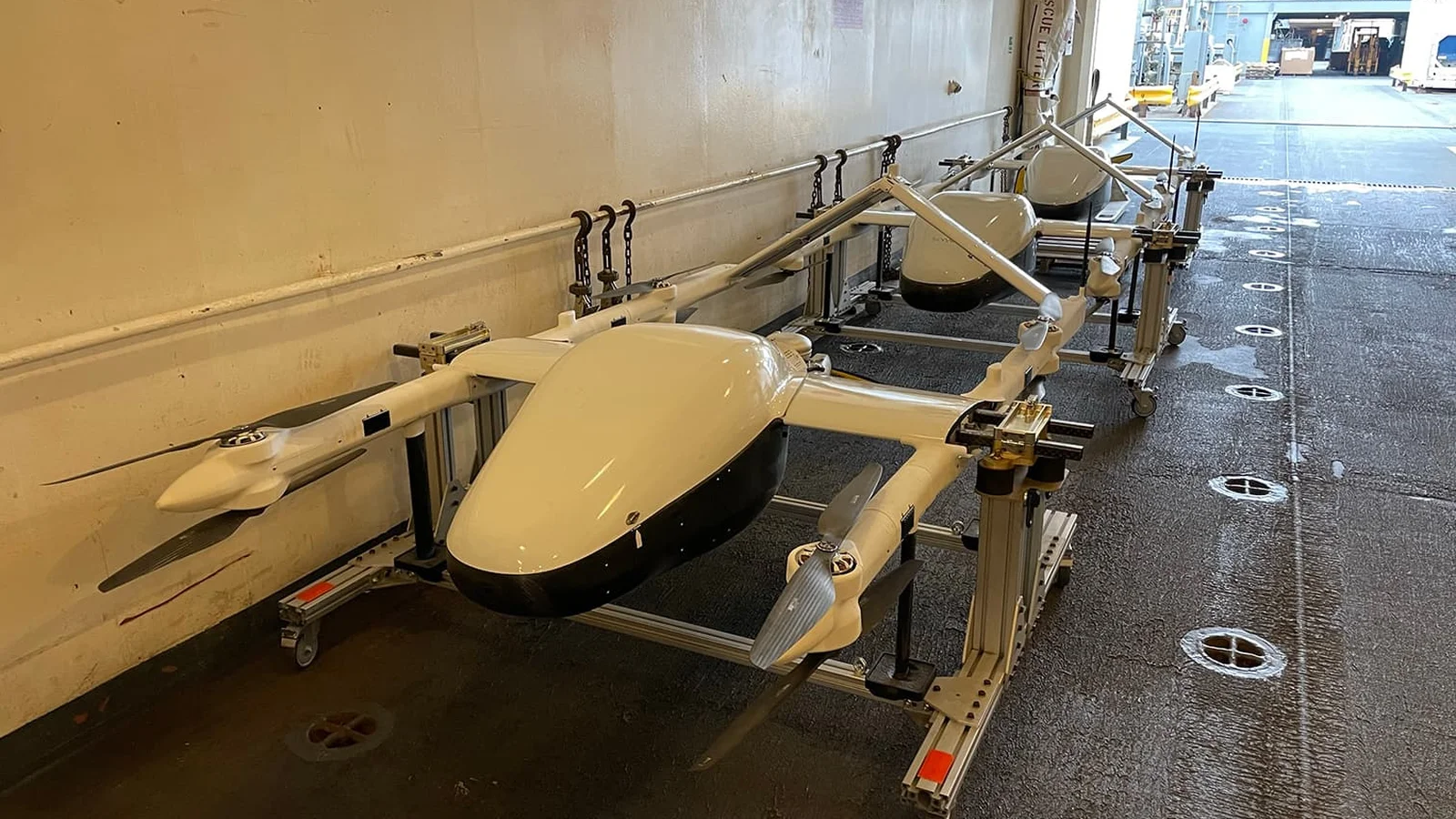
So basically: The FAA just gave a drone company permission to do something no drone company has been allowed to do this way before. Skyways, a drone maker from Austin, Texas, can now fly its V2 drone out over the open ocean, from the Louisiana coast to a Shell pipeline platform in the Gulf of Mexico, without a pilot keeping eyes on it the whole way.
What actually got approved
The official term is a BVLOS waiver. BVLOS stands for “beyond visual line of sight.” Normally in the U.S., whoever is flying a drone has to be able to see it. That rule is a big reason drone delivery has been so slow to take off here.
The FAA says this approval is a first of its kind. According to Aviation International News, the drone will take off from Shell’s facility in Gibson, Louisiana. On the way out, it’ll inspect a pipeline corridor. Then it’ll do a mock delivery of critical equipment to the offshore platform.
Skyways hasn’t said when the flight will happen or exactly how far out the platform is. But the FAA’s guidance only counts it as “high seas” if the flight goes more than 12 nautical miles from the U.S. coastline. So this isn’t hopping across a bay.
How they got it
The FAA used something called Section 927, from the FAA Reauthorization Act of 2024. That section lets the agency approve some drone flights without writing a whole new rule or going through the longer exemption process.
That matters because the big rule that would make these flights normal, called Part 108, is still stuck. The FAA sent it to the White House for review in July and it’s been sitting there since. As proposed, Part 108 would let drones up to 1,320 pounds fly beyond the operator’s sight below 400 feet without special permission.
Until that rule shows up, waivers like this one are how companies like Skyways get anything done.
The drone
The V2 is a hybrid-electric drone, so it uses both a fuel engine and electric power. Skyways says it can fly roughly 450 to 500 miles and carry up to 30 pounds of cargo.
Thirty pounds doesn’t sound like much. But think about what an offshore platform actually runs short on. A replacement part, a tool, a sensor, some paperwork. Right now that stuff usually goes out by boat or helicopter, which is slow and expensive.
Skyways isn’t new at this
Skyways says it has logged about 3,500 autonomous flights and roughly 90,000 kilometers, or about 56,000 miles, for customers. Those customers include:
- The U.S. Navy
- Japan’s Ministry of Defense
- All Nippon Airways, Japan’s biggest airline
In 2025, it flew three weeks of cargo drops to a wind farm out in the Baltic Sea with a company called Skyports. So flying out over water to something sitting in the middle of the sea is kind of its thing already, just not in U.S. airspace like this.
We wrote earlier this week about Skyways’ bigger aircraft, the Skyreach, that can carry cargo about 1,300 miles on its own. This waiver is for the smaller V2, but it’s the same idea. Long trips, no pilot on board, stuff that would normally need a boat.
What comes next
Skyways says it expects this waiver to lead to more frequent inspection flights for Shell, and eventually paid cargo deliveries out to offshore platforms.
The Gulf has a ton of pipelines and platforms. If one drone flight can inspect a pipeline and drop off a part in the same trip, that’s two jobs that used to need people and boats getting done by one machine.
My take
This is one of those boring paperwork stories that actually matters a lot. The tech for long drone flights over water has been ready for a while. What’s been missing is permission. The fact that the FAA had to use a workaround from a 2024 law tells you how slow the main rule is moving. I’d like to see how far out that platform actually is, but a first is a first, and oil companies tend to pay well for stuff that saves them a helicopter ride.
So basically — pass it on.
Daily Updates
Get new stories in your inbox
Near-future tech when it moves. Robots, space, EVs, AI. No spam.