Humanoid Robots Are Now Sorting Mail at 11 China Post Hubs, 1,500 Parcels an Hour
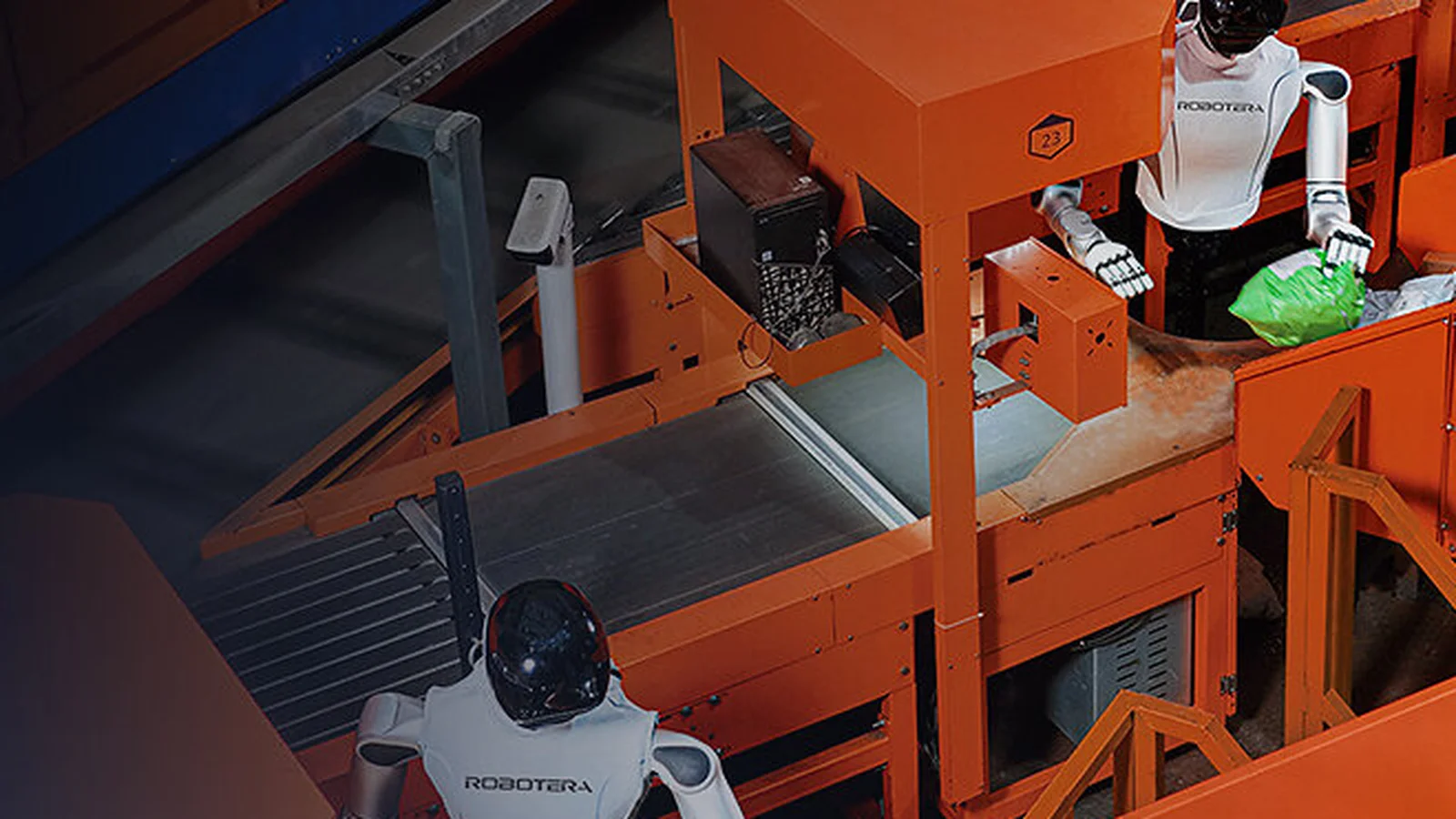
Beijing robot maker ROBOTERA says its humanoids are now working across China Post's Guangdong network, in 11 postal hubs across 8 cities. Since a pilot started in March, they've averaged more than 1,500 parcels an hour feeding sorting lines.
So basically: Humanoid robots are now working the parcel lines at China Post in Guangdong, China’s busiest province for package shipping. The robots come from ROBOTERA, a robot company based in Beijing. They’re running in 11 postal hubs across 8 cities, and since the first pilot started back in March, they’ve averaged more than 1,500 parcels an hour. The company says that’s about what an experienced human worker does.
What job are they actually doing?
The job is called induction, and it’s one of the most tiring jobs in a sorting center.
Picture a big pile of mixed packages. Somebody has to grab each one, turn it the right way and set it down on the sorting belt, one at a time, so the machines down the line can scan it and send it where it needs to go. It’s fast, it’s repetitive and it never stops. Over a whole shift, that’s a lot of bending, twisting and lifting.
That’s what these humanoids are doing. They stand at the line and feed packages onto the sorter, the same spot a person would stand.
The details that make it work
A few things ROBOTERA built in for this job:
- Rejecting weird items. If something odd shaped comes through that shouldn’t go on the belt, the robot pulls it out instead of jamming the line.
- Adjusting its speed. It speeds up or slows down to keep packages spaced out, which cuts down on jams, collisions and missed items.
- Its own five finger hand. ROBOTERA makes its own dexterous hand, so it can grab soft bags and boxes alike.
- Different power setups. The company offers a few power options so the robots can keep running through a shift.
Why the post office wants this
Guangdong handles more express parcels than any other province in China, so it’s about as tough a test as you can find.
The bigger problem is people. Sorting work is hard, turnover is high and it’s tough to keep enough workers. Then shopping seasons hit and parcel volume can jump to several times its normal level. That’s when you need extra hands the most and can find them the least.
ROBOTERA’s pitch is that the robots take the grinding front line work, and the human workers move into jobs like robot maintenance, coordinating the operation and quality control.
How big is this, really?
ROBOTERA calls it the largest and most spread out humanoid deployment in logistics so far. That’s the company’s own claim, but 11 working hubs is a lot more than the usual one robot demo in one building.
What the announcement doesn’t say is just as important. It doesn’t say how many robots are actually deployed, how often a person has to step in to help, or what each robot costs. Those are the numbers that will decide if this spreads.
Guangdong isn’t the only place, either. ROBOTERA says the same setup is already running in postal operations in East China.
The bigger picture
The same shift is happening outside China too. Logistics giant GXO just talked about rolling out up to 1,000 Apptronik humanoids in its warehouses. For a long time, humanoid robots were mostly demo videos. Now the conversation is about how many hubs, how many parcels and how many robots.
My take
Package sorting might be the perfect first real job for humanoids. It’s the same motion over and over, the work never runs out and it’s hard to keep people in it. Hitting 1,500 parcels an hour is legit if it holds up, because that’s human speed, not robot demo speed. I’d still like to know how many robots are actually out there and how often somebody has to bail one out. But a post office running humanoids in 11 hubs is a lot more convincing to me than any flashy trade show video.
So basically — pass it on.
Daily Updates
Get new stories in your inbox
Near-future tech when it moves. Robots, space, EVs, AI. No spam.