This Chinese Robot Is 13 Feet Tall and Can Lift Over 1,100 Pounds
NeodraDynamics showed off Neo1, a giant hydraulic humanoid built for heavy assembly, mines, ports and nuclear sites.
So basically: Most humanoid robots are built to be about our size so they can work in our spaces. NeodraDynamics went the opposite way. The Chinese company just showed off Neo1, a robot in the 13 foot class that it says can lift 1,102 pounds with both arms.
It was unveiled with JD Industrial at the 2026 China International Industry Fair, known as CIIF, in Shanghai.
Hydraulics, not motors
Here’s the main thing that makes it different. Almost every humanoid you’ve seen, Optimus, Figure, the Unitree bots, uses electric motors in its joints. Neo1 mostly uses hydraulics, which push fluid under pressure to move things. Same basic idea as an excavator arm.
Neo1 has 41 joints it can actively move. 39 of them run on tiny digital hydraulic actuators the company builds itself. Only 2, the twisting joints in the forearms, are electric.
Each of those hydraulic actuators weighs about 2.2 pounds. The company claims each one can push with force measured in tons.
It’s not just about brute strength either. NeodraDynamics says Neo1 can repeat a position to within 0.0002 inches. That’s tiny. If that’s true, it can lift heavy stuff and still put it exactly where it needs to go.
To put 1,102 pounds in perspective, that’s about the weight of a grand piano, or five or six grown men. Most humanoids you see on the news are rated to carry somewhere in the range of 20 to 50 pounds.
Where they want to use it
Neo1 is meant for jobs that are too heavy, dirty or dangerous for people. The company lists:
- Assembling heavy parts in factories
- Moving cargo at ports
- Handling nuclear fuel and fixing equipment at nuclear sites, using radiation resistant hydraulic parts
- Maintenance underwater, where the water pressure is high
- Demolition and clearing debris in mines and disaster zones
Big catch though. These are what they want it to do, not jobs it’s actually doing yet. No customer has said it’s using one.
The JD Industrial part is worth noticing though. That’s the industrial supply arm of JD.com, one of China’s biggest retailers. Having a partner like that on stage doesn’t mean sales, but it means somebody with real factories and warehouses is paying attention.
Hydraulics are tricky
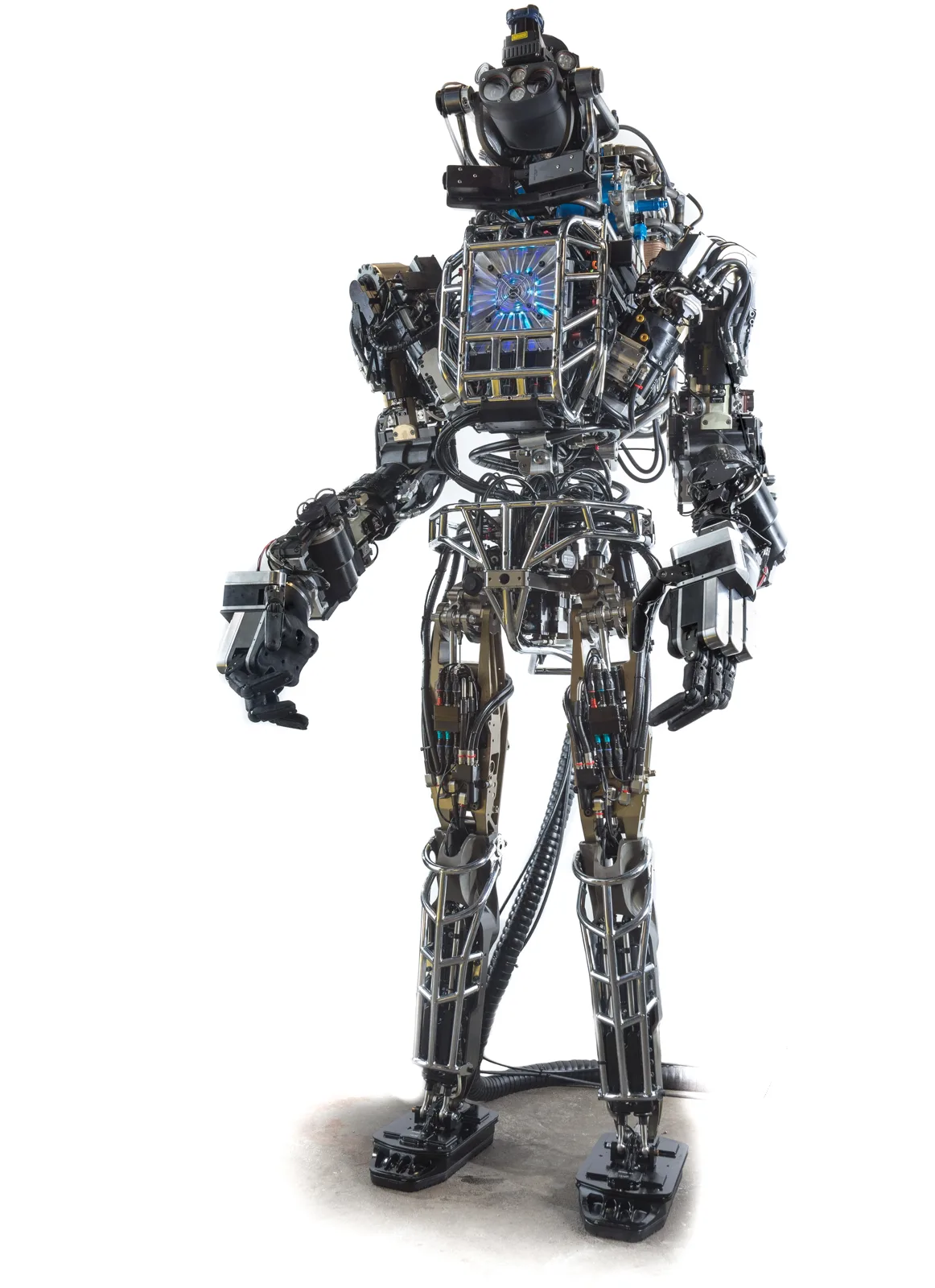
There’s a reason most robot companies went electric. Hydraulics give you a ton of force in a small package, but you have to deal with fluid pressure, seals, leaks, heat and much harder control. Boston Dynamics’ original Atlas was hydraulic and it did backflips. Then in 2024 they retired it and switched to an all electric Atlas.
NeodraDynamics is betting the other way, that heavy industrial work needs more muscle than electric joints can give.
The company was started by engineers with backgrounds at Tsinghua University, one of China’s top schools. Founder Yang Tao says the goal isn’t to copy the human body. He thinks robots should be stronger than people and do the jobs people can’t safely do.
What’s not proven
All of these numbers come from the company. Nobody outside has tested the 1,102 pound lift or the accuracy claim. And a trade show demo is a long way from running a full shift in a mine or a port day after day.
My take
I love that someone built a giant robot just because the job needs one. Not every robot has to fold laundry. Somebody should be making the ones that go into a nuclear plant or a collapsed mine so a person doesn’t have to.
Hydraulics worry me a little though. Boston Dynamics had the best hydraulic humanoid on Earth and still walked away from it. Leaks and upkeep are real problems.
But if Neo1 can actually do half of what they claim, it’s a different lane from everybody else, and I’d rather see a 13 foot robot clear a disaster site than a 5 foot one serve coffee.
So basically — pass it on.
Daily Updates
Get new stories in your inbox
Near-future tech when it moves. Robots, space, EVs, AI. No spam.