NASA's New Moon Plan Has SpaceX's Starship Pushing Orion to the Moon, and Nobody Agrees on How Many Launches It Takes
NASA just laid out how astronauts will get to the Moon as soon as 2028. Under the new plan, a Starship lander meets Orion near Earth and pushes it to the Moon. A NASA safety panel says that could take about 22 Starship launches. Elon Musk says more like 6 to 8.
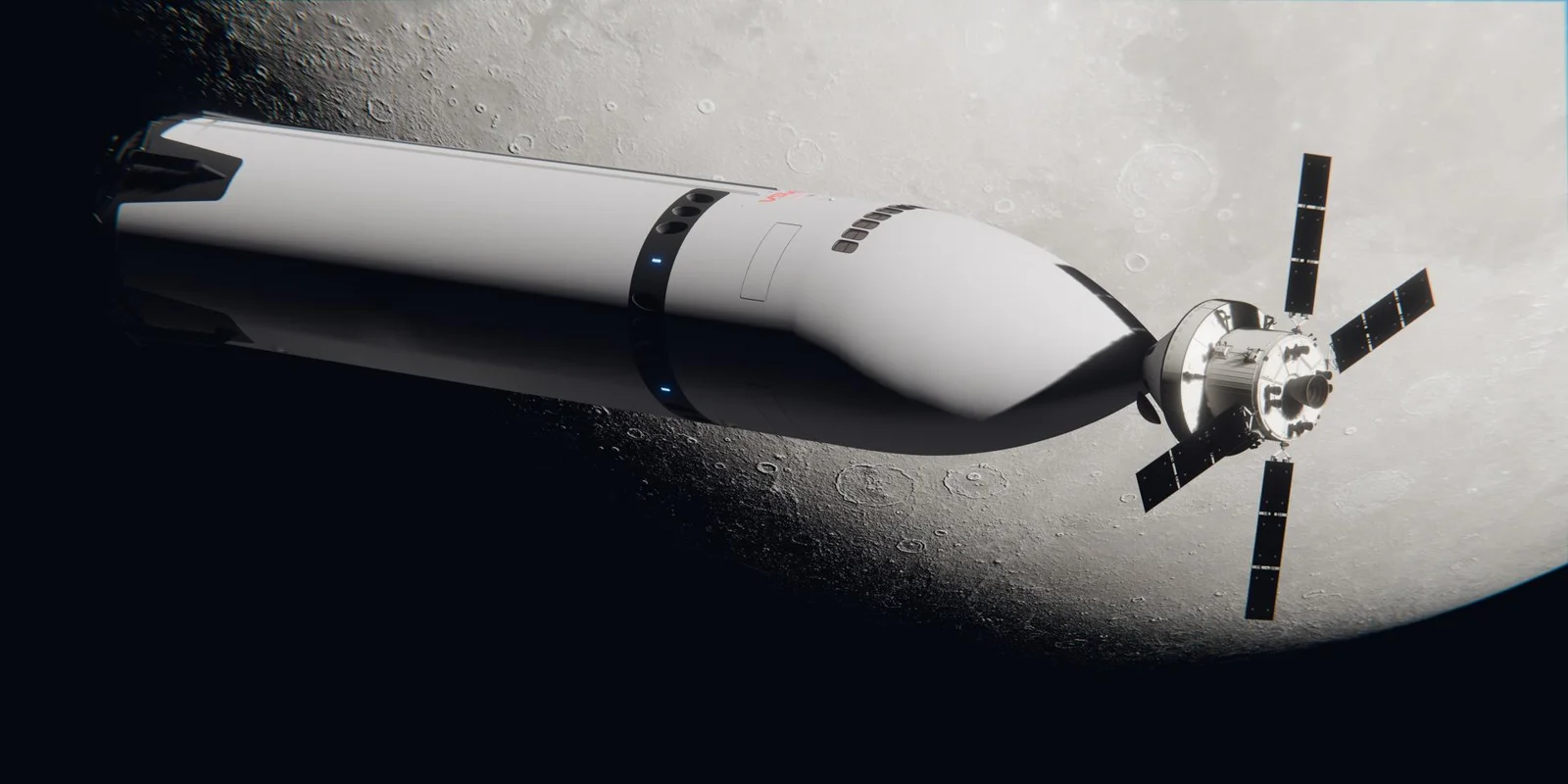
So basically: NASA just changed how astronauts will get to the Moon. In the new plan, SpaceX’s Starship lander waits in orbit around Earth, docks with NASA’s Orion capsule and the crew, and then fires its own engines to push the whole stack to the Moon. NASA laid it out on Oct. 23 and says it’s still aiming to land people in 2028. The catch is fuel, and right now NASA’s own safety panel and Elon Musk are miles apart on how many launches that takes.
What changed
Before, the plan was for Orion to fly all the way out to the Moon on its own and meet the lander in a big, looping orbit around the Moon called a near-rectilinear halo orbit. That’s the orbit the Lunar Gateway station was going to use. Ars Technica reports that getting rid of that requirement was SpaceX’s biggest ask, and when NASA canceled Gateway earlier this year, that solved it.
Now Orion and Starship will meet up near Earth instead. NASA says the lander will do the big burn to head for the Moon and carry Orion with it into a low orbit around the Moon. NASA is changing Orion so Starship can push it. Then two astronauts ride Starship down to the surface for several days while the other two stay in Orion, and Starship brings them back up when they’re done.
NASA says the lower orbit cuts how much fuel Starship needs to gather up and makes the trip from the surface back to Orion shorter. For scale, NASA says the Starship lander is about 165 feet tall, about the same as a 15 story building.
The gas station in space
Here’s the part people are fighting about. Starship burns most of its fuel just getting to orbit. So SpaceX’s plan is basically a gas station in space. It launches a “depot” Starship first, then a bunch of “tanker” Starships fly up one at a time and pump their leftover super cold propellant into it. Then the lander docks with the depot and fills up.
On Oct. 22, at NASA’s Aerospace Safety Advisory Panel meeting, panel member and former astronaut Charlie Precourt said, “I think the last estimate is around 22 flights.” He didn’t name Starship, but Blue Origin’s lander doesn’t use refueling on its first missions, so it’s pretty clear who he meant.
Musk answered on X: “That’s way too high. Actual number will be more like 6 to 8.”
On Oct. 23, NASA officials wouldn’t give an exact number. Administrator Jared Isaacman said 6 to 8 is possible but called it the “ultimate potential end state” of Starship. Ars Technica’s Eric Berger did the math on the higher number. Even if SpaceX gets to launching twice a week by the end of 2027, he says it would still take about three months just to fill a depot.
Blue Origin’s version
Blue Origin is going a different way for its first landing. It’s skipping refueling between ships and using three transfer stages that work like the stages of a rocket, pushing its Blue Moon Mark 2 lander to the Moon and dropping off one by one as they run dry. Ars says that’s four New Glenn launches total. Orion would meet Blue Moon in a stretched out orbit around the Moon.
NASA also says it’s working with United Launch Alliance on a longer version of the Centaur V upper stage so Orion itself can reach low lunar orbit.
What’s next
NASA still plans Artemis III for around summer 2027. That’s a test near Earth where Orion practices docking with test versions of both landers. Artemis IV in 2028 would be the actual landing. Whichever company is ready first gets the first crew, and both have to fly an uncrewed demo landing before that.
My take
I think meeting up near Earth just makes sense. If something goes wrong, you’d rather be close to home than all the way out by the Moon. But the 22 vs. 6 to 8 thing is the whole ballgame for me. Twenty two rocket launches before one landing is a lot of chances for something to go wrong. If SpaceX actually gets it down to 6 to 8, 2028 starts looking real. I’m watching Starship Flight 15 next month way harder now.
So basically — pass it on.
Daily Updates
Get new stories in your inbox
Near-future tech when it moves. Robots, space, EVs, AI. No spam.