NASA Is Starting Over on Bringing Mars Rocks Home, and China Wants to Beat It There
NASA kicked off a new review called the Perseverance Sample Retrieval Architecture to figure out how to get the rover's Mars samples back to Earth. The team starts in January 2027, while China's Tianwen-3 aims to bring back about 500 grams of Mars in 2031.
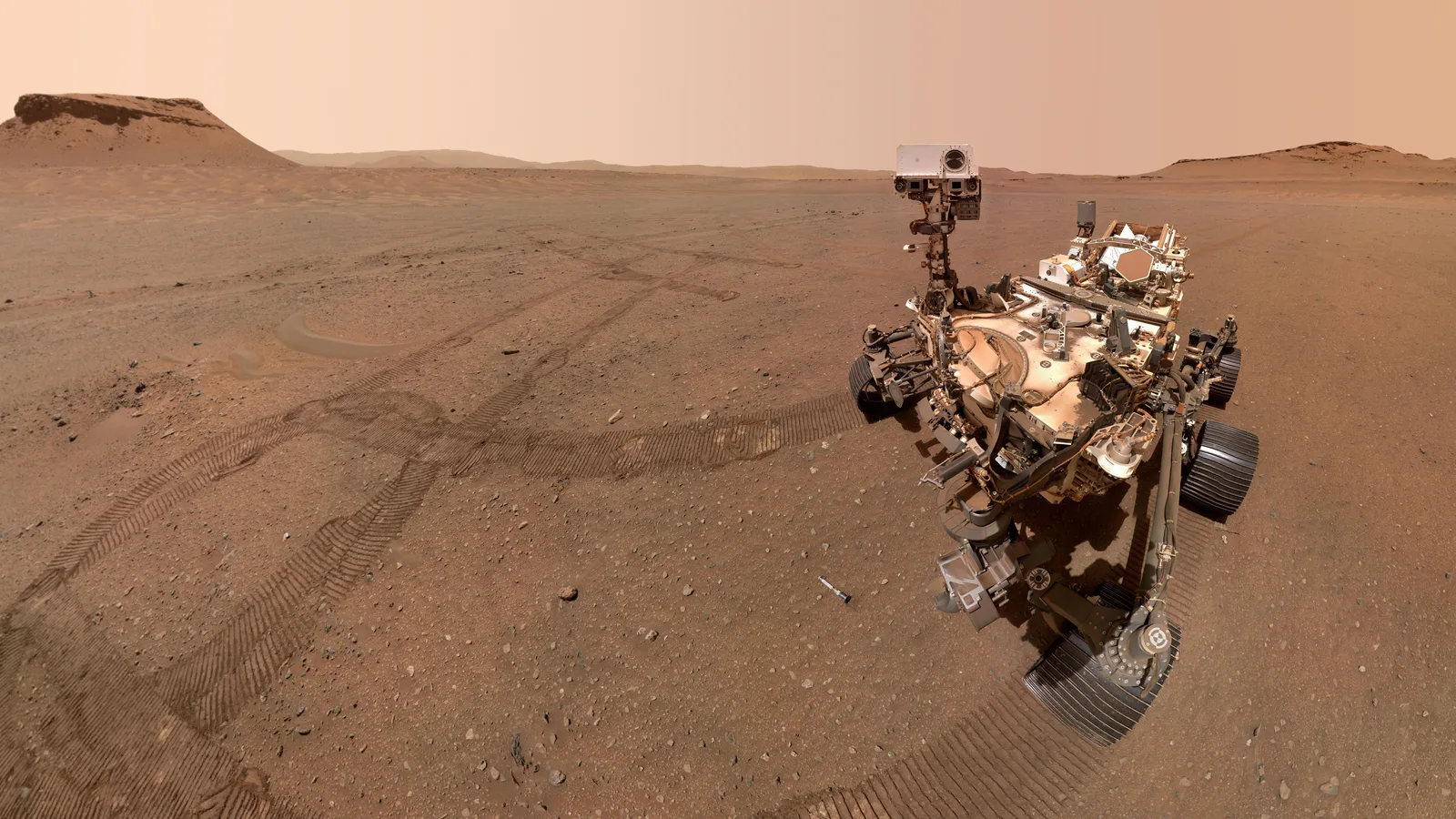
So basically: NASA has a rover on Mars that’s been collecting rock samples for years, and still no real plan to bring them home. Now it’s starting over. NASA just kicked off a new effort called the Perseverance Sample Retrieval Architecture, or PSRA, to figure out the best way to get those samples back to Earth. And it’s doing it while China is moving ahead with its own plan to grab Mars rocks first.
What NASA announced
Tiffany Morgan, who runs NASA’s Mars Exploration Program, brought up the new effort on Nov. 9 during a virtual meeting of scientists who advise NASA on Mars, according to Space.com.
The PSRA team is supposed to:
- Come up with fair, independent recommendations for getting Perseverance’s samples back
- Look at what the mission actually needs to do
- Go back over lessons from earlier tries
- Check what technology and contracts are available now
The team kicks off in January 2027, and its final report is due in the winter of 2027 to 2028. So this is a plan to make a plan, and it’ll take about a year.
Why it keeps getting stuck
Perseverance landed in Jezero Crater in February 2021. Since then it’s been drilling out rock cores, sealing them in tubes, and either keeping them inside the rover or dropping them on the ground at spots like the Three Forks depot. Those tubes could hold signs of ancient life on Mars, which is a big reason scientists want them back so badly.
The problem has always been cost. One review put the old Mars Sample Return plan at about $11 billion, with samples not getting home until 2040. NASA itself said that was too expensive and too slow. Another review found it might be done by 2035 for around $8 billion, which is still a lot.
How the new team handles the money question is still up in the air.
Why astronauts care too
This isn’t just about science nerds wanting cool rocks. Bruce Jakosky, a Mars scientist at the University of Colorado Boulder, told Space.com that getting samples back before people go to Mars would lower the risk for astronauts.
Mars soil has nasty chemicals in it, like perchlorates, that you don’t want to breathe in. There’s also super fine dust that could get into lungs and wear down suits and equipment. Studying real samples here first would tell suit designers and mission planners exactly what they’re dealing with.
It would also prove we can do a full round trip to Mars, including landing and launching back off the surface, which nobody has ever done.
China’s version
Here’s the part that’s probably lighting a fire under NASA. China’s Tianwen-3 mission looks on track to launch around 2028 on two Long March 5 heavy rockets from Wenchang, on the island of Hainan.
According to China’s space agency, Tianwen-3 will have five parts:
- A lander
- An ascender to launch the samples off Mars
- A service capsule
- An orbiter
- A capsule to bring the samples back through Earth’s atmosphere
The goal is to bring home about 500 grams of Mars, a little over a pound, in 2031. That’s years before even the most hopeful NASA date.
My take
It drives me a little crazy that we’ve got sealed tubes of Mars sitting on the ground and no ride home for them. I get it, $11 billion is real money. But if China lands Mars rocks on Earth in 2031 while NASA is still on its third or fourth plan, that’s going to be a rough look. I hope this new team comes back with something cheaper and faster, maybe using commercial rockets the way NASA is doing for the Moon. The samples are already packed. Somebody just has to go get them.
So basically — pass it on.
Daily Updates
Get new stories in your inbox
Near-future tech when it moves. Robots, space, EVs, AI. No spam.