NASA Just Picked 8 Companies for a $10 Billion Moon Delivery Deal, Including SpaceX and Blue Origin
NASA chose eight companies for CLPS 2, a 10-year contract worth up to $10 billion to build and fly robotic landers that deliver cargo to the Moon for its planned Moon Base at the lunar South Pole.
So basically: NASA just picked eight companies that can compete to deliver cargo to the Moon over the next 10 years, under a new contract worth up to $10 billion. It’s called CLPS 2, and it’s how NASA plans to ship stuff to the Moon Base it wants to build at the lunar South Pole.
The eight companies
Here’s who made the list:
- Blue Origin
- Firefly Aerospace
- Intuitive Machines
- ispace-U.S.
- Lockheed Martin Space
- Northrop Grumman Space Systems
- SpaceX
- Voyager Technologies
Getting on this list doesn’t mean each company gets a check right away. It means they’re now allowed to bid on actual Moon delivery missions as NASA needs them. The $10 billion is the most NASA can spend across all of them combined over the 10 years.
What CLPS actually is
CLPS stands for Commercial Lunar Payload Services. Instead of NASA building its own Moon landers, it pays private companies to build, run and fly them. NASA just buys a seat for its science gear, tools and equipment, kind of like shipping a package.
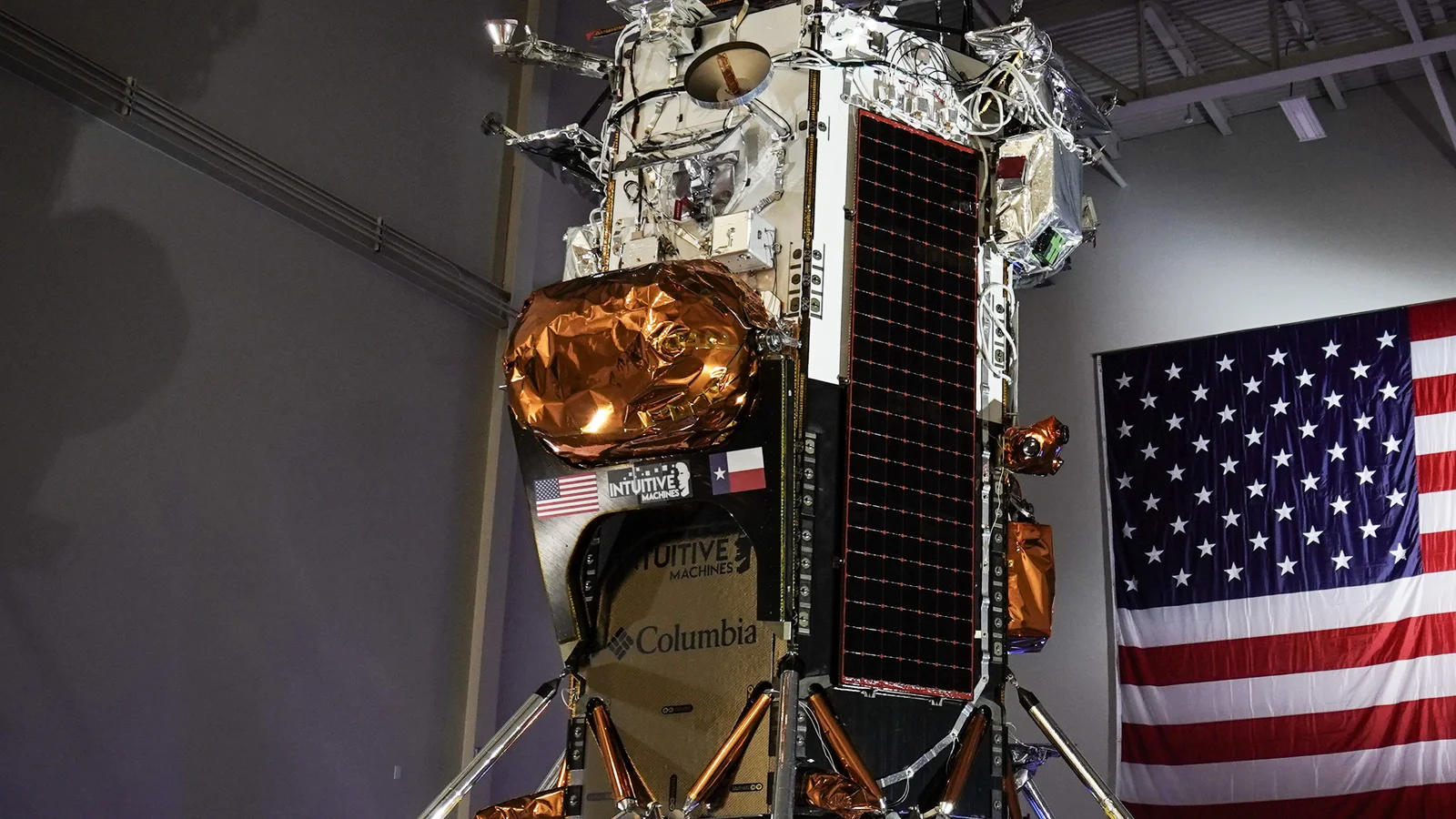
The first version of CLPS has been going for a while. Intuitive Machines and Firefly have both already put landers on the Moon under it. NASA also just raised the value of that first contract from $2.6 billion to $4.2 billion to cover the early Moon Base work. That one runs through November 2028, with extra time through 2033 to finish missions already handed out.
So CLPS 2 is the bigger, longer follow-up.
Why now
NASA’s whole plan right now is to build a permanent base at the Moon’s South Pole, one mission at a time. NASA Administrator Jared Isaacman said, “When our astronauts return to the Moon, they will arrive with the first elements of the Moon Base already waiting for them on the surface.”
That means a lot of robot landers dropping off cargo before people show up. Power gear, communication towers, rovers and science instruments all have to get there somehow.
The other stuff NASA announced
CLPS 2 was the biggest number, but NASA dropped a whole pile of Moon news at once at an event at Kennedy Space Center in Florida:
- About $1.3 billion in launch and transport task orders to Arrow Science and Technology, Blue Origin and Impulse Space, with some missions flying on New Glenn, Terran R and Falcon 9
- A SpaceX Starship flight in 2028 to put communication satellites in space between the Earth and the Moon
- Blue Origin got a $94 million contract, with a $140 million option, to land NASA’s nuclear-powered PROMISE rover at the South Pole on its Mark 1 lander
- Small drones called MoonFall that will scout the surface before astronauts get there
- Parts for a small solar power and communications tower from Honeybee Robotics, Redwire and Yank Technologies, including wireless power transfer gear
We wrote about the PROMISE rover before. It’s being built partly from spare parts left over from the Curiosity and Perseverance Mars rovers, which I still think is one of the coolest cost-saving moves NASA has made.
What this means
The big shift here is that NASA isn’t trying to do everything itself anymore. It’s paying a bunch of companies to compete, and whoever is ready and cheapest gets the missions.
Having eight companies on the list is a safety net too. Moon landings are hard and some of these landers have tipped over or failed. If one company has a bad mission, NASA still has seven others it can call.
My take
Ten billion dollars sounds massive, but spread over 10 years and eight companies, it’s really NASA saying it wants a steady stream of deliveries, not one big flashy mission. That’s how you actually build a base. I like that a smaller company like Firefly is on the same list as Lockheed and SpaceX. What I want to see now is how many of these landers actually touch down standing up, because that’s the part that keeps going wrong.
So basically — pass it on.
Daily Updates
Get new stories in your inbox
Near-future tech when it moves. Robots, space, EVs, AI. No spam.