Mexico Wants Talks With the U.S. Over SpaceX Rockets Flying Through Its Airspace, and Even Brought Up Moving the Launch Site
Mexico's president Claudia Sheinbaum says her government wants a meeting with U.S. space authorities about SpaceX using Mexican airspace, how often it happens, and possibly relocating launches. It follows debris washing up on a beach after Starship Flight 15.
So basically: Mexico wants a sit-down with the United States about SpaceX. At her morning press conference on Thursday, Nov. 26, President Claudia Sheinbaum said her government is asking, through the U.S. embassy, for a meeting between the two countries’ space and airspace authorities. She wants rules on when SpaceX can use Mexican airspace and how often, and she said that if it’s needed, they’d talk about moving the launch site.
Why this is coming up now
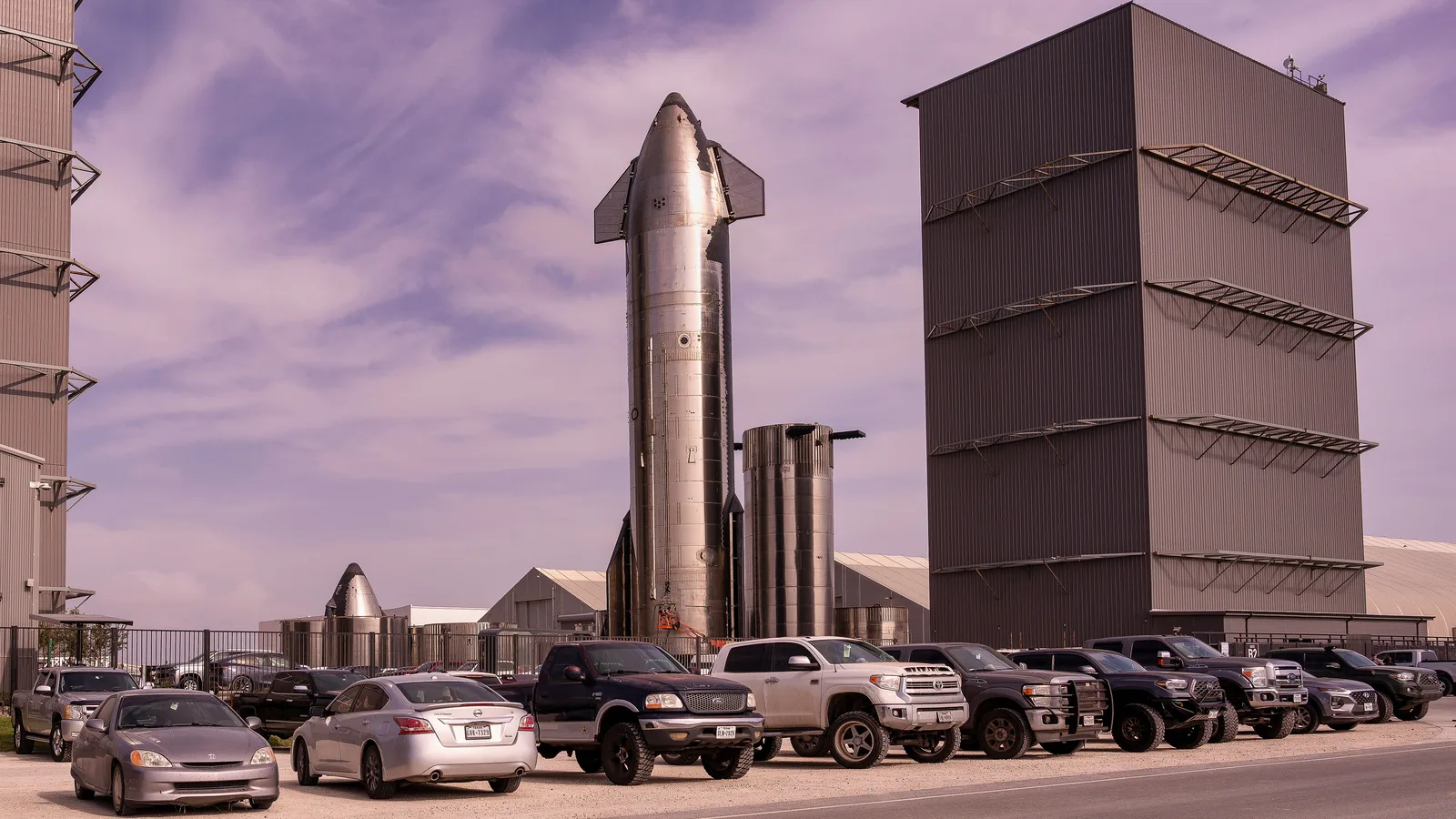
SpaceX launches Starship from Starbase, Texas, which sits right on the Gulf coast a few miles from the Mexican border. Rockets heading east over the Gulf pass close to Mexico, and the Mexican side of the border has beaches and protected nature areas just like the Texas side.
On Nov. 13, SpaceX flew Starship Flight 15. The top half, Ship 42, made history the next day when the tower caught it coming back from orbit. The booster didn’t make it. It was low on fuel, skipped its tower catch and came down in the Gulf, where it was destroyed.
Four days later, around 7:30 a.m. on Nov. 17, material started washing up on Playa Bagdad, a beach near Matamoros in the Mexican state of Tamaulipas. Mexico’s environmental enforcement agency, Profepa, said crews collected about 5.9 kilograms, roughly 13 pounds, of debris. Mexico’s Navy is storing it, and Profepa says it wants SpaceX to come pick it up and dispose of it properly.
SpaceX says it’s not clearly theirs
SpaceX pushed back on X. The company said it’s in contact with the Mexican government and is on standby to help if authorities say it’s needed. It also said partners on the ground found “very little debris” on the beach, and that the small amount found “is not clearly from SpaceX operations.”
Mexico’s own agencies have been a little careful too. Profepa said high waves and a cold front between Nov. 13 and Nov. 17 pushed stuff toward shore, and that not every piece found necessarily came from the same launch. Mexico’s Navy also confirmed the booster itself fell in U.S. waters, not Mexican ones.
What Mexico actually asked for
Sheinbaum’s quote laid out three things she wants settled:
- Permission for SpaceX flights to use Mexican airspace
- How often that would happen
- If needed, relocating the launch zone
”And then there’s the issue of the debris,” she added.
No date has been set for a meeting. This is government to government, so it would go through U.S. agencies like the FAA, not directly through SpaceX. Nobody is talking about stopping launches right now, and relocating Starbase would be a massive deal given how much SpaceX has built there.
Why it matters
SpaceX wants to fly Starship a lot more often. In 2025 the FAA approved up to 25 Starship launches a year from Starbase, and each flight that heads out over the Gulf comes with closed airspace and debris risk zones. If Mexico starts asking for a say in how often that happens, it could add another layer of approval on top of the FAA’s.
This also isn’t the first time Mexican officials have complained. Debris from earlier Starship test flights has been found on Tamaulipas beaches going back to 2025.
My take
I don’t think Starbase is going anywhere. SpaceX has sunk too much into that site, and moving it would take years. But I do think Mexico has a fair point about being part of the conversation. The rockets fly right next to their coast, and when a booster blows up over the Gulf, some of it is going to wash up somewhere.
The easy fix seems like better cleanup. If SpaceX sent its own crews to sweep the Mexican beaches after every flight and picked up whatever Profepa is holding, I think a lot of this would calm down.
So basically — pass it on.
Daily Updates
Get new stories in your inbox
Near-future tech when it moves. Robots, space, EVs, AI. No spam.