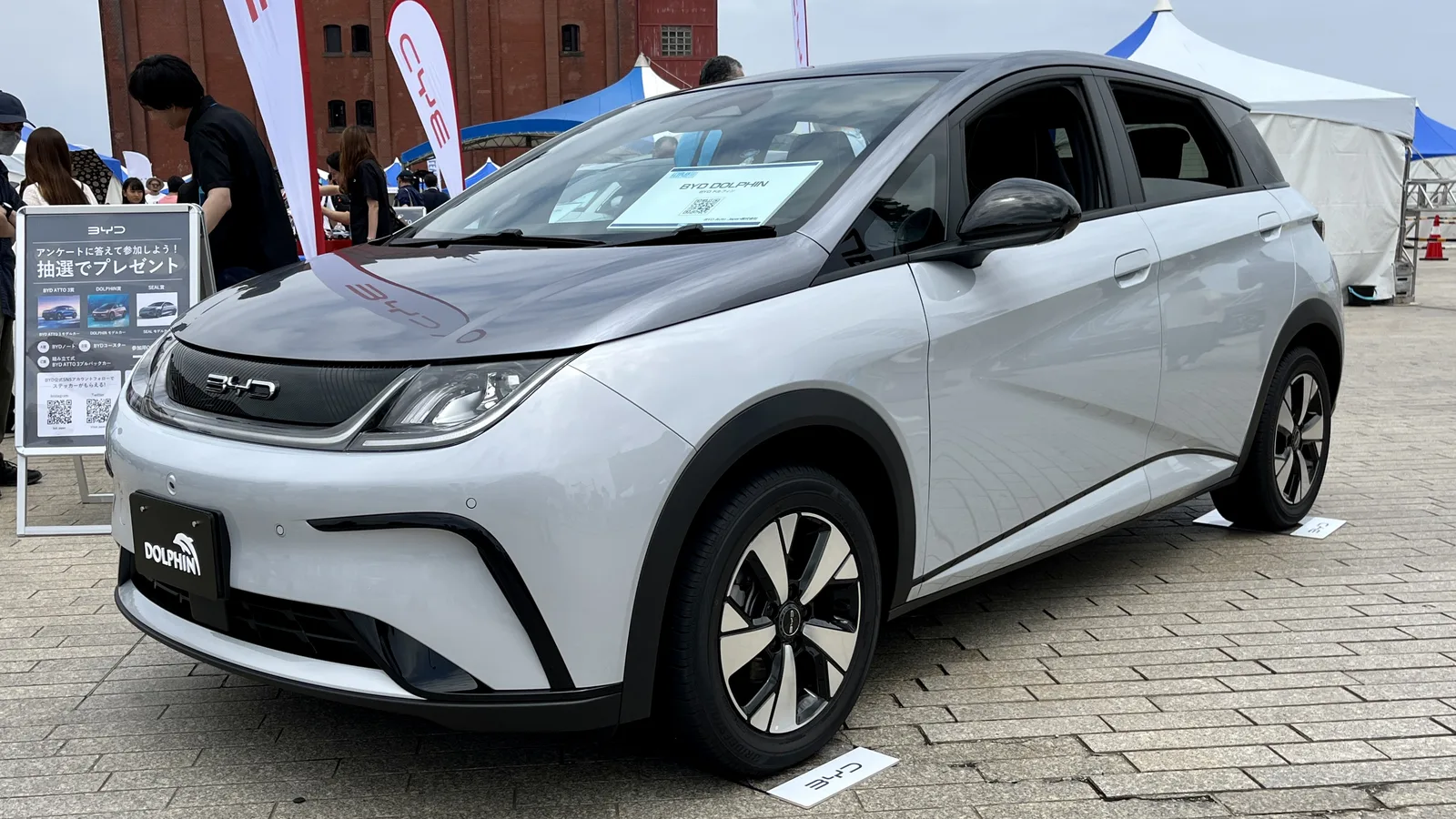
The Biggest US Air Force Base in Asia Is Now Turning Away Every BYD Car at the Gate, Even Taxis and Delivery Trucks
Starting Oct. 26, 2026, the US Air Force's 18th Wing at Kadena Air Base in Okinawa, Japan, is blocking all vehicles made by Chinese EV maker BYD, calling them an unacceptable and unmitigable risk. The worry is the cameras, sensors and GPS built into modern cars.
So basically: The US Air Force base at Kadena in Okinawa, Japan, is no longer letting cars made by the Chinese automaker BYD through its gates. The ban started on Monday, Oct. 26. It doesn’t matter whose car it is. Privately owned cars, contractor vehicles, taxis and delivery trucks all get turned around, and base officials say there are no exceptions.
Why would a base ban a car brand?
The Air Force hasn’t spelled out the exact reason. The unit that runs the base, the 18th Wing, put it this way: “These vehicles present an unacceptable and unmitigable risk to our personnel and our mission."
"Unmitigable” is the key word there. It basically means they don’t think there’s any fix, like turning off a setting or covering a camera, that would make the cars OK.
Reports out of South Korea and Japan say the worry is the tech built into modern cars. A new EV is covered in cameras, has sensors all the way around it, knows exactly where it is by GPS, and is usually connected to the internet all the time. Drive one around an air base and, in theory, it could be collecting pictures and location data on everything it passes. That includes fighter jets, refueling planes, radar and weapons storage.
Nobody has said a BYD car actually did anything like that. This is about what the cars could do, not something they got caught doing.
Why Kadena matters so much
Kadena is the largest US Air Force base in East Asia. It’s the base that would be right in the middle of things if there were ever a crisis involving China, North Korea or Russia.
It’s also where the Army’s Typhon missile launcher has been stored after exercises earlier this year. Reports say that system can fire Tomahawk missiles about 1,600 kilometers, which is about 1,000 miles. China was not happy about that.
So when you think about which base would care most about cameras rolling through the gate, this one is near the top of the list.
BYD was already on a Pentagon list
Back in June, the Defense Department added BYD to its list of companies it says have ties to China’s military. That list now has 188 companies on it, including the EV maker Nio, Alibaba and Baidu. Being on the list means the Pentagon can’t buy from those companies or sign contracts with them directly. China protested when BYD was added.
BYD is a huge deal in the car world. It passed Tesla in 2025 to become the biggest seller of fully electric cars on the planet. It’s been pushing into Japan, and in July it launched a small electric car there called the Racco to compete with Japan’s own tiny cars.
That’s why the ban reaches further than you might think. It isn’t just about troops who bought a BYD. Any taxi driver or delivery driver who uses one for work now has to stop at the gate.
Could this spread?
Maybe. South Korea’s Yonhap news agency raised the possibility that US bases in South Korea could do the same thing. A US Forces Japan spokesman said base commanders are responsible for protecting their people and missions and can take lawful security steps against credible threats. For now, though, the ban is only at Kadena.
It’s also not the first time this has happened in reverse. In 2021, China kept Teslas out of some government compounds over worries about the cameras on them. China lifted that in 2024.
My take
I work in a jail, so I understand gate security better than most. You control what comes through the door, period, because one mistake can cost you. And a modern car really is a rolling camera with an internet connection. I’d want a straight answer on that too if I were guarding jets. What gets me is that it took this long. BYD has been selling cars in Japan since 2023. I’d bet this won’t be the last base to do it, and I wouldn’t be surprised if American carmakers start getting asked the same questions about their own cameras before long.
So basically — pass it on.
Daily Updates
Get new stories in your inbox
Near-future tech when it moves. Robots, space, EVs, AI. No spam.