America's Two Biggest Air Taxi Companies Now Say Passenger Flights Are Coming in 2027
Joby and Archer both now point to 2027 for their first paying passengers in the US, after originally targeting 2025. Here's what each one still has to do first.
So basically: Joby Aviation and Archer Aviation, the two biggest electric air taxi companies in the US, now both say their first paying passengers will fly in 2027. Both originally said 2025. So we’re looking at about a two year slip, and each company is stuck waiting on a different thing.
Where Joby is
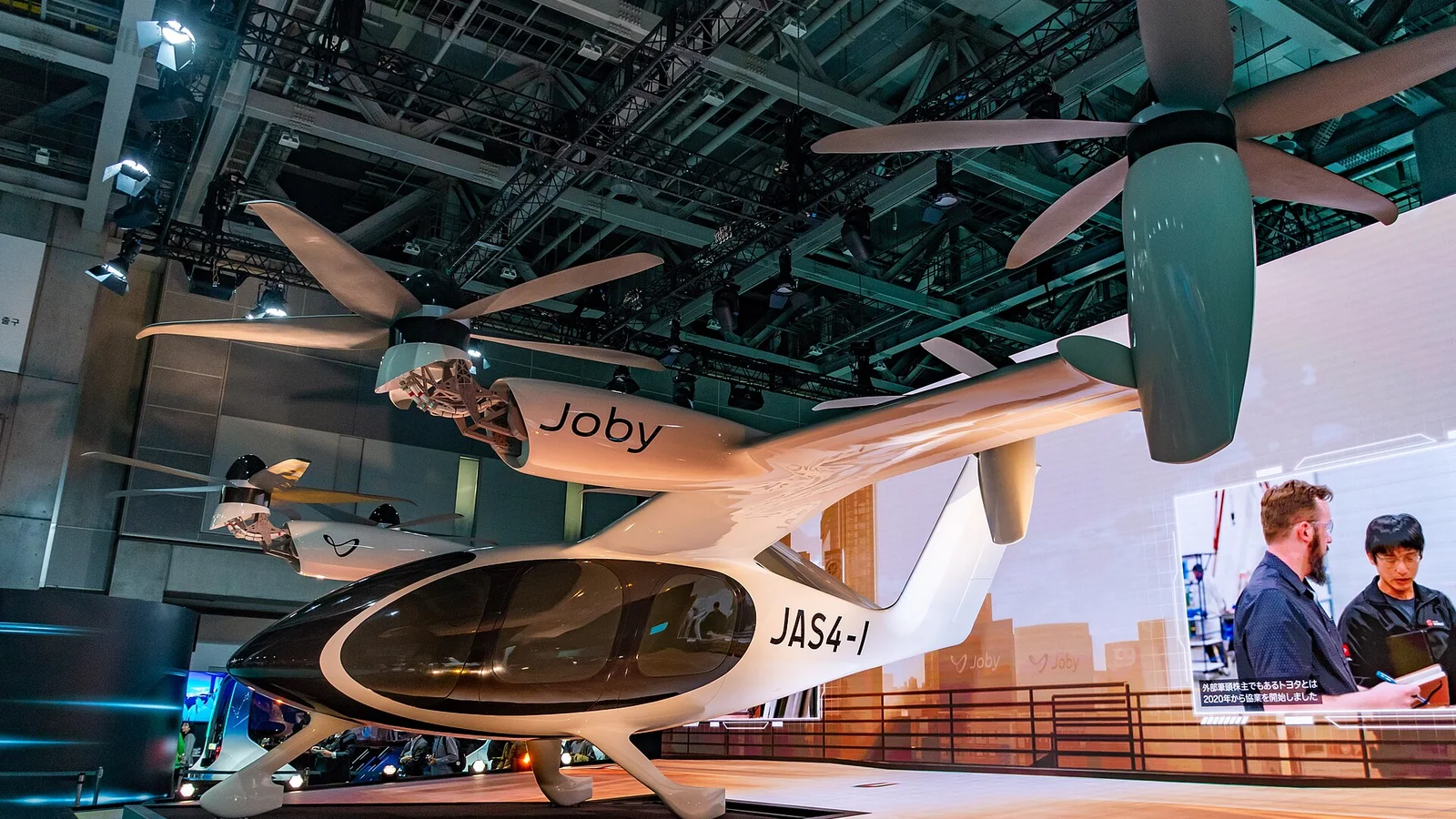
Joby’s air taxi is the S4. It takes off and lands straight up like a helicopter, then tilts its propellers forward and flies like a plane. It already did that switch with a pilot on board back in April 2025.
What Joby is waiting on now is the FAA. Specifically, FAA test pilots have to start flying Joby’s aircraft for official certification. That stage is called TIA testing, short for type inspection authorization.
Here’s the catch. Joby plans to fly paying passengers under an FAA program called eIPP, the eVTOL Integration Pilot Program. And the FAA only allows paid flights in that program once its own pilots start those certification tests.
Joby’s timeline looks like this:
- FAA pilots start training on Joby’s aircraft in the first half of 2027
- Joby finishes its own testing of the certification aircraft around the same time
- Then the FAA’s official test flights begin, which usually take 6 to 18 months
- Joby plans to fly several aircraft at once to shorten that
Joby CEO JoeBen Bevirt also wants to add the air taxis to Joby’s Blade helicopter service in New York in 2027. And Joby plans piloted test flights in Dubai before the end of this year.
Where Archer is
Archer’s aircraft is called Midnight. It’s further behind on one key thing. It still hasn’t done that switch from hovering to flying on its wings with a pilot on board. Joby did that a year and a half ago.
Archer says it’s still on track to do it by the end of this year. It has flown more than 260 piloted test flights, and over 100 of them were spent working toward that transition.
Archer just moved Midnight to Hawthorne Airport near Los Angeles and plans to start flying there in the coming weeks. The FAA gave it a market survey certificate this week, which lets it show the aircraft to customers. But that only covers regular runway takeoffs and landings. After the transition flight, Midnight needs 50 more hours of testing before Archer can ask to do vertical takeoffs under that certificate.
Archer CEO Adam Goldstein says he plans to be Midnight’s first passenger in 2027, with the 2028 Olympics in LA as the big target.
The money
These companies are still burning a lot of cash. Last quarter:
- Joby lost $211.8 million on $55.1 million in revenue, and almost all of that revenue came from Blade helicopters. It has $2.2 billion in the bank.
- Archer lost $274.6 million on $5.1 million in revenue. It has $1.35 billion.
Both are buying defense businesses that already make money. Joby has 17 aircraft in production, and Archer is building nine Midnights for testing.
Meanwhile, Beta Technologies already got its own market survey certificate for its Alia 250 in October. So Beta is quietly in the mix too. Brazil’s Eve Air Mobility is further back, aiming for certification in 2028.
My take
Two year slips in aviation aren’t really shocking. Certifying a whole new kind of aircraft is slow on purpose, because nobody wants to rush that part. What I’d watch is simple. For Joby, it’s when FAA pilots actually climb in. For Archer, it’s whether that piloted transition happens before New Year’s. If both happen on time, 2027 actually looks real this time.
So basically — pass it on.
Daily Updates
Get new stories in your inbox
Near-future tech when it moves. Robots, space, EVs, AI. No spam.