HS2 Just Broke Through Into London's New Super Station by Pushing Out a Wall Like a Jenga Tower
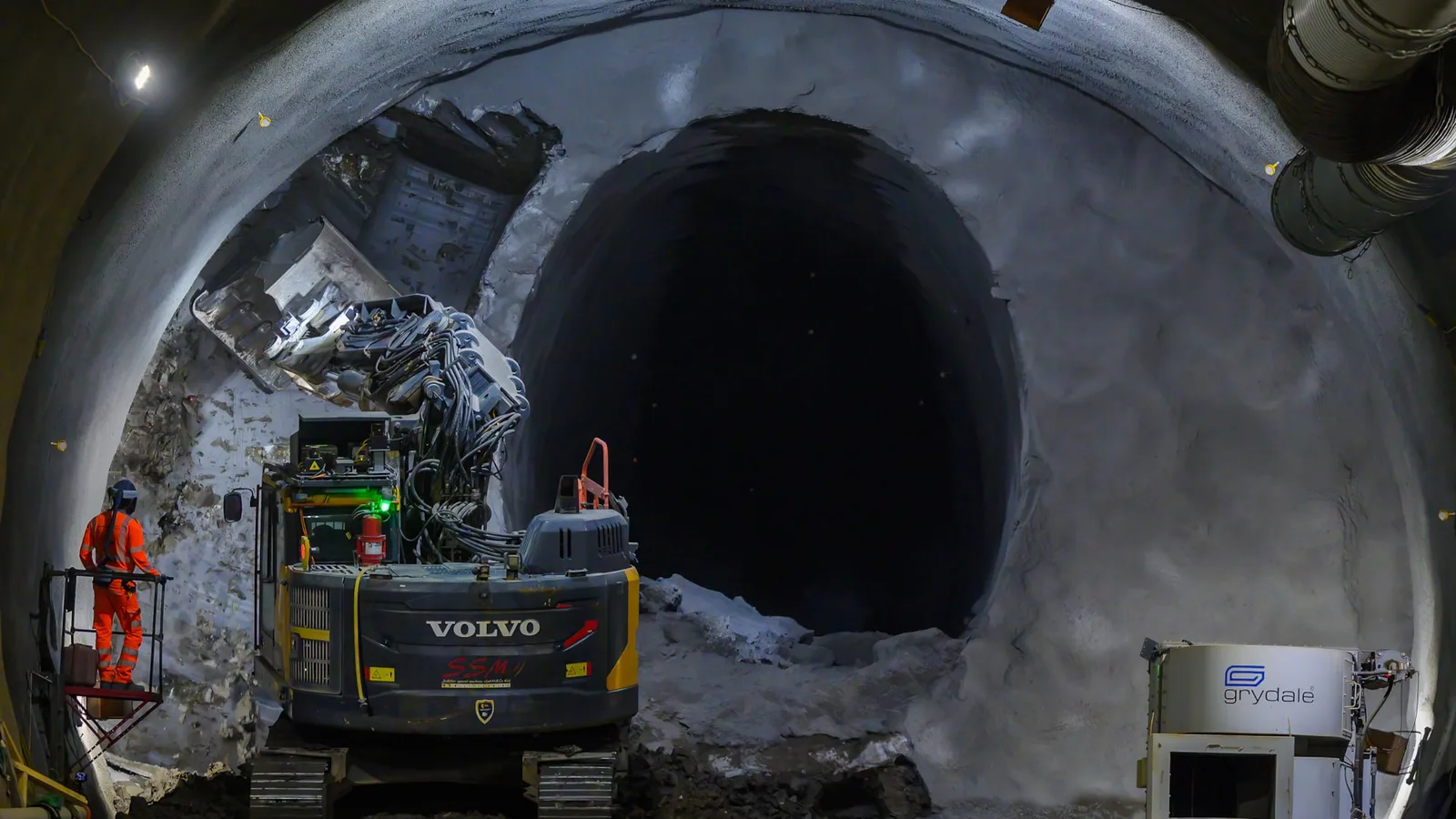
On Nov. 4, 2026, HS2 said mining crews have broken through into the Old Oak Common station box in west London after digging out 100,000 tonnes of London clay. The breakthrough links the station to an 8.8-mile tunnel run toward Birmingham.
So basically: Britain’s new high-speed railway, HS2, just hit another big milestone. Crews digging under west London have broken through into the giant underground box that will become Old Oak Common station, and they did the last part by cutting a wall into blocks and pushing them out like a Jenga tower.
HS2 announced it on Wednesday, Nov. 4, 2026.
What they dug
This part of the project is two tunnel sections, each about 360 meters long. That’s around 1,180 feet.
Most of HS2’s tunnels were dug with huge tunnel boring machines. These weren’t. Crews mined them with regular tunnel excavators through London clay, then sprayed the walls with concrete as they went.
Here are the numbers HS2 gave:
- 100,000 tonnes of material dug out
- HS2 says that’s about the weight of 14,000 double-decker London buses
- 30,000 cubic meters of sprayed concrete lining the tunnels
- Work started from a site called the Victoria Road crossover box in May 2024
All of that dirt didn’t go to waste either. HS2 says every bit of the 100,000 tonnes went to reuse projects around the UK.
The Jenga part
This is my favorite detail. When it came time to break through into the station box, HS2 used a method it had never used before on the project.
The wall separating the tunnel from the station was cut into blocks. Then the blocks were pushed out from the station side back into the finished tunnel behind it, one at a time. HS2 literally called it “Jenga-style.”
The northbound tunnel broke through first, on Oct. 13. This latest one finishes the pair.
Why not just use a tunnel boring machine? The tunnels get narrower as they go, shrinking from room for two tracks down to one between the crossover box and the station. A big round boring machine can’t do that, so crews had to dig and shape it piece by piece with excavators.
Why this matters
These breakthroughs create an 8.8 mile underground link from Old Oak Common out to the West Ruislip tunnel entrance on the northwest edge of London.
Old Oak Common is going to be a huge hub. HS2, the Elizabeth line, Great Western Railway and the Heathrow Express will all meet there.
Once trains run, HS2 says passengers will be able to go about 140 miles from Old Oak Common to Birmingham’s new Curzon Street station in around 45 minutes. HS2 also says the line will more than double peak-time seats between London and Birmingham, and the station could boost the local economy by £10 billion over the next decade.
The rest of the project
HS2 says all the deep tunneling between London and Birmingham is now done, and more than 80 percent of the major structures are under construction or finished.
Two giant tunnel boring machines are still digging 4.5 miles from Old Oak Common toward Euston, HS2’s future terminal in central London. They should get there in mid-2027.
HS2 also just finished another wild job up north. Crews pushed a 4,750 tonne steel bridge deck over the M6 motorway near Birmingham using hydraulic jacks, while traffic kept driving underneath. The final push took nine hours and moved the deck 76 meters.
HS2’s chief executive, Mark Wild, said the goal is to have trains running from Old Oak Common to Birmingham by 2037 or earlier.
My take
HS2 has had a rough reputation for going over budget and running late, and that’s fair. But the engineering on this thing is honestly impressive. Hand-mining tunnels that shrink as they go, and then breaking through by pushing a wall out in blocks, is the kind of problem solving you don’t see in the headlines. 2037 still feels like forever, but at least the hard digging part is getting checked off.
So basically — pass it on.
Daily Updates
Get new stories in your inbox
Near-future tech when it moves. Robots, space, EVs, AI. No spam.