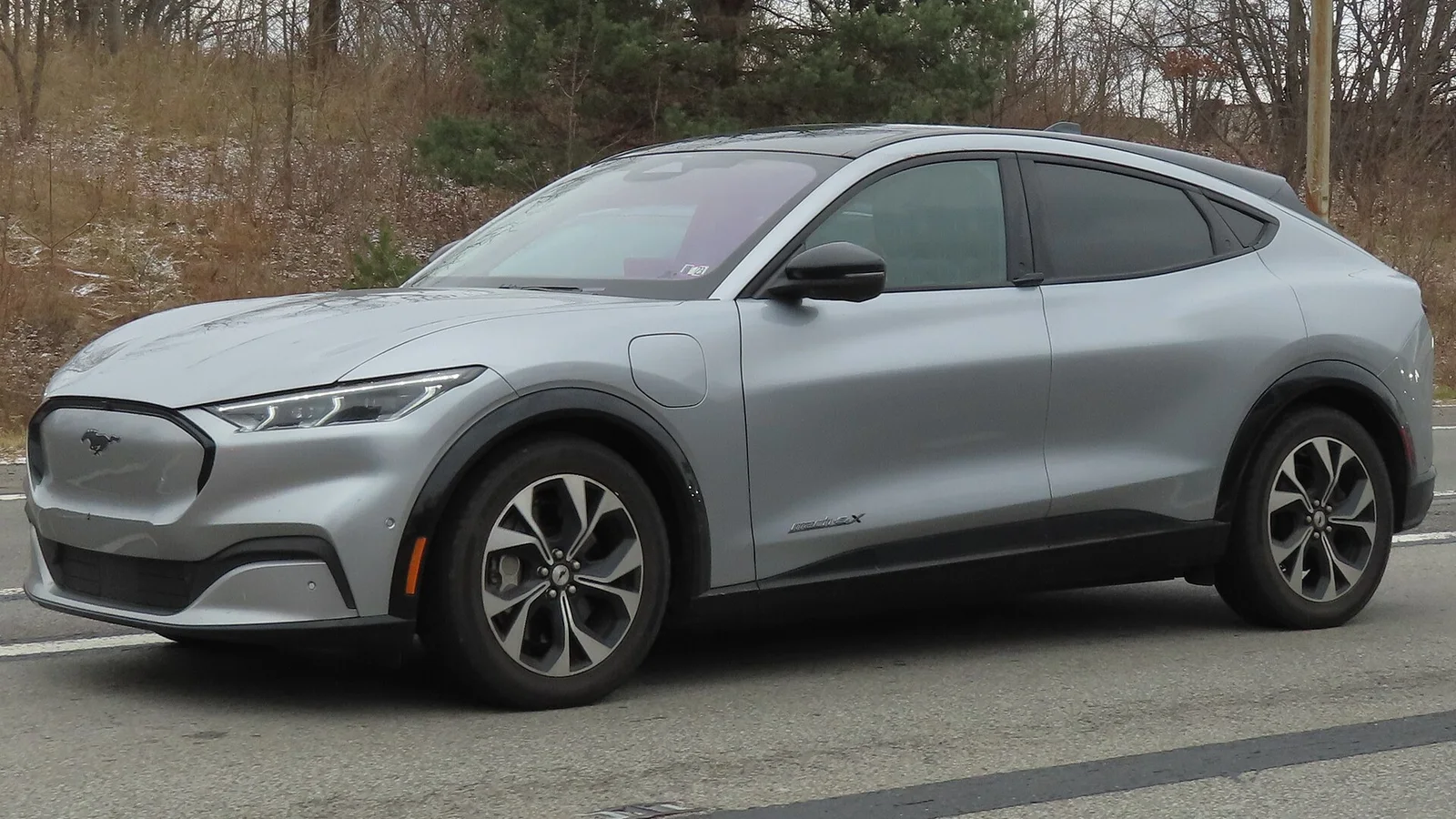
Five Years In, Ford's First Mustang Mach-E Batteries Still Have 92% of Their Capacity
Ford looked at battery data from about 36,000 model year 2021 Mustang Mach-Es. After five years and 2 billion miles, the average battery still holds 92% of its usable capacity, and cars past 100,000 miles average better than 91%.
So basically: The biggest fear people have about buying an EV is that the battery will wear out and cost a fortune. Ford just put real numbers on that. It looked at the batteries in about 36,000 of the very first Mustang Mach-Es, the 2021 models, and after more than five years and 2 billion miles, the average battery still holds 92% of its usable capacity.
Where the data comes from
Ford calls this group the “Class of 2021.” These are every 2021 Mach-E sold to retail and fleet customers in the U.S. and Canada, driven in all 50 states. The average owner has had the car for 5.2 years, and the data is as of August 2026.
Ford pulled the numbers from its own connected car data, reported at a fleet level. It wasn’t a lab test. It was regular people commuting, road tripping and hauling groceries.
For fun, Ford pointed out that 2 billion miles is almost the distance to Neptune. Not a practical comparison, Ford admits, but it shows how much driving this is.
The numbers that matter
- 92% average battery health across the whole group
- 95% of the cars fall between 87% and 97%
- More than 2,000 owners have passed 100,000 miles on the original battery and average better than 91%
- More than 30 drivers have passed 200,000 miles and average 88%
That spread is the part I’d pay attention to. Averages can hide a few bad apples, but when almost every car sits in a 10 point window, that tells you most batteries are aging about the same way.
The 400,000 mile guy
What started this was one owner named David Blenkle. He drove his 2022 Mach-E past 400,000 miles on the original battery, and it stayed healthy. Ford wanted to know if he was a fluke or part of a bigger pattern. Looking at the 2021 group, it says he’s part of the pattern, just way out at the far end of it.
It’s not just the Mach-E
Ford says that across all of its electric models from the last five years in the U.S. and Canada, the packs are averaging more than 90% health at 100,000 miles. Ford designs them to last at least 10 years.
It’s also using this data for its next wave of EVs, including its Universal EV platform and the Fathom midsize electric pickup.
How to keep your battery healthy
Ford’s battery lead, Kevin Vander Laan, gave three simple habits:
- Charge on a Level 2 charger at home for daily driving, and save DC fast charging for road trips.
- Avoid temperature extremes when you can. Precondition while plugged in, and park in the shade in summer.
- Follow the charge level advice in the Ford app for your specific car.
One more detail: these 2021 cars use NCM batteries, which don’t need full charges every day. Some newer Fords use LFP batteries, which actually like an occasional charge to 100% so the car can keep its estimates accurate.
Why this is a big deal
A typical gas car’s engine loses some efficiency over the years too, but nobody tracks it this closely. With EVs, every mile of range you lose is right there on the screen. Seeing real data that says you’ll probably lose around 8% in five years, even with heavy driving, takes a lot of the scary out of buying used.
My take
This is the kind of EV news I like, because it’s real cars and real owners, not a promise about a car that isn’t out yet. If I was shopping for a used EV, this would make me a lot more comfortable looking at an older Mach-E. The one thing I’d keep in mind is that this is Ford grading its own homework. I’d love to see more automakers, and some independent groups, publish fleet data like this so buyers can compare. But as a first look at five year old EV batteries, 92% is a really good grade.
So basically — pass it on.
Daily Updates
Get new stories in your inbox
Near-future tech when it moves. Robots, space, EVs, AI. No spam.