EHang Is Parking 25 Pilotless Passenger Drones in Thailand to Launch Air Taxis Across Southeast Asia
On Oct. 30, 2026, Chinese company EHang announced a regional hub in Thailand and plans to station an initial fleet of 25 EH216-S pilotless passenger aircraft there, with test flights planned in Sri Lanka, Vietnam and Malaysia in November and a demo in Bangkok in December.
So basically: EHang, a Chinese company that builds passenger drones with no pilot on board, just set up a home base in Thailand. It plans to park 25 of its two seat air taxis there and send them out to countries across Southeast Asia as each one gets ready.
EHang announced the hub on Oct. 30, 2026.
What the EH216-S is
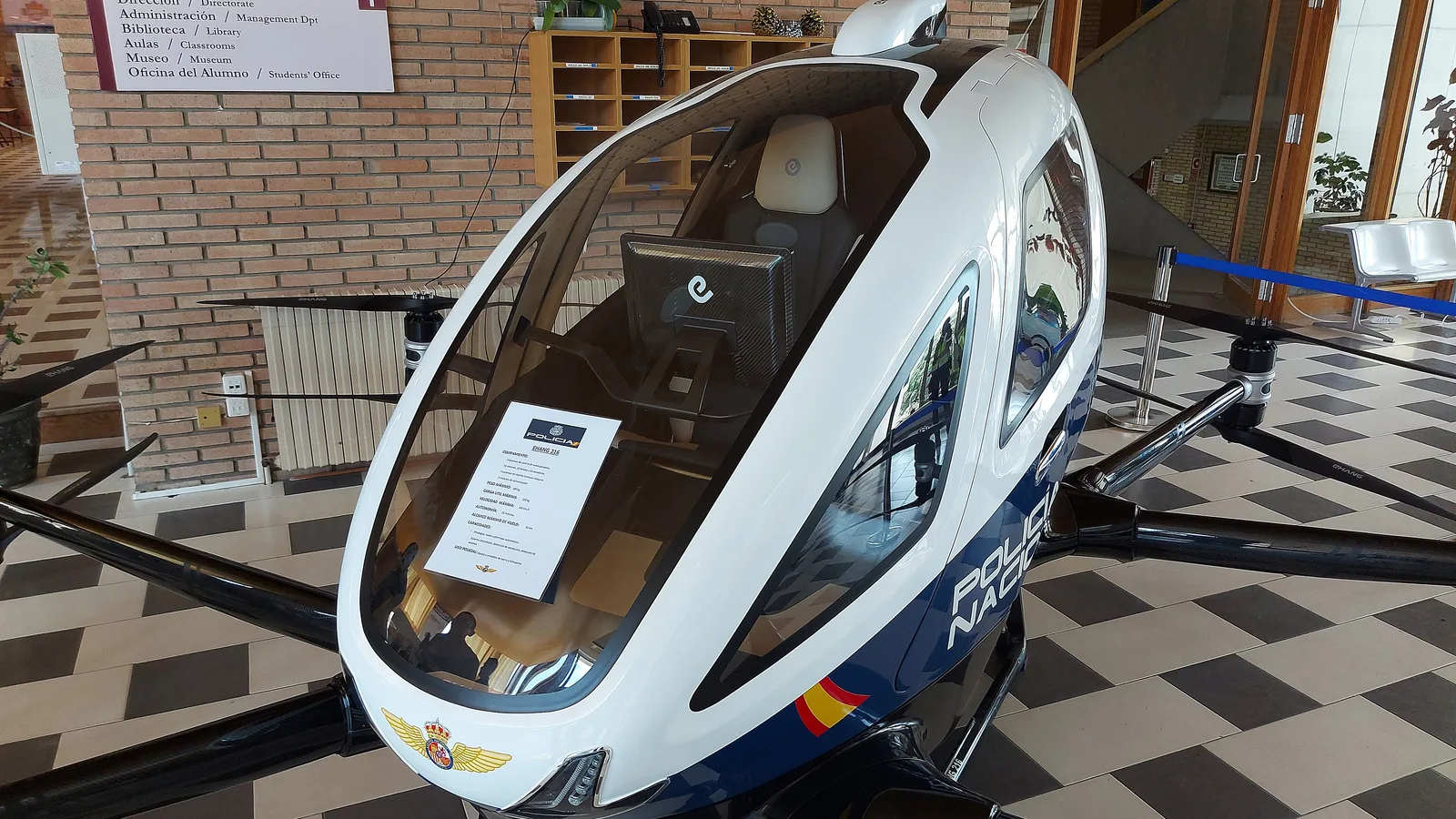
The aircraft is called the EH216-S. Picture a big drone with a two seat bubble cabin in the middle and 16 propellers around the outside. There are no pilot controls. It flies itself on a set route while people on the ground watch over it.
What makes EHang stand out is the paperwork. In China, the EH216-S got the world’s first full set of approvals for a pilotless passenger aircraft: a type certificate, a production certificate and a standard airworthiness certificate, all from the Civil Aviation Administration of China. EHang says it has also started operating under China’s first batch of commercial licenses for this kind of flying.
So in China, this isn’t a concept. It’s already carrying people.
Why Thailand
Shipping aircraft overseas for every new project is slow. EHang says having a fleet sitting in Thailand will cut down the time it takes to move aircraft and gear into nearby countries, and lets it shift aircraft between markets depending on which one is ready.
EHang already has a big presence there. It runs about 1,200 drones in Thailand for drone light shows, and says it wants to grow that to more than 10,000. The company started a test zone program in Bangkok back in October 2025.
The hub won’t just be for passenger flights. EHang says it will also support delivery drones, emergency response and those aerial light shows.
The schedule
EHang laid out what it expects to happen next, country by country:
- Sri Lanka: test flights at Port City Colombo starting in November 2026, with commercial service targeted by the end of the year
- Vietnam: test flights in a test zone in Hanoi in November
- Malaysia: a first EH216-S demo flight in Putrajaya in November
- Thailand: a demo during an International Civil Aviation Organization air taxi event in Bangkok in December
That’s four countries in about two months.
The catch
None of this is approved yet outside China. Each country’s aviation regulator still has to sign off before anyone can buy a ticket. EHang itself says the dates are plans, not promises, and that everything depends on local laws, safety checks and approvals.
China’s certificates help as a starting point, but they don’t count in Thailand or anywhere else. Each country is basically doing its own homework on whether it trusts a passenger aircraft with nobody at the controls.
How it compares to the US
Over here, companies like Joby and Archer are building air taxis with a pilot on board, and they’re still working through FAA certification. The US doesn’t have a path yet for carrying passengers with no pilot at all.
EHang went the other way. It started pilotless from day one and got China to approve it first. Now it’s trying to take that approval and use it as a head start in countries that are still writing their rules.
Sri Lanka is the one to watch. If EHang really starts commercial flights there by the end of 2026, it would be one of the first countries outside China to let regular people ride in a pilotless air taxi.
What we don’t know
EHang didn’t say how much the Thailand hub costs, how many people will work there, or what a ride will cost in any of these countries. It also didn’t give exact routes for the Sri Lanka service.
My take
I’ll be honest, getting into a drone with no pilot sounds scary to me. But EHang has been flying these things in China for a while now, and you can tell it wants to be first in as many places as possible before the Western companies are even certified. Putting 25 aircraft in one spot ready to go is a smart move. If even one of these countries says yes this year, the rest will probably follow faster.
So basically — pass it on.
Daily Updates
Get new stories in your inbox
Near-future tech when it moves. Robots, space, EVs, AI. No spam.