China's 19-Seat Electric Airliner Just Flew With Pilots on Board for the First Time
COMAC's CE-25A, a 10-ton battery-powered plane built with CATL, made its first piloted flight on Nov. 14. It had already flown 19 times with nobody on board, and China's aviation regulator has accepted its certification application.
So basically: China’s big state plane maker, COMAC, just flew its all electric airliner with people on board for the first time. It’s called the CE-25A, it weighs about 10 tons fully loaded, and it’s built to carry 19 passengers on battery power alone. Before this, it had already flown 19 times with nobody on board at all.
The flight
The test happened on Saturday, November 14, in the city of Binzhou in China’s Shandong province. Two pilots and one flight test engineer were on board.
According to AeroTime, the plane was in the air for 16 minutes and 38 seconds and covered 60.4 kilometers, about 37.5 miles. The whole test, counting everything on the ground, took just under an hour. COMAC says the plane operated normally and everything hit the numbers it expected.
What the CE-25A is
Here’s the plane on paper, according to COMAC and Xinhua:
- 19 passenger seats, made for short trips between cities
- 10 tons maximum takeoff weight
- 10 electric ducted fans, five on each wing
- Cruising speed of 300 km/h, about 186 mph
- Cruising altitude around 2,400 meters, roughly 7,900 feet
- Range of about 400 kilometers, or around 250 miles
That range won’t get you across the country. But 250 miles covers a ton of short regional hops, the kind of routes where small planes burn a lot of fuel for not many people.
Who built it
COMAC is the company behind the C919, China’s answer to the Boeing 737 and Airbus A320. On this electric plane, its main partner is CATL, the battery giant that makes a huge share of the world’s EV batteries. Shanghai Jiao Tong University worked on it too.
COMAC hasn’t said exactly what battery is inside. CATL has been pushing hard into aviation, though. Back in 2023 it showed off a battery cell aimed at up to 500 watt hours per kilogram, which it said it was working to qualify for aircraft. That’s the kind of number electric planes need, because weight is everything when you’re trying to fly on batteries.
It flew quietly for months
This part surprised me. COMAC first showed the CE-25A as a concept in 2023, and the first public pictures of a full size plane only showed up in October 2026. But according to Chinese state media, it had been flying since February 2, 2026, all on its own with no one inside. It racked up 19 of those uncrewed flights before anyone climbed aboard.
China’s aviation regulator, the CAAC, has already accepted COMAC’s application for a type certificate. That’s the official approval a plane needs before it can carry paying passengers.
How it compares
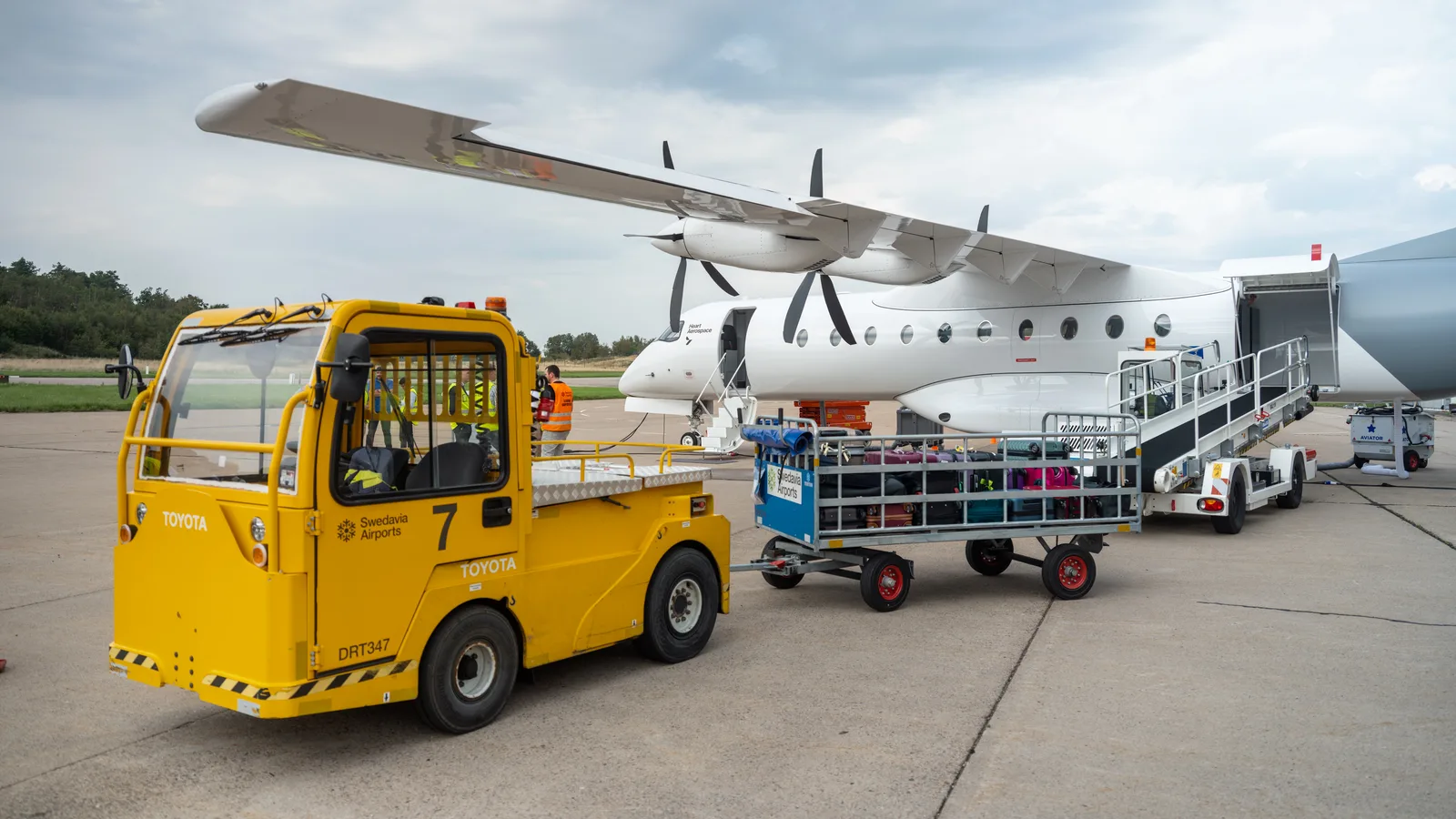
Not many fully electric airplanes this size have ever flown. AeroTime says the closest one is Heart Aerospace’s X1, which made its first flight in August 2026. Heart started in Sweden, and the X1 is an all electric test plane for a bigger hybrid airliner it plans to build later.
So right now, the CE-25A is one of the biggest all electric passenger planes that has actually flown with a crew.
What’s next
COMAC hasn’t given a date for passenger service. Getting certified will take a lot more test flights, longer ones, in all kinds of weather. Battery planes also have to prove they can handle reserves, failures and bad days safely, which is a high bar.
My take
China did this exact thing with electric cars. Start early, lean on CATL, and scale faster than everybody else. Now they’re trying the same move with planes. A 19 seat electric plane with a 250 mile range isn’t going to replace jets, but it could be perfect for short regional routes. The fact that it quietly flew 19 times before anyone noticed tells me this program is further along than people outside China thought. I’d keep an eye on how fast the CAAC moves on that certificate.
So basically — pass it on.
Daily Updates
Get new stories in your inbox
Near-future tech when it moves. Robots, space, EVs, AI. No spam.