Three Out of Four New Cars Sold in China Are Now Electric or Plug-In, and Nissan Is Cutting Gas Car Production
Electric and plug-in hybrid cars made up 74.9% of China's car sales in the first eight days of November, a new high. The same week, Nissan cut its sales forecast and said it will build fewer gas cars in China because the shift is happening faster than it expected.
So basically: In the first eight days of November, 74.9% of new cars sold in China were electric or plug-in hybrids. That’s about three out of every four cars, and it’s a new high. The same week, Nissan basically admitted it got caught flat-footed. It cut its sales forecast and said it’s going to build fewer gas cars in China.
The China numbers
These come from the China Passenger Car Association, which tracks car sales every week. For Nov. 1 through Nov. 8:
- About 219,000 electric and plug-in cars were sold to customers
- That’s down 7% from the same days last year
- But the whole car market was down 21%, so gas cars fell way harder
- Electric and plug-in cars hit 74.9% of sales, beating the monthly record of 67.5% set in October
At the wholesale level, meaning cars shipped from factories to dealers, the share was even higher at 78.7%.
The group said high oil prices around the world, plus recent gas price hikes in China, hurt demand for gas cars more than expected. That’s pushing even more people toward electric.
China is shipping cars everywhere
China also exported 9.74 million vehicles from January through October. That’s up almost 50% from last year. October alone hit 1.108 million exported vehicles, a record.
So China’s own buyers are going electric fast, and Chinese car companies are sending a flood of cars overseas at the same time.
Nissan’s rough week
Over at Nissan, CEO Ivan Espinosa didn’t sugarcoat it. “China remains our biggest challenge,” he said, according to The Guardian. “Demand is weaker, competition is intensifying, and the shift to new energy vehicles is happening faster than expected. The market is being very, very harsh.”
Here’s how bad it’s been:
- Nissan’s China sales fell 22% in the first half of the year
- By the end of September, they were down 32% for the year
- Nissan now expects to sell 2.97 to 3 million cars worldwide this year, down from 3.15 million
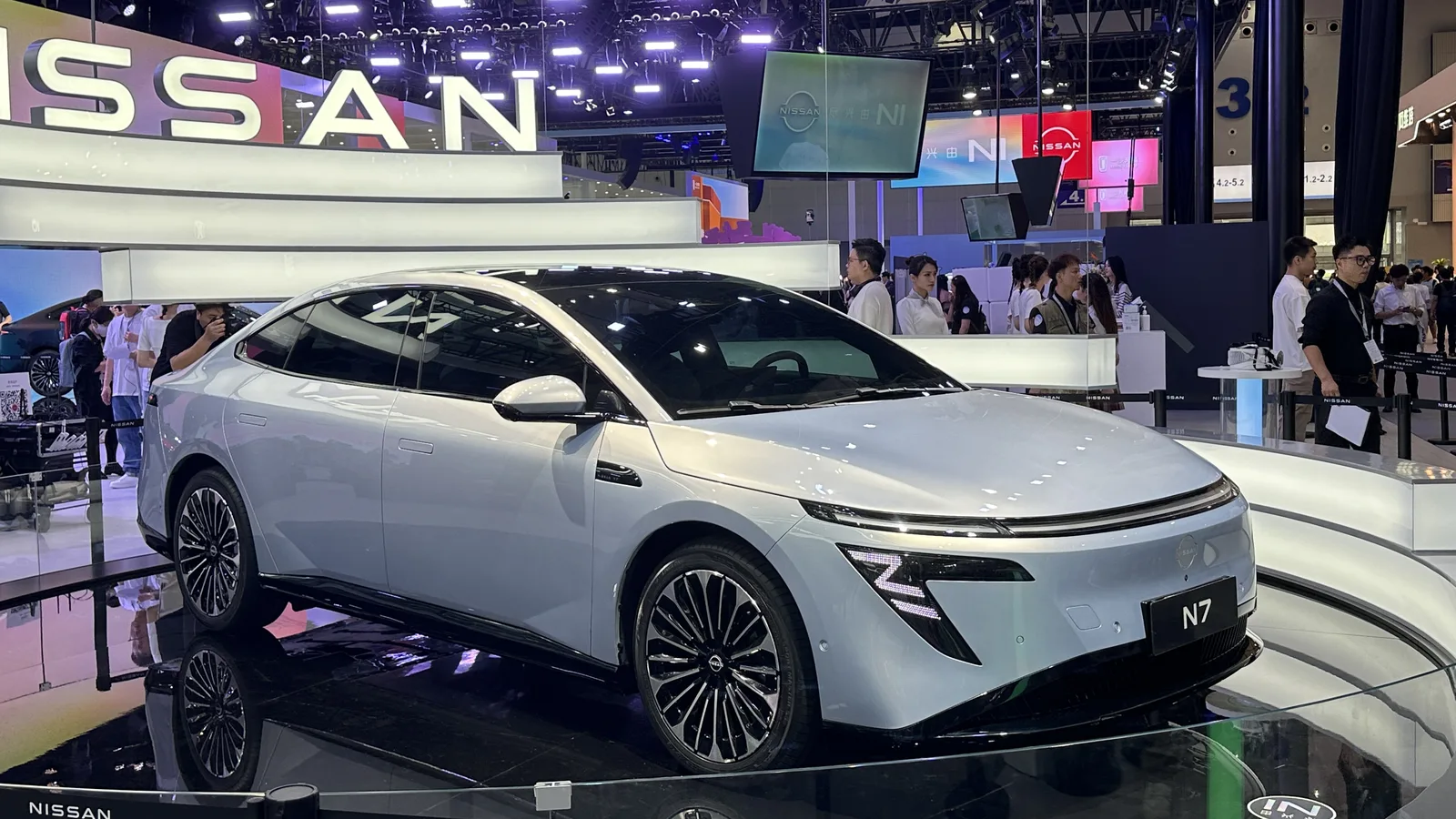
Espinosa said Nissan’s lineup in China leaned too hard on gas cars, especially its Sylphy sedans. So it’s cutting gas car production there, shipping some of those cars to other countries, and trying to ramp up its N series, which are electric and plug-in hybrid models like the N7 sedan.
Different story in America
Here’s the strange part. Nissan’s sales actually went up in Japan and North America. The shift to electric is going a lot slower in the U.S., partly because federal EV incentives got cut.
That leaves companies like Nissan stuck in the middle. In China, they need to go electric as fast as possible or get crushed. In the U.S., gas cars still sell and make good money. The Guardian also noted Nissan has pushed the UK to soften its rules on selling gas cars after 2035.
Even there, things are moving. Used EV sales on the UK car site Autotrader jumped 56% from a year earlier in October, and EVs are now about 1 in 10 of its retail used car sales. Nissan also has a new headache in Europe. Proposed “Made in Europe” rules in the EU, as drafted, would leave all of Nissan’s cars out of subsidies there.
My take
74.9% is a number that would have sounded crazy a few years ago. China went from EVs being a niche thing to gas cars being the niche thing. Nissan’s problem is the problem every old car company is going to face. You can’t keep selling the same gas sedans in a market that moved on. The scary part for American and Japanese automakers is that these same Chinese companies are now exporting a million cars a month. At some point that wave reaches everywhere.
So basically — pass it on.
Daily Updates
Get new stories in your inbox
Near-future tech when it moves. Robots, space, EVs, AI. No spam.