Istanbul Is Getting a 127 km Railway That Sends Freight Trains Over a Bridge Instead of Under the City
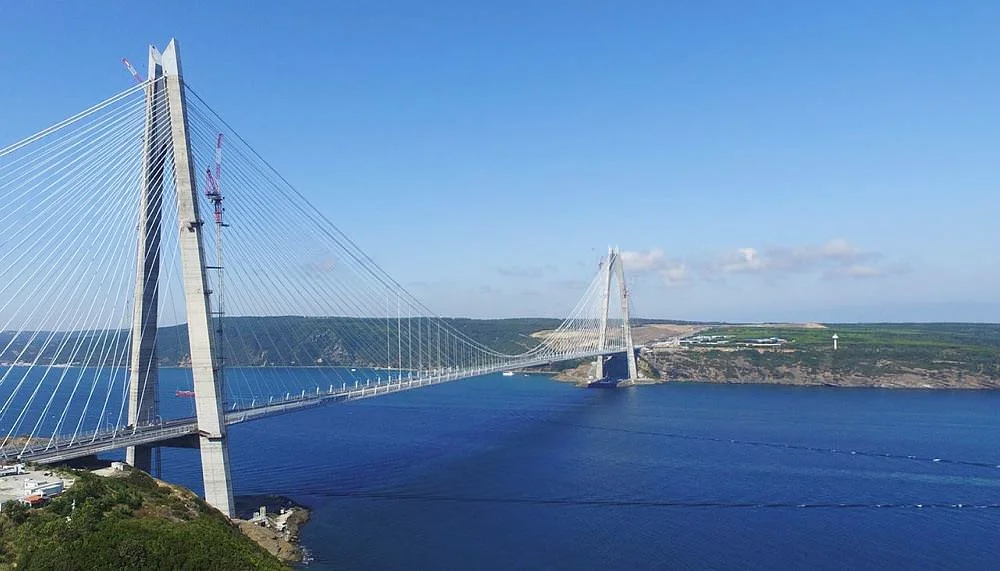
The OPEC Fund just put in $250 million, its biggest loan ever. The new line crosses the Bosphorus on the Yavuz Sultan Selim Bridge and could raise rail freight between Asia and Europe from 3 million to 50 million tonnes a year.
So basically: Istanbul sits on two continents, split by a strait called the Bosphorus. Right now, freight trains crossing between Asia and Europe have to squeeze through one tunnel under the city, and only at night. Türkiye is building a new 127 km railway that goes around the city and crosses the strait on a bridge instead. On Oct. 20 the OPEC Fund put in a $250 million loan, the biggest in its history.
The bottleneck
Trains crossing the Bosphorus today use the Marmaray tunnel. It was built mainly for commuter trains. Freight trains only get short windows at night, so the most cargo that can cross by rail is about 3 million tonnes a year.
That’s tiny for one of the busiest crossroads in the world. Most freight ends up on ships or trucks instead.
The fix
The new line runs from Çayırova on the Asian side to Çatalca on the European side. It crosses the water on the Yavuz Sultan Selim Bridge, the huge bridge at the north end of the Bosphorus that already has space set aside for rail.
The railway will be double-track, electric, and fully signaled, and it’ll carry both passenger and freight trains. The numbers the OPEC Fund gives:
- Rail freight across the Bosphorus goes from about 3 million to 50 million tonnes a year.
- Freight trips between Çayırova and Çatalca drop from about 13 hours to 3.6 hours.
- Getting between Istanbul’s two big airports by public transport drops from about 2 hours to 65 minutes.
The line will link Istanbul Airport and Sabiha Gökçen Airport to each other and to the national rail network.
Who’s paying
The OPEC Fund’s money is part of a financing package of up to $500 million, alongside other international lenders. It’s being pitched as closing the “missing link” in rail traffic between Asia and Europe.
My take
It’s wild that one of the most important spots on the map for moving stuff between continents has had a single nighttime freight window. Going from 3 million to 50 million tonnes is a 16x jump. If this gets built on time, a lot of cargo that now goes by truck or ship could ride the rails between China, Central Asia and Europe instead.
So basically — pass it on.
Daily Updates
Get new stories in your inbox
Near-future tech when it moves. Robots, space, EVs, AI. No spam.