BMW Has Now Had 1 Million Brand New Cars Drive Themselves Off the Line
BMW Group and Zurich startup Embotech said on Oct. 27, 2026 that 1 million new cars have driven themselves around four BMW and MINI factories. The cars have no self-driving sensors. The factory itself does the seeing, with lidars on the walls and computers steering every car.
So basically: At four BMW factories, brand new cars roll off the assembly line and drive themselves to where they need to go next, with nobody inside. BMW and its tech partner Embotech just said that’s now happened 1 million times.
And here’s the twist. The cars doing it don’t have any self-driving gear. The building is the driver.
How a car drives with no self-driving sensors
When most people hear “self-driving,” they picture a Waymo with a spinning sensor on the roof and a pile of cameras. This is the opposite.
Embotech, a company that spun out of the ETH Zurich university back in 2013, puts the sensors in the factory instead of the car. Lidar scanners, made by the Chinese company Hesai, are mounted around the plant. Computers sitting off to the side watch everything those sensors see, plan a path for each car, and update that path 10 times every second.
The only thing the car needs is the ability to be steered, braked and sped up by a computer, which pretty much every new car already has. So the system just plugs into that and drives the car like a remote control with a really smart brain.
There’s also a separate safety system that sets hard limits on what the cars are allowed to do. It was checked and certified by TÜV SÜD, a German testing company that’s a big deal in the car world. Embotech says the setup works right alongside factory workers and regular human driven vehicles, in any weather.
The numbers
Right now the system moves about 3,500 cars a day, and it runs 24 hours a day, 7 days a week. The companies say it’s available more than 99.5 percent of the time.
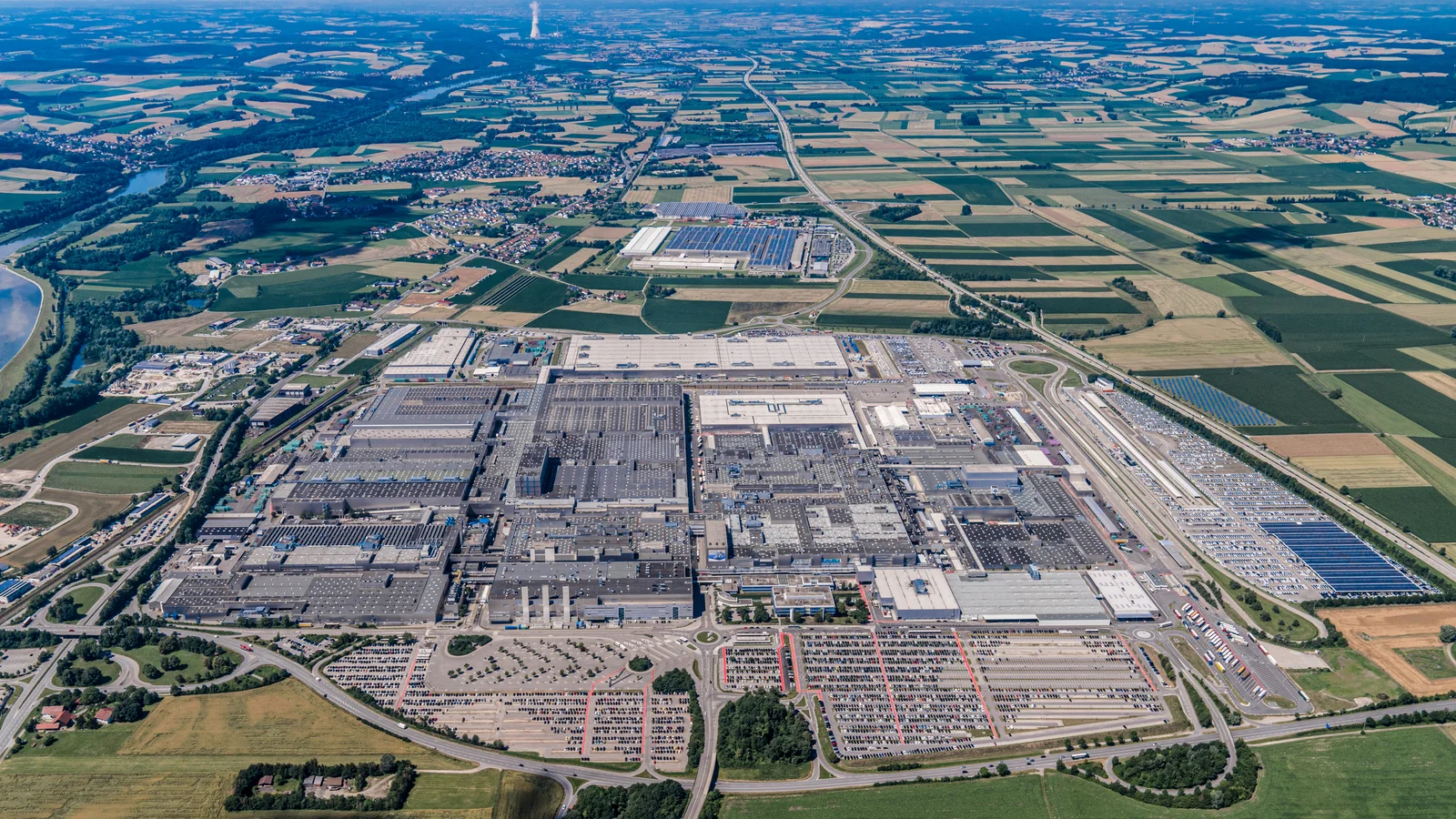
It started as a pilot in 2022. Now it’s running at four sites: Dingolfing, Leipzig and Regensburg in Germany, and the MINI plant in Oxford, England.
The part that jumped out at me is how fast it’s speeding up. The first 500,000 cars took 15 months. The next 500,000 took just seven.
Why bother
Think about what normally happens at the end of a car factory. Every single new car needs a person to hop in, drive it to a parking area or a truck loading spot, hop out, and walk back to grab the next one. All day, every shift. It’s a real job, but it’s slow, and every little bump or scrape costs money on a car that hasn’t even been sold yet.
Embotech says the system means fewer dings, smoother flow of cars, better use of parking space, and a factory that can keep cars moving no matter how many people are on shift.
Coming to the U.S.
Embotech’s commercial chief told The Robot Report they plan to roll it out at BMW’s Spartanburg plant in South Carolina next year. That’s the same factory where BMW has been testing Figure humanoid robots. BMW’s head of production said they’re now rolling the tech out worldwide.
My take
Everybody’s arguing about when robotaxis will be everywhere, and meanwhile a million cars already drove themselves and almost nobody noticed. I think the smart move here is skipping the hard part. Driving on a public road is a nightmare of surprises. A factory lot is a closed space with the same routes every day, so you can bolt the eyes to the walls and keep it simple. That’s probably where a lot of self-driving actually shows up first, in parking lots, ports and factory yards, long before it’s in your driveway. I’d bet we see this in a lot more factories before we see a robotaxi in most towns.
So basically — pass it on.
Daily Updates
Get new stories in your inbox
Near-future tech when it moves. Robots, space, EVs, AI. No spam.